
MY ARCHIVE
MY ARCHIVE
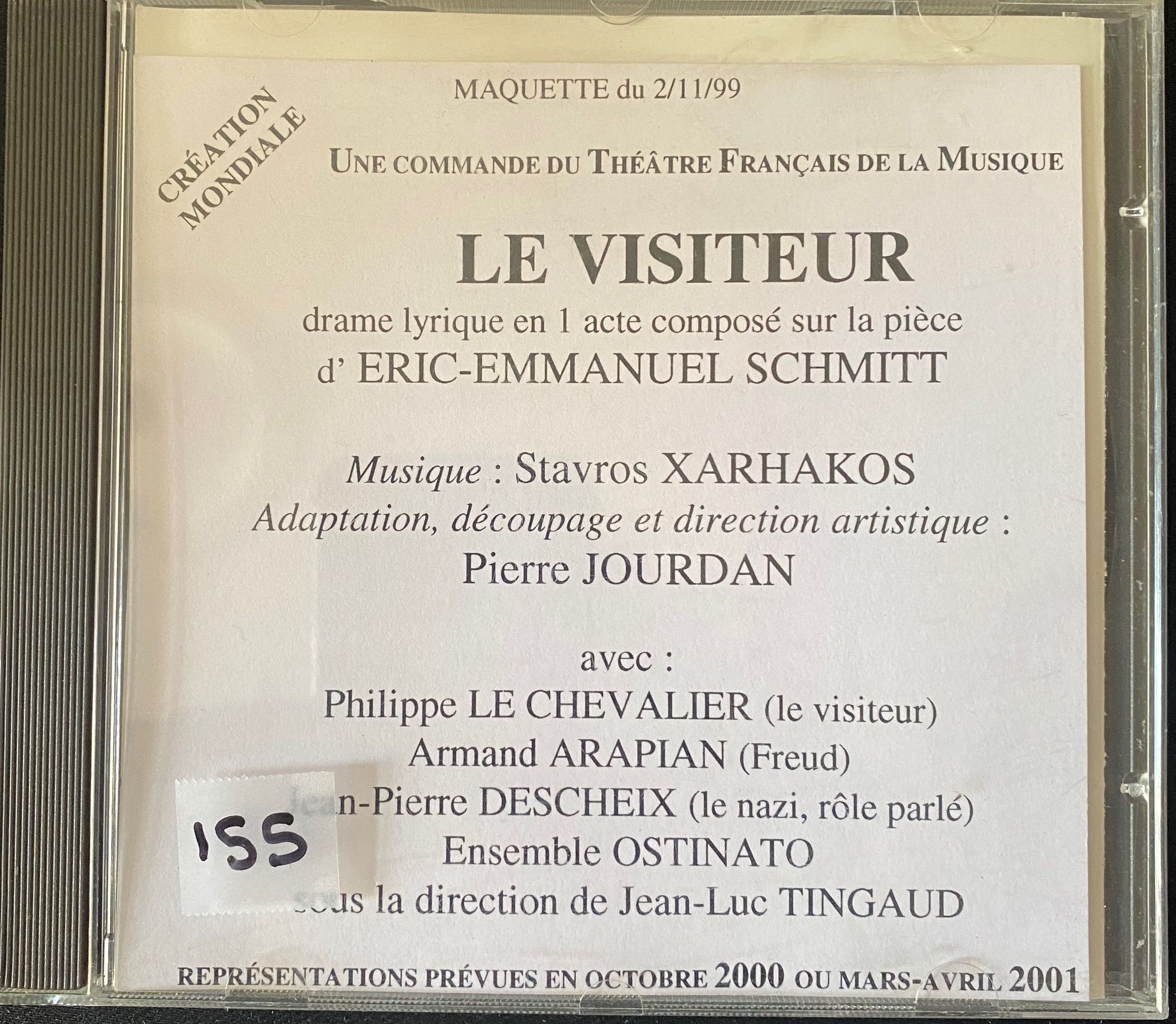
"Le Visiteur" is a dramatic lyrical work in one act, with music by Stavros Xarchakos, based on the play of the same name by Eric-Emmanuel Schmitt. The production was commissioned by the Théâtre Français de la Musique, under the artistic direction of Pierre Jourdan. In the play, Philippe Le Chevalier plays the "visitor," Armand Arapian plays Freud, and Jean-Pierre Descheix plays a Nazi (in a speaking role). The music was performed by the Ensemble Ostinato under the direction of Jean-Luc Tingaud. Performances were scheduled for October 2000 or March–April 2001.
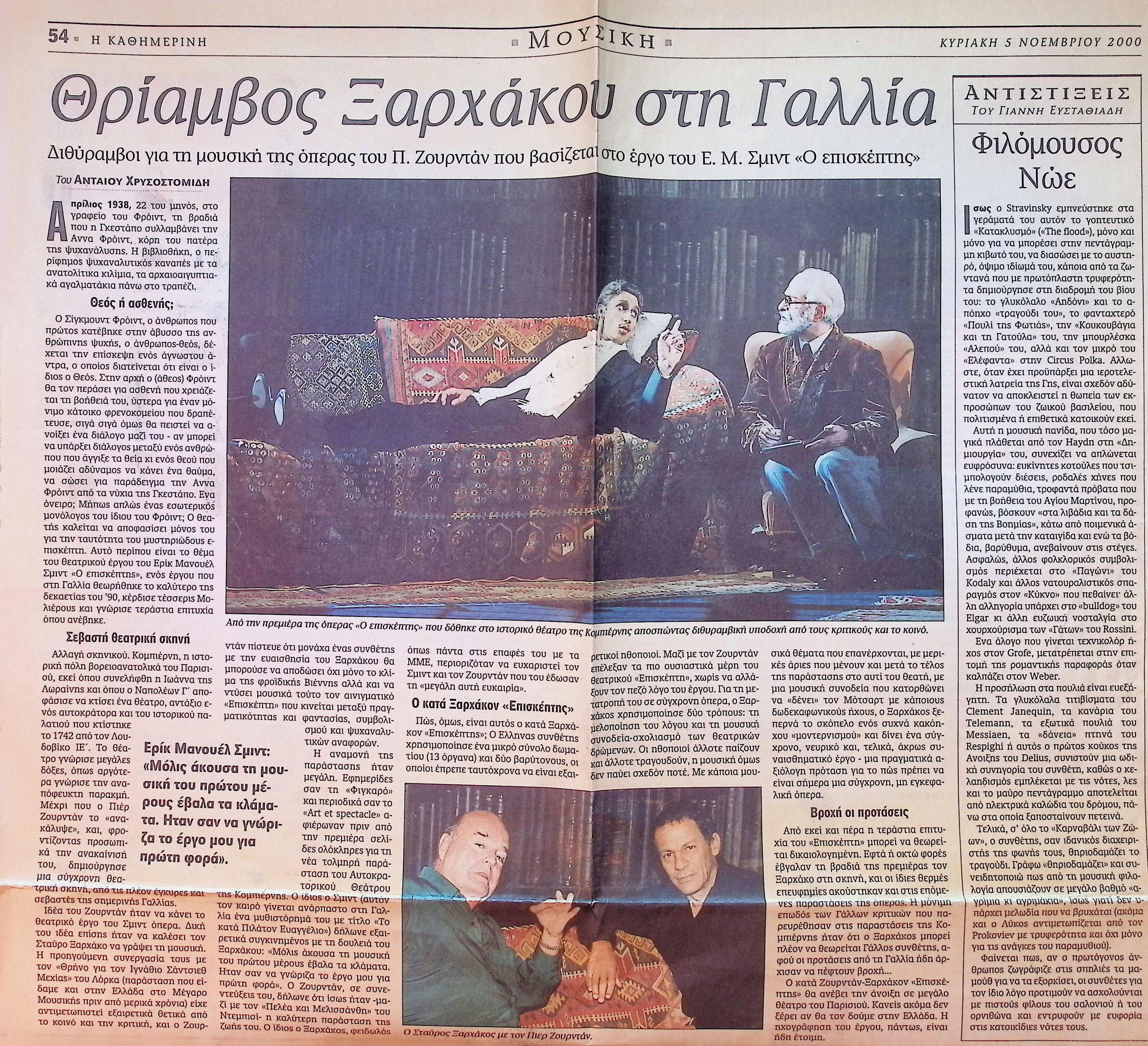
Stavros Xarchakos uniquely conveys the atmosphere of Freudian Vienna and sets to music an enigmatic “Visitor” who moves between reality and imagination, prompting Schmitt to express profound emotion over his work. The "Kathimerini" article discusses in detail the content of the piece, its transformation into a contemporary opera, and the enthusiastic praise the music received.
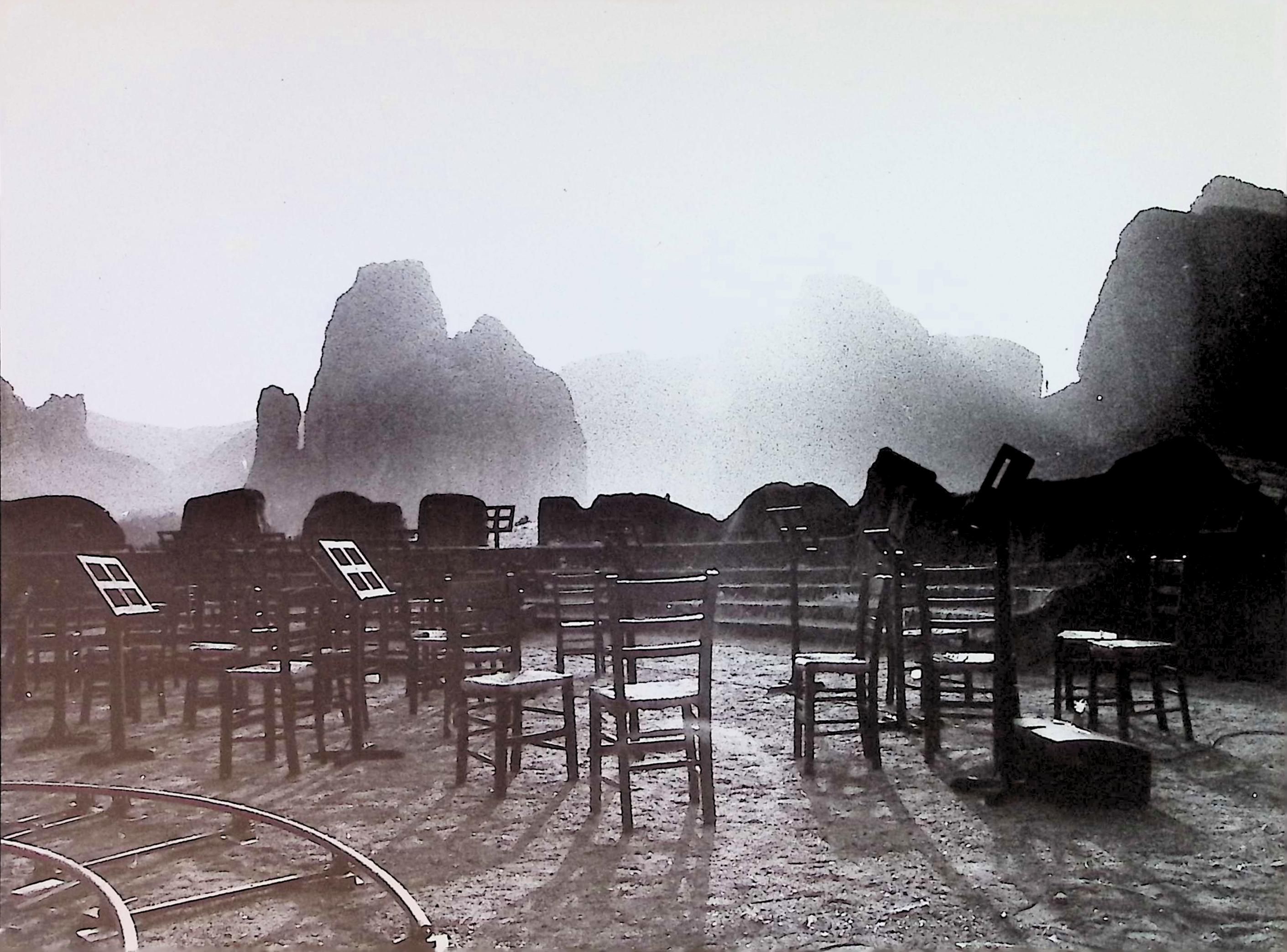
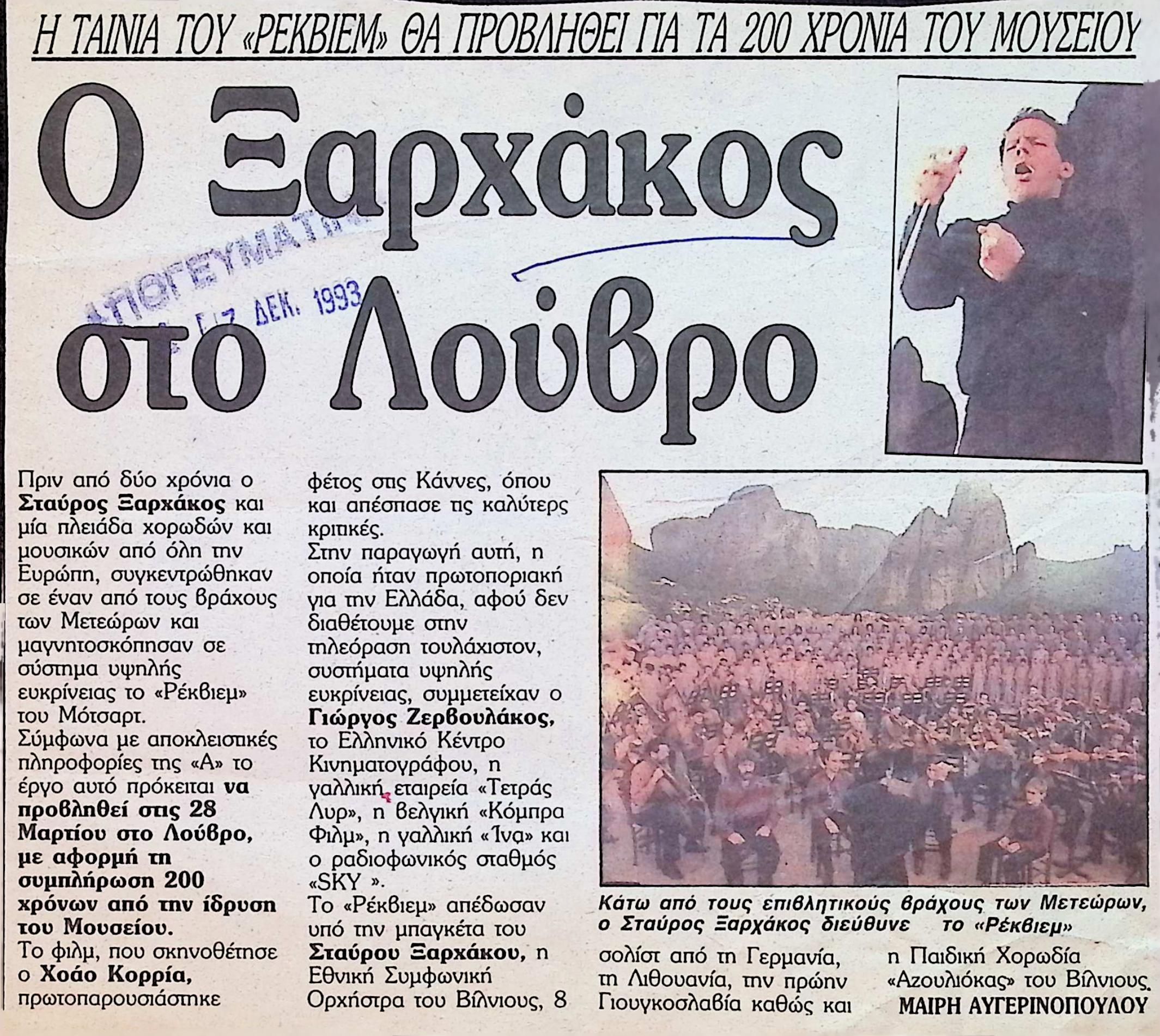
In an article published in “Apogevmatini,” the filming of “Requiem,” directed by João Corrêa, is presented, produced to be screened on the occasion of the 200th anniversary of the founding of the Louvre Museum. Mozart’s work is performed, under the baton of Stavros Xarchakos, by the Lithuanian National Symphony Orchestra of Vilnius, eight soloists from Germany, Lithuania, and the former Yugoslavia, as well as the Ažuoliukas Children’s Choir of Vilnius.
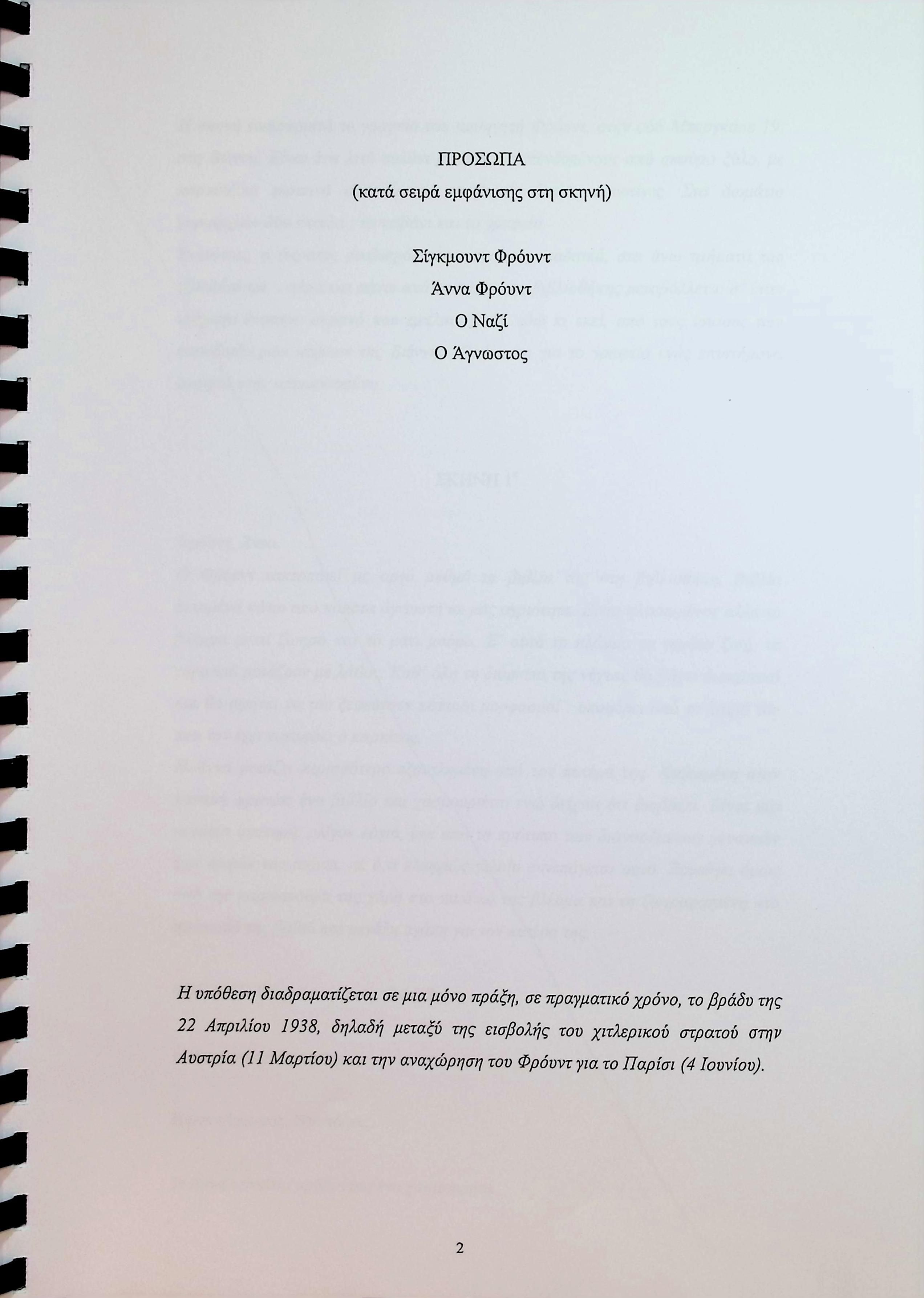
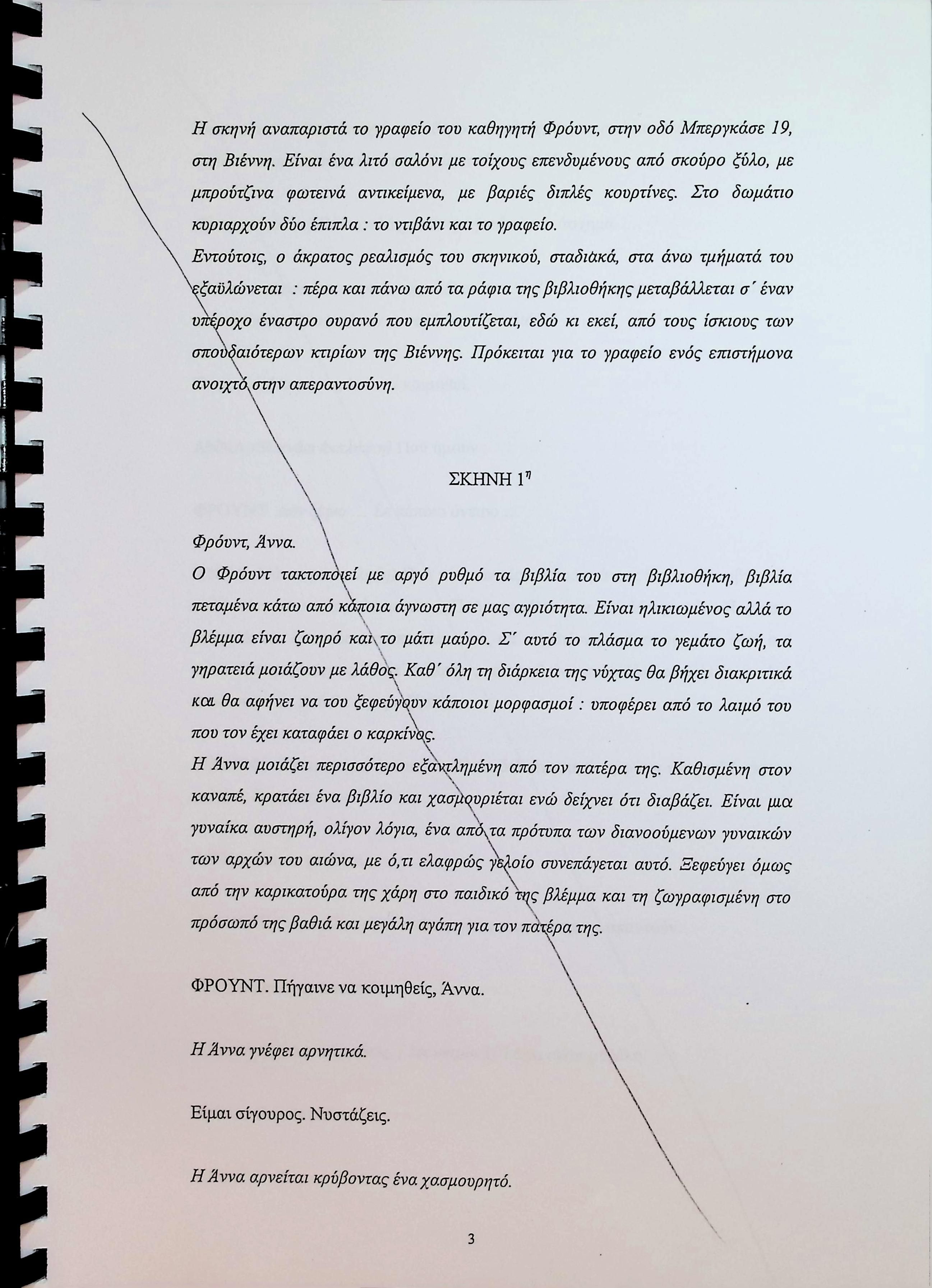
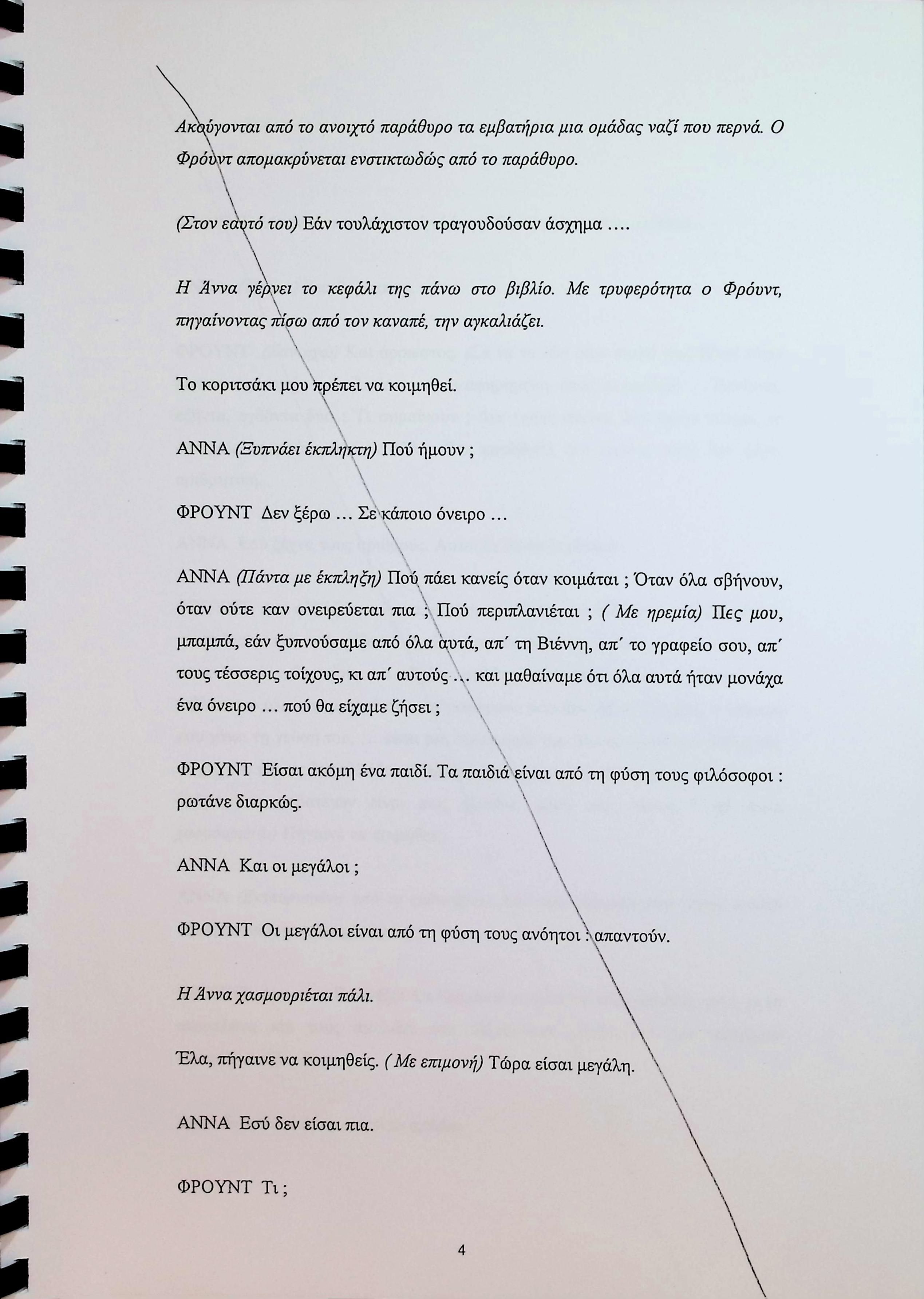
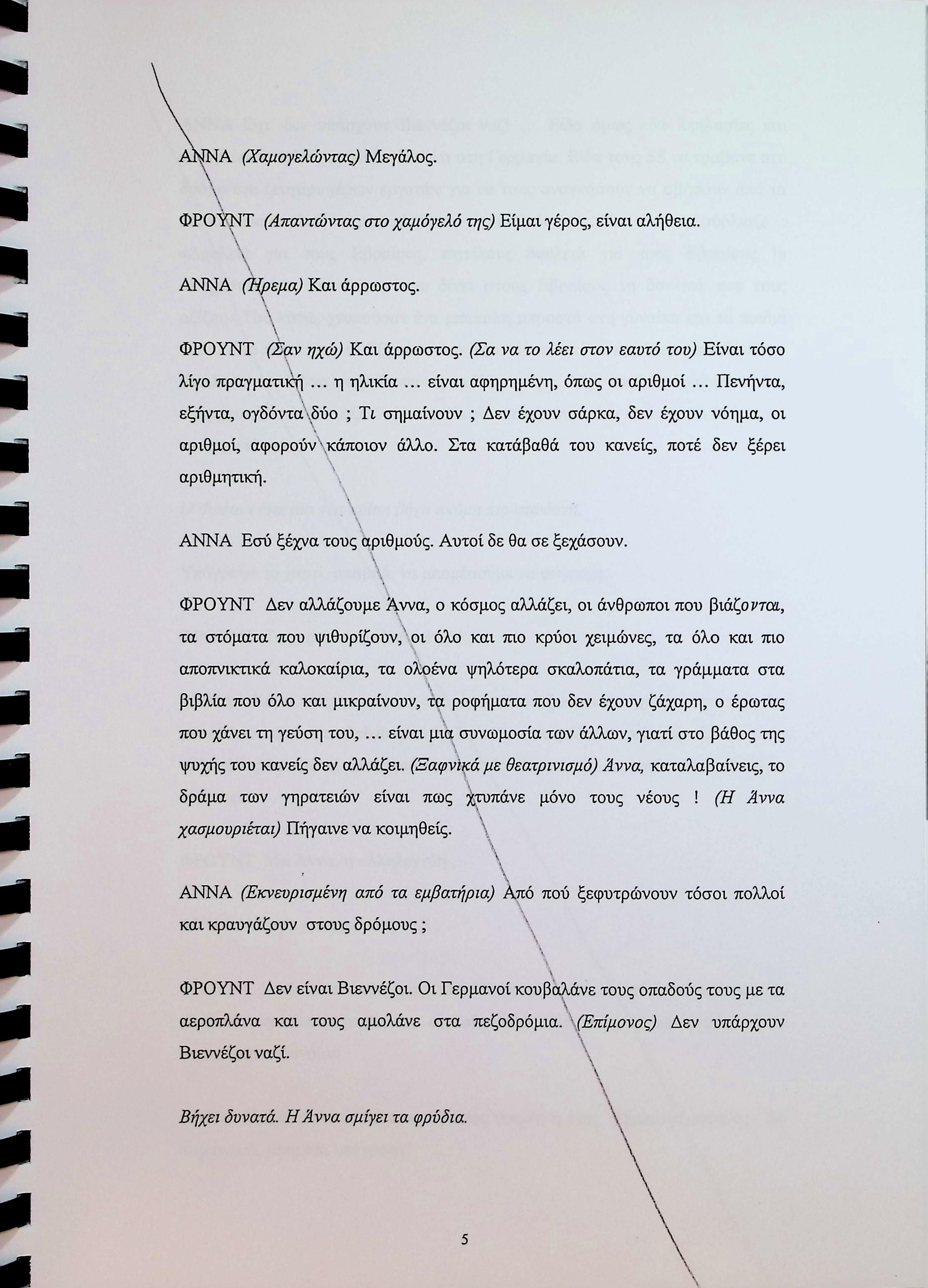
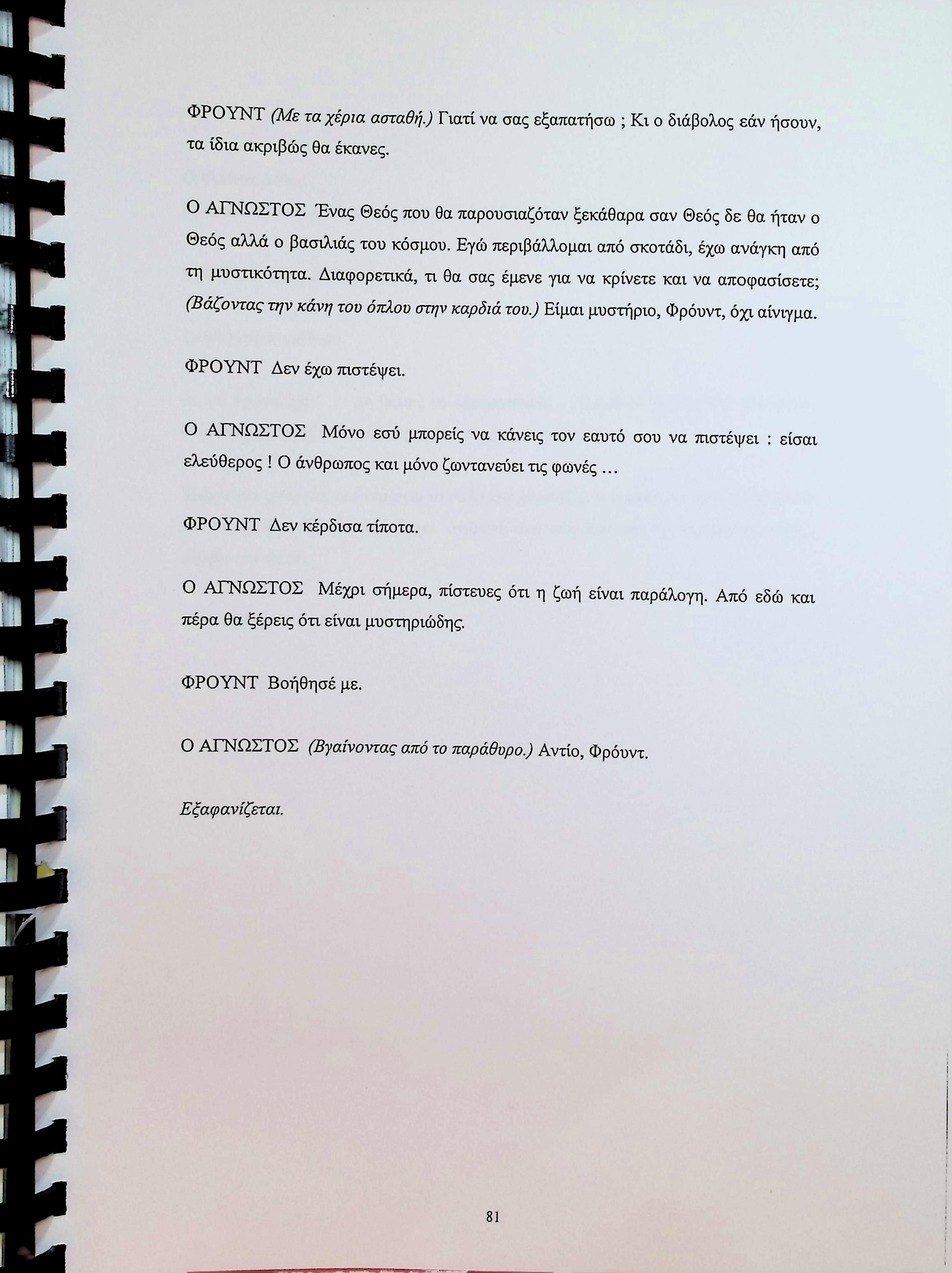
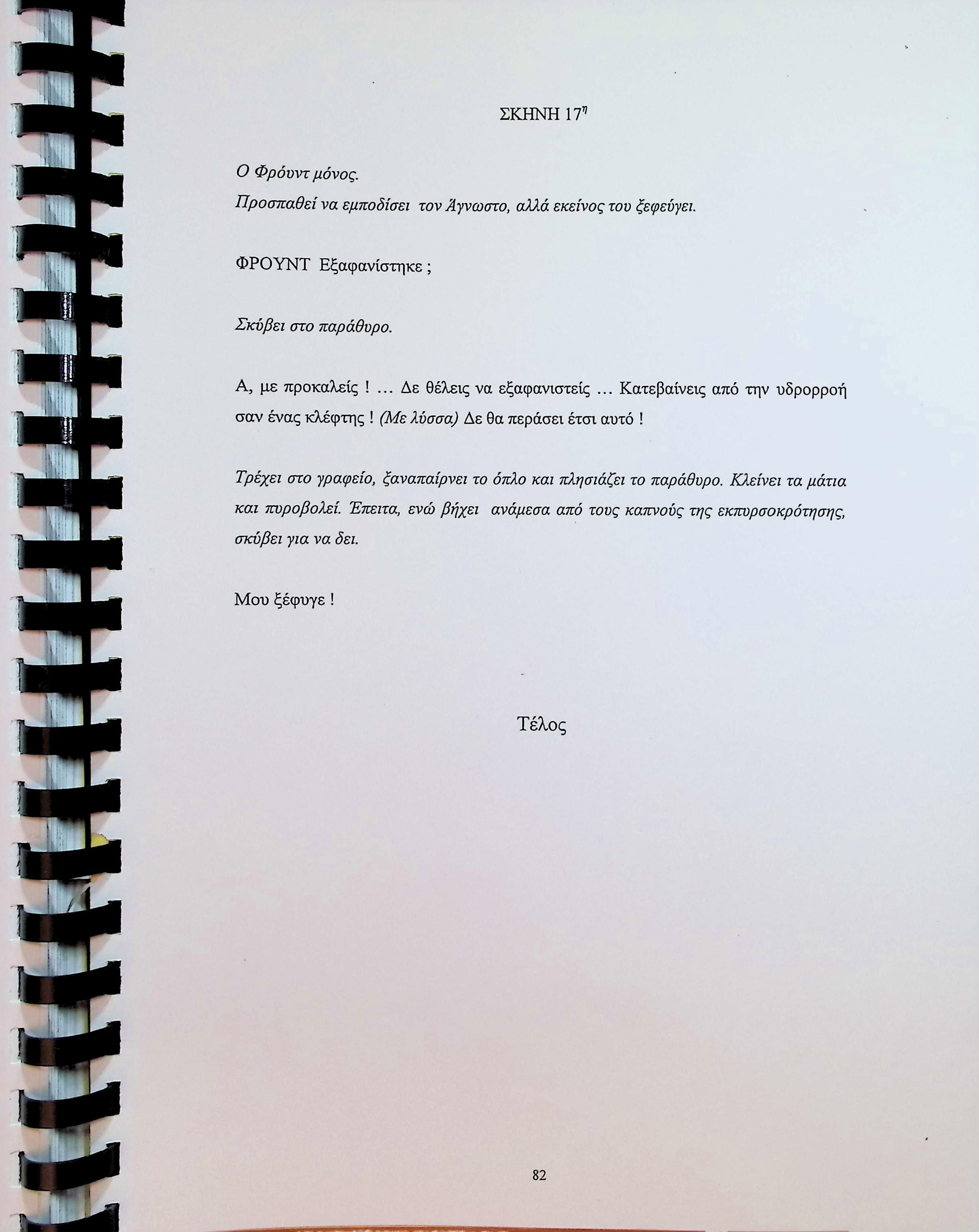
Excerpt from the Greek version of the plot of the play "Le visiteur".
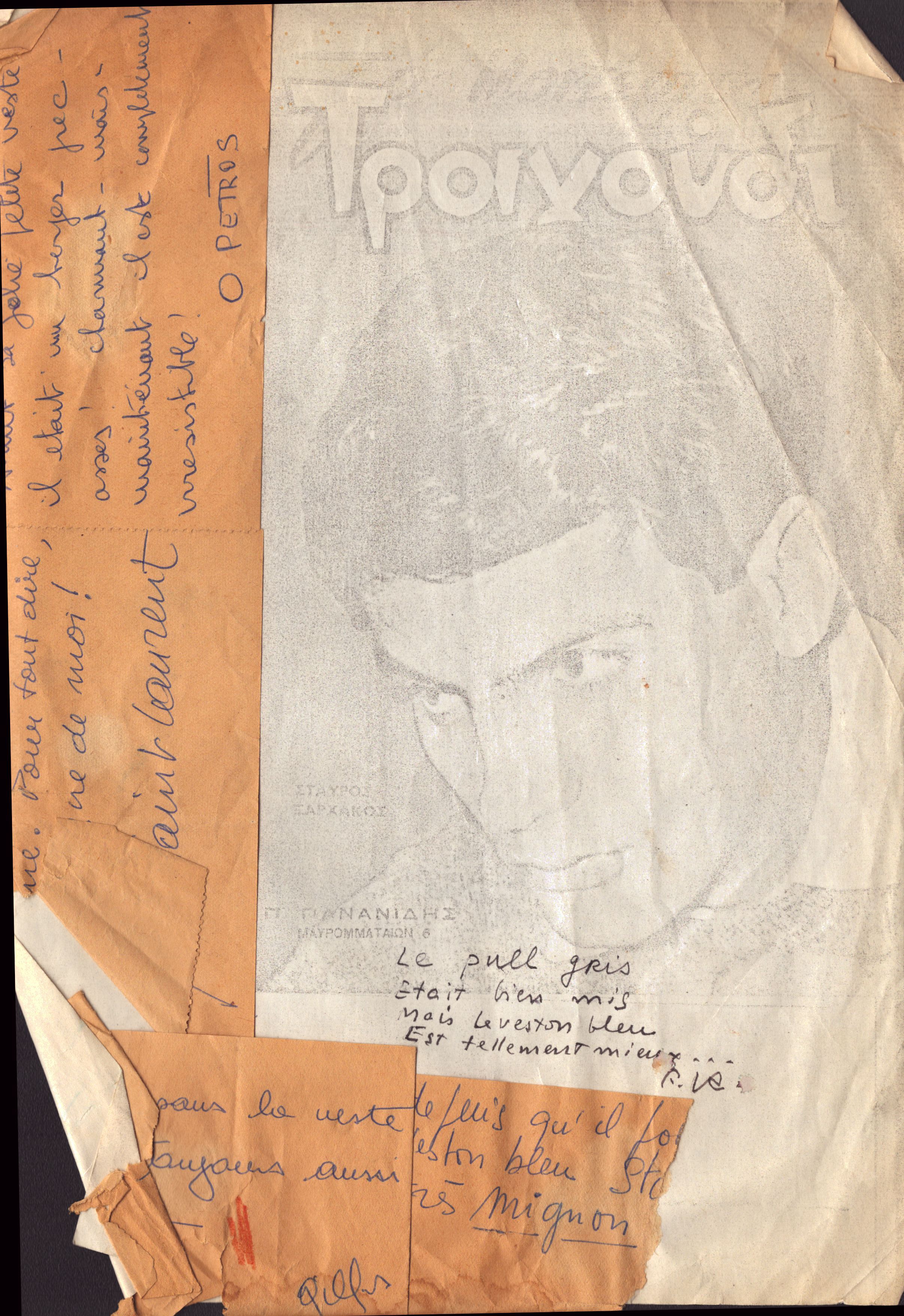
From the early period of his creative work… excerpts of correspondence (Petros) can be seen, forming a kind of distinctive puzzle.
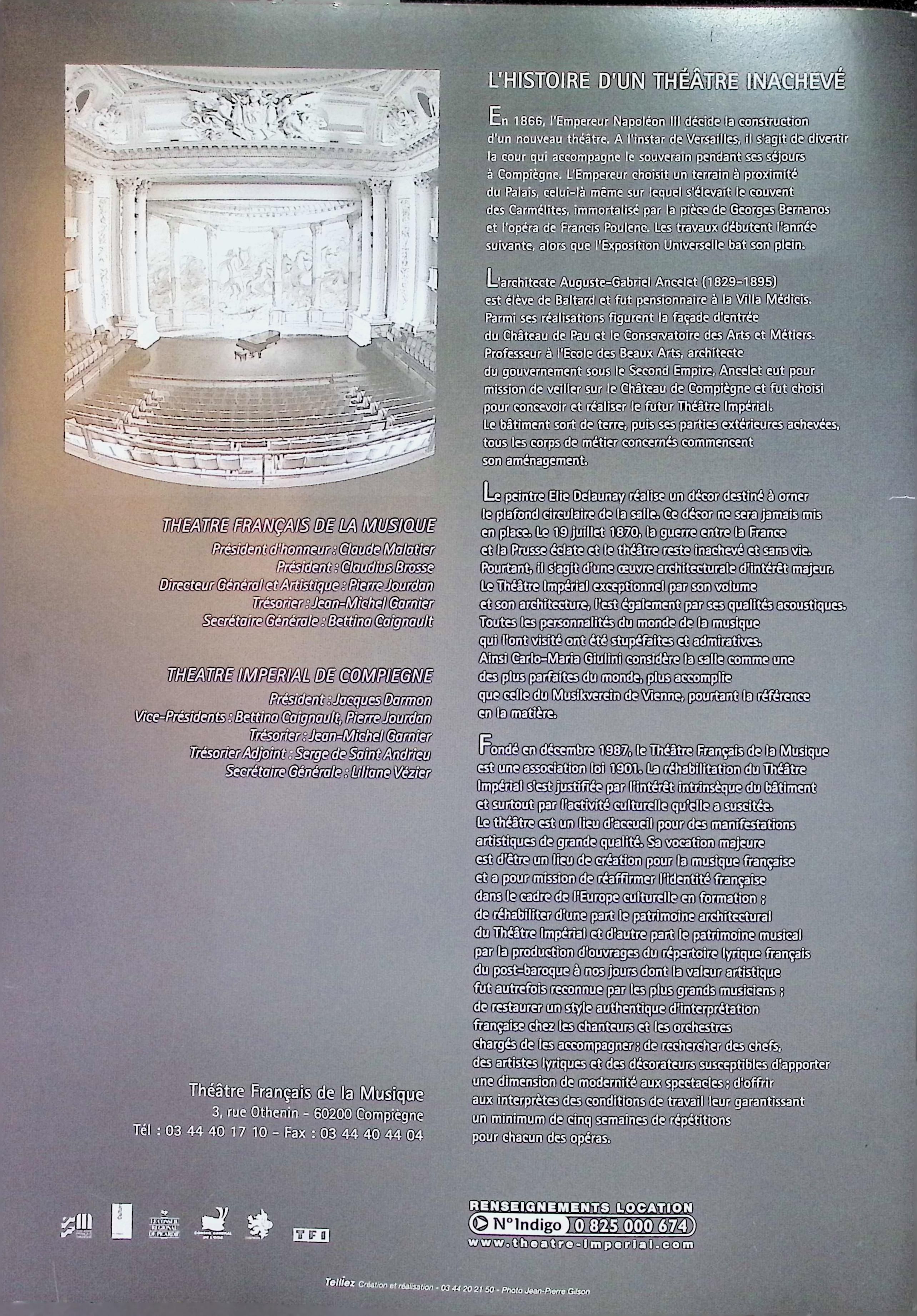
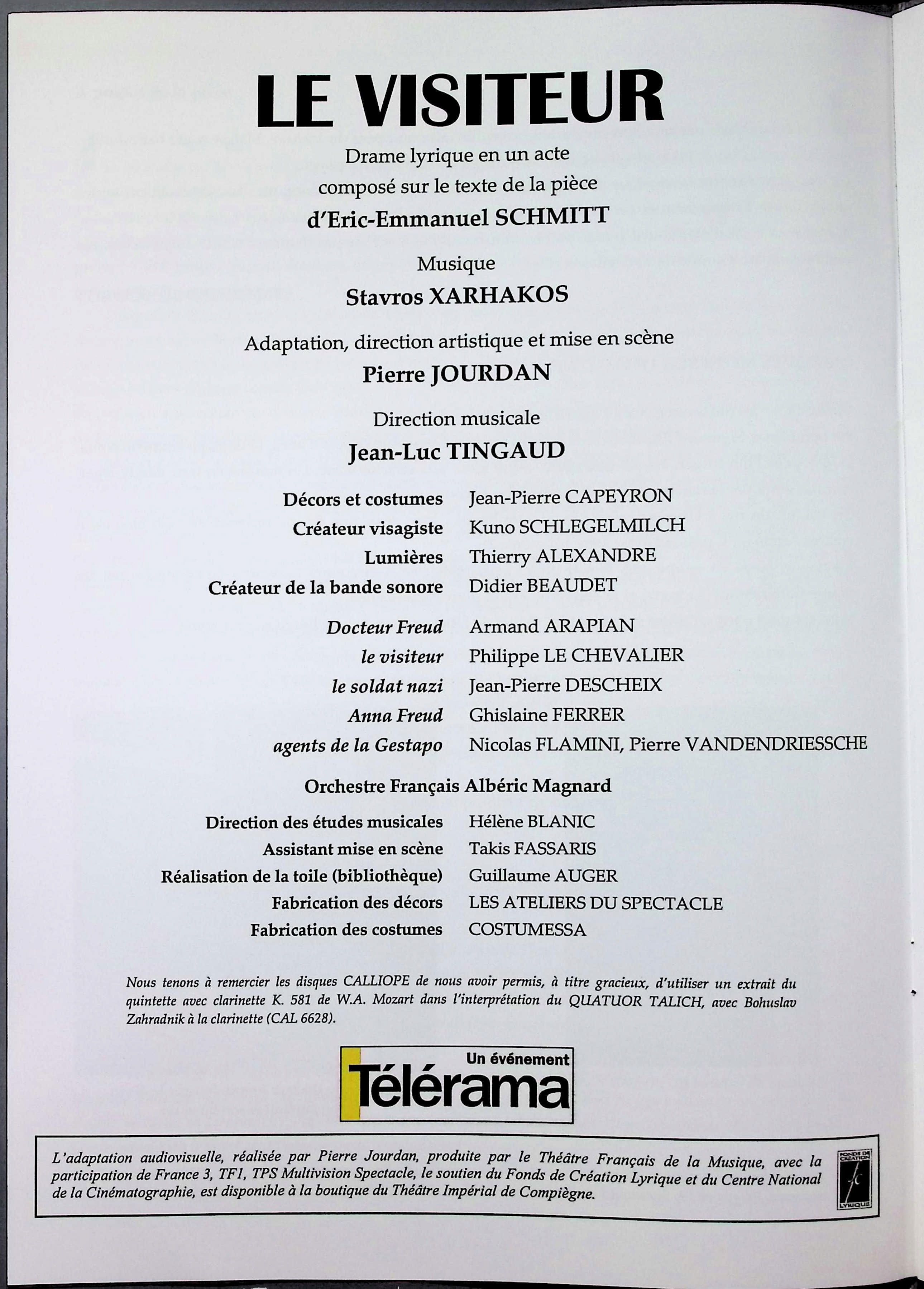
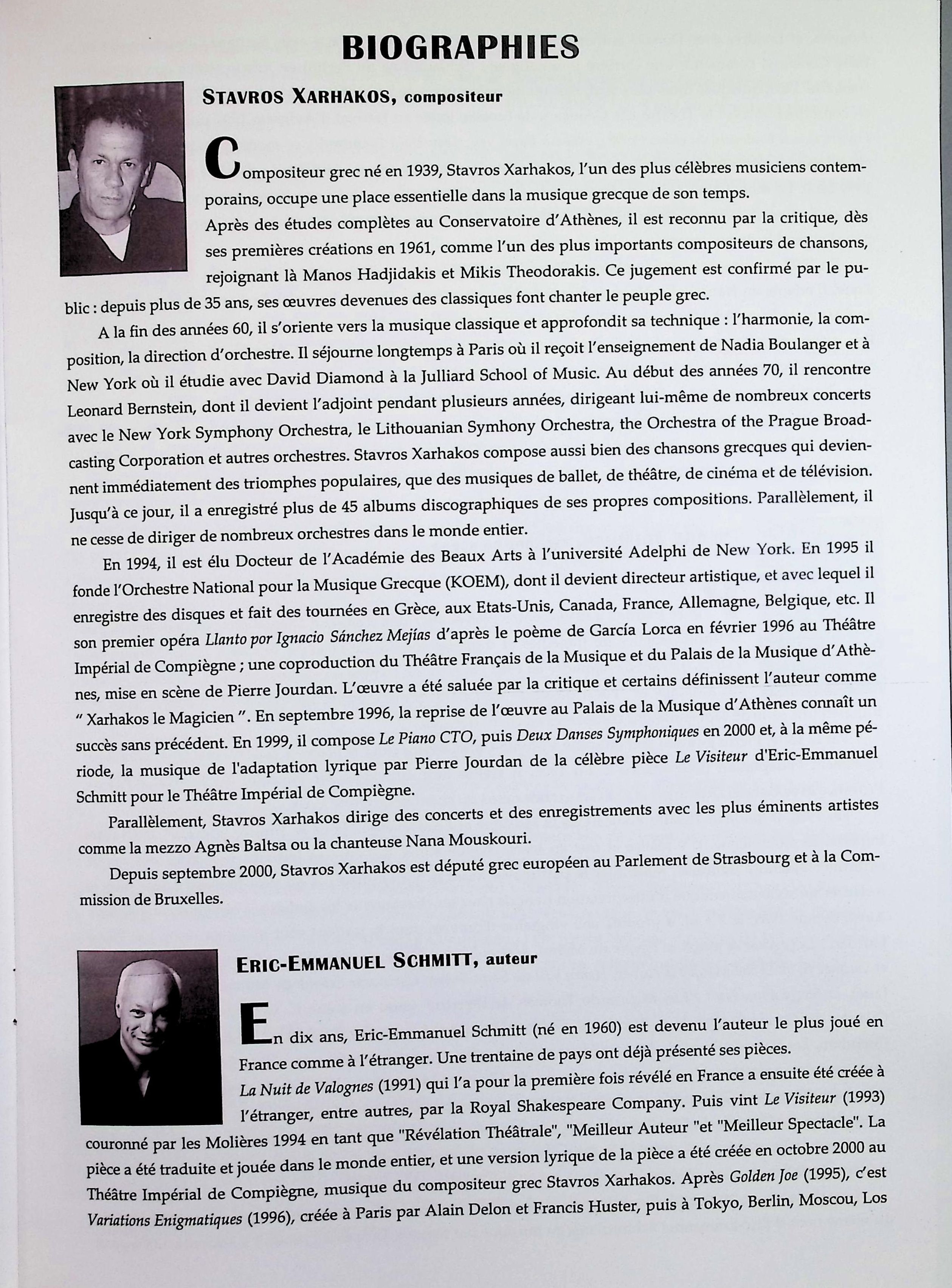
At the end of the 20th century, Stavros Xarchakos composed the music for Pierre Jourdan's lyrical adaptation of Éric-Emmanuel Schmitt's famous film "Le Visiteur," which was presented at the Théâtre Impérial de Compiègne. The program for the performance features the contributors to the production and a biography of Stavros Xarchakos.
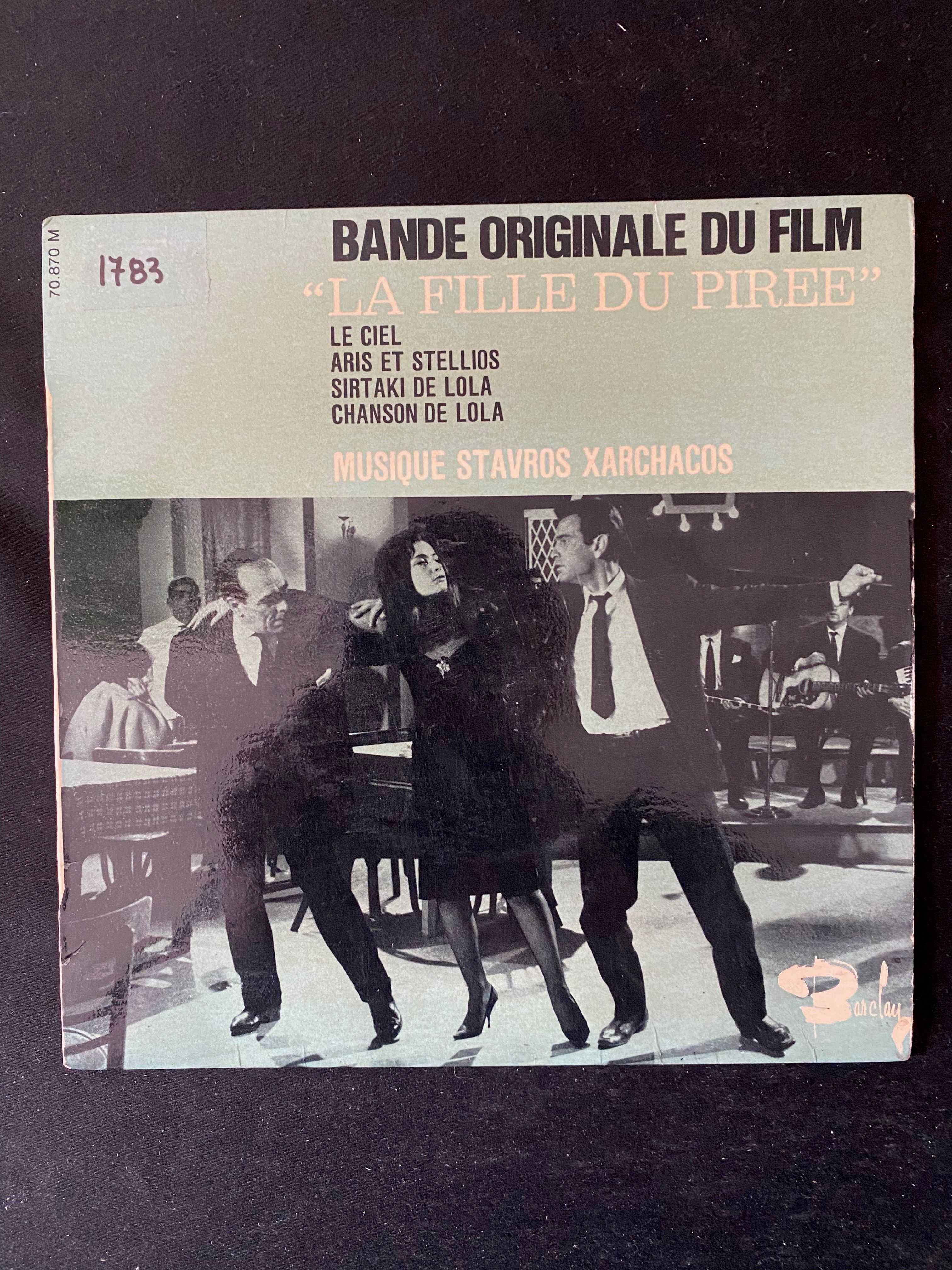
Record release of the original music from the film "La Fille du Pirée," which mentions composer Stavros Xarchakos, and the titles of the musical pieces from the French edition: Le Ciel, Aris et Stellios, Sirtaki de Lola, Chanson de Lola.
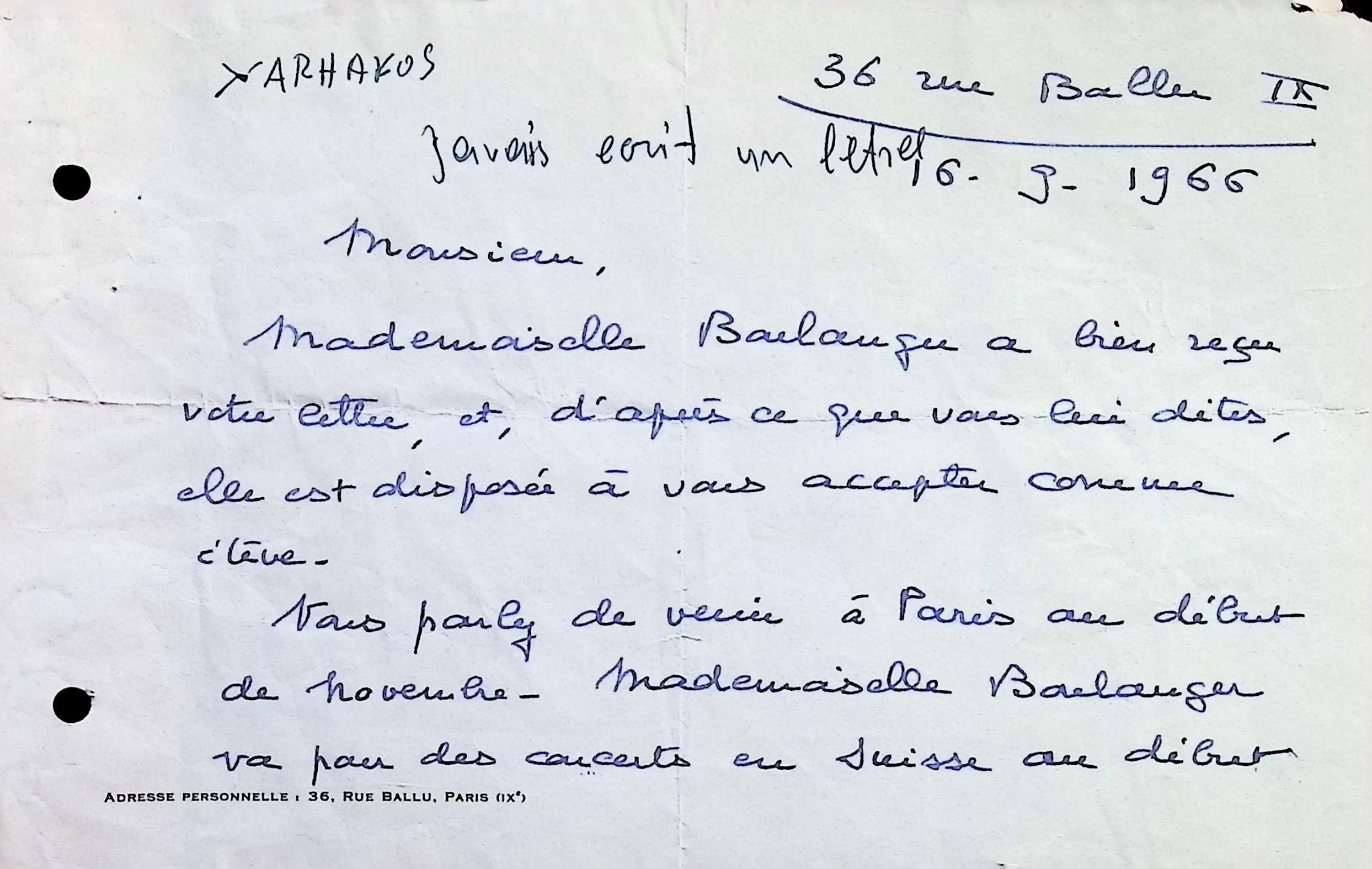
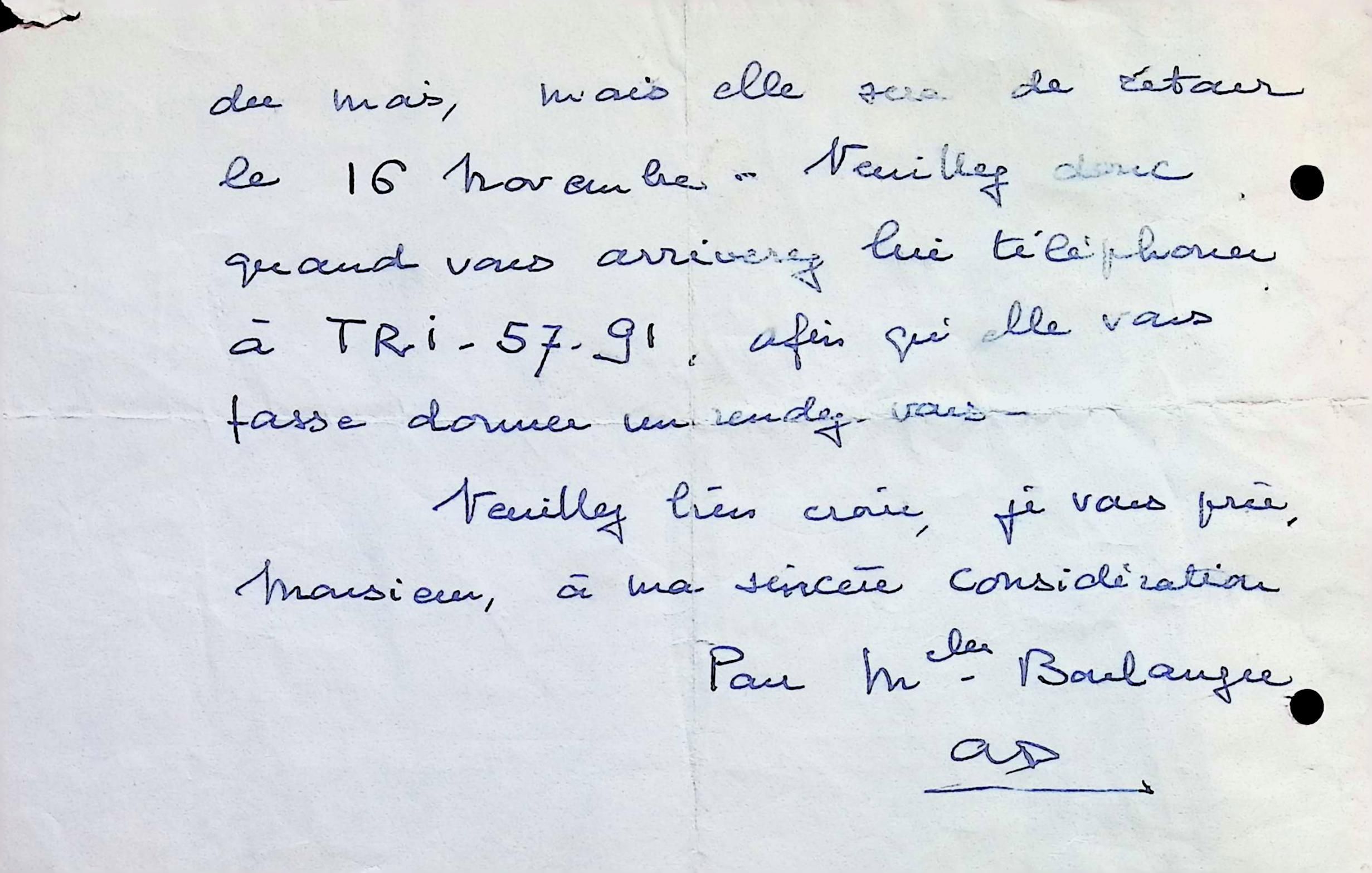
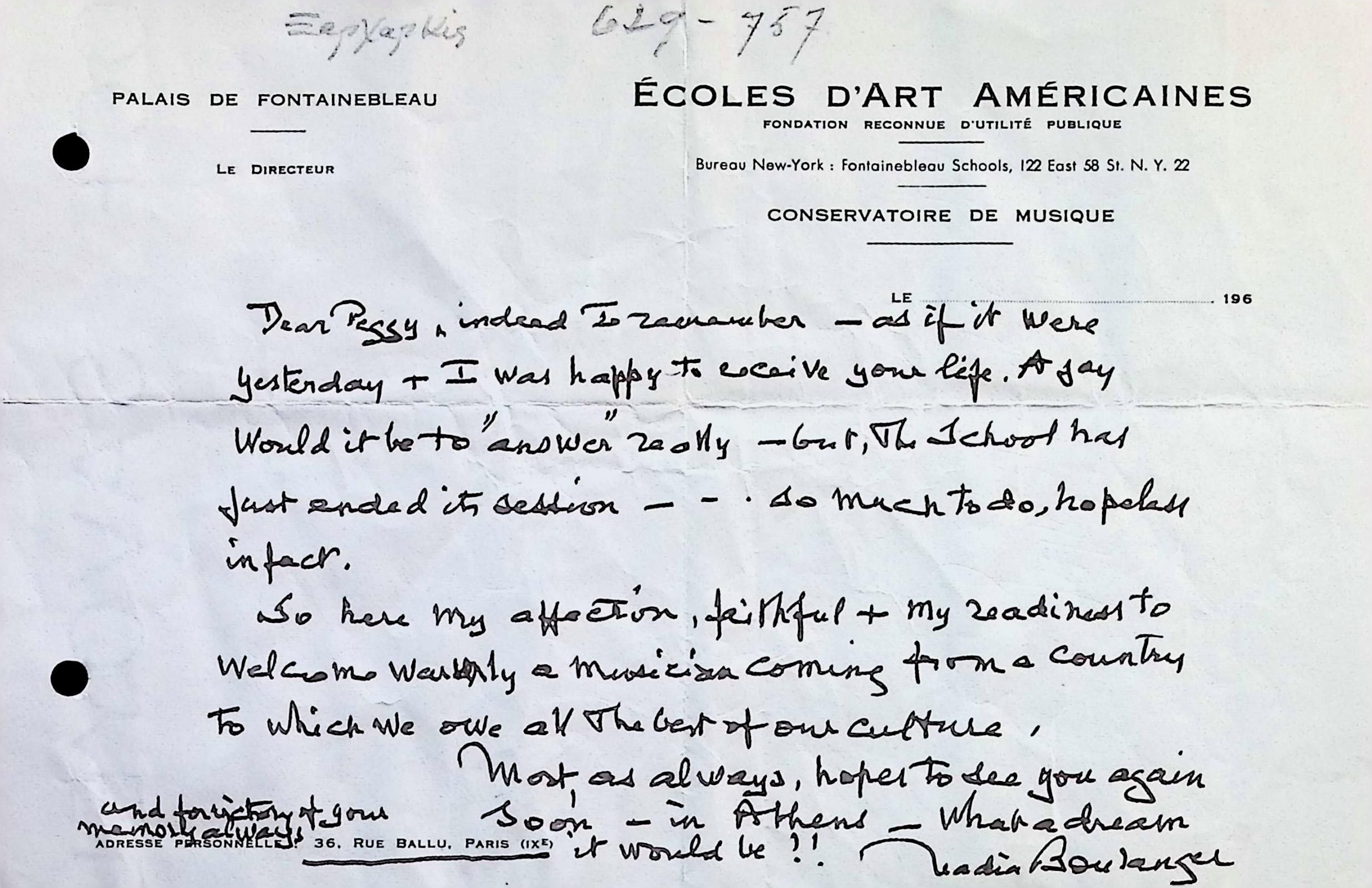
Stavros Xarchakos himself has stated that he was fortunate to have great and inspiring teachers, among them Nadia Boulanger. He studied under her in Paris, in an environment of high musical education and international prestige. A letter from Boulanger reflects the spirit of hospitality and respect with which the great teacher welcomed musicians from Greece—"a country to which we owe the finest elements of our culture"—expressing her deep appreciation for the Greek tradition, an atmosphere into which Stavros Xarchakos would later be warmly received.