
MY ARCHIVE
MY ARCHIVE
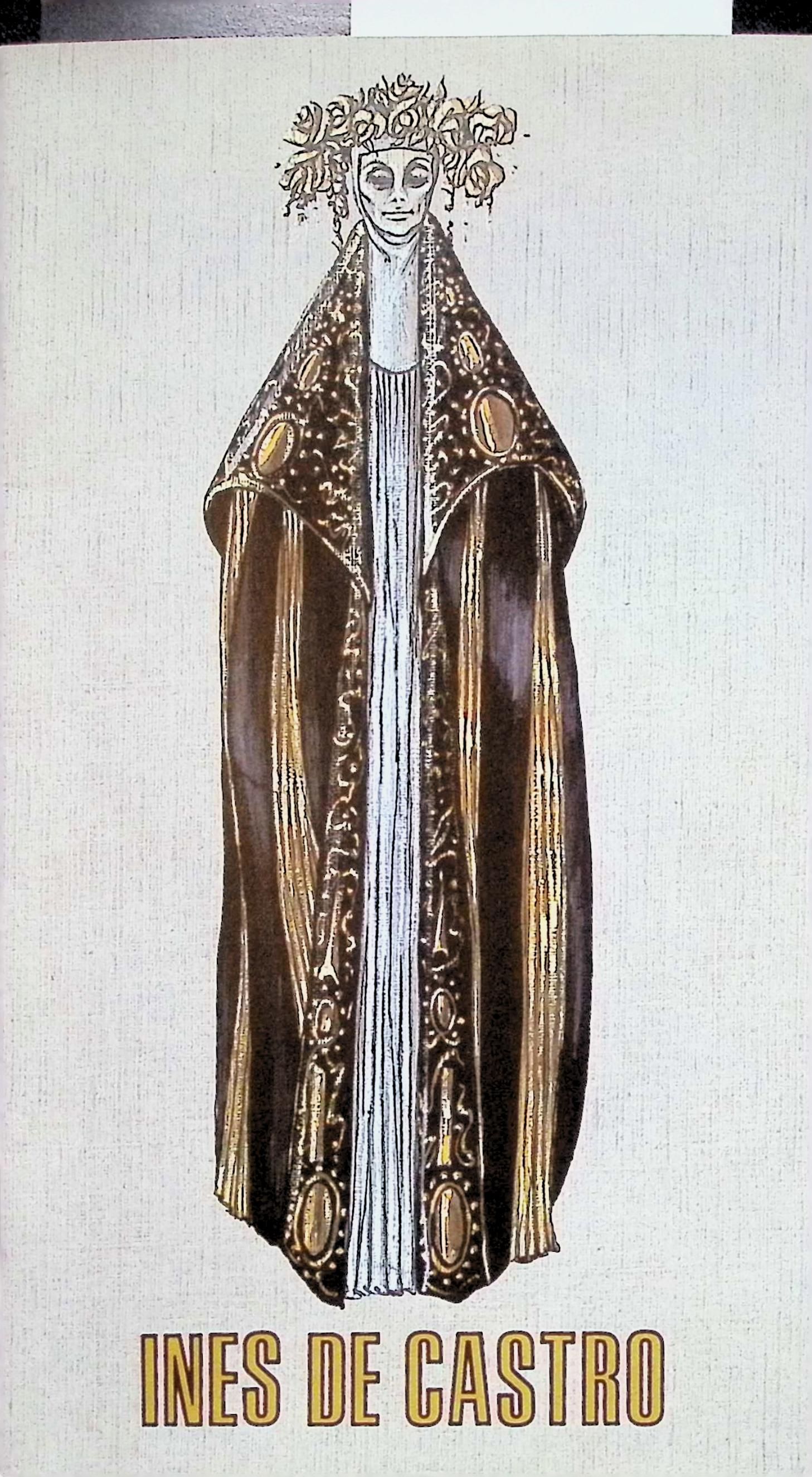
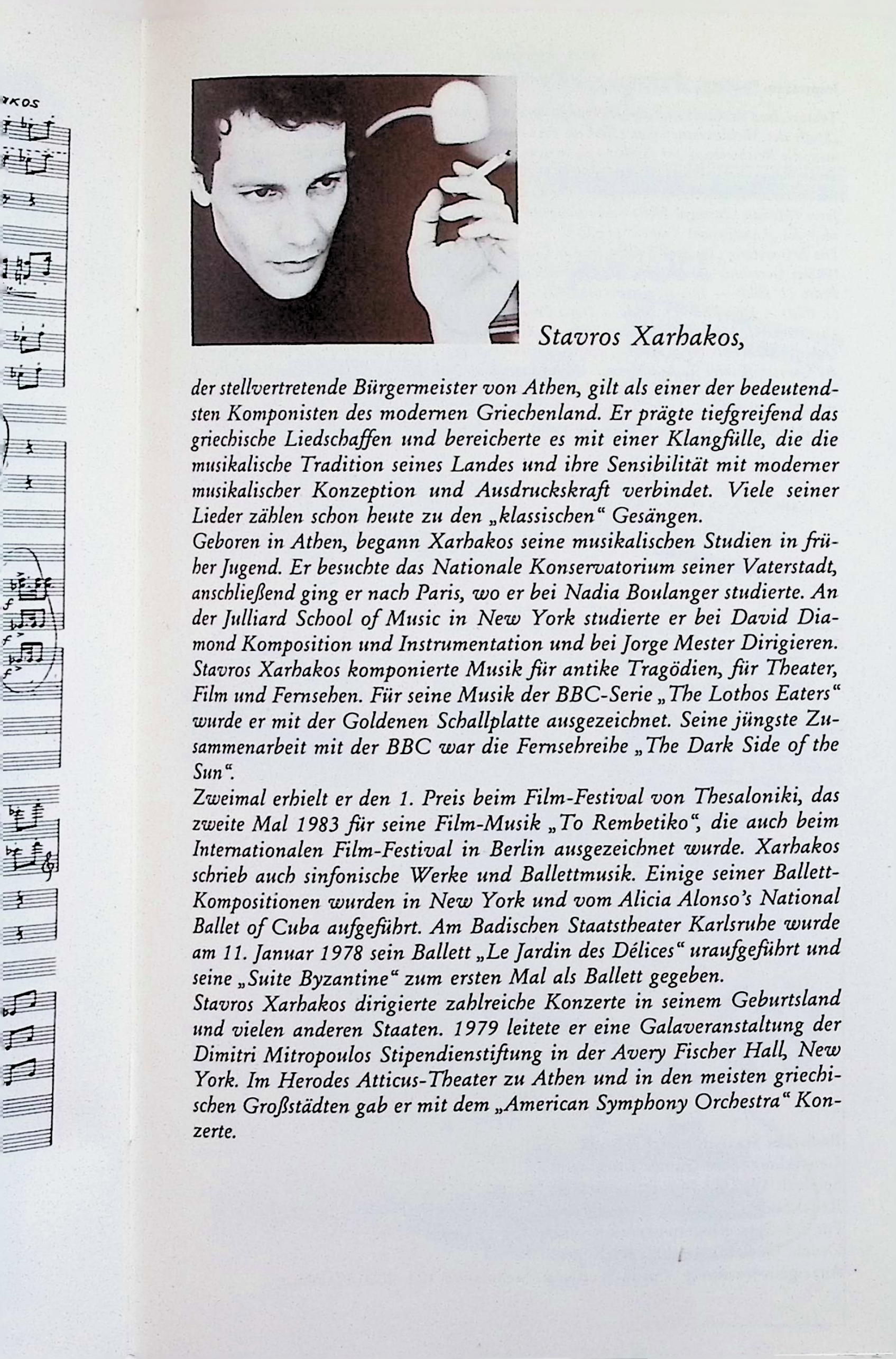
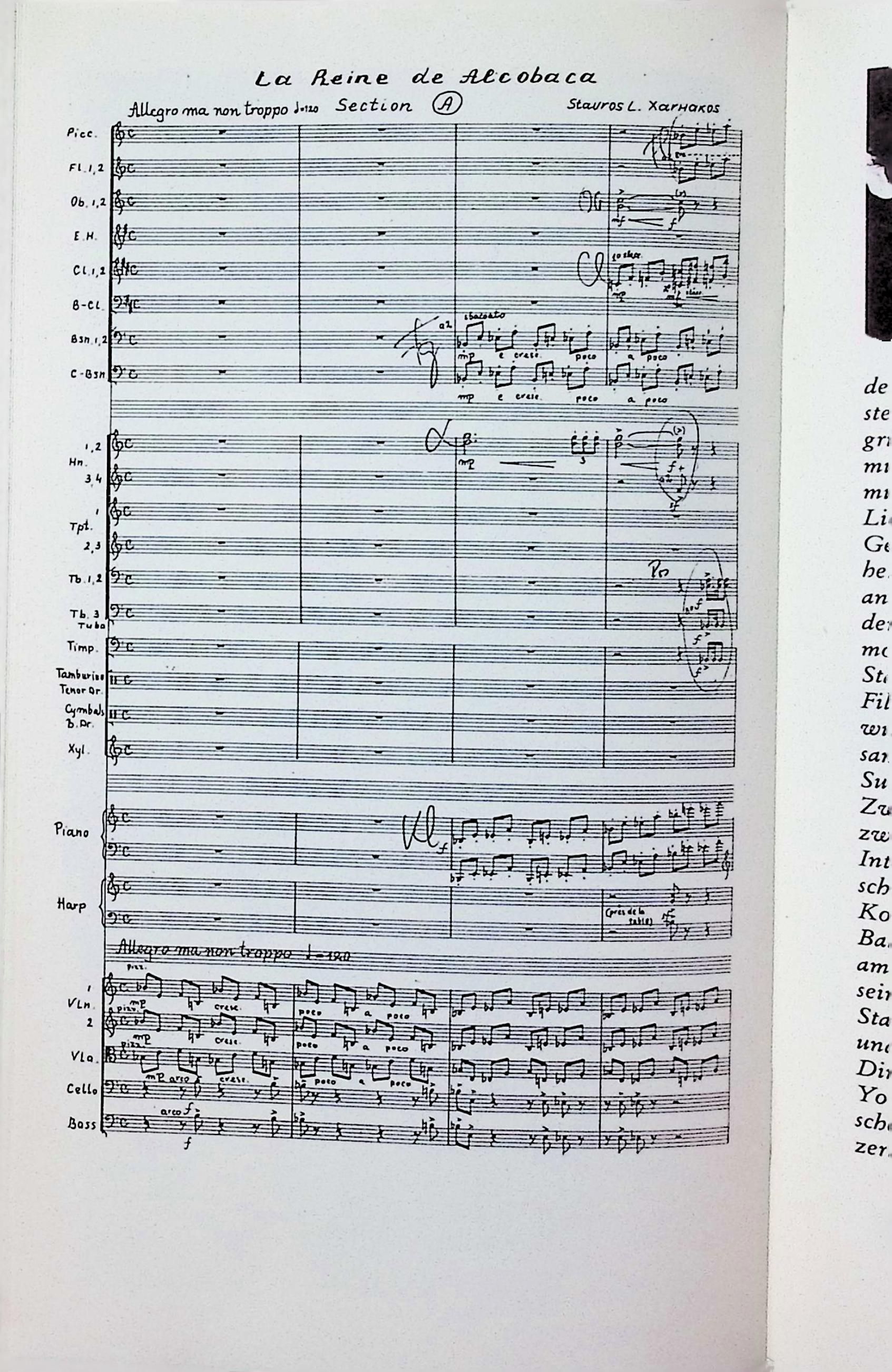
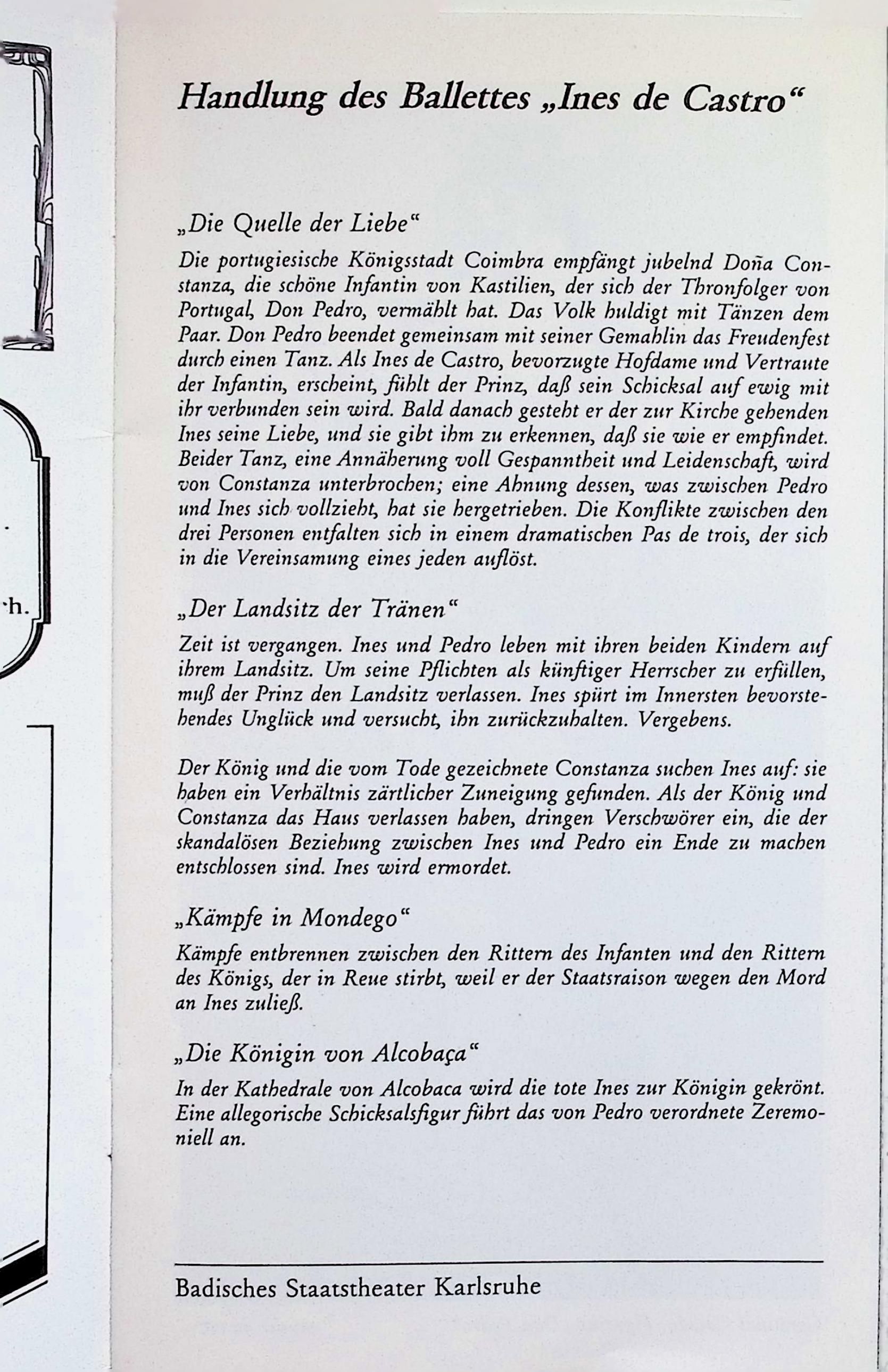
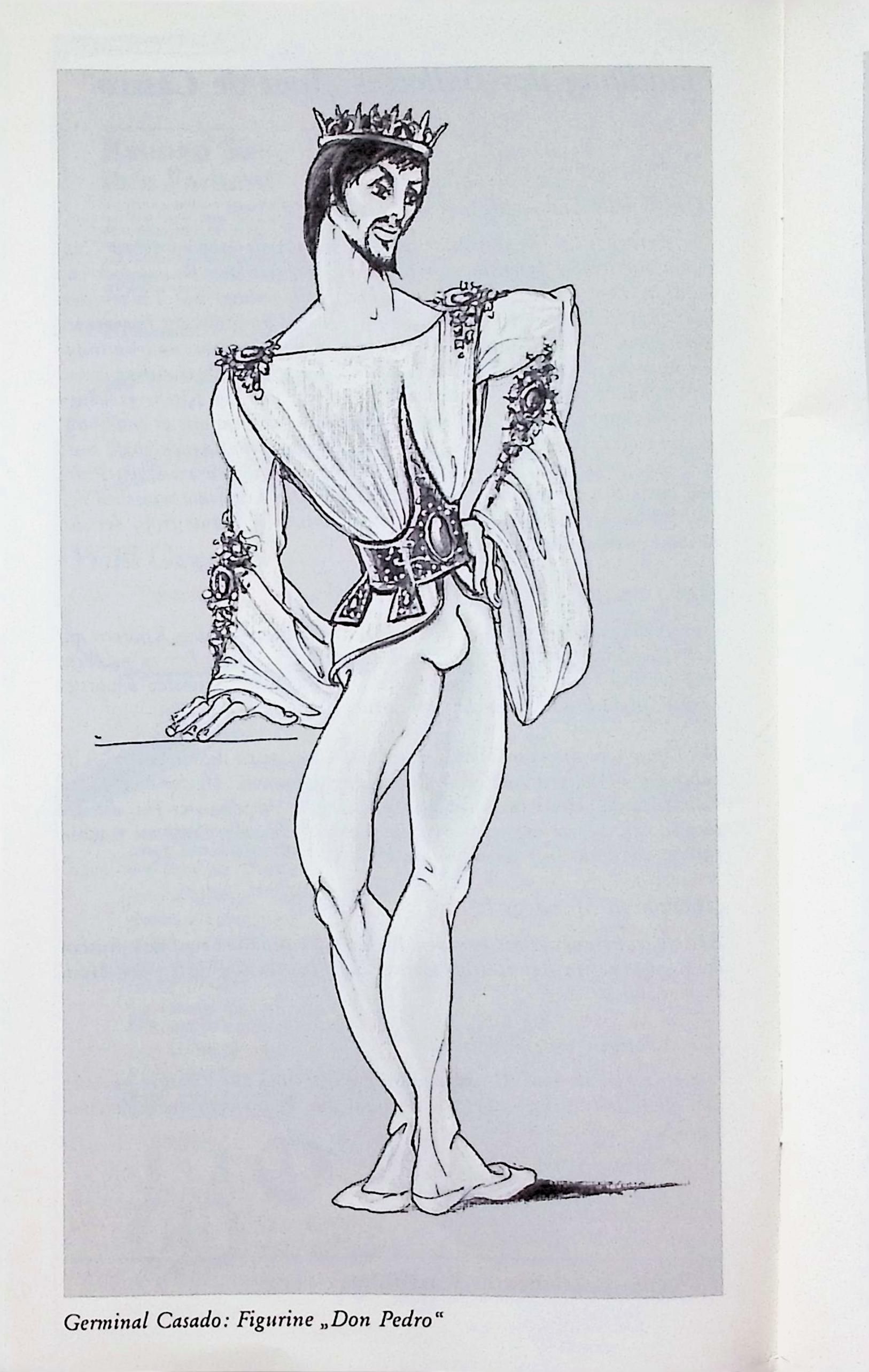
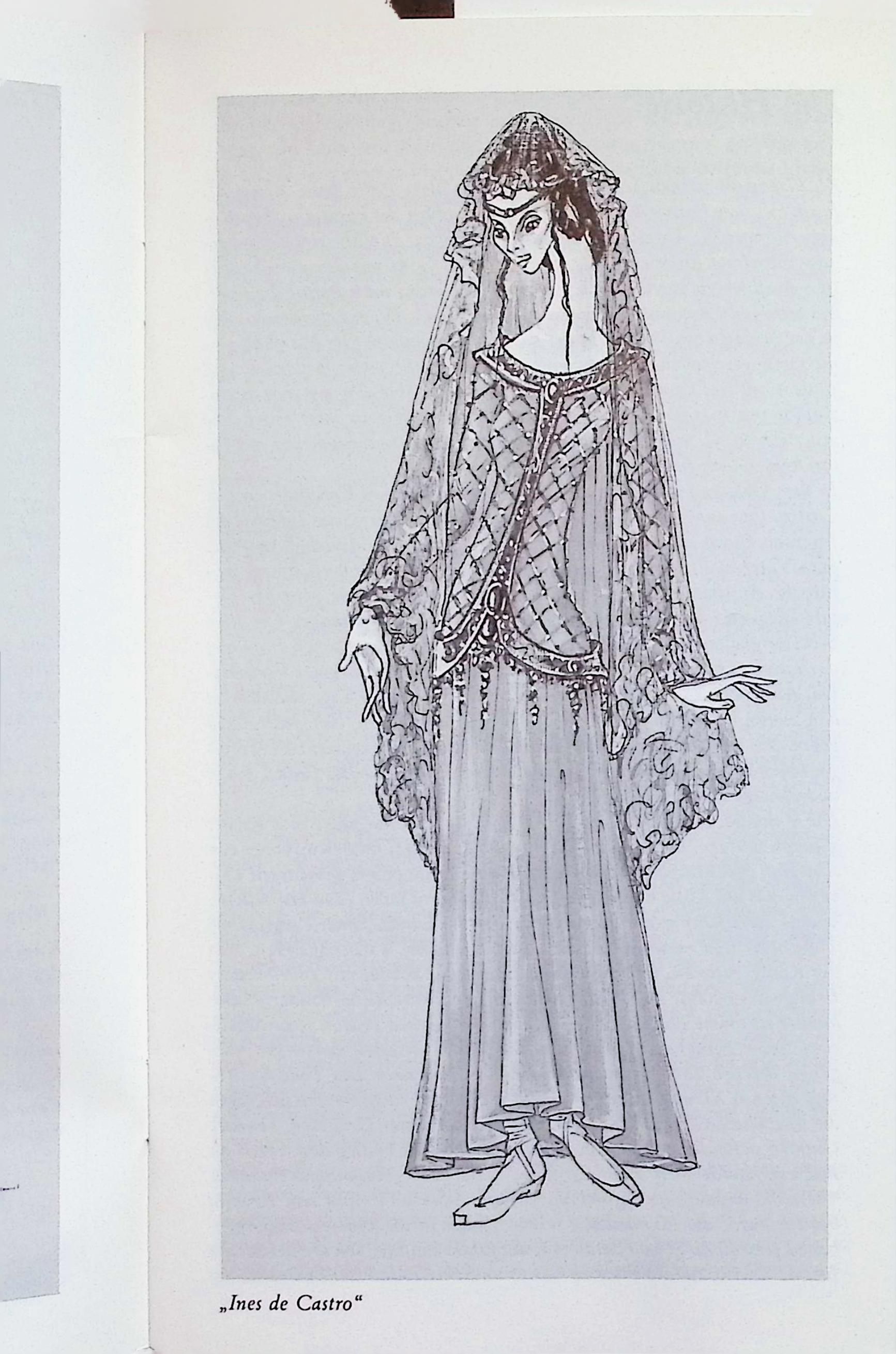
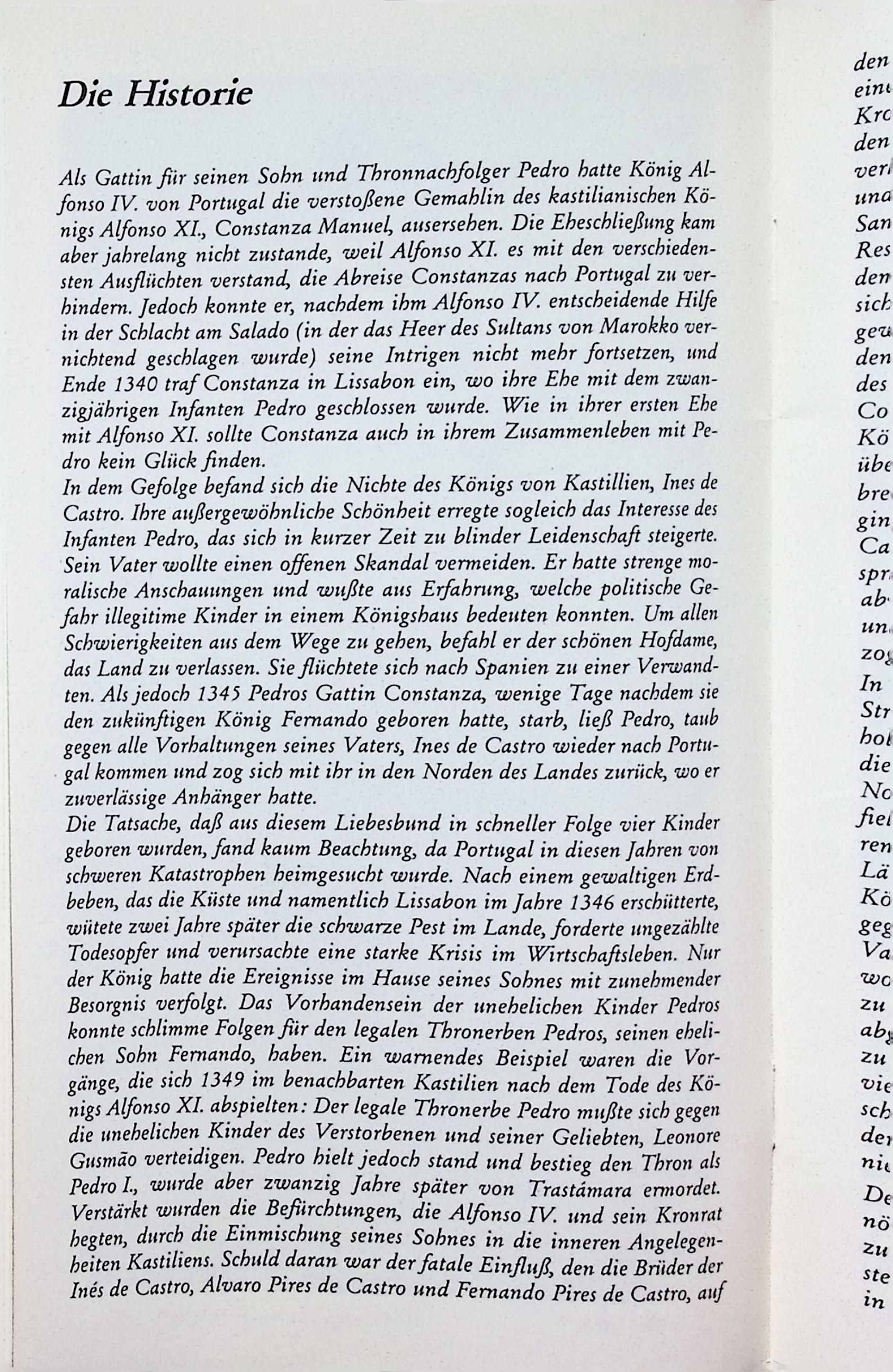
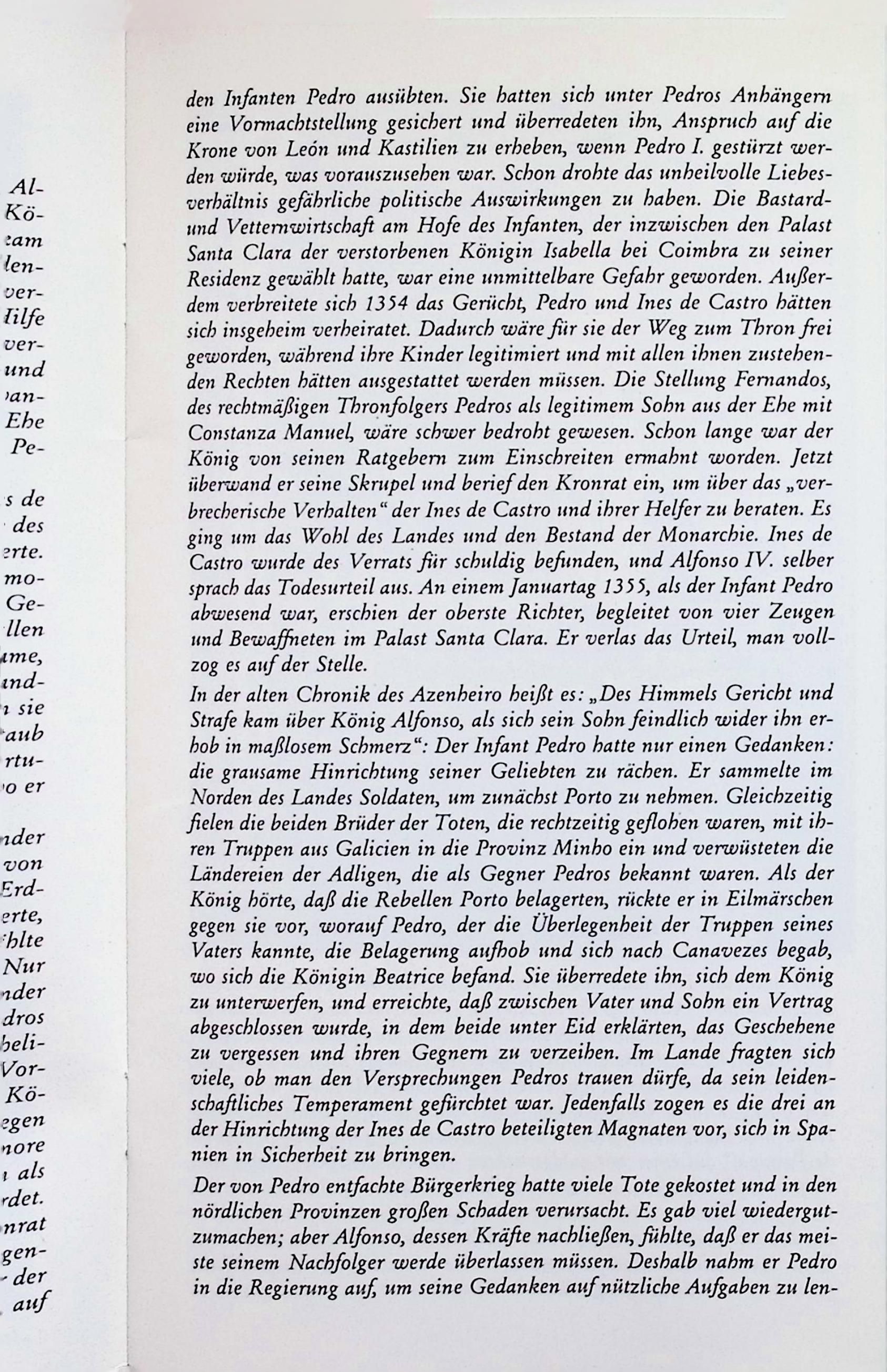
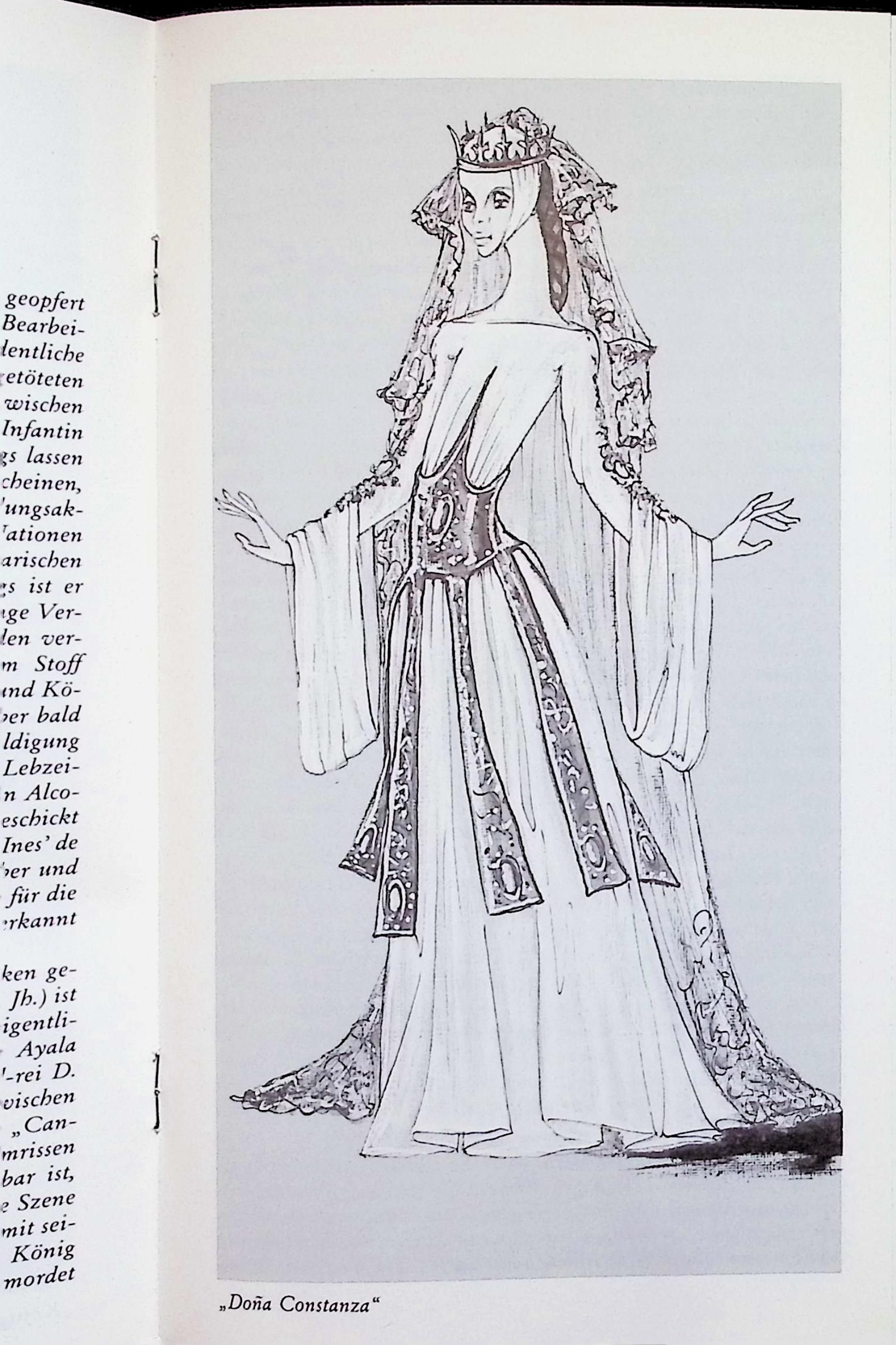
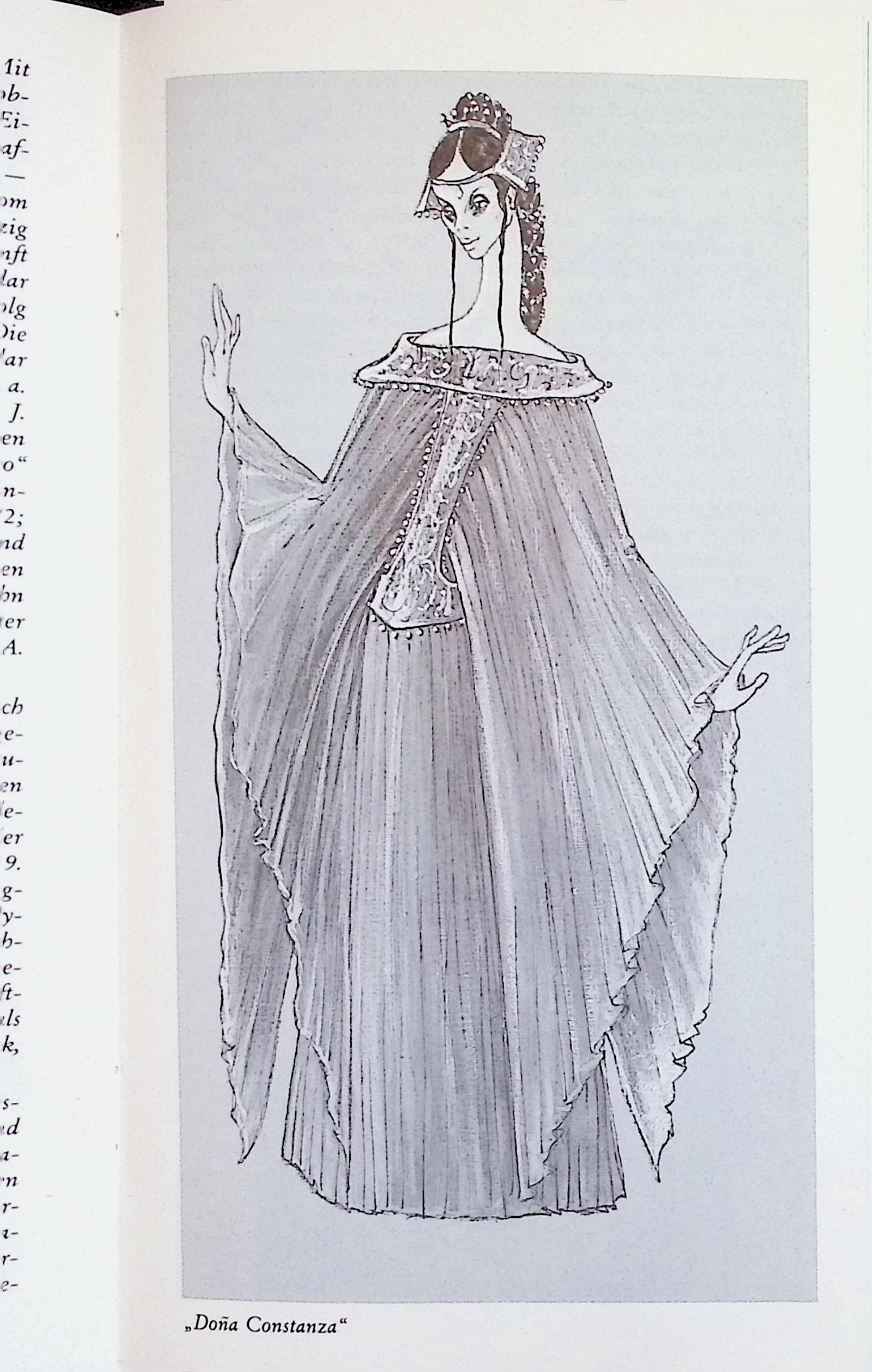
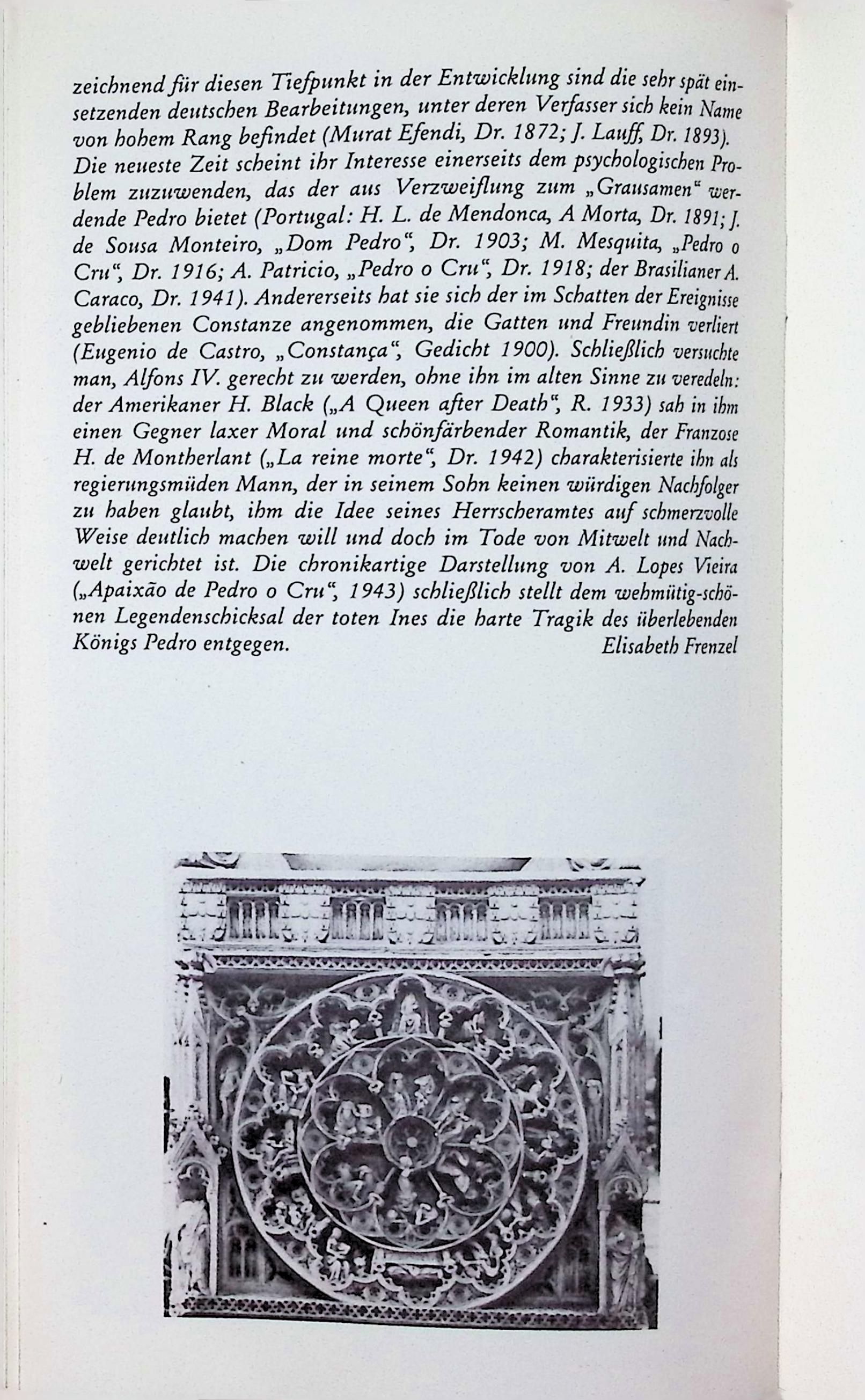
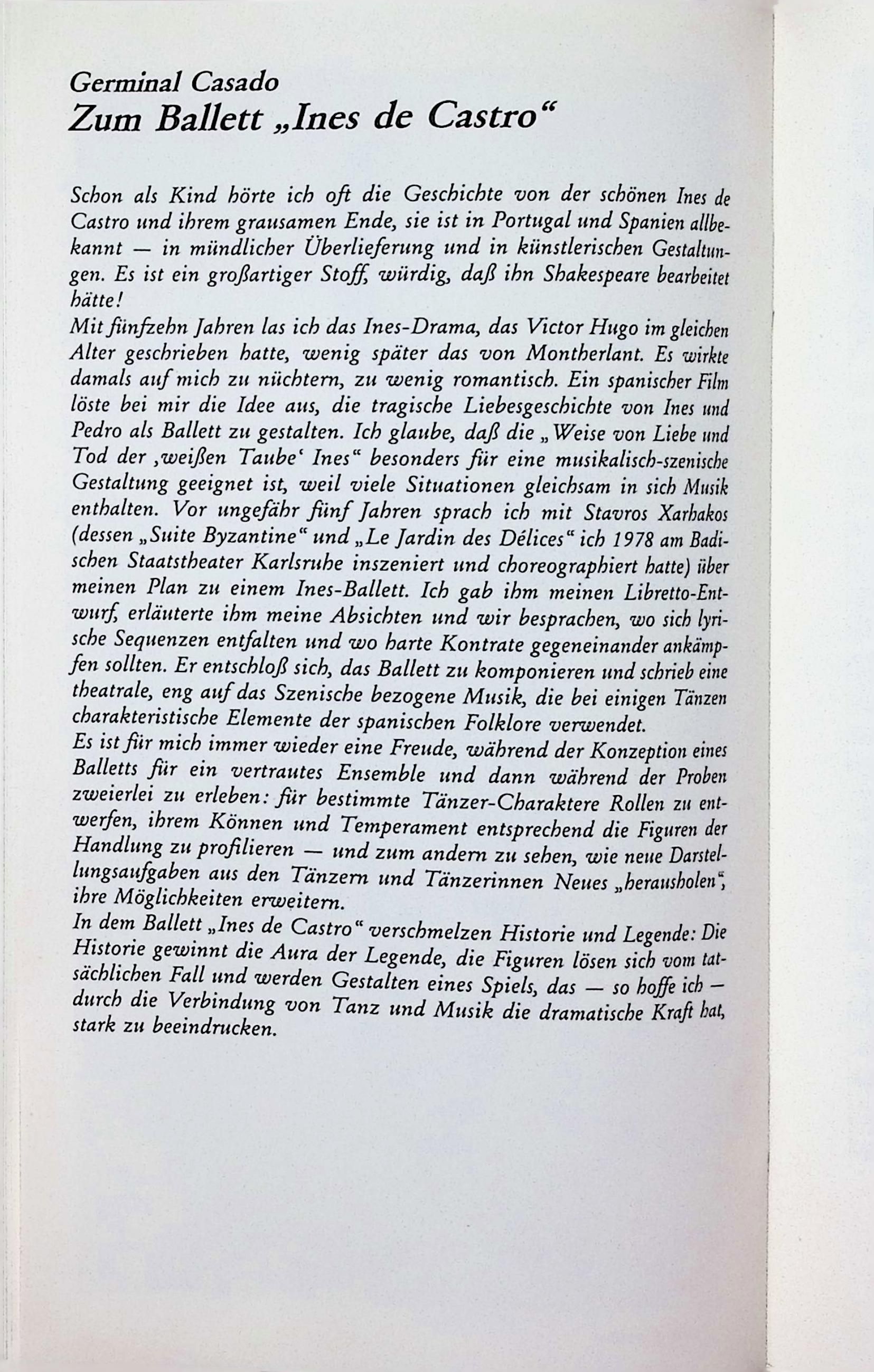
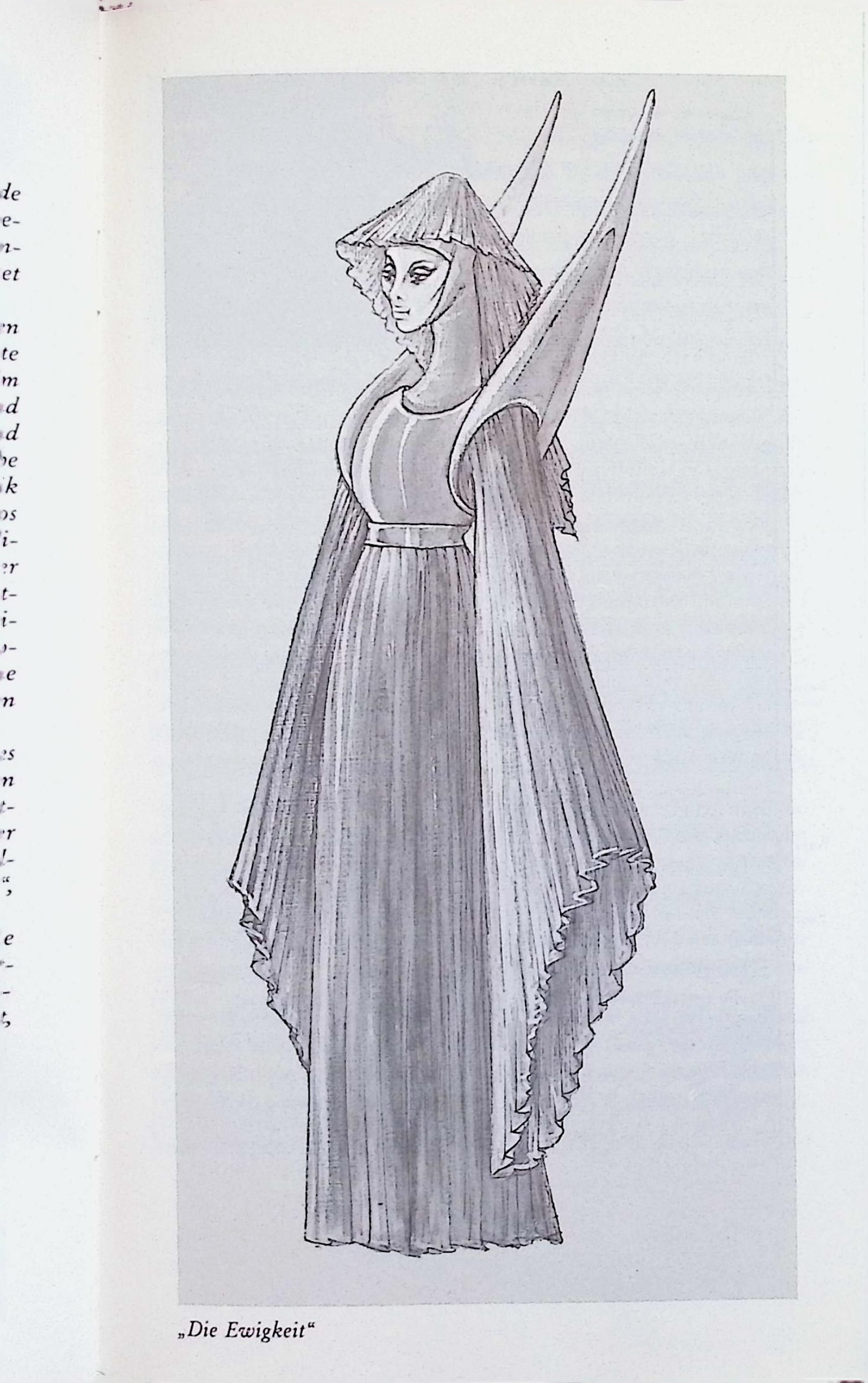
The plot of INES DE CASTRO, information on the contributors, including Stavros Xarchakos, a biographical note, and a score for “The Queen of Alcobaça.”
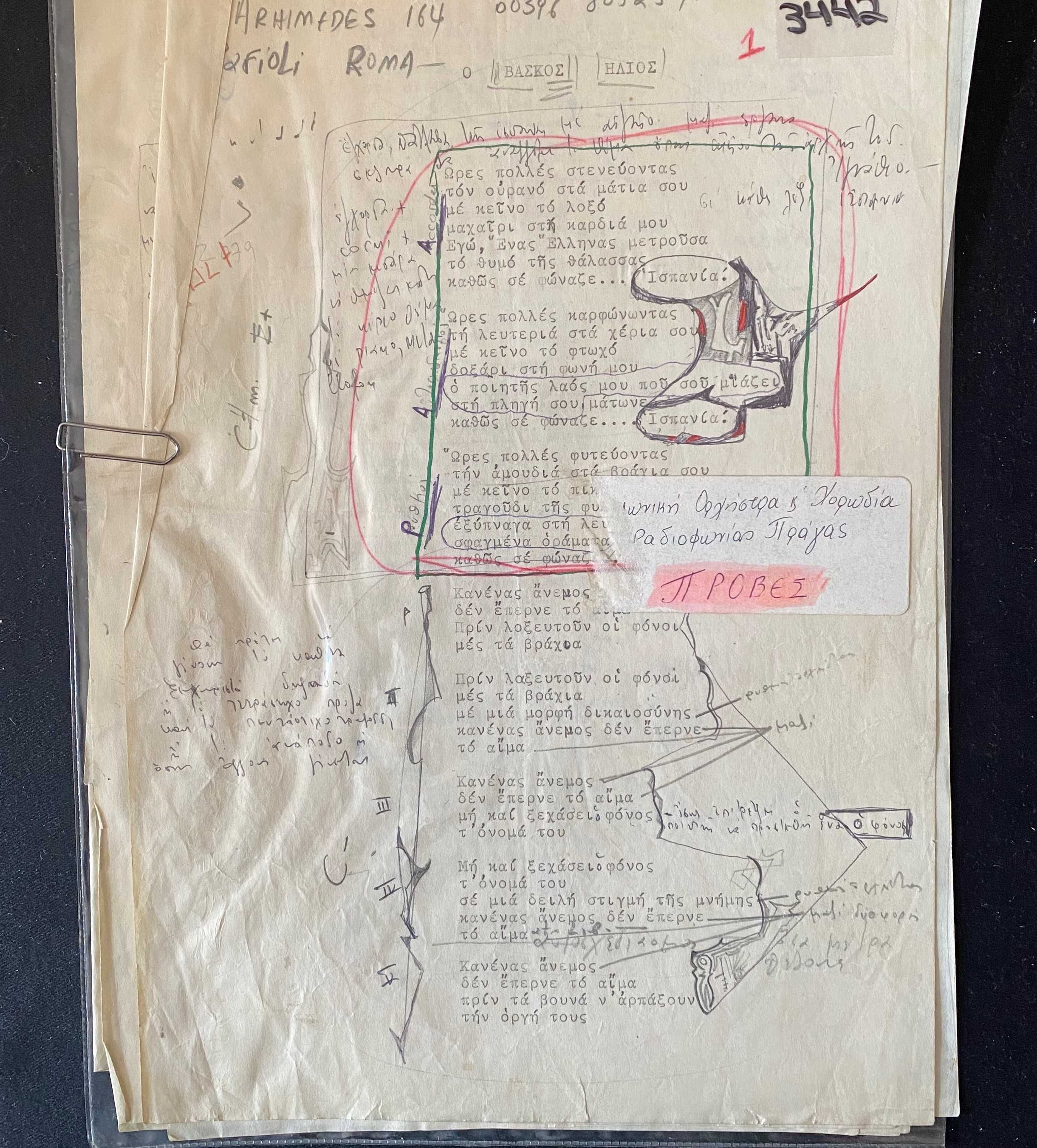
The maestro’s notes on the text, concerning the preparation and rehearsals of the Prague Radio Symphony Orchestra and Choir.
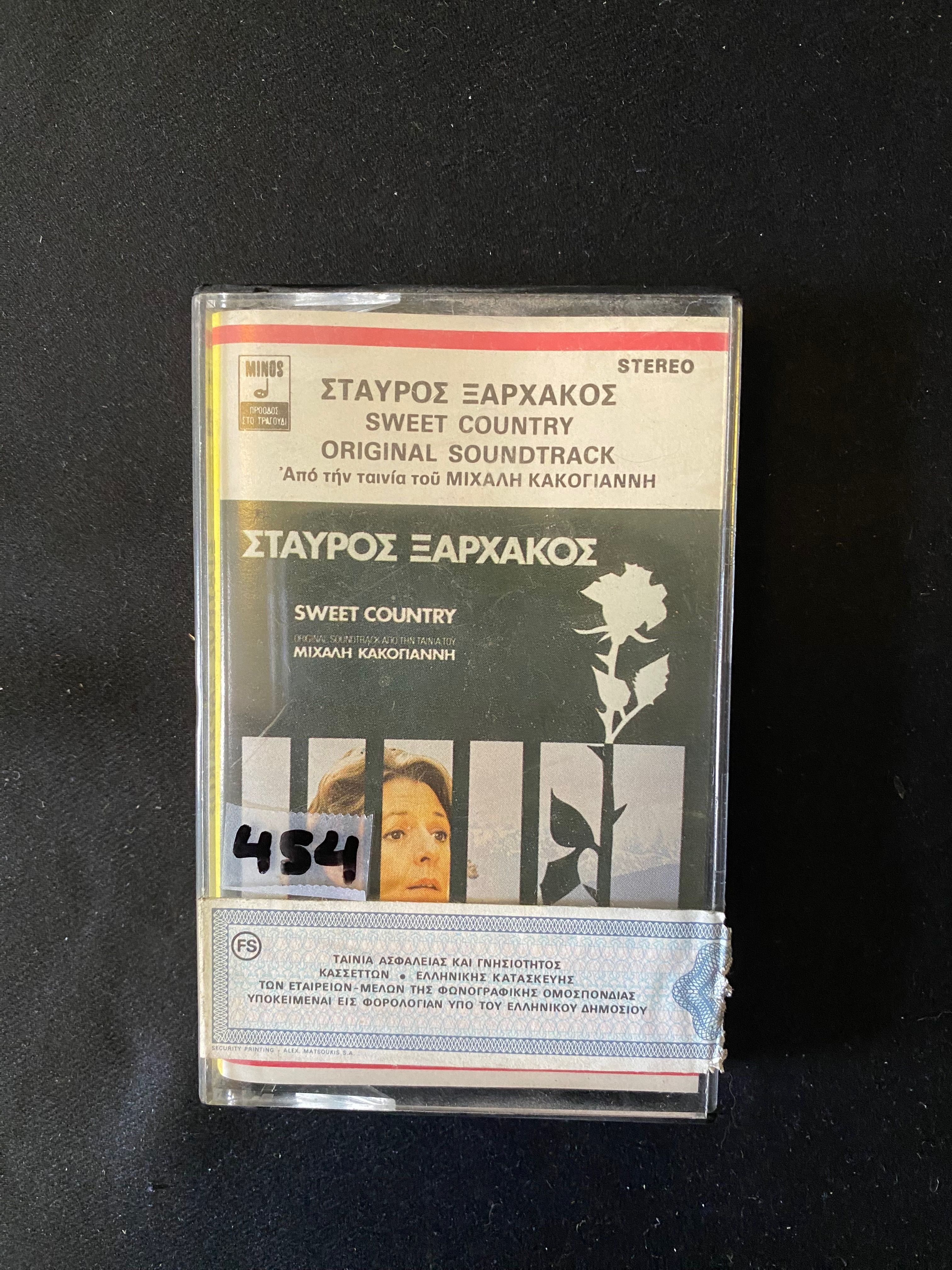
For the film "Sweet Country – Glykeia Patrida" by Michalis Cacoyannis, Stavros Xarchakos composed a symphonic work in the form of a suite, structured in fourteen movements. His music accompanies the film’s socio-political drama with intensity and sensitivity, illuminating the conflicts between power, faith, and human dignity. Moving between symphonic and lyrical styles, he creates an atmosphere of moral confrontation and profound emotion. The album was released by MINOS and stands as one of the composer’s most distinctive works on the international stage. U.S. production, 1987
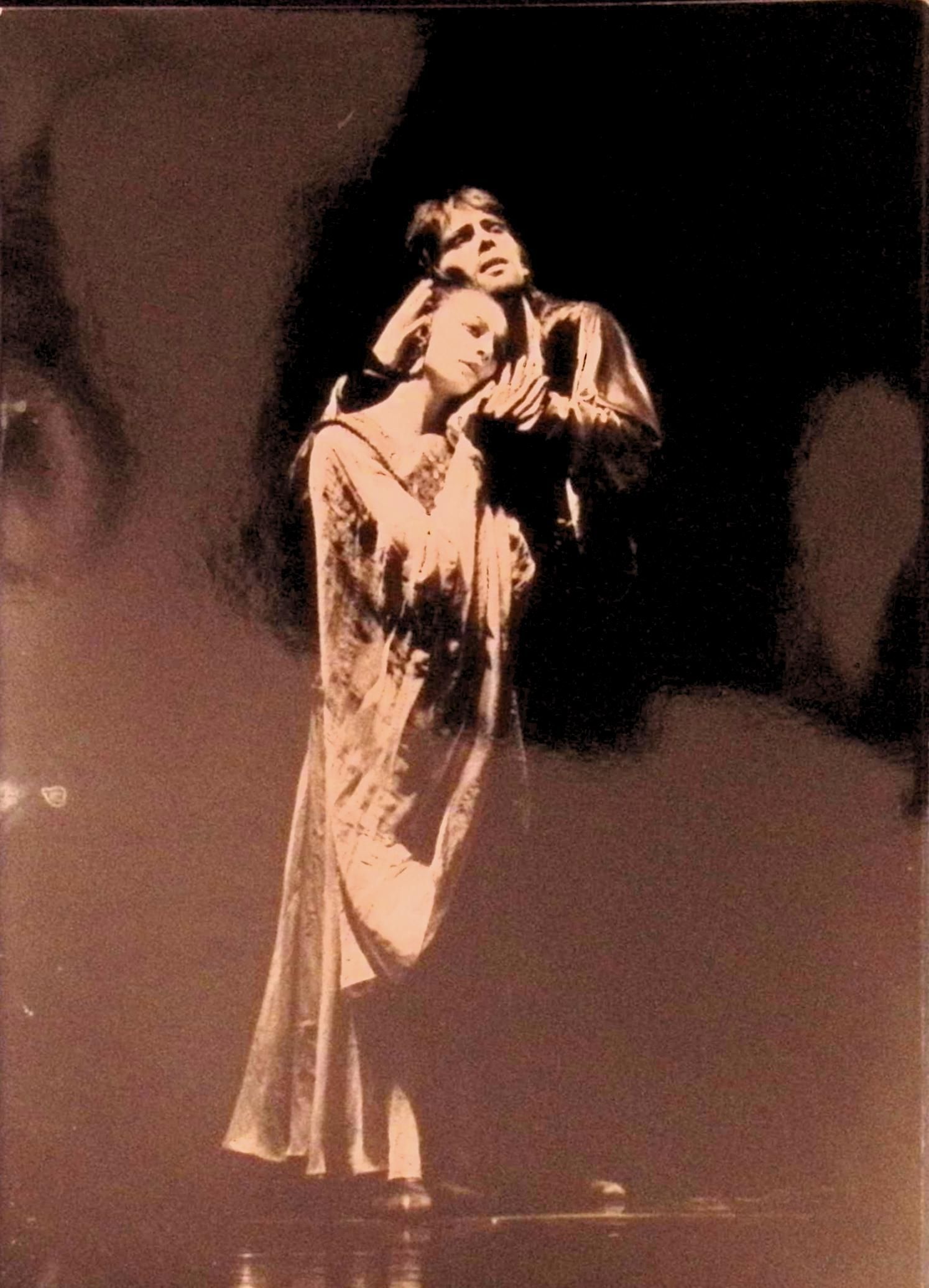
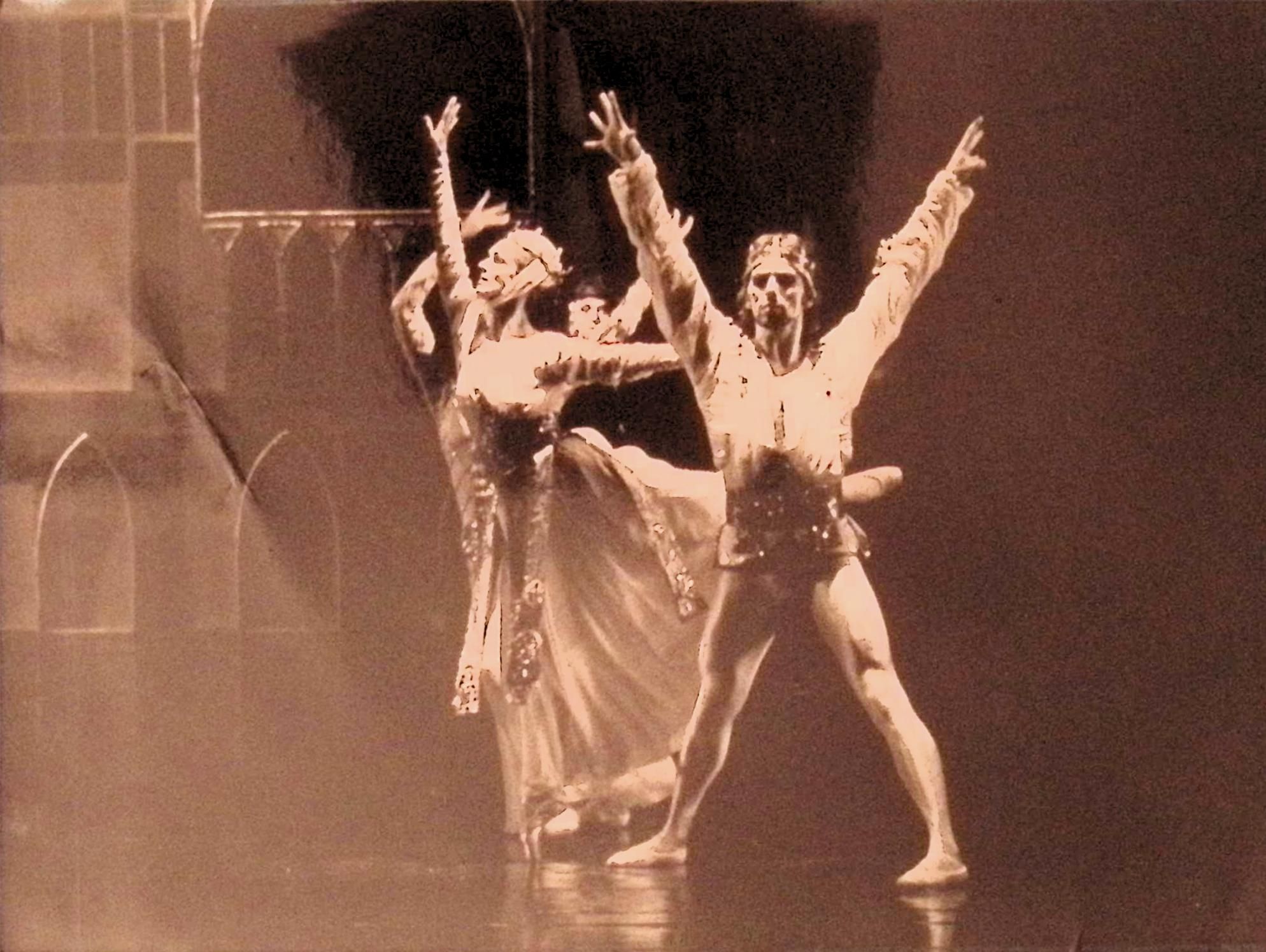
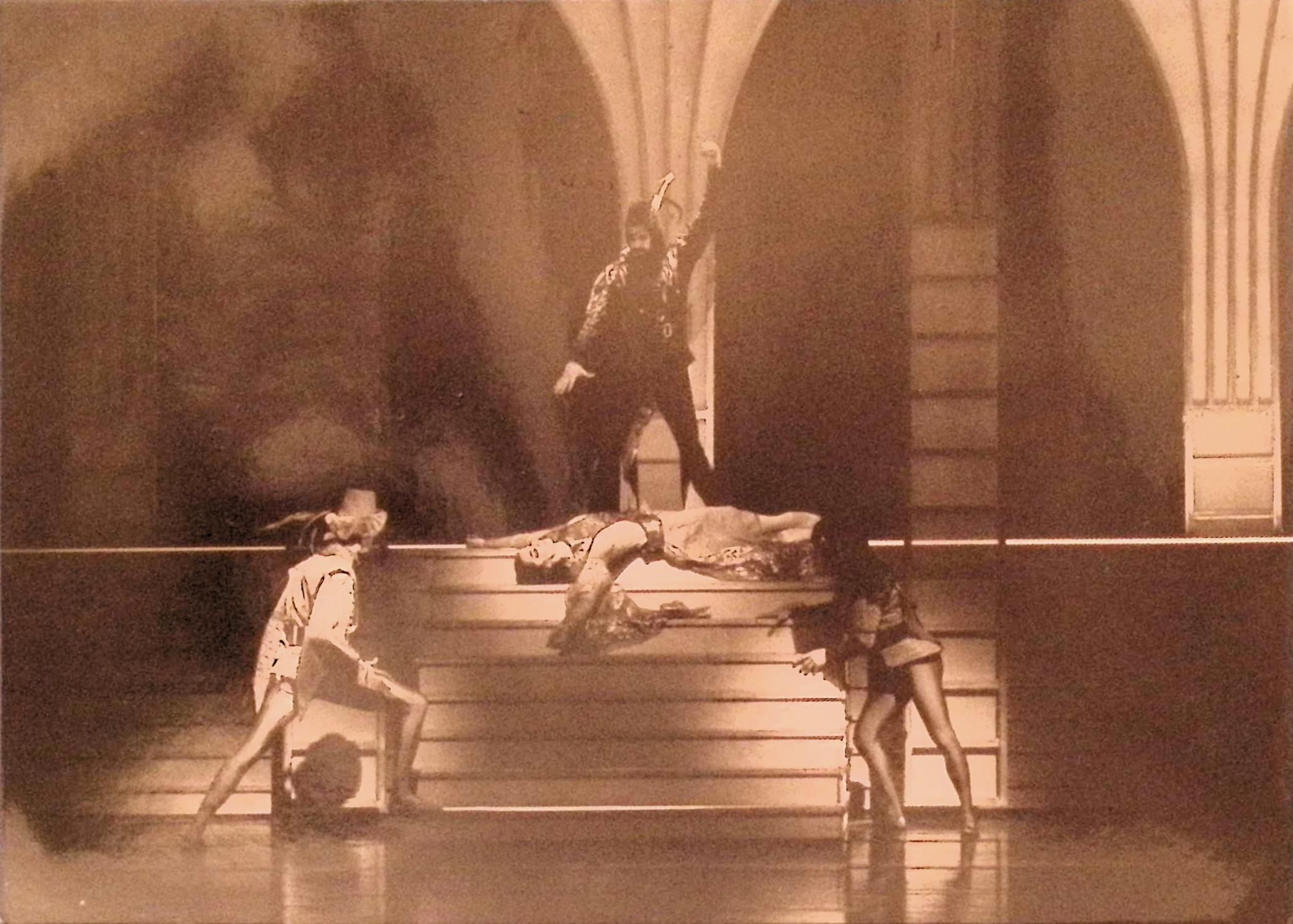
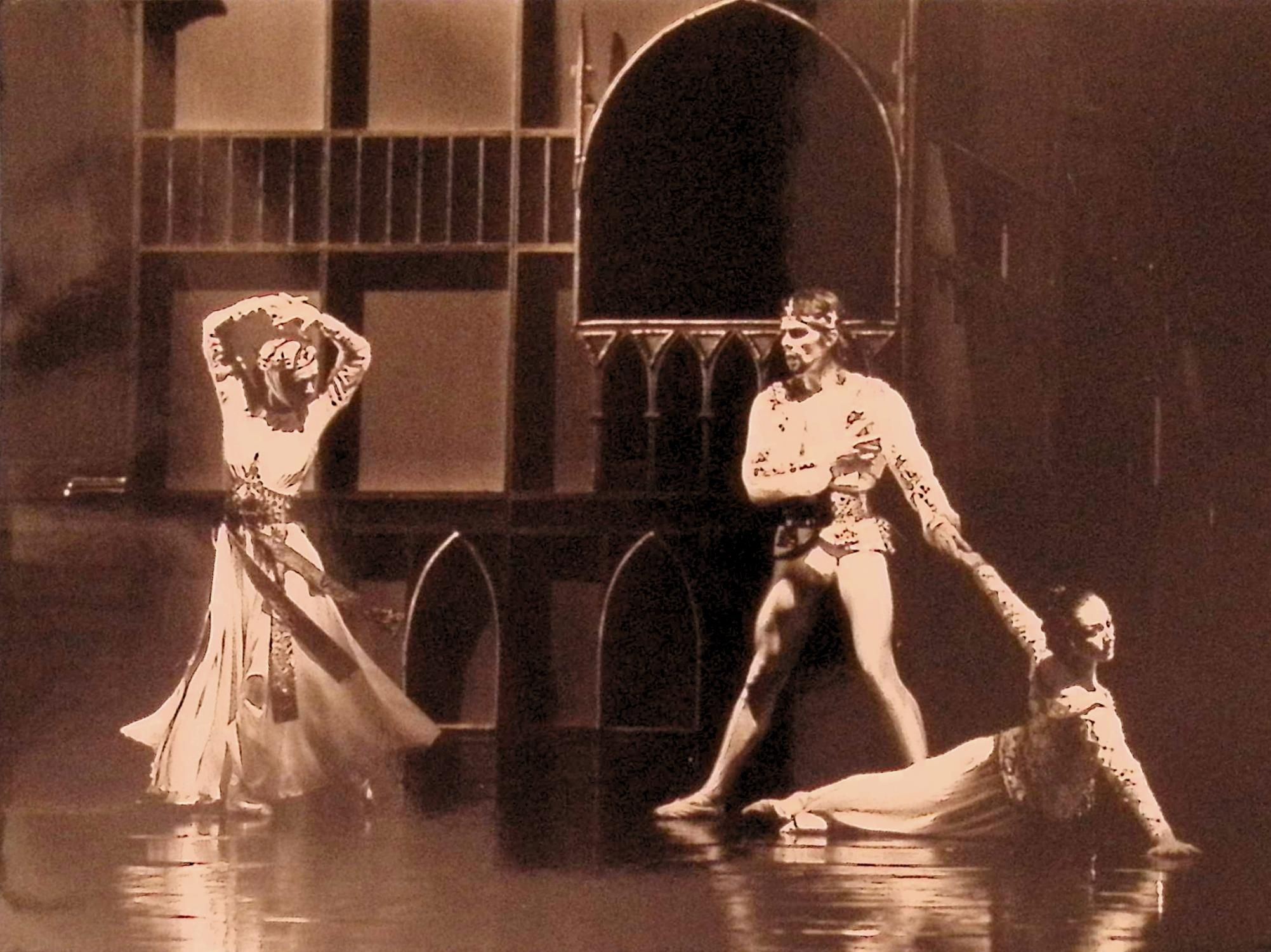
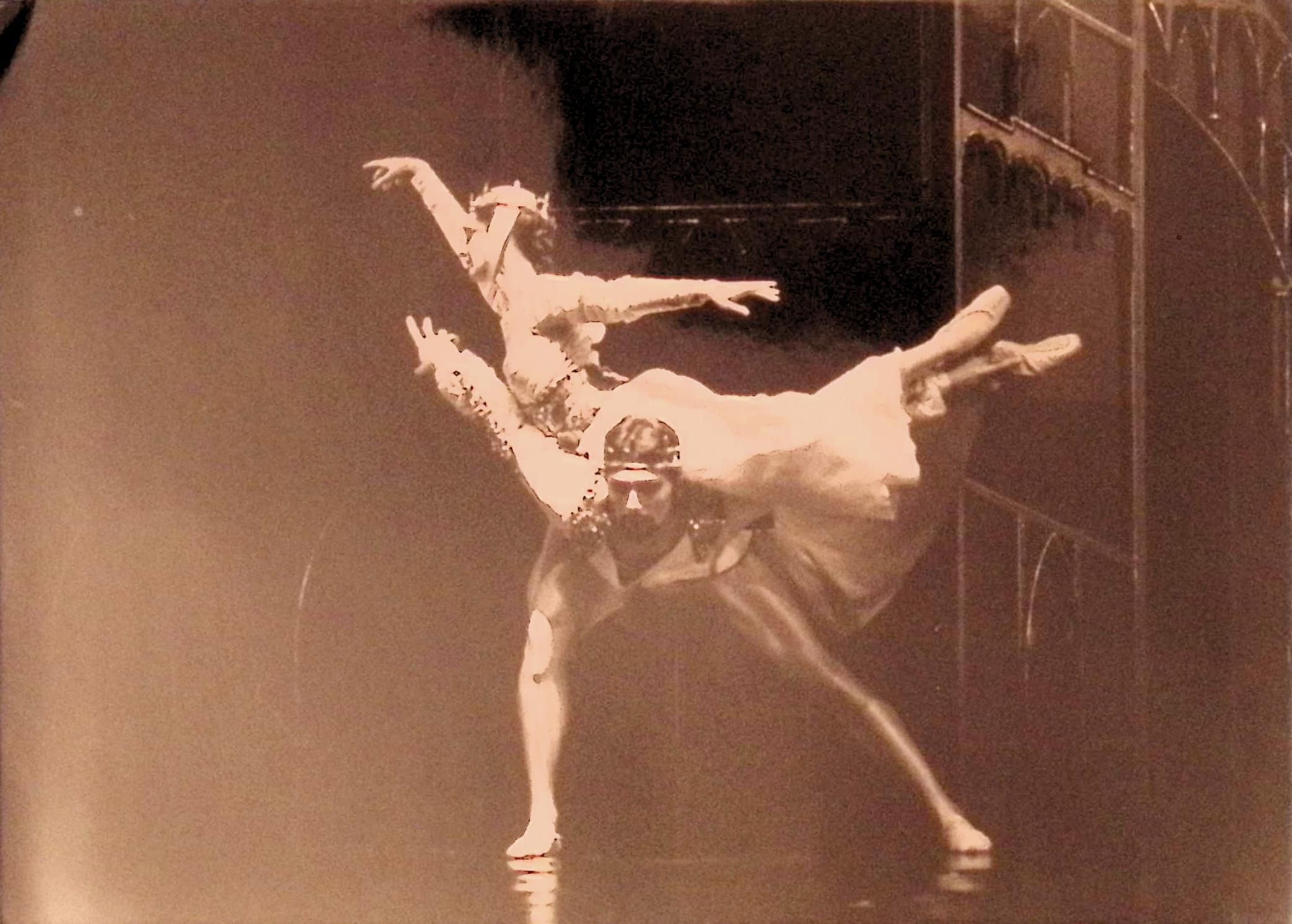
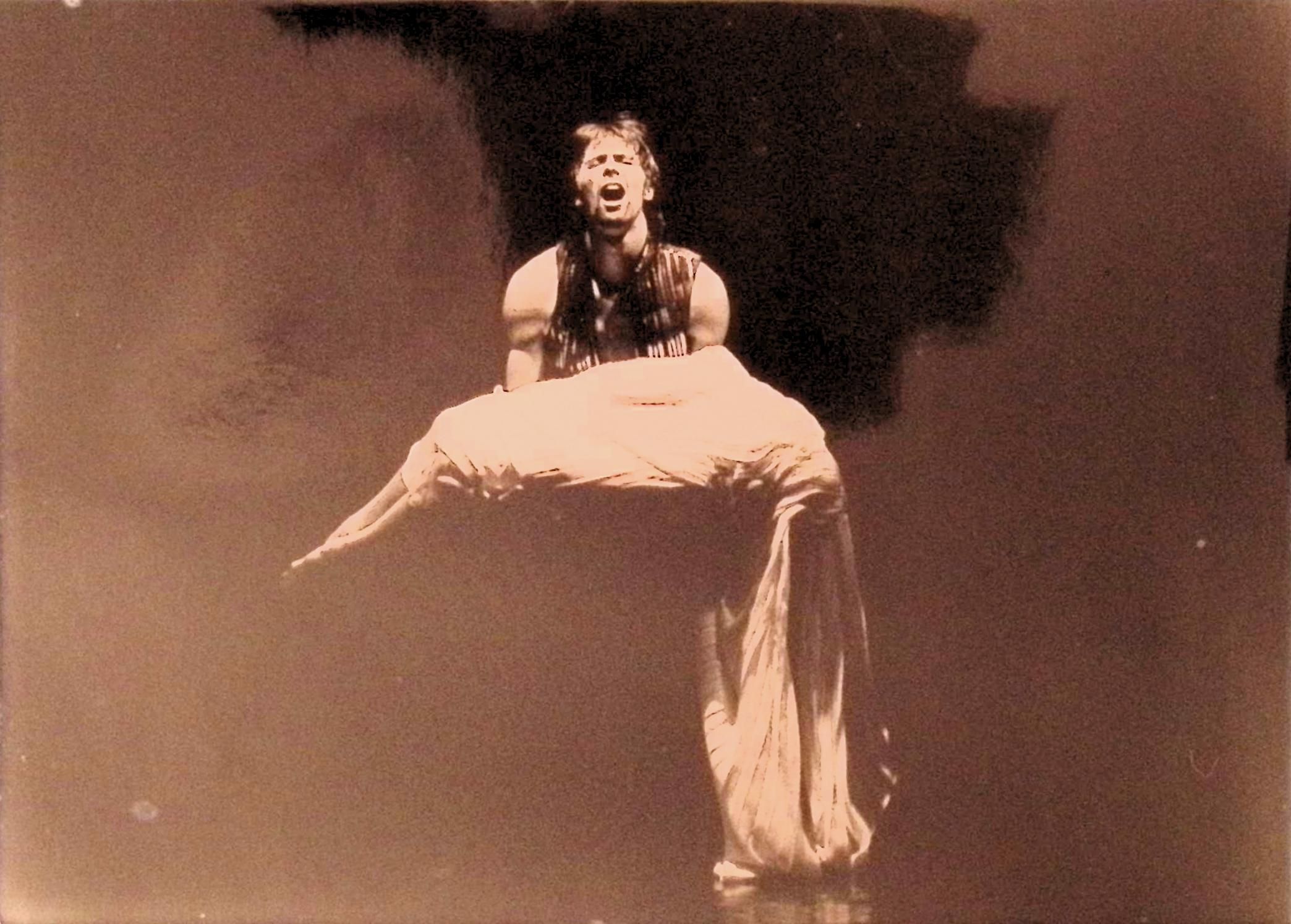
Photographic snapshots capturing scenes and the atmosphere of the performance.
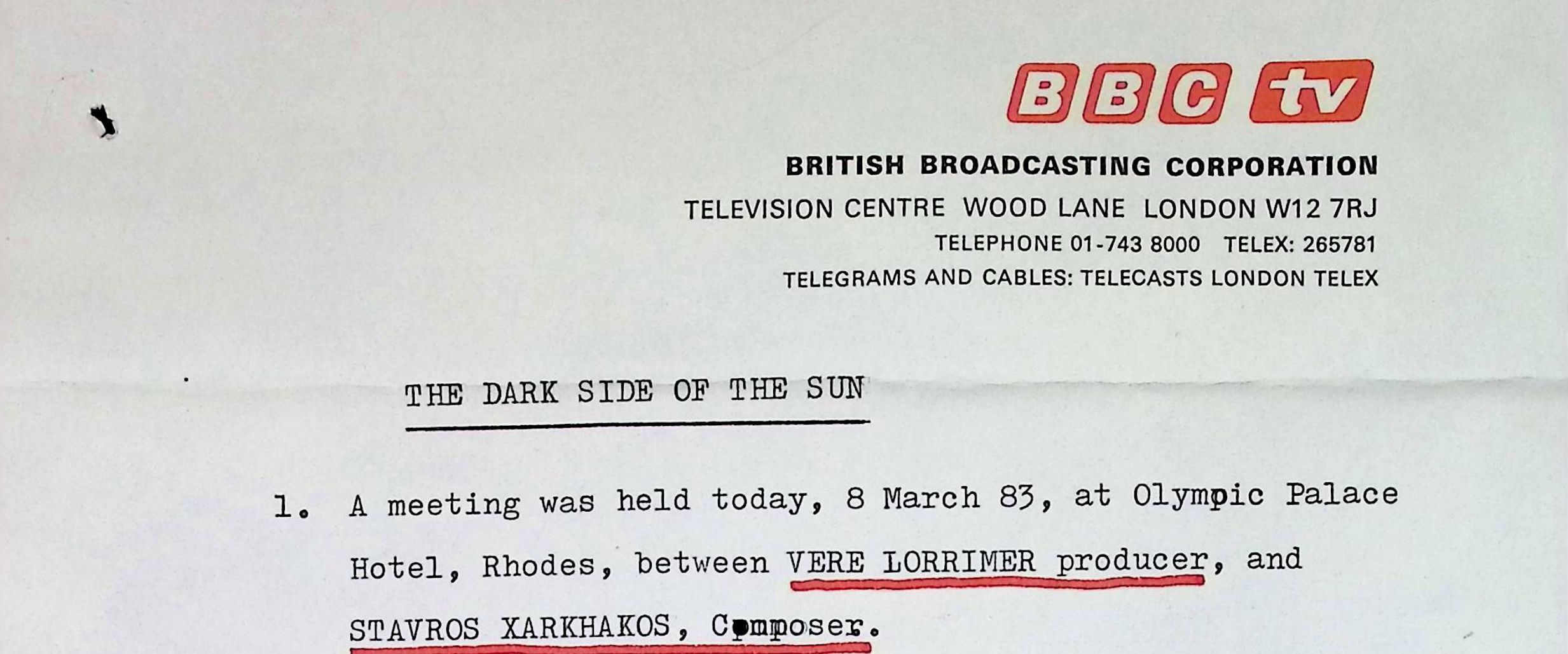
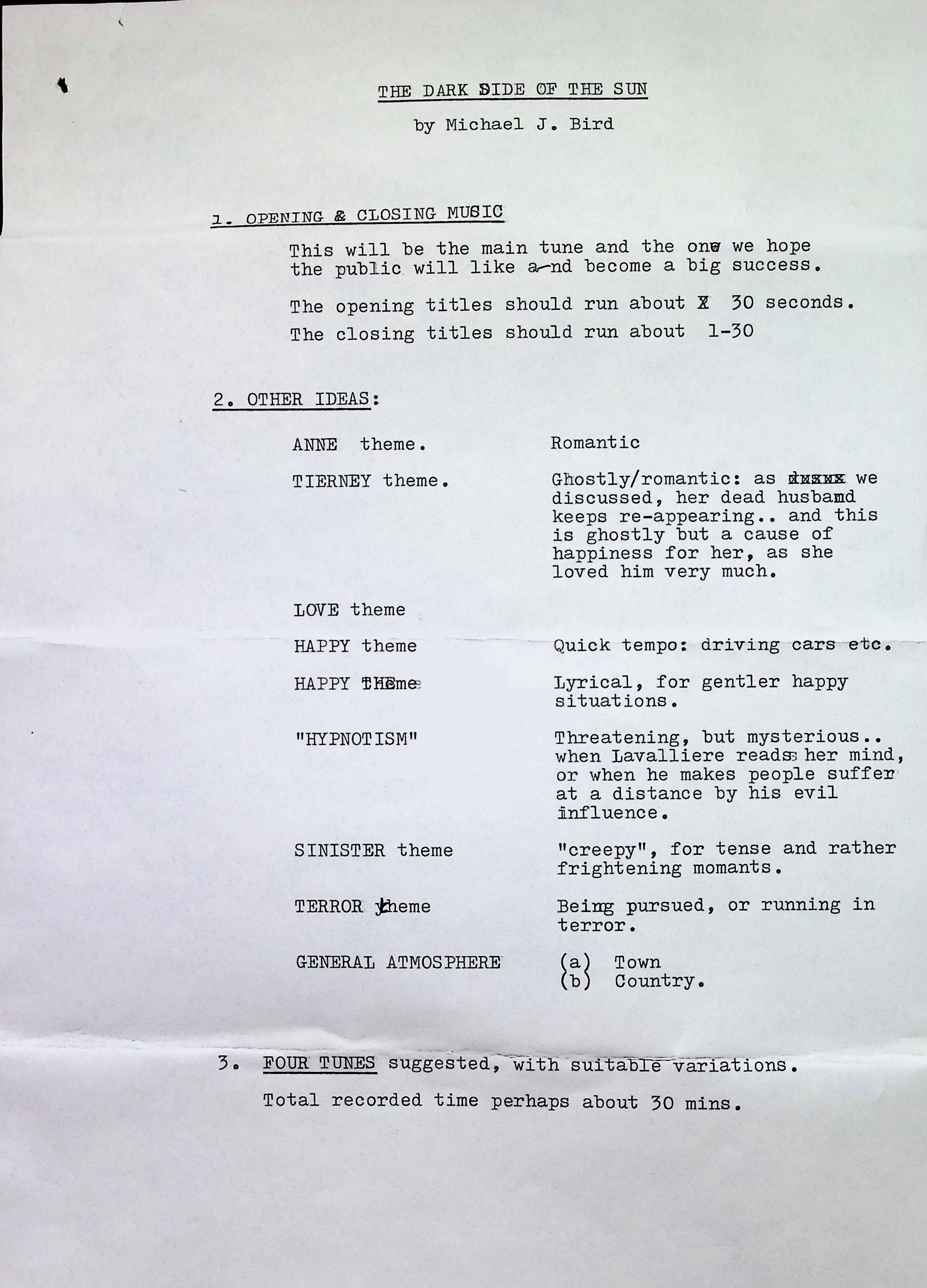
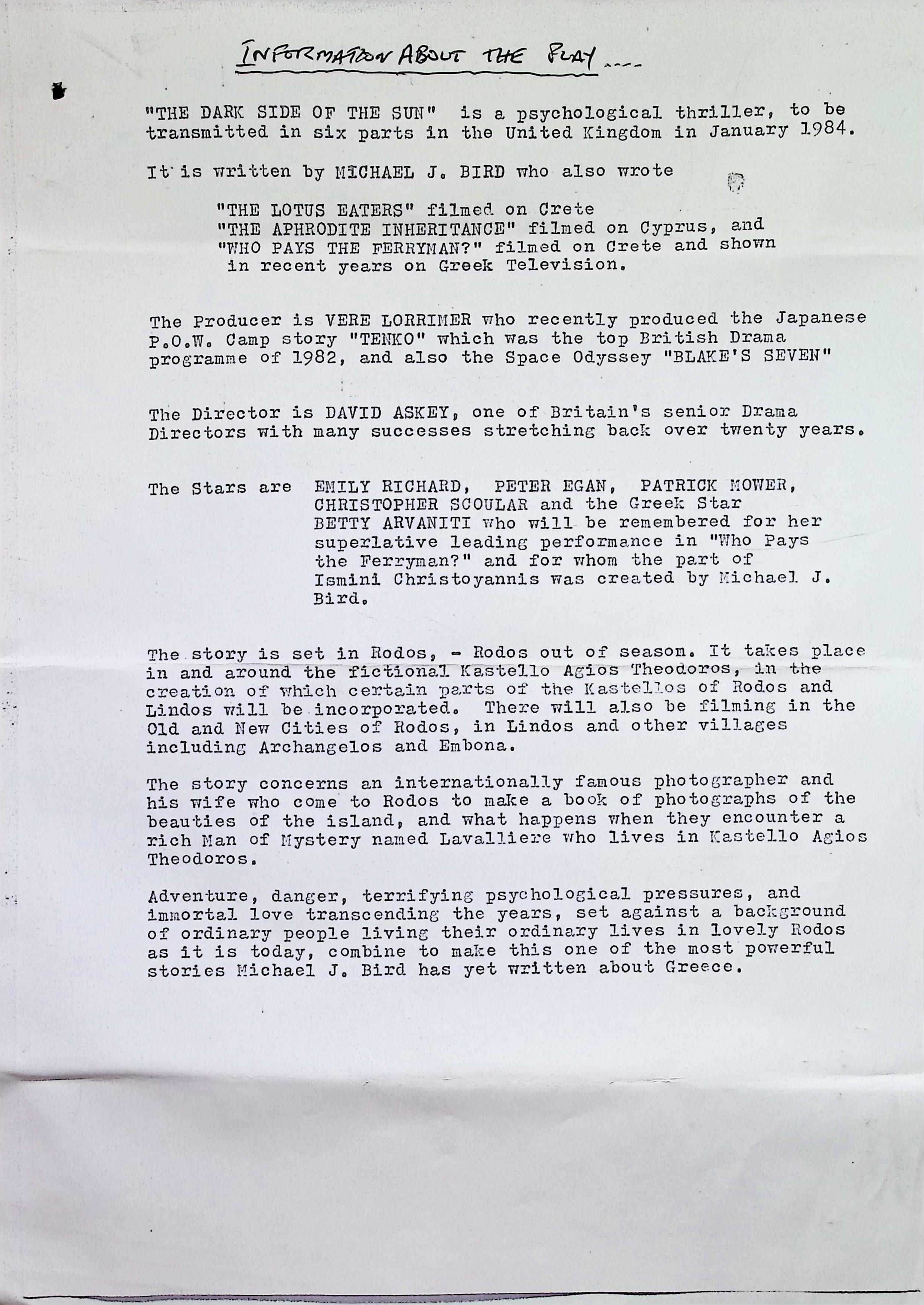
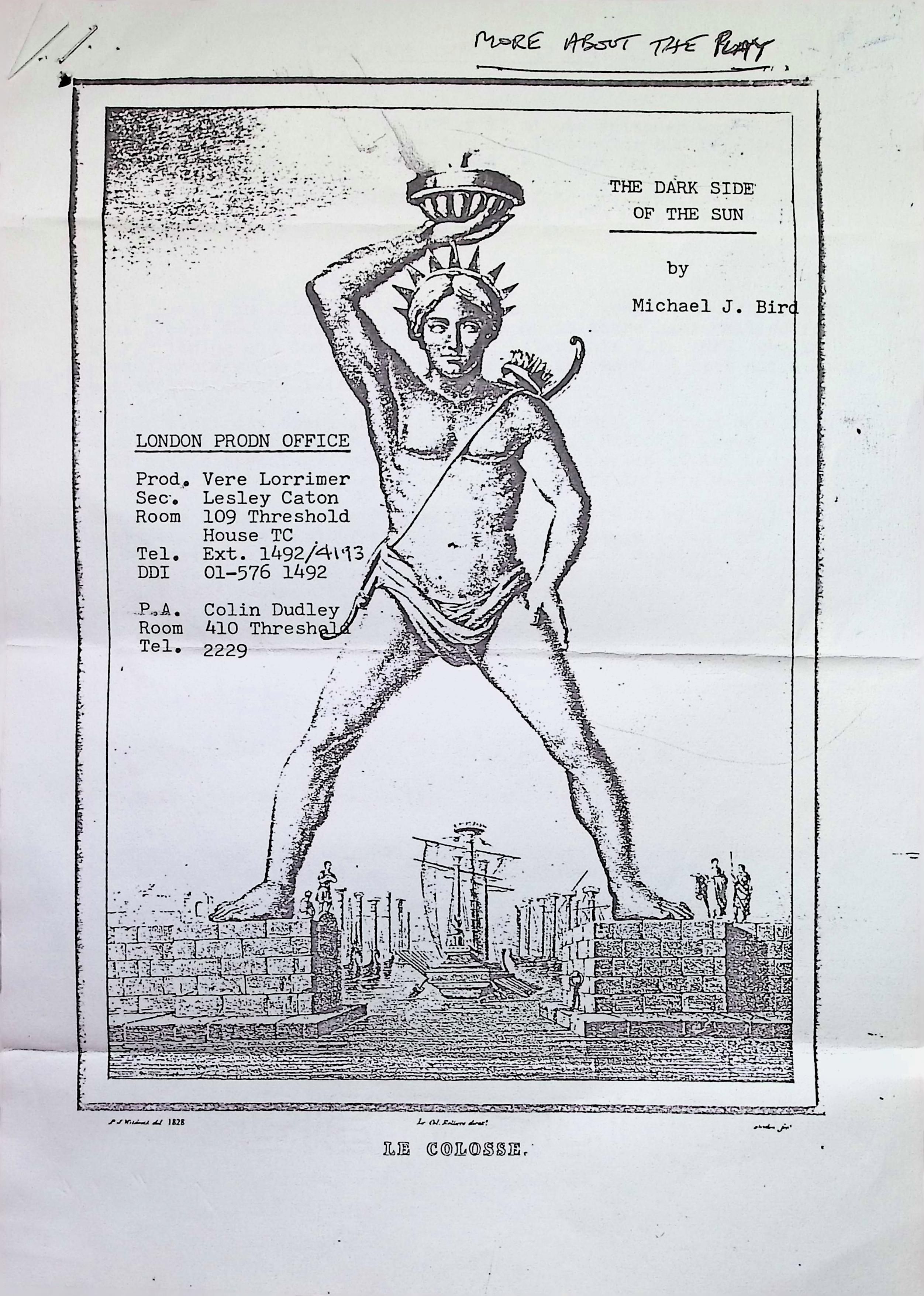
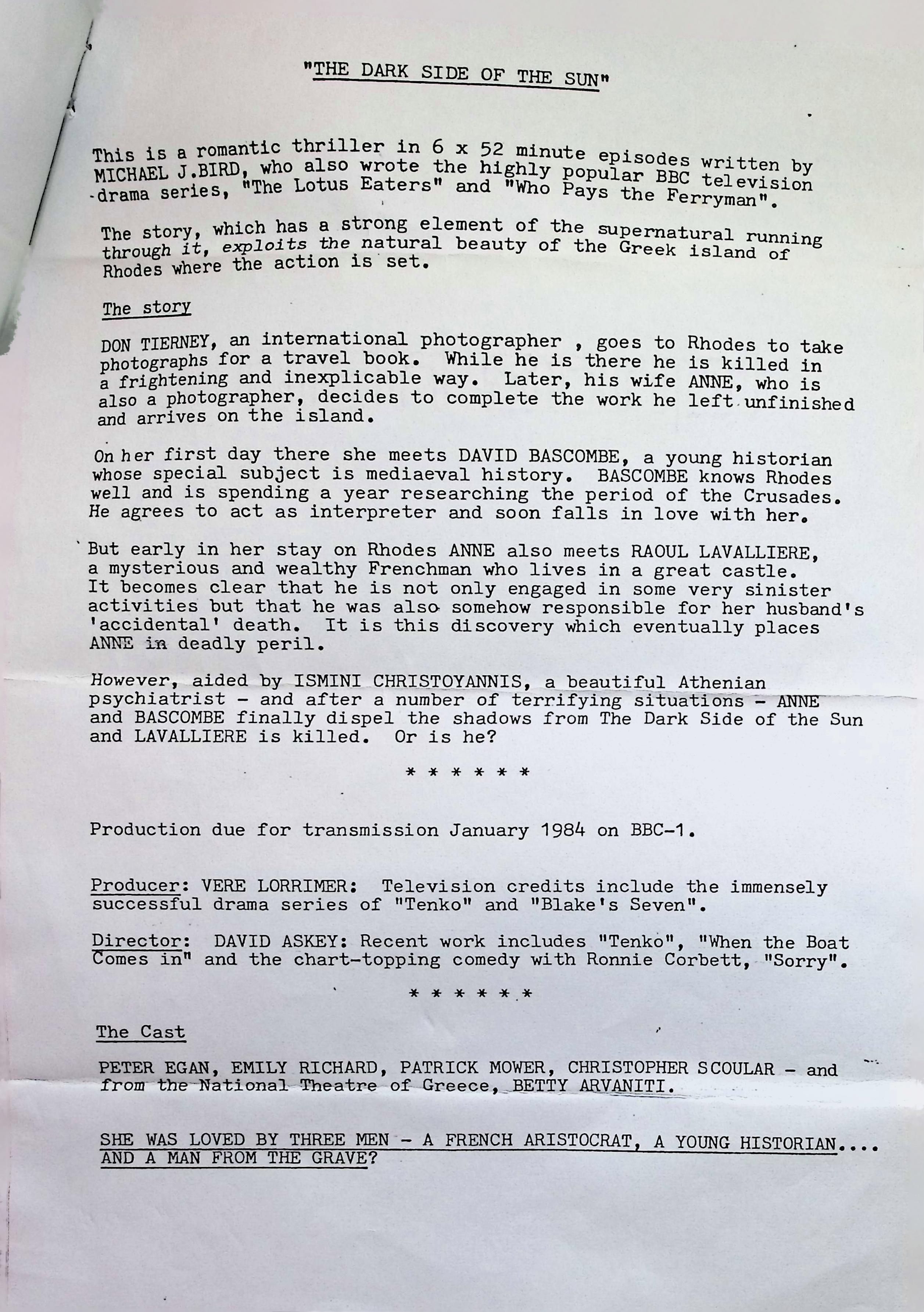
Excerpt from the proceedings of the meeting between the producer of the BBC series "The Dark Side of the Sun" and Stavros Xarchakos, who was commissioned to compose the music for the series. Fourteen orchestral pieces were created, featuring bouzouki, violins, and percussion, with beautiful melodies and symbolic undertones.
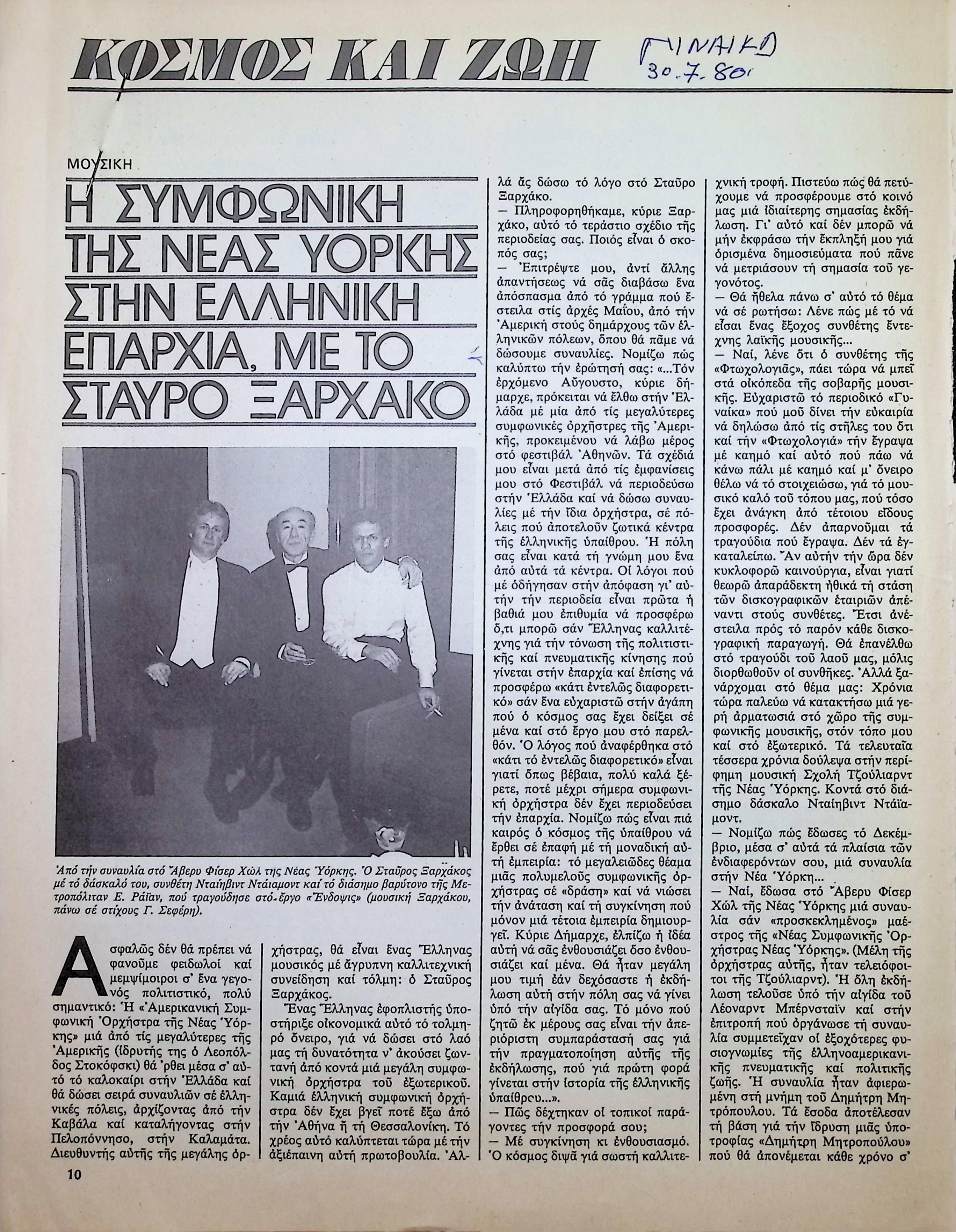
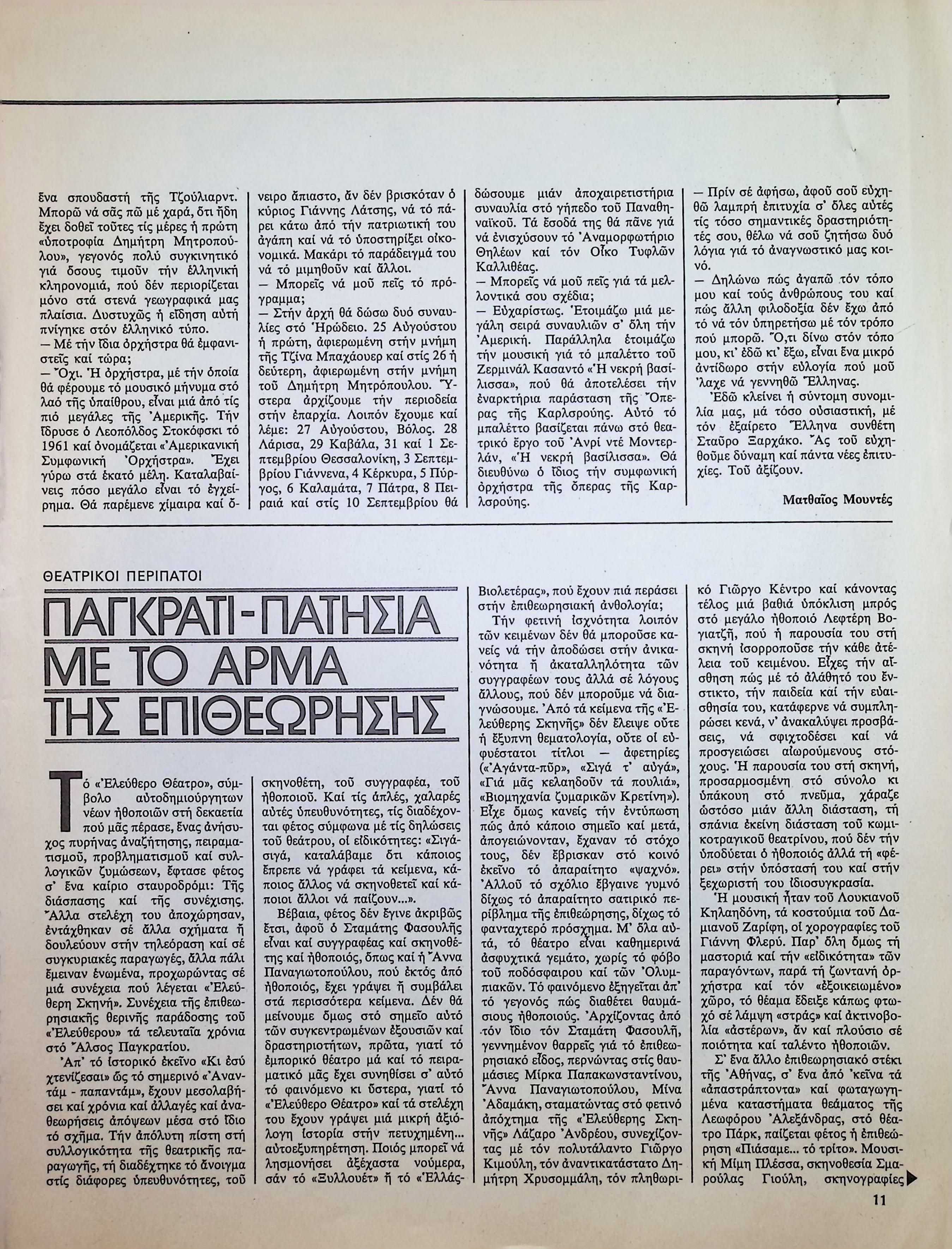
In the interview published in "Gynaika" magazine (1980), there are details about the tour of the New York Symphony across various cities in Greece, as well as some personal views expressed by Stavros Xarchakos regarding his works. He characteristically states: "I wrote ‘Ftochologia‘ with sorrow, and with the same sorrow and with a dream I also enter the realm of symphonic music.”
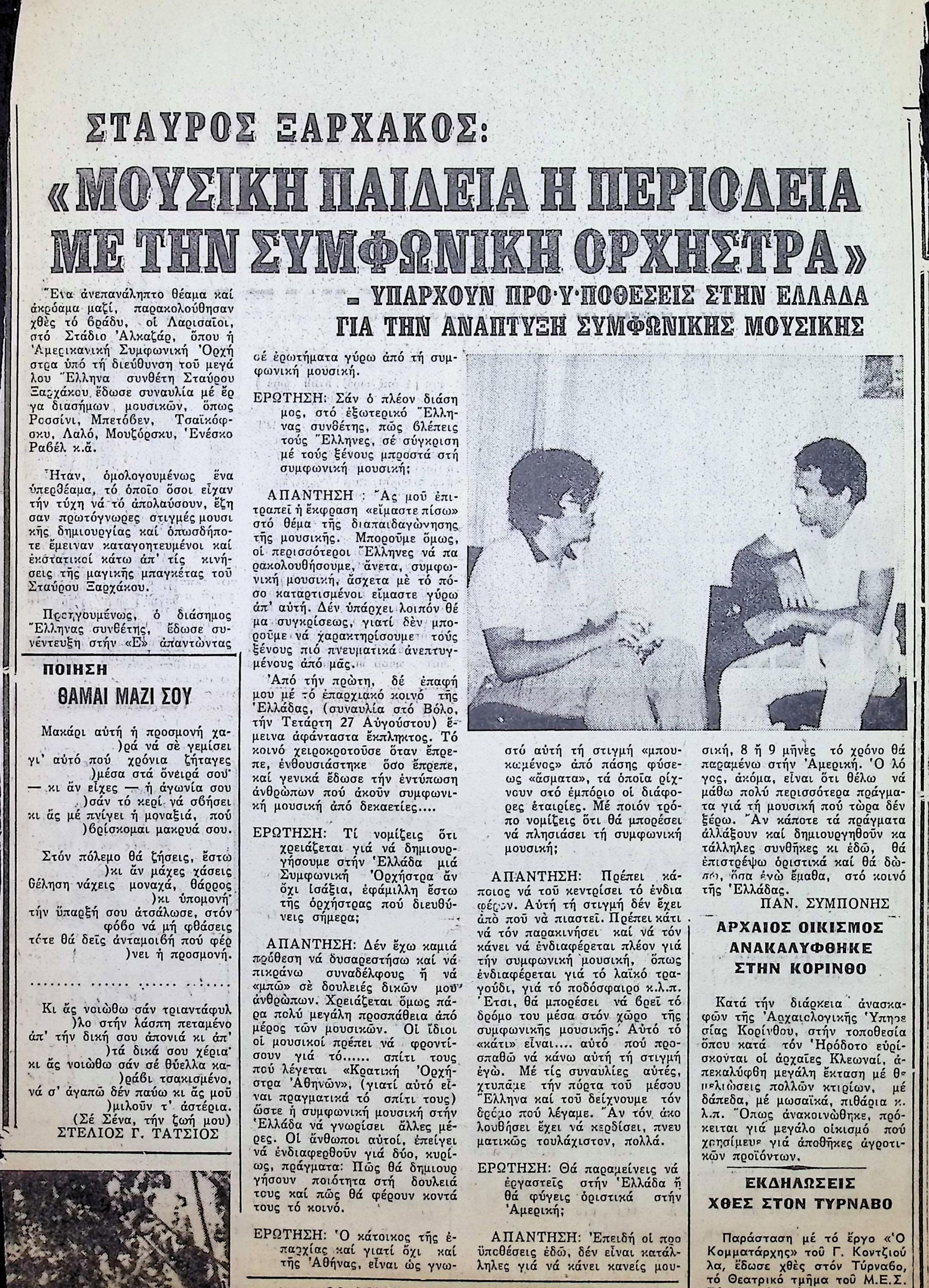
Are Greeks ready for symphonic music? In a particularly insightful article on music education and symphonic music in Greece, Stavros Xarchakos, drawing from his experience with audiences in the provinces, expresses a positive view. The audience applauds when it should, becomes enthusiastic when it should… giving the impression of people who have been listening to symphonic music for decades. What remains is for the musicians themselves to take a serious interest and reach out to the audience!
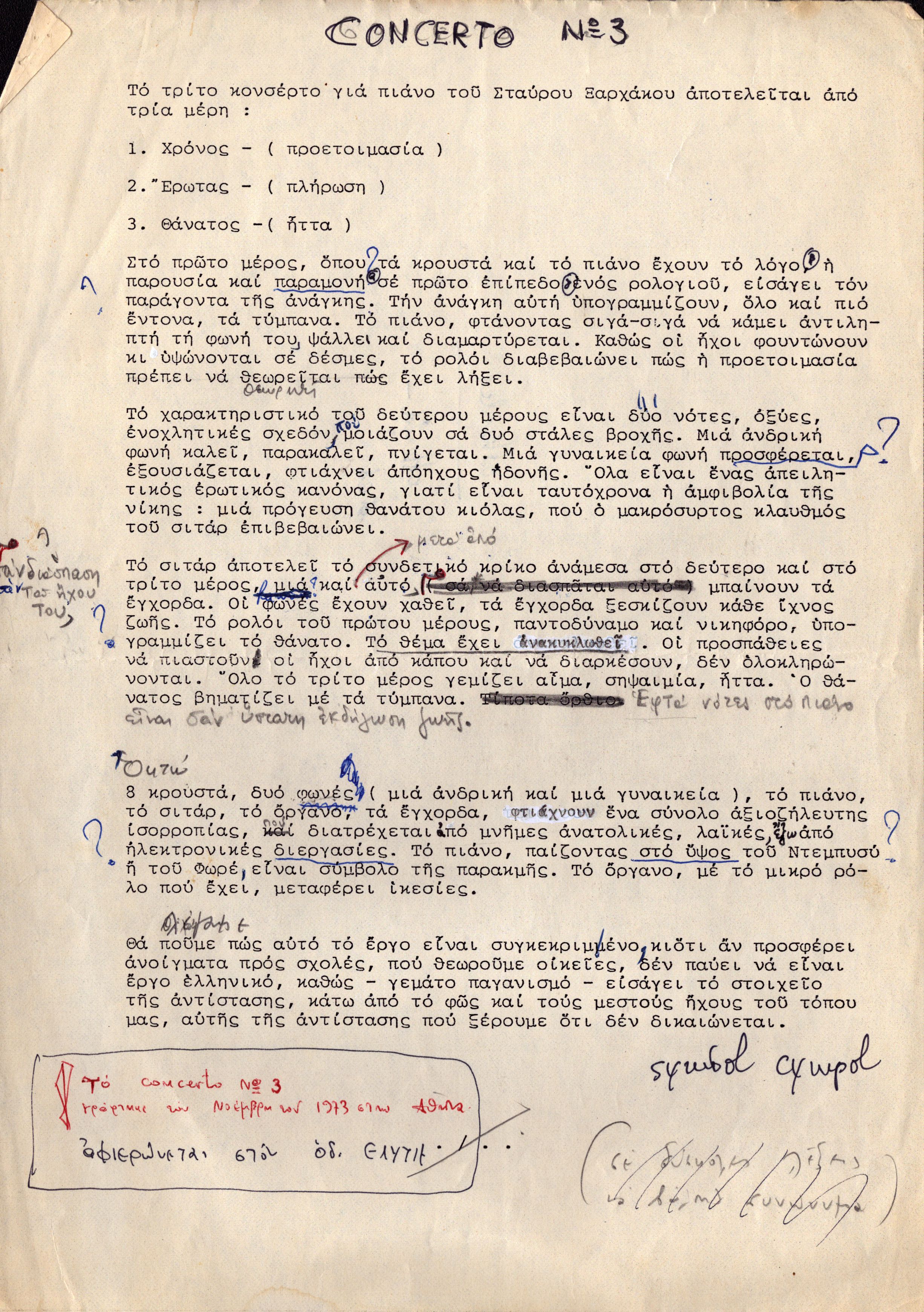
Preliminary draft of structure and orchestration topics, with handwritten notes. Work written in Athens in November 1973, dedicated to Od. Elytis. The 3rd piano concerto is structured in three parts: preparation, fulfillment, defeat. Powerful words give meaning to inspiration and creation! "A Greek work, born of the light and rich sounds of our land."
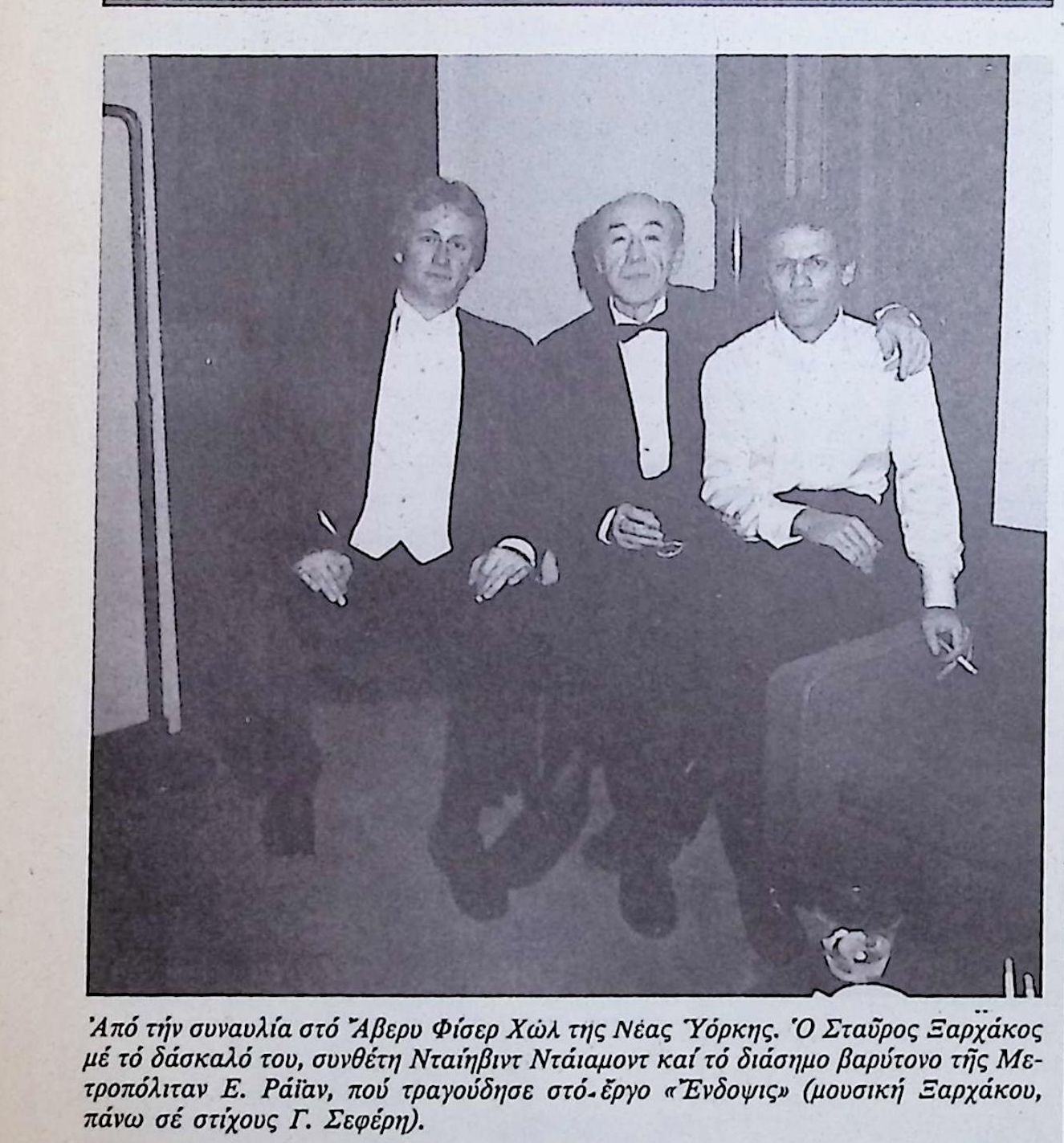
“Endopsis” is a symphonic work for baritone and orchestra. “Endopsi” – Introspection is a brief “symphonic invocation” based on a poem by Giorgos Seferis, acquiring the radiance of a masterful musical setting. Metropolitan Opera baritone Ryan Edwards was the soloist in both the American and European premieres of the symphonic work, conducted by the composer himself, Stavros Xarchakos.
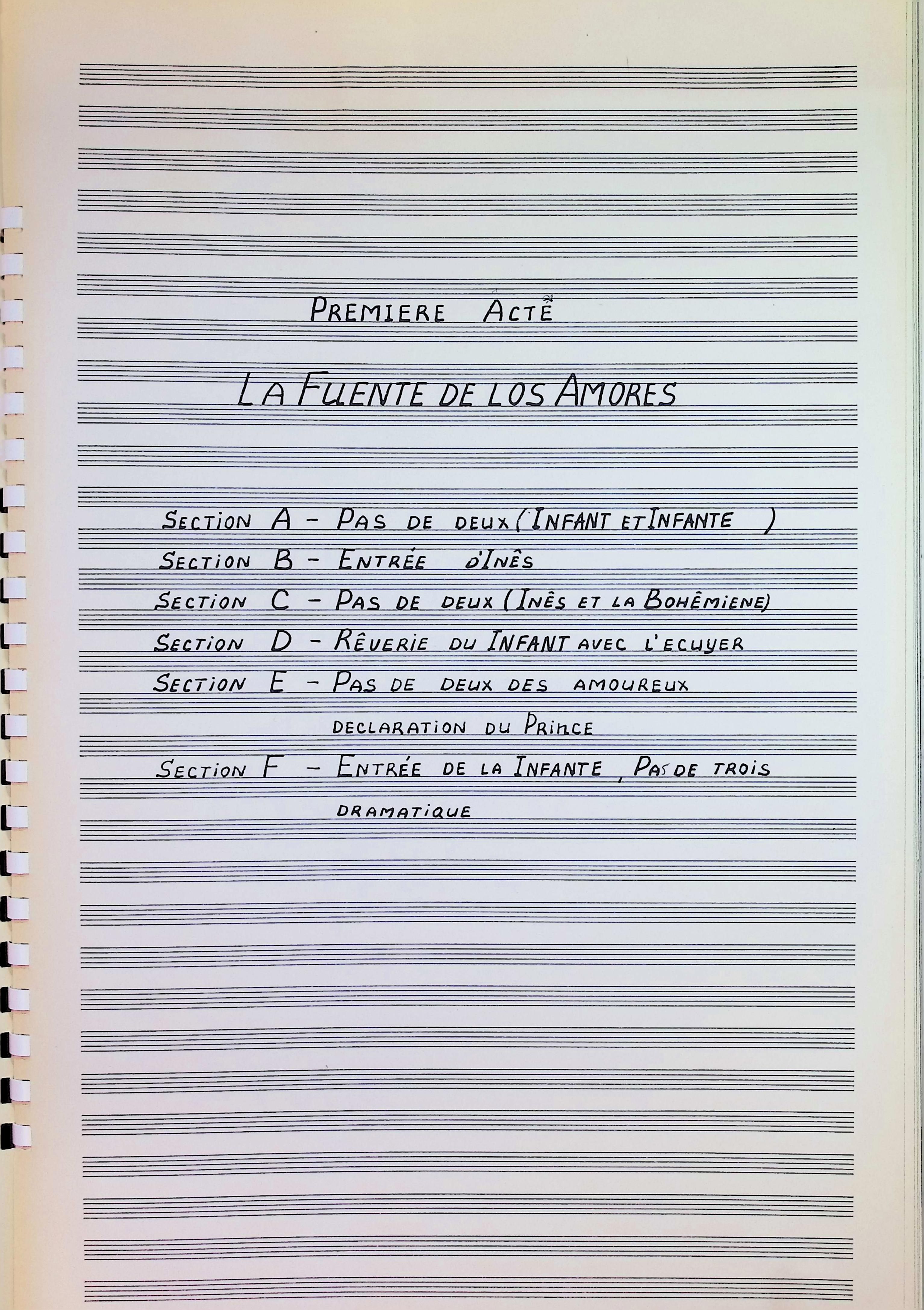
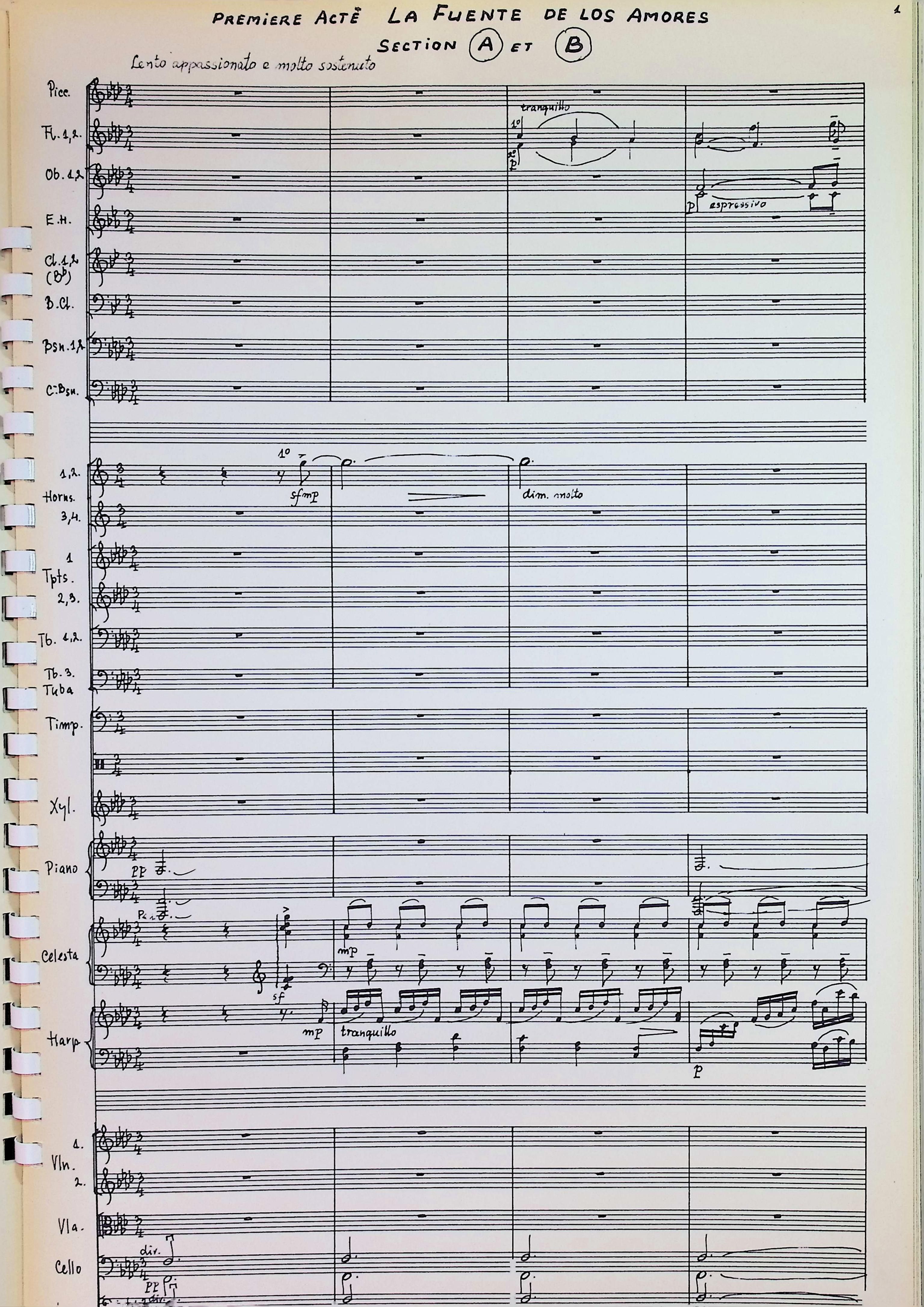
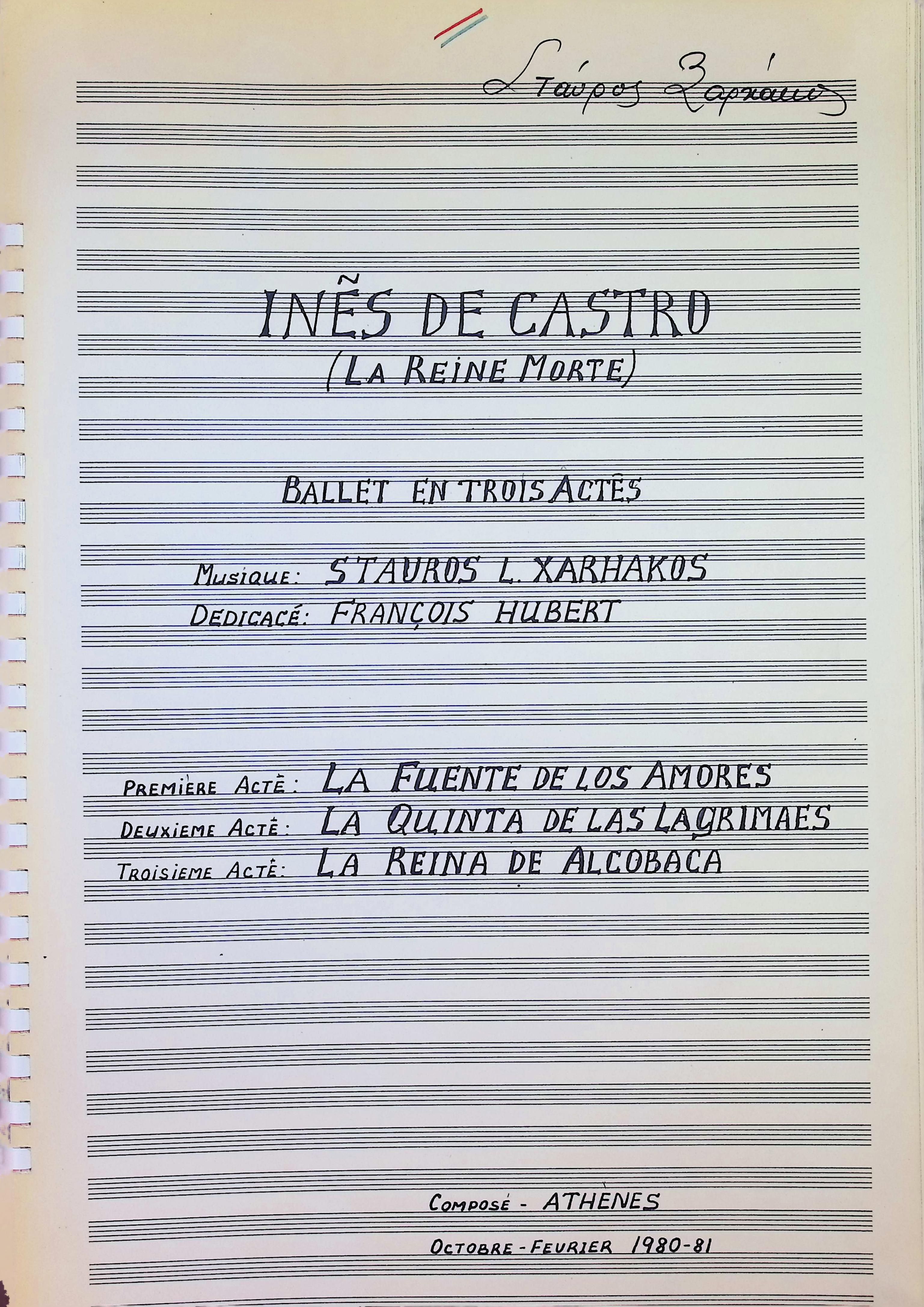
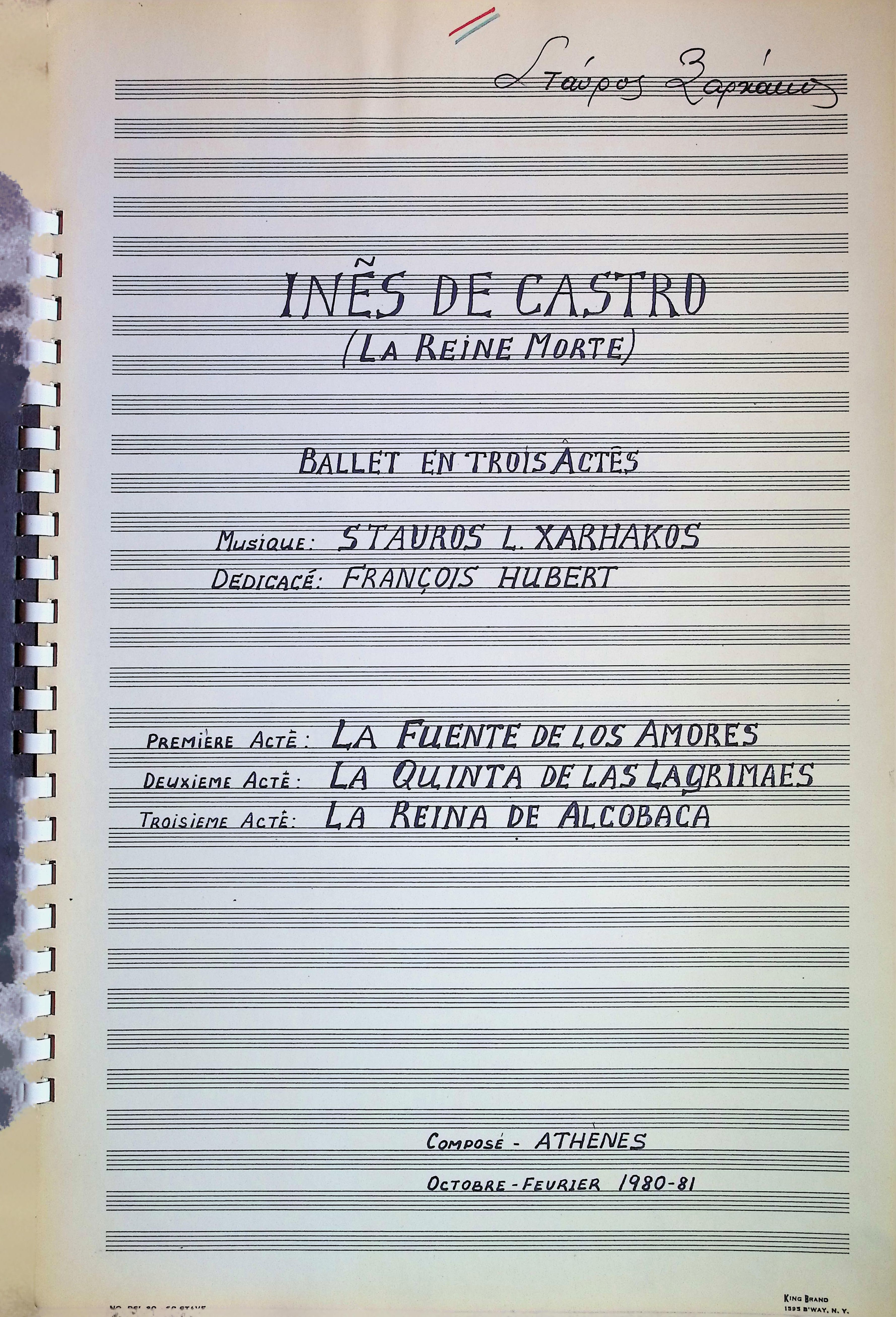
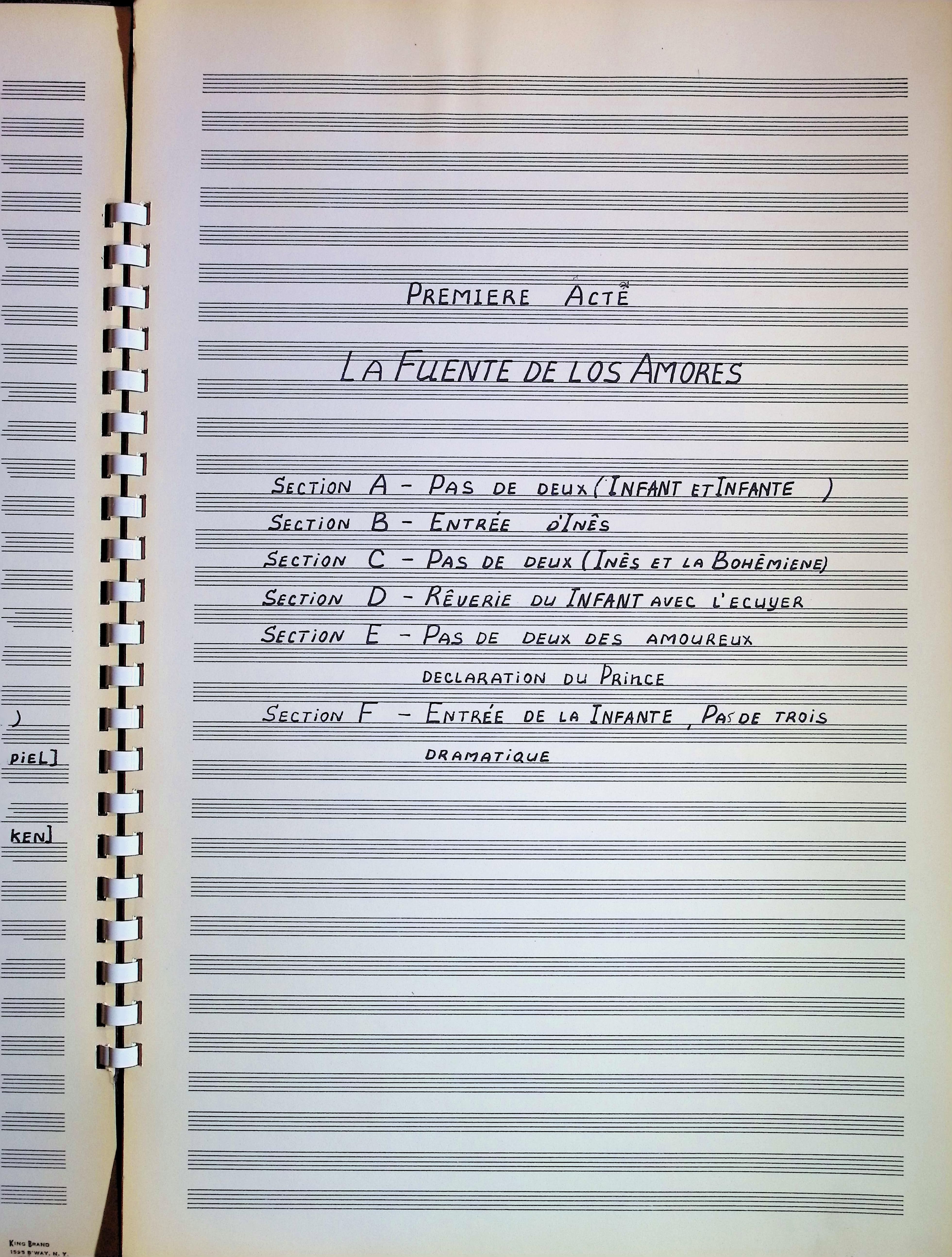
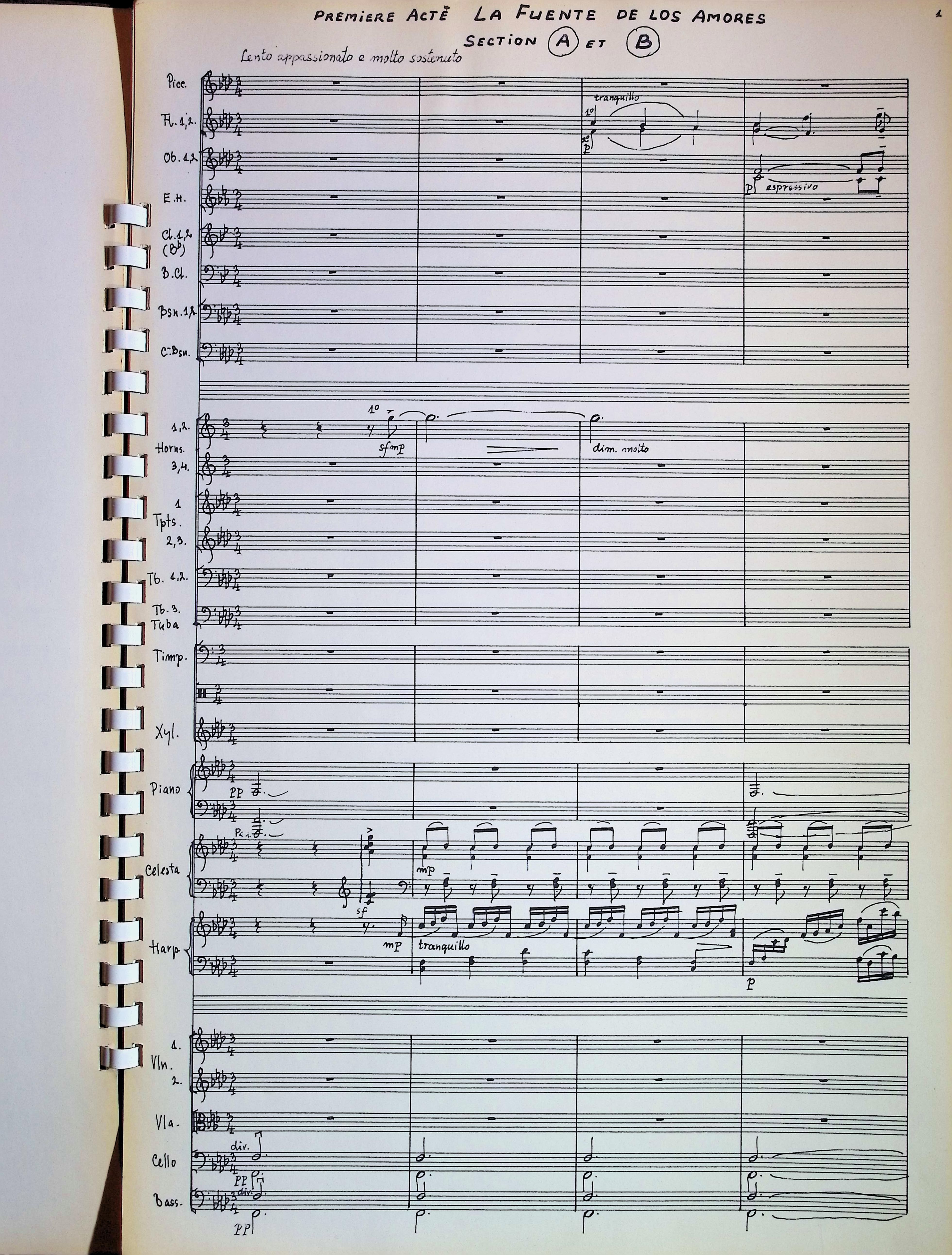
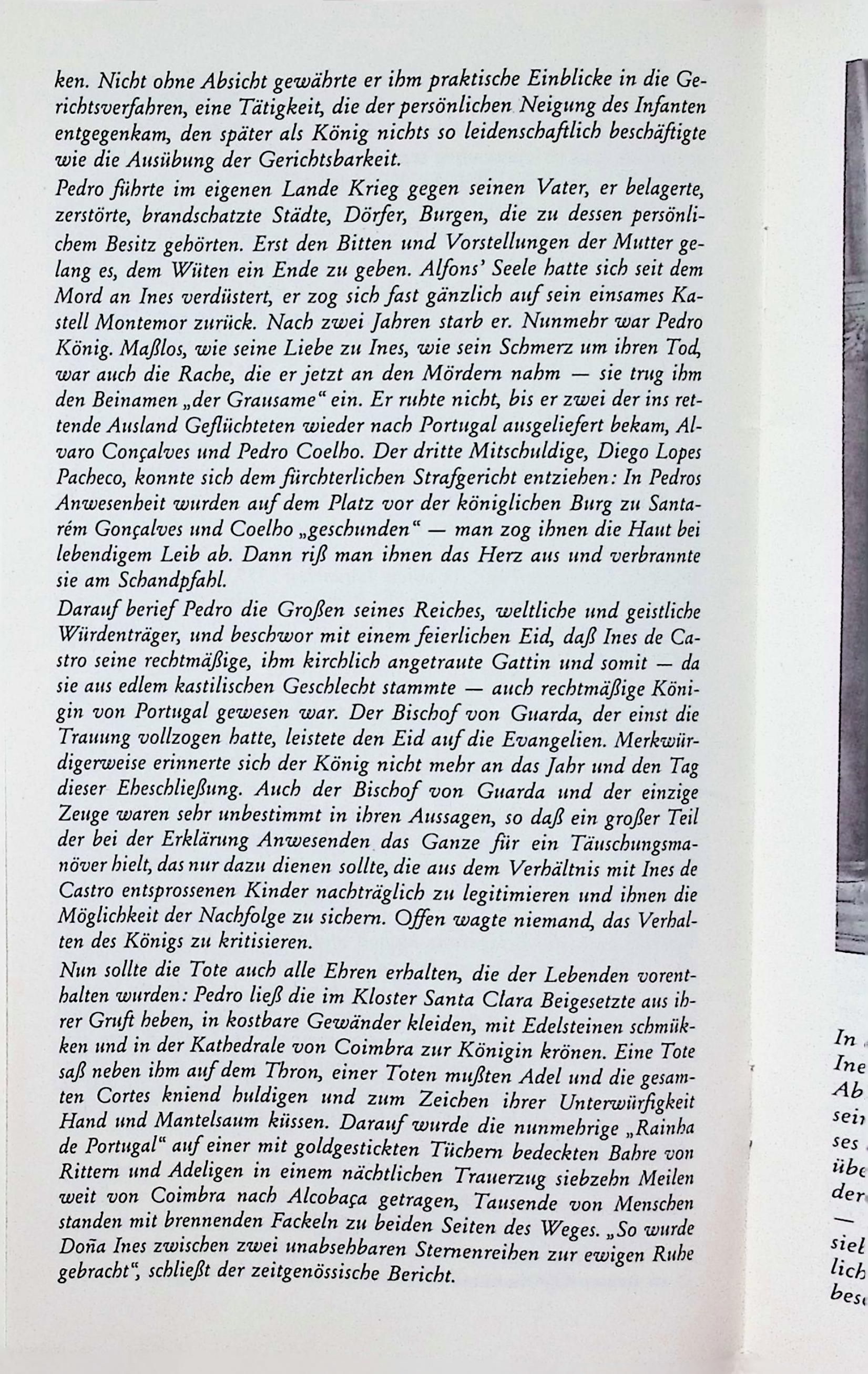
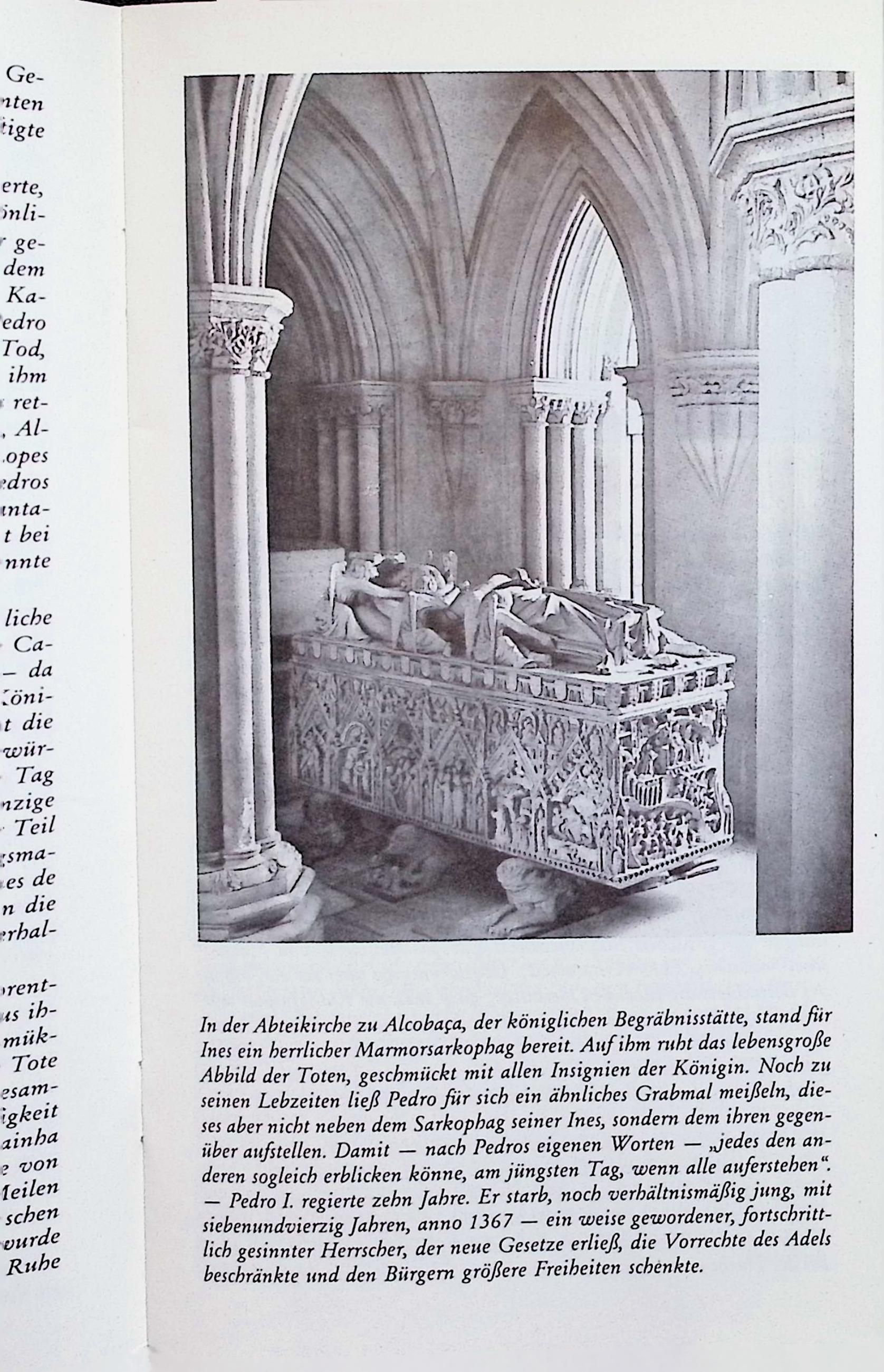
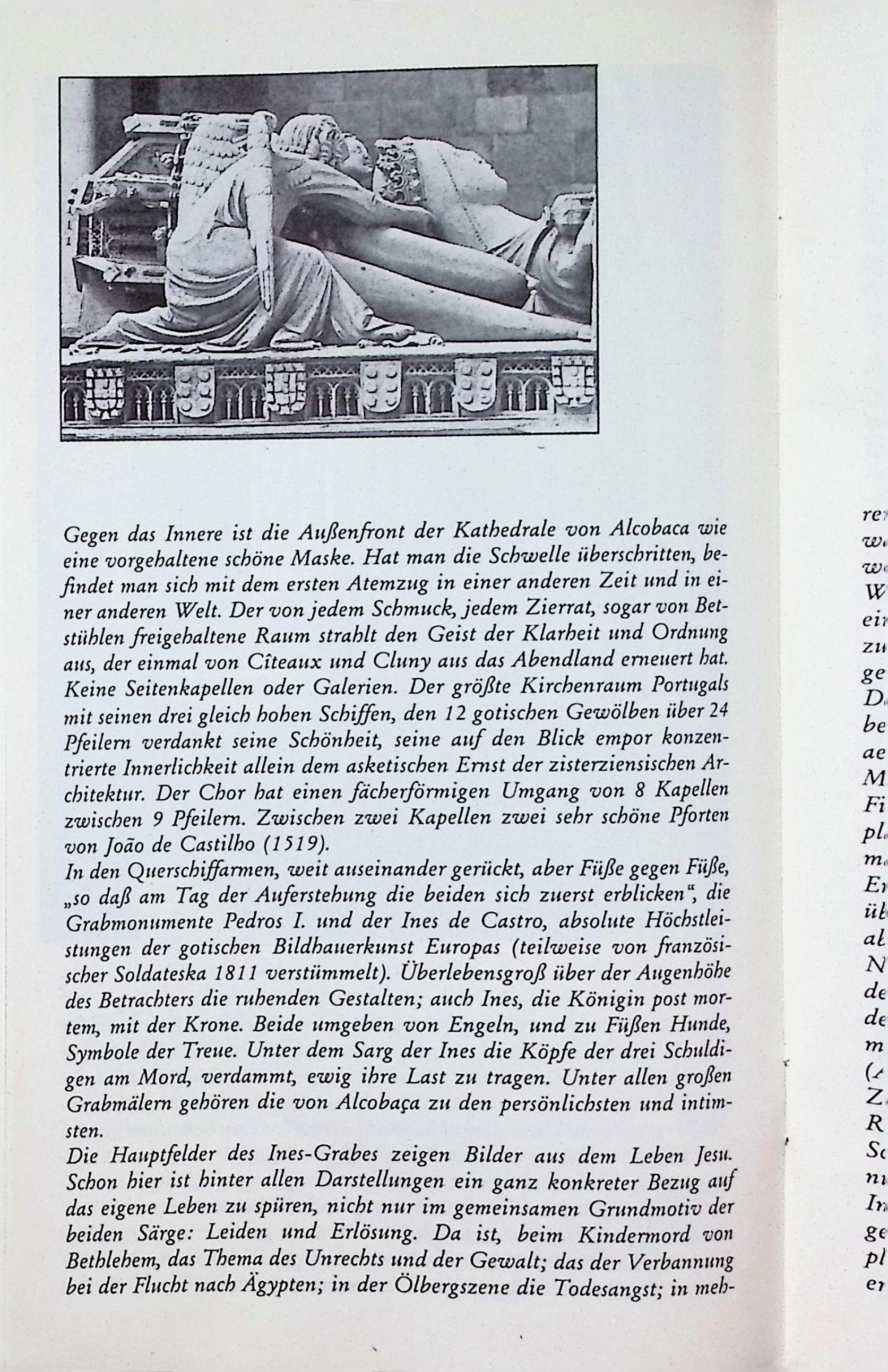
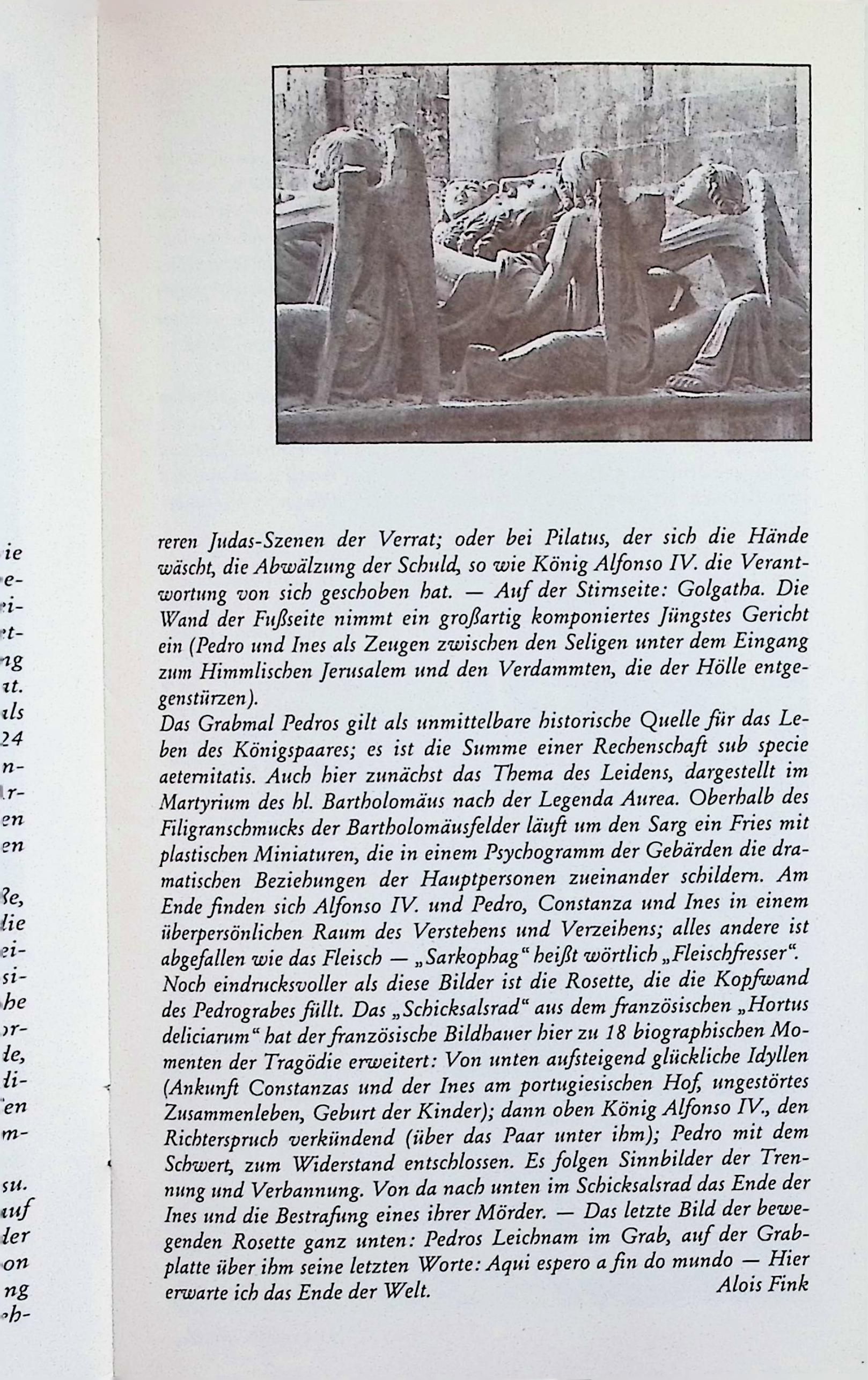
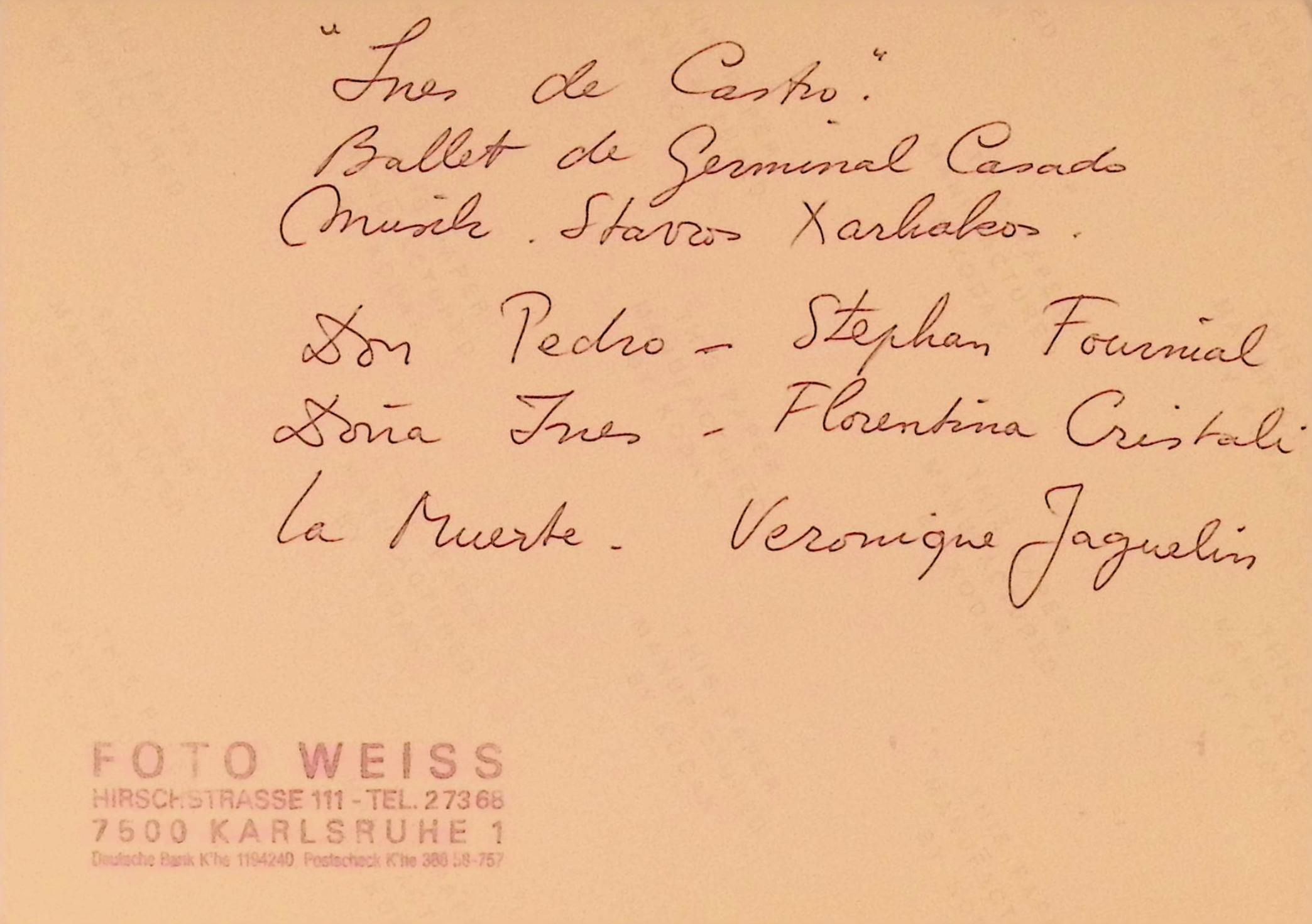
With the ballet Inés de Castro – La Reine Morte, we follow the whispers of a love affair with a tragic ending. In three acts, La Fuente de los Amores (The Fountain of Love), La Quinta de las Lágrimas (The Villa of Tears), La Reina de Alcobaca (The Queen of Alcobaça), the music breathes with the heroes. It springs from the first source of passion, plunges into the tears of loss, and rises in a silent, regal reconciliation with fate. Melodies and rhythmic motifs by Stayros Xarchakos, converse with the story of Inés and her king. They whisper tenderness, bring the wind of the courtyard and the palaces, narrate love and power. With high aesthetics, they capture moments and tell legends. The ballet, in a lyrical performance, presents on stage that moment when death is not the end, but the darkest form of love, constituting an attempt of musical narration of the story of Inés and her love. A work dedicated to François Hubert.
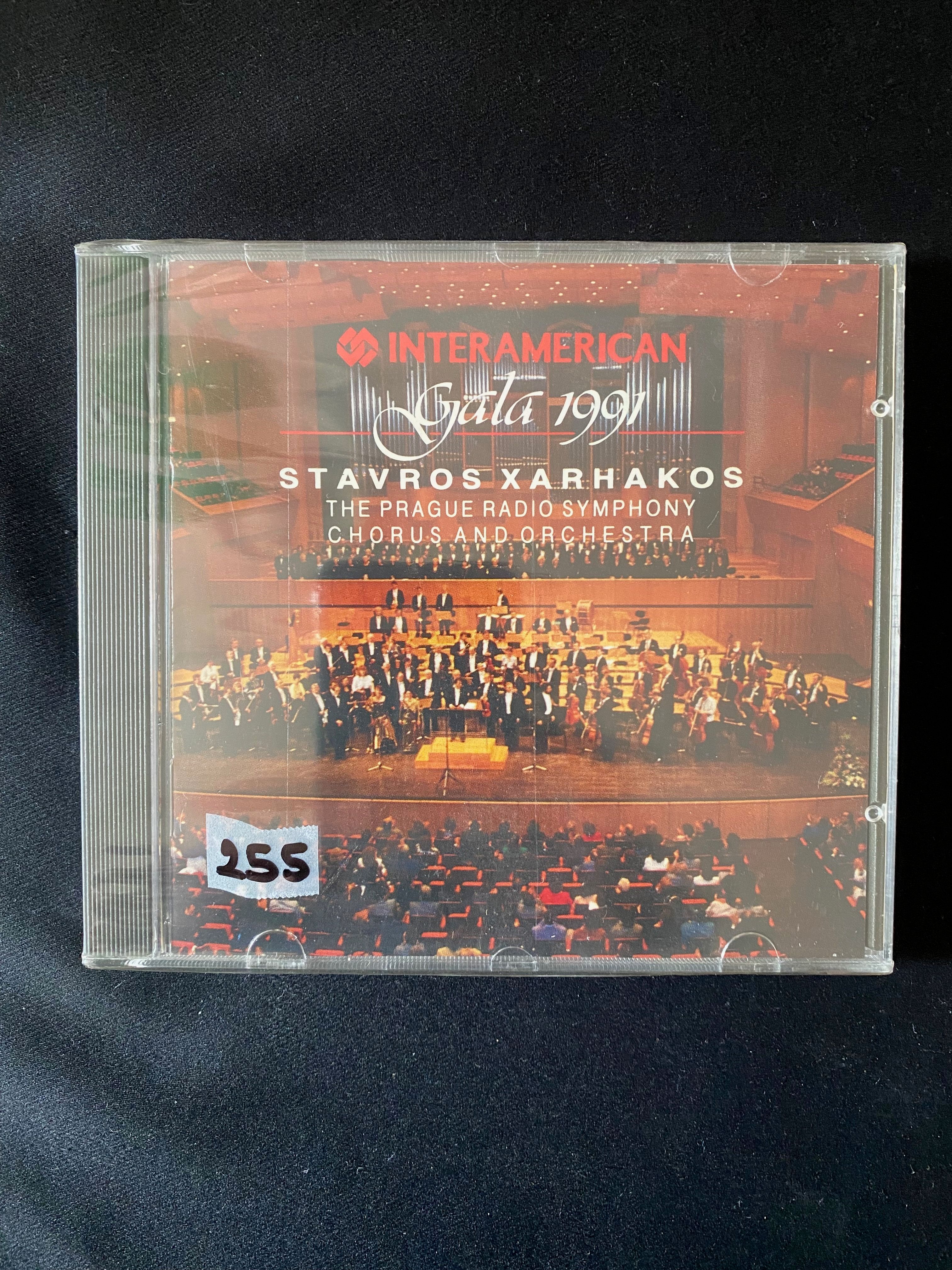
"In my encounter with the Prague Radio Symphony Chorus and Orchestra, through the repertoire itself, Greece and Prague’s symphonic tradition emerge in a masterful dialogue with the world of classical music, becoming part of my life and my creative work." N. Skalkottas, Epirotikos; ‘Mariori Mou–Mariori Mou’; W. A. Mozart, Concerto in E-flat Major for Two Pianos and Orchestra, K. 365 — I. Allegro, II. Andante, III. Rondo–Allegro; ‘Madamina’ (Don Giovanni); ‘La calunnia’ (The Barber of Seville); P. Mascagni, Intermezzo sinfonico (Cavalleria rusticana); W. A. Mozart, ‘Lacrimosa’ (Requiem). The pianos and the orchestra take the leading roles.
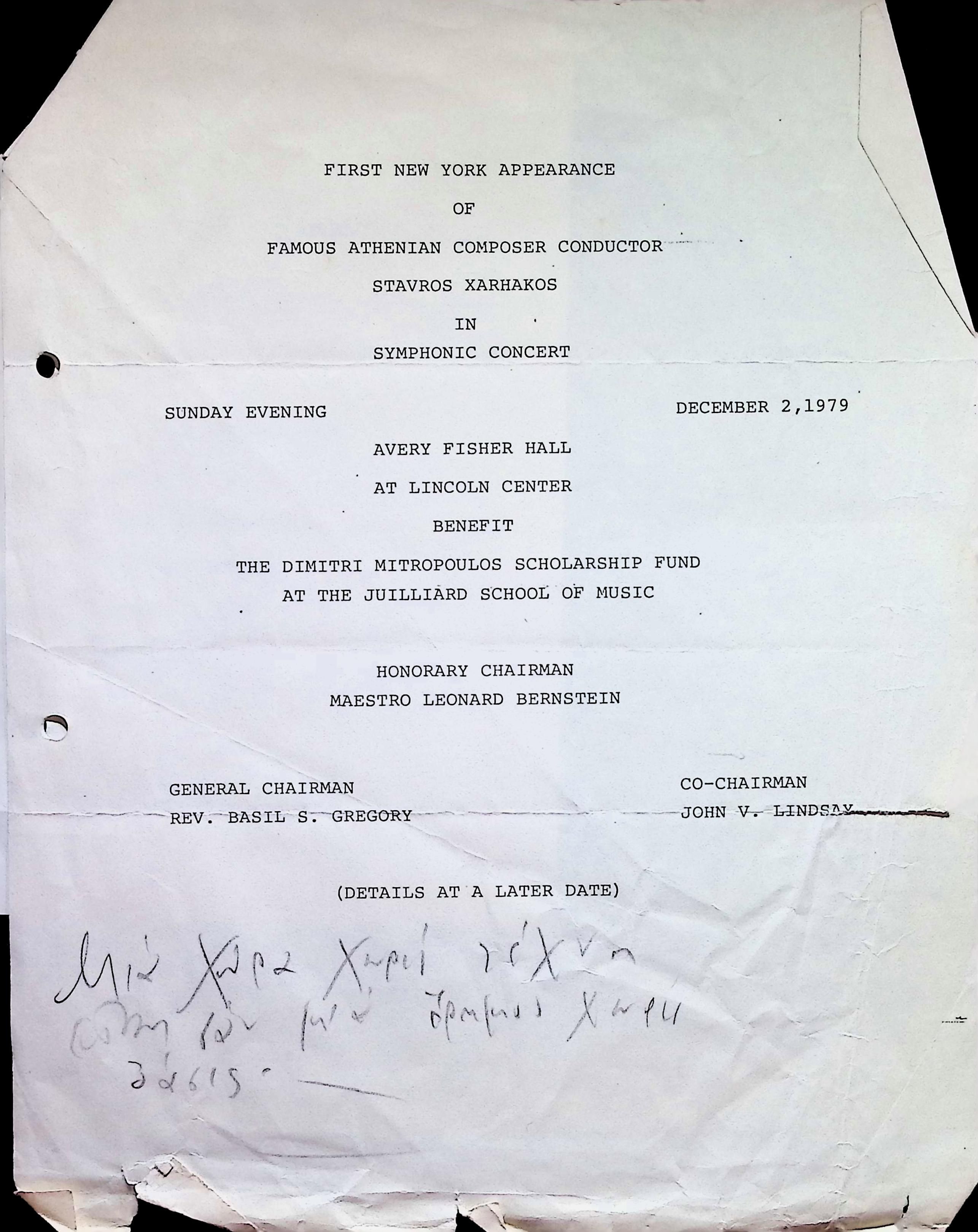
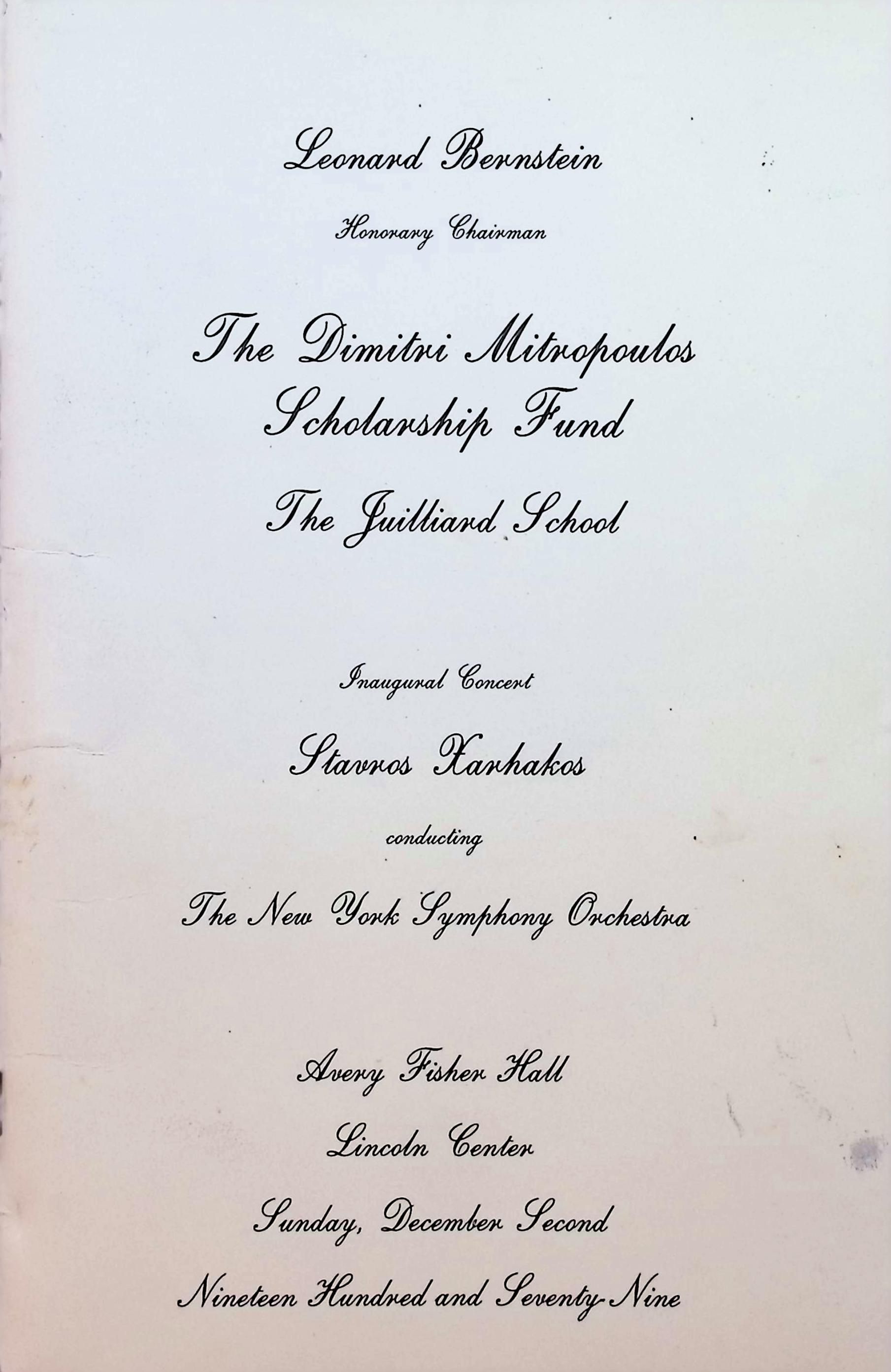
"In a single evening, music, memory, and contribution come together; on the evening of the Benefit Concert – The Dimitri Mitropoulos Scholarship, on Sunday, December 2, 1979, at Avery Fisher Hall, Lincoln Center, New York. I was there, on my first time in New York, at the event for the Dimitri Mitropoulos Scholarship Fund at the Juilliard School of Music. The Honorary Chairman was Maestro Leonard Bernstein, the General Chairman was Rev. Basil S. Gregory, and the Co-Chairman was John V. Lindsay. These are personalities with whom I have journeyed and who have left a lasting mark on my artistic career. And yes, I believe that a country without art is like a desert without an oasis". -Stavros Xarchakos