
MY ARCHIVE
MY ARCHIVE
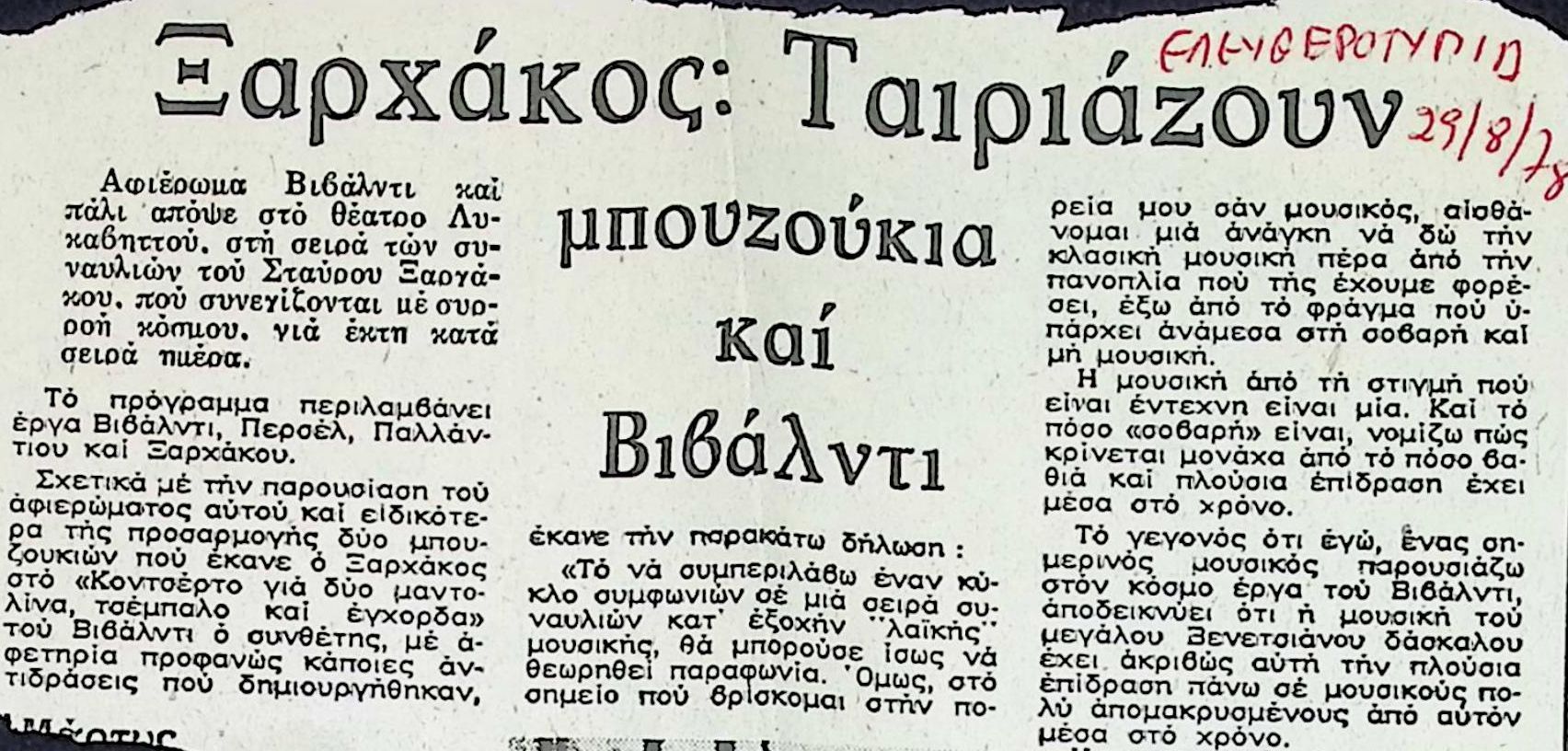
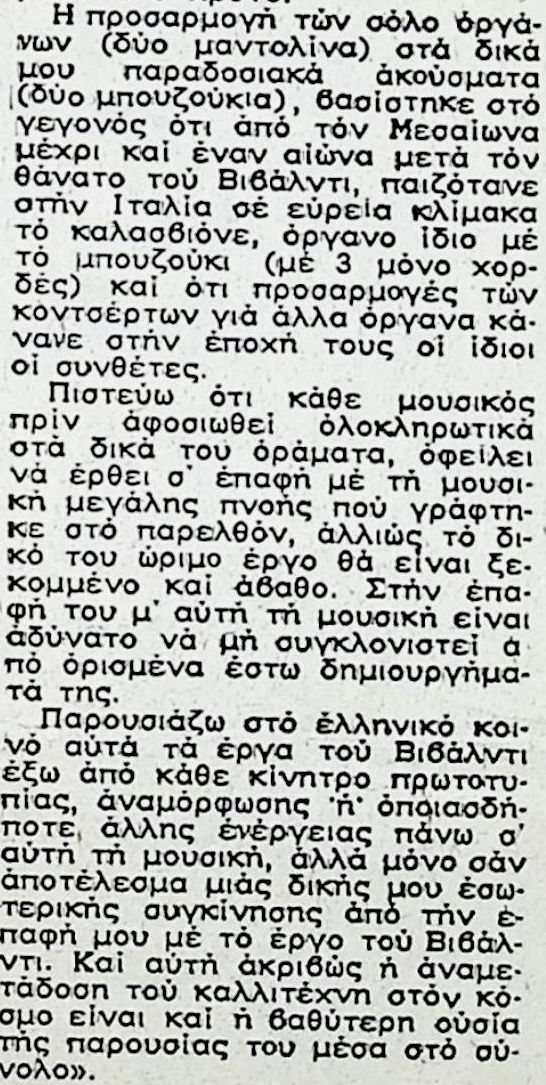
An article from "Eleftherotypia" (1978) discusses how well bouzoukia pair with Vivaldi. The article includes a reference to the calasvione, a three-stringed instrument identical to the bouzouki, which was played in Italy during the Middle Ages and up to a century after Vivaldi’s death. As noted, the composers themselves made adaptations of concertos for other instruments.
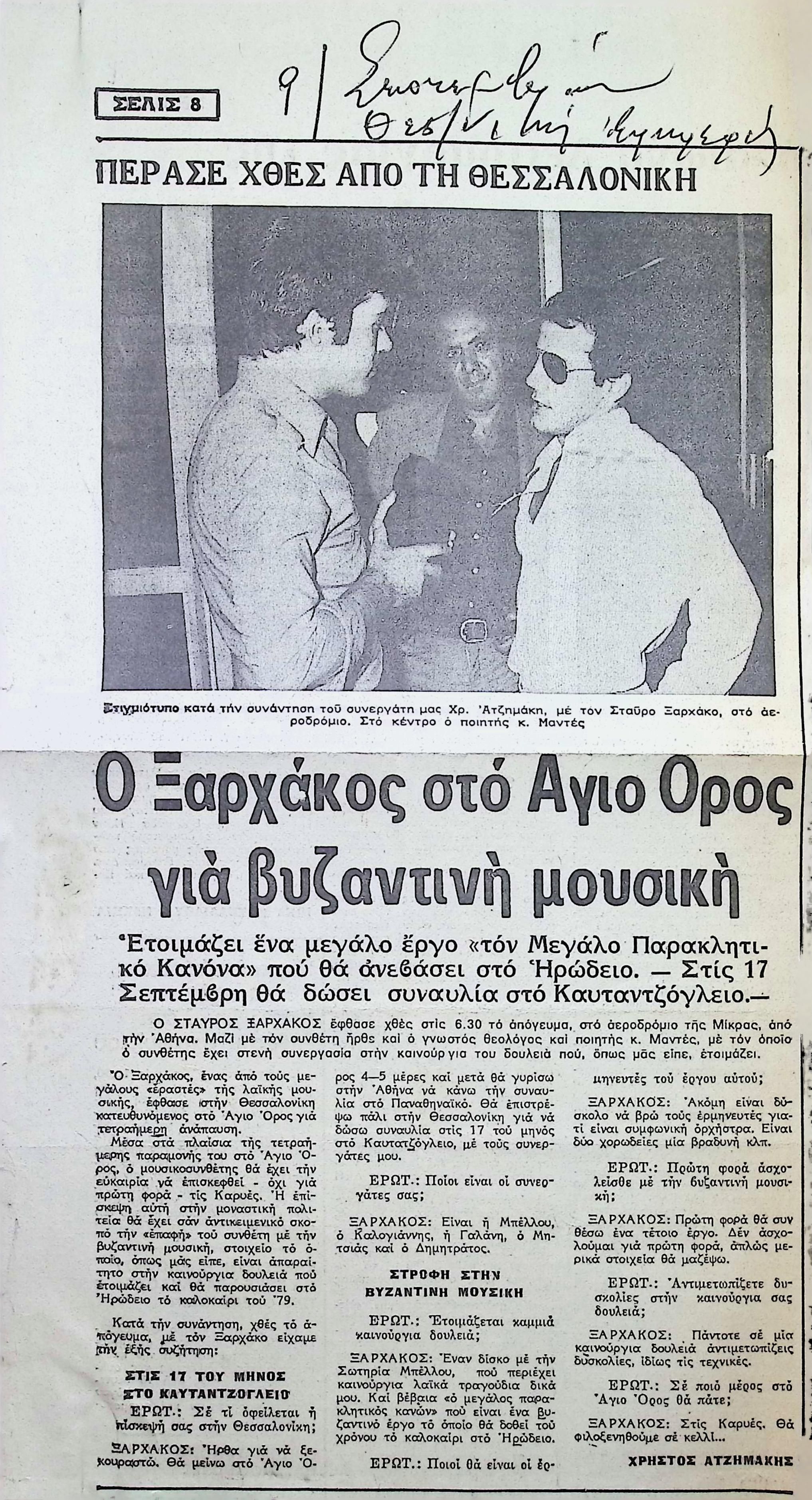
In a newspaper article, Stavros Xarchakos’ visit to Mount Athos is presented, along with the preparation of his major work “O Megalos Paraklitikos Kanonas” which was to be presented at the Odeon of Herodes Atticus, as well as additional information about concerts of that period.
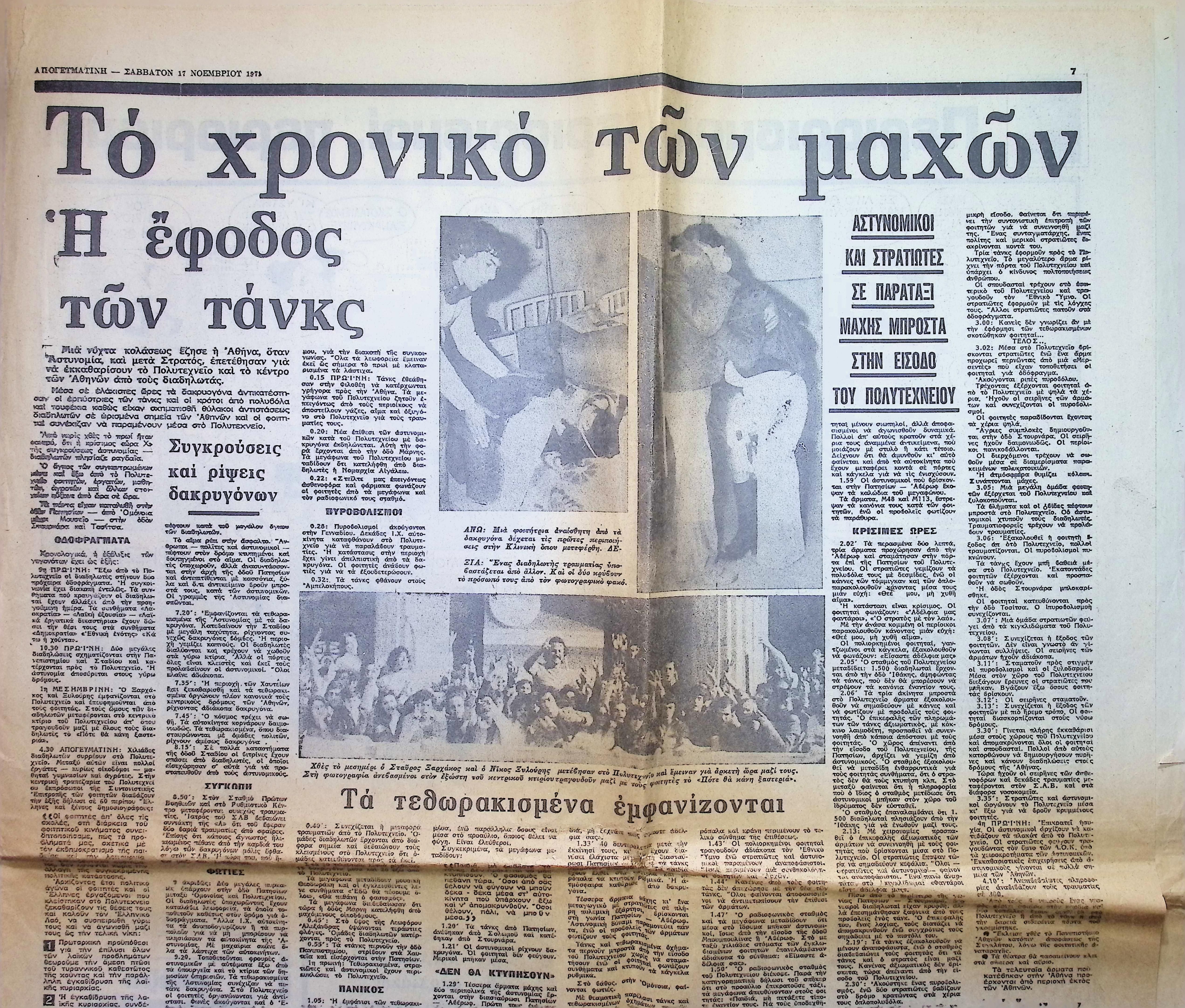
Article from the newspaper “Apogevmatini” (November 1973), “The Chronicle of the Battles.” In the central photograph, Stavros Xarchakos and Nikos Xylouris are seen standing on the balcony of the main building of the Athens Polytechnic and singing, together with the students “Pote tha kani xasteria”
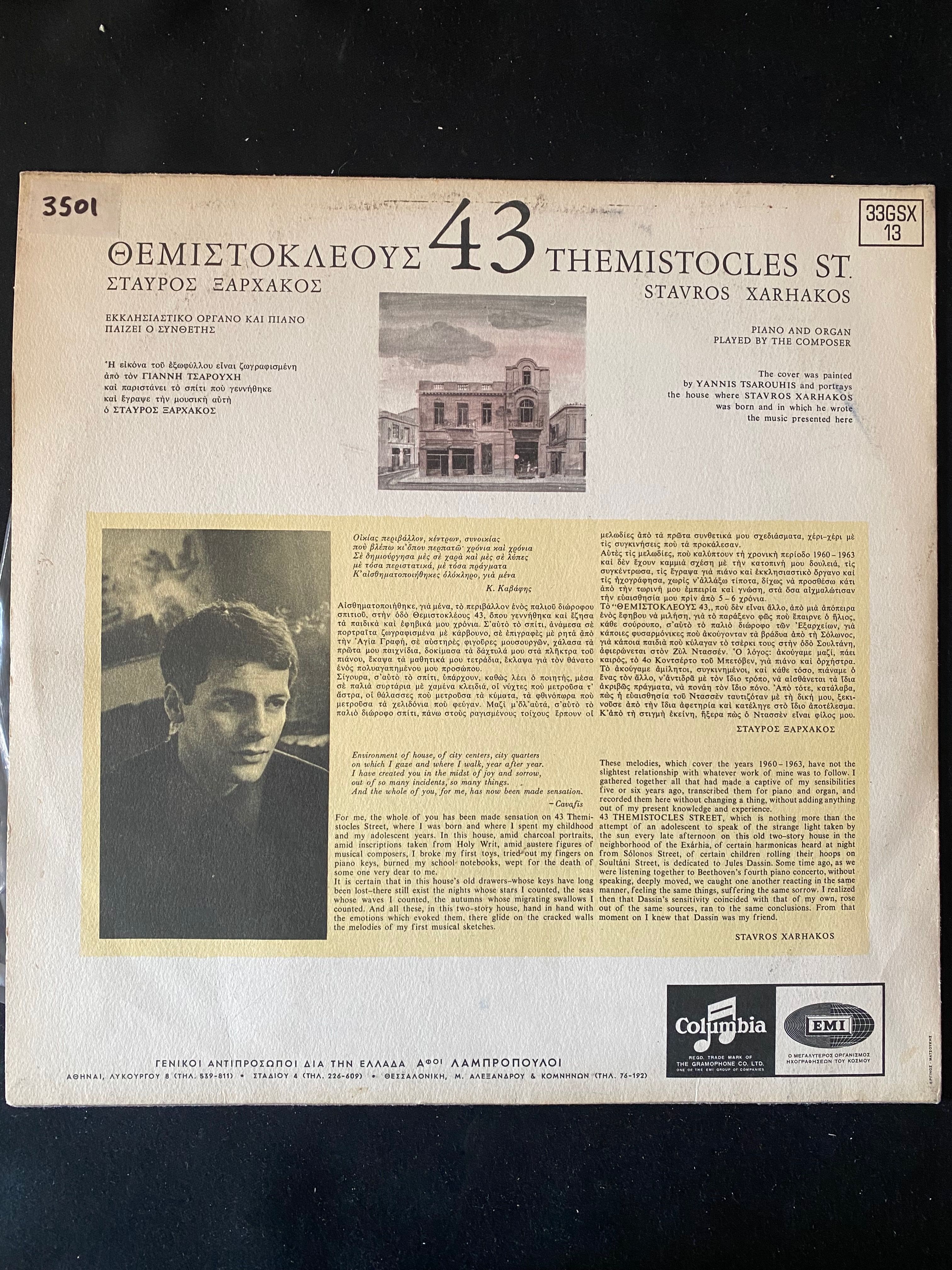
Home, surroundings, centers, neighborhood where I see and where I walk; years and years. I created you in joy and in sorrow with so many circumstances, with so many things And you became emotional, for me. C. P. Cavafy
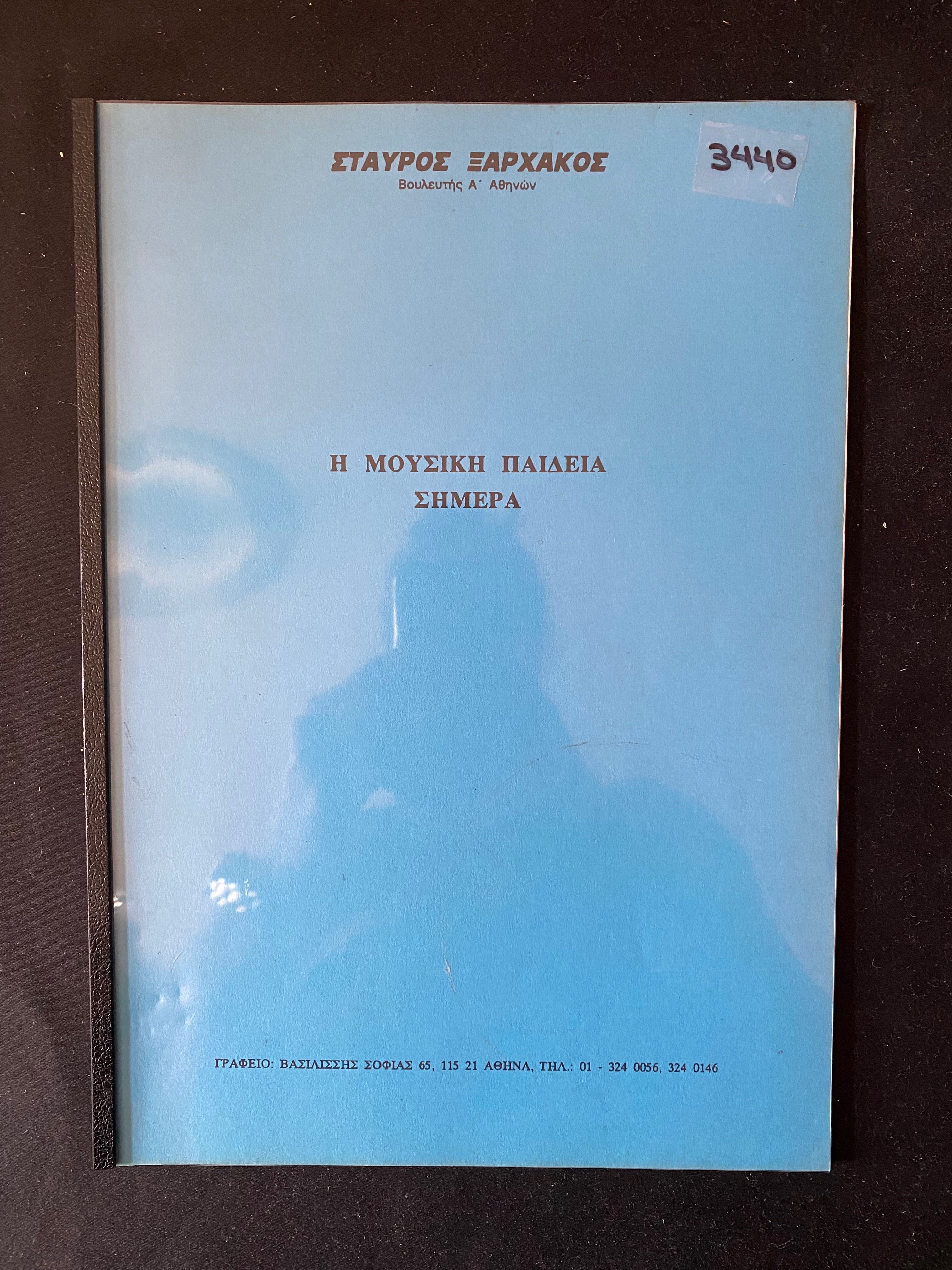
Member of Parliament (Athens A district) Stavros Xarchakos presents his concerns and positions on music education· its present, its future, and its role. A paper presented in 1981 at the European Parliament.
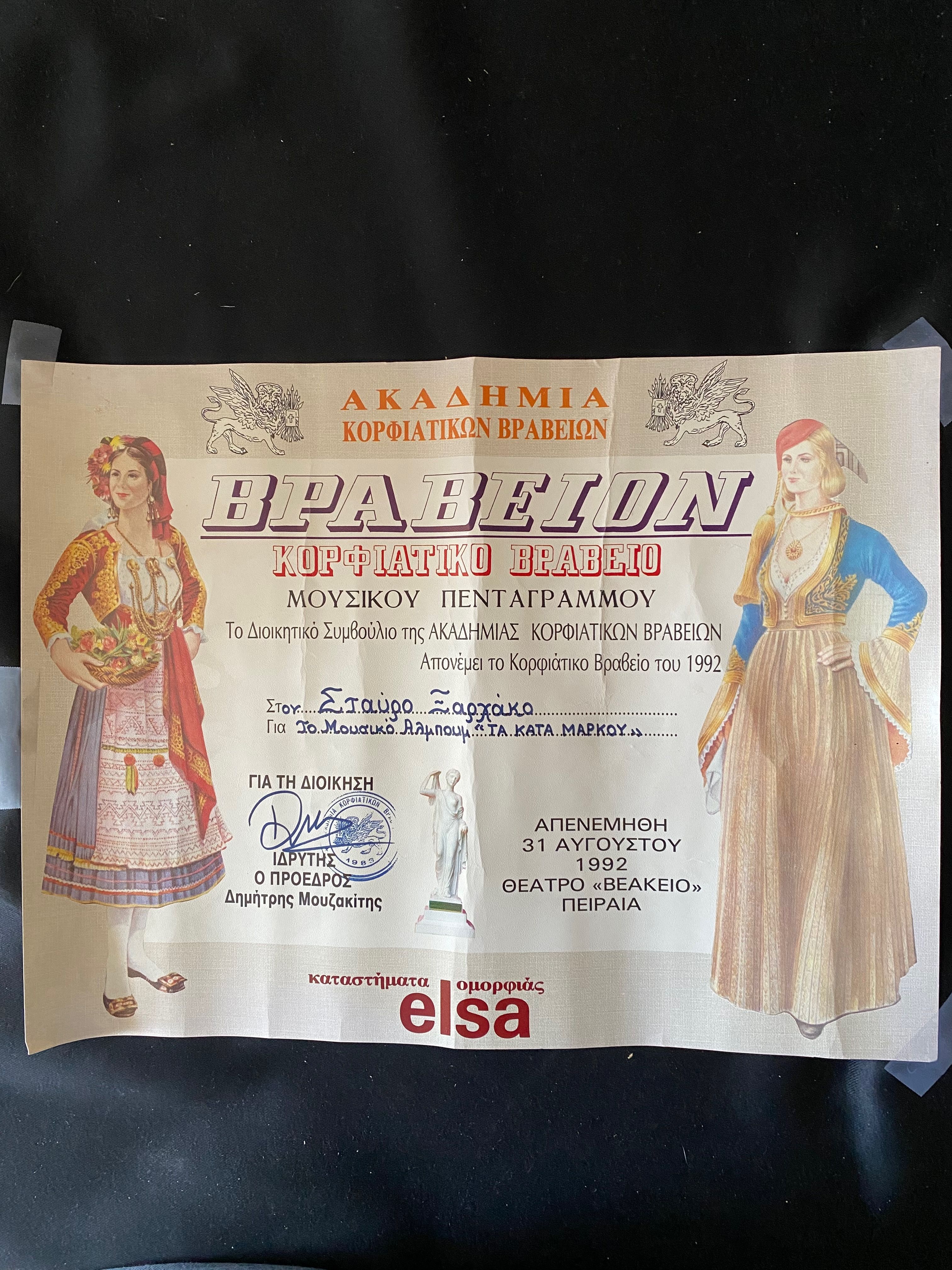
In 1992, the Corfiot Awards Academy presented Stavros Xarchakos with the Musical Pentagram Award for the album “According to Mark.”
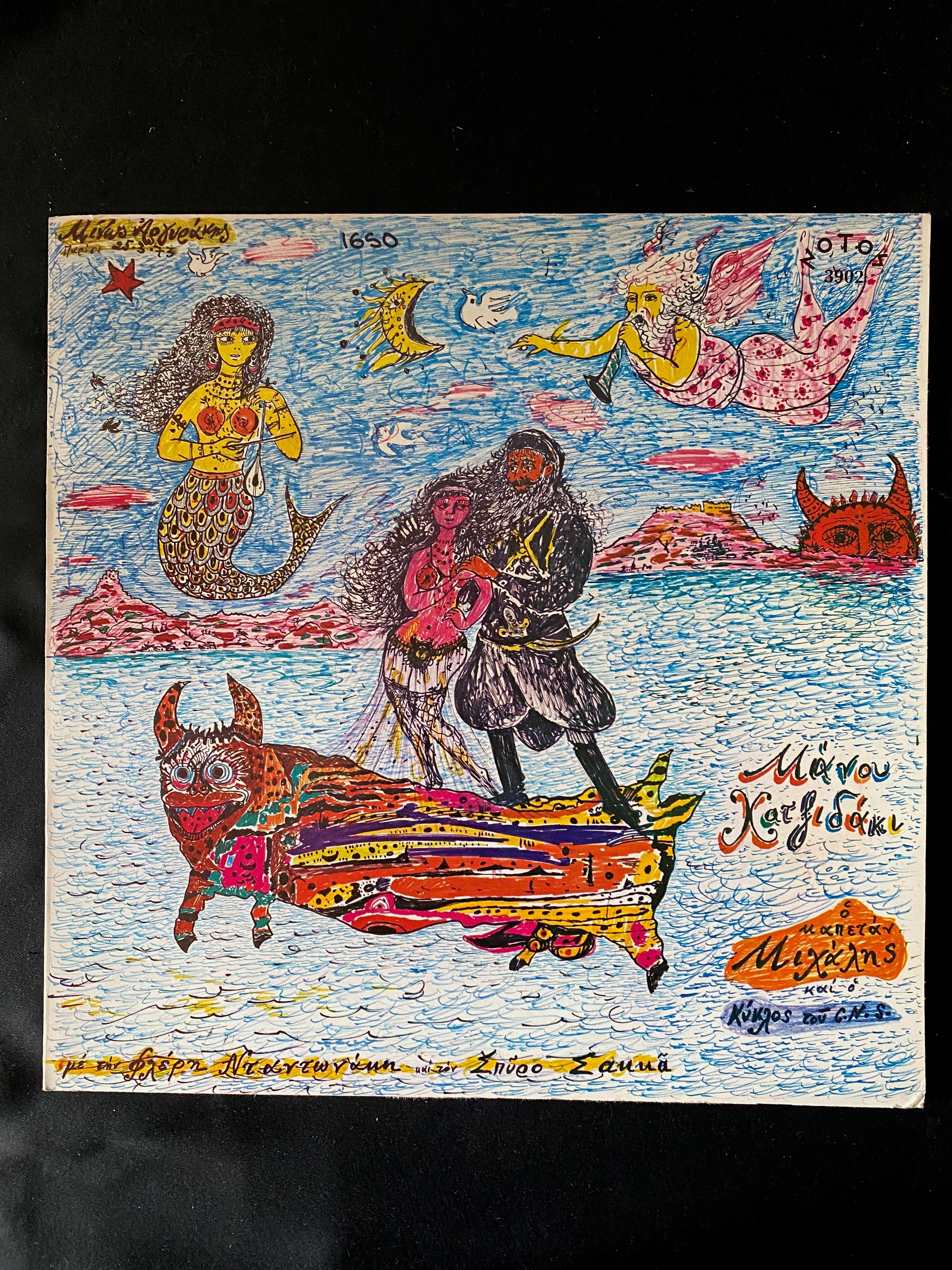
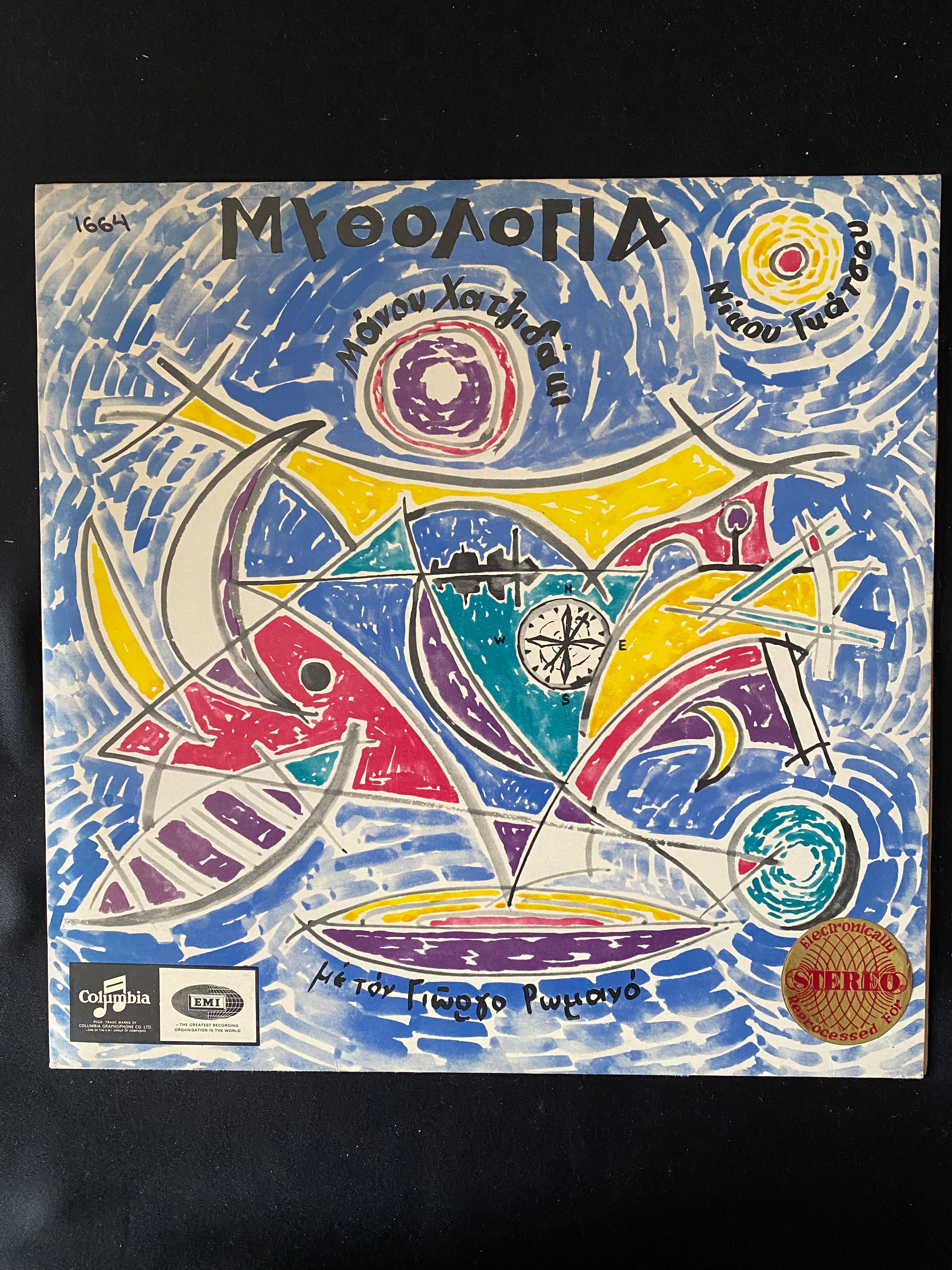
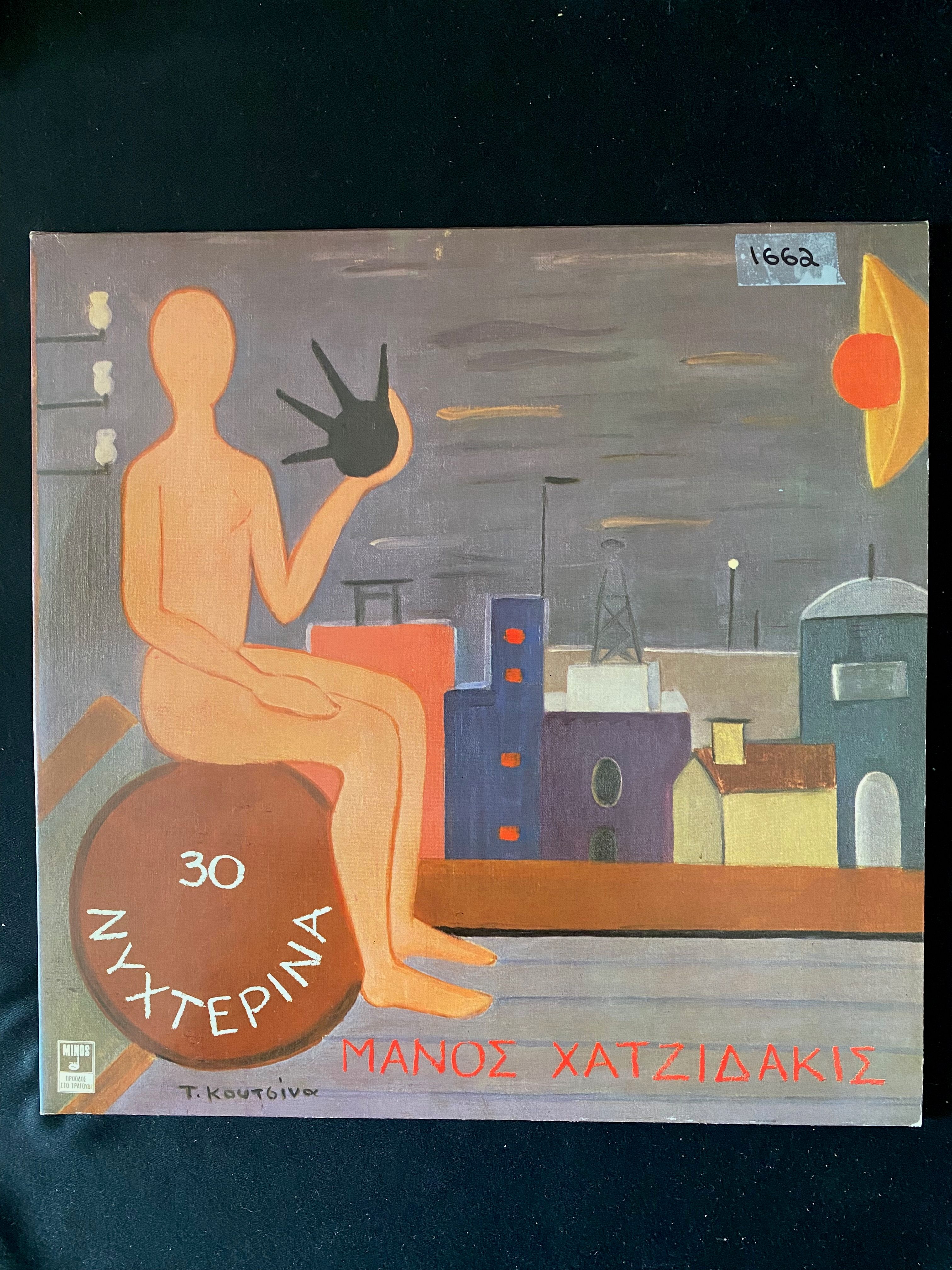
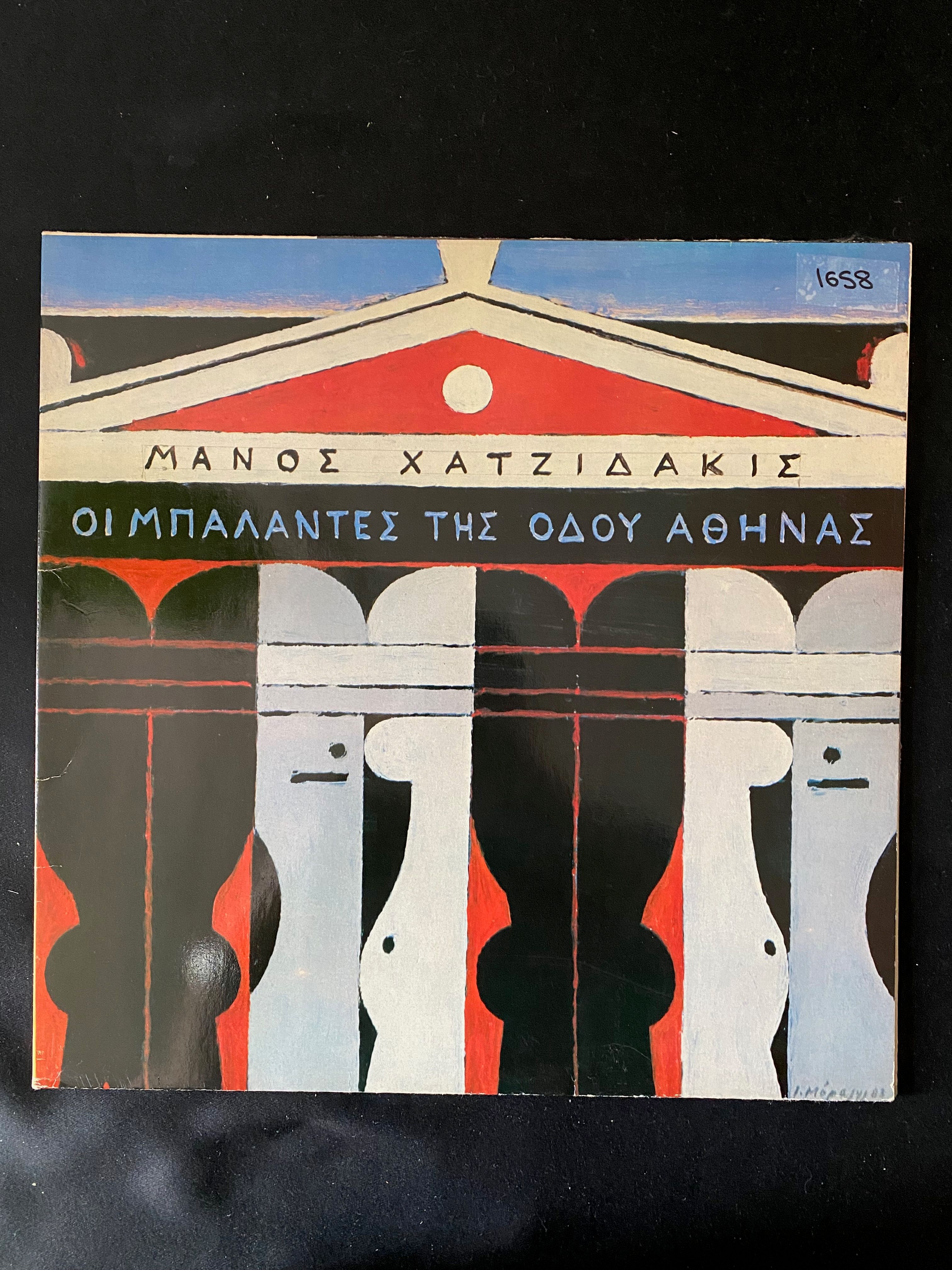
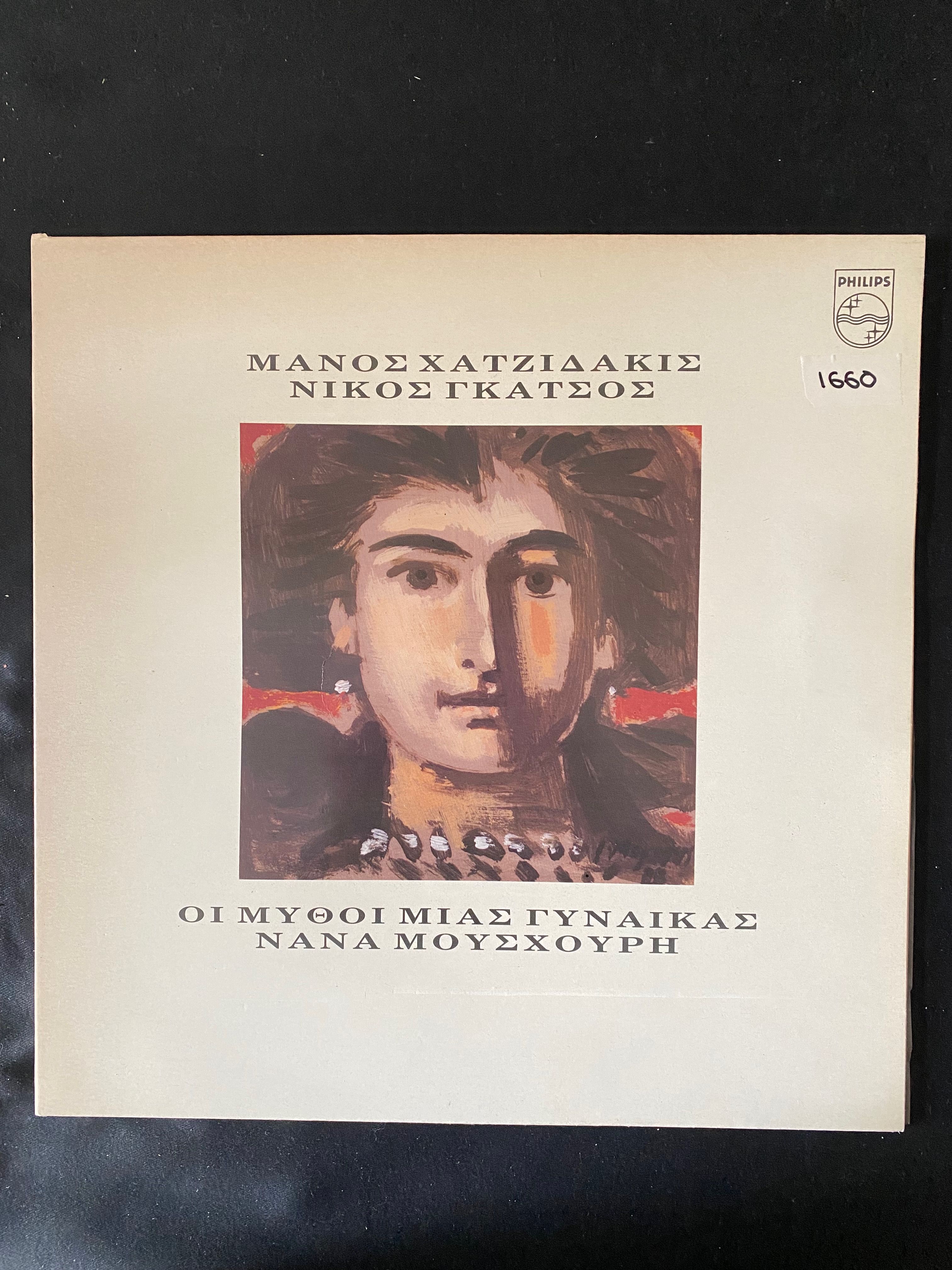
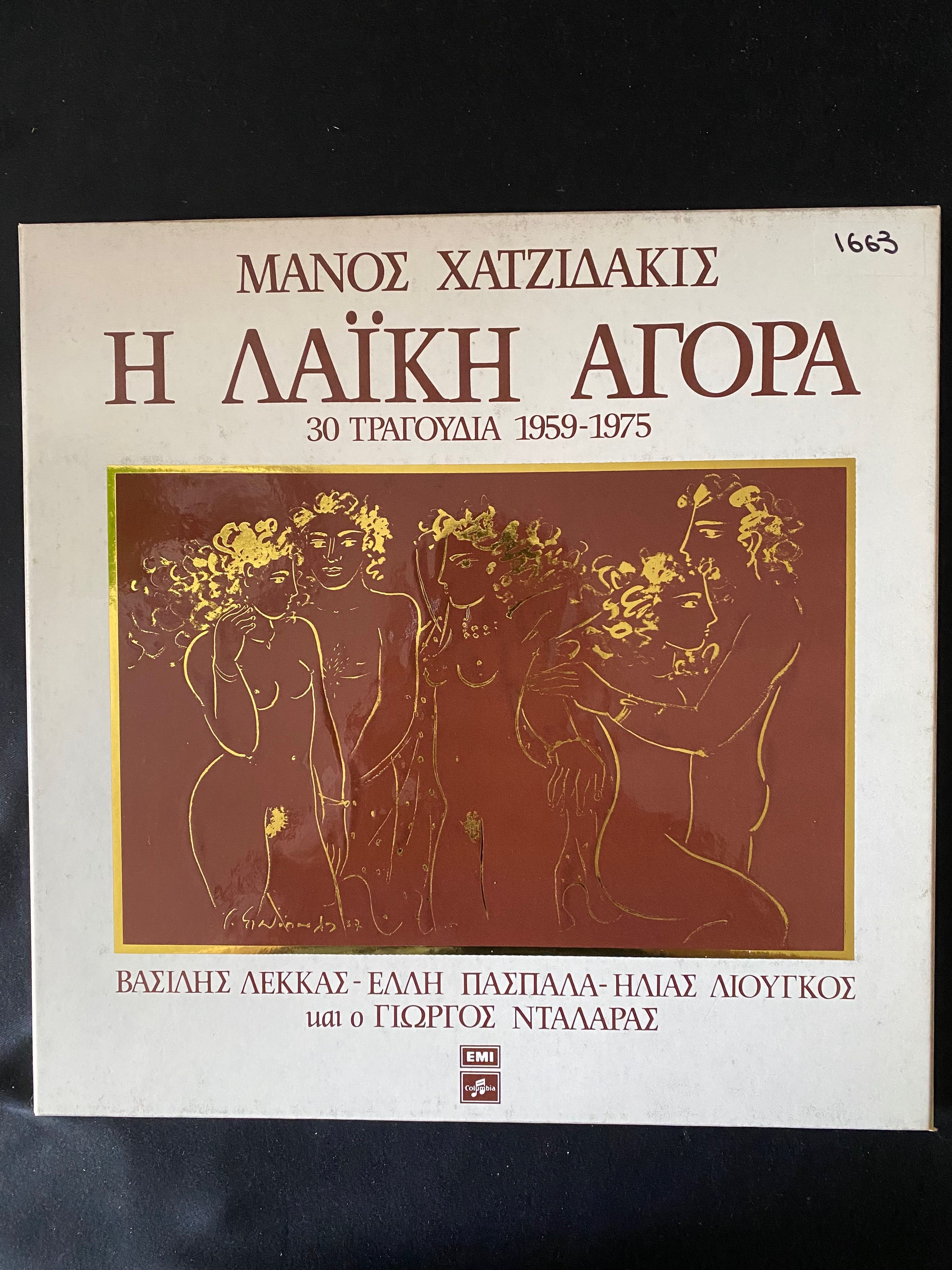
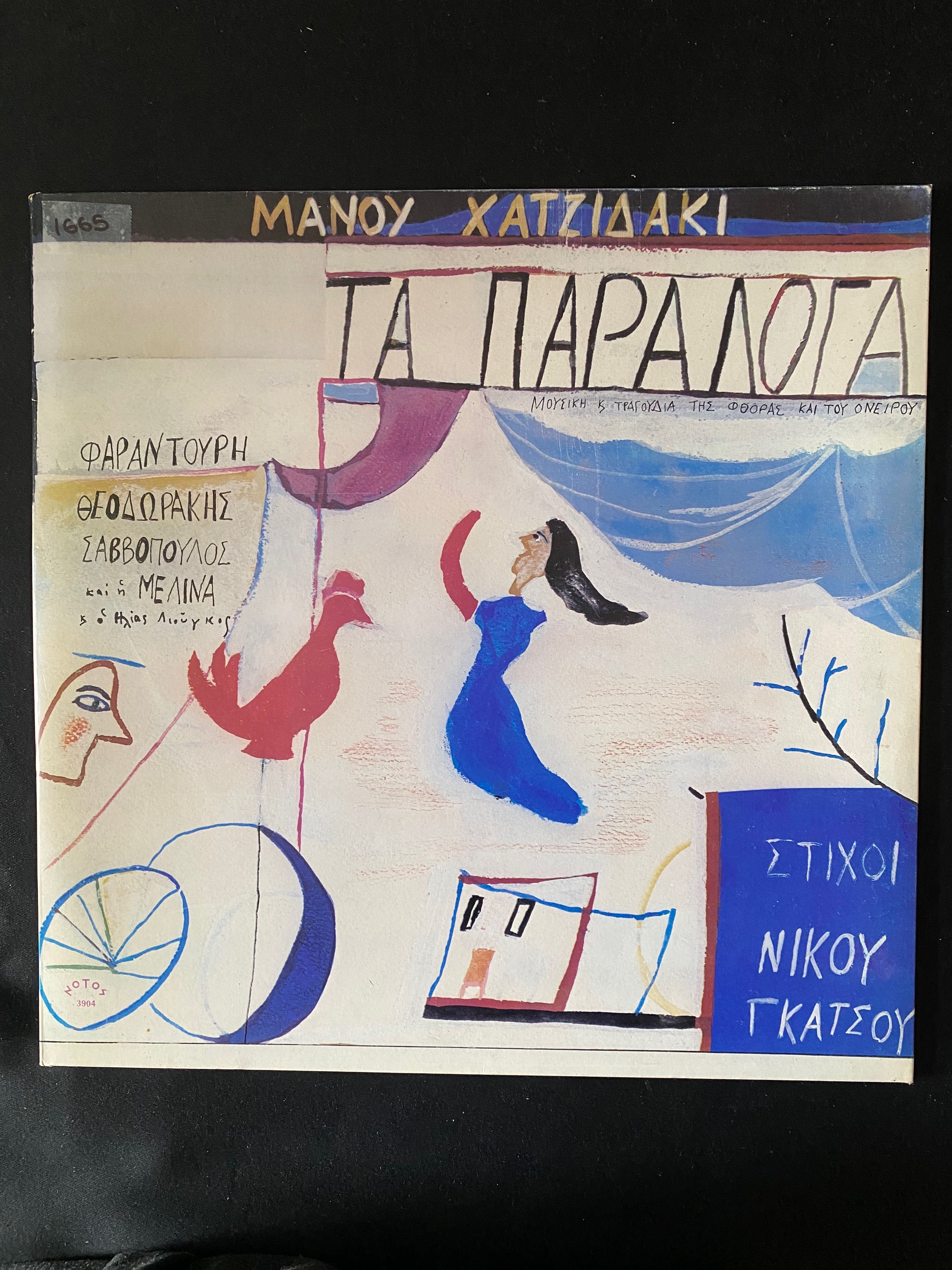
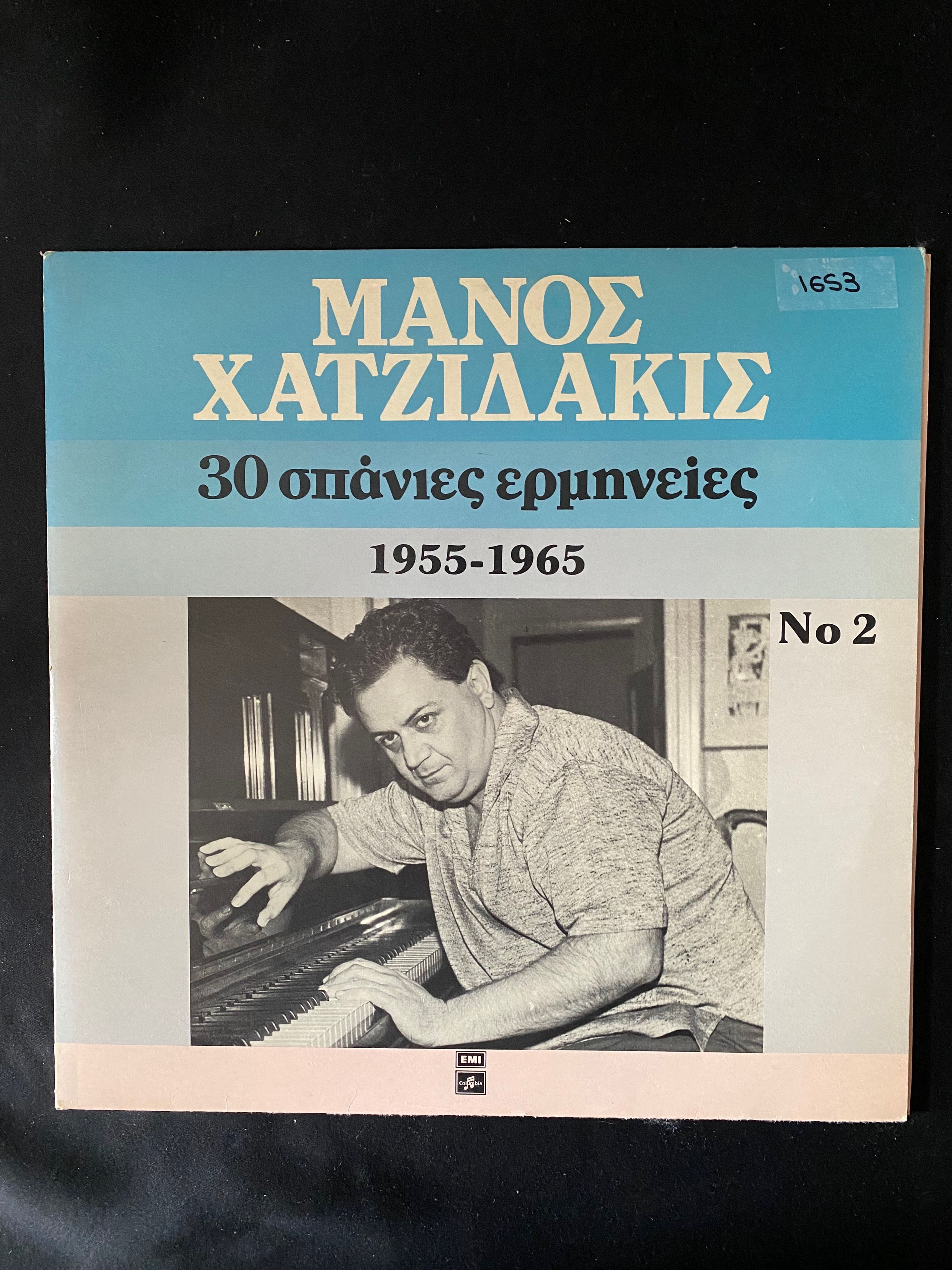
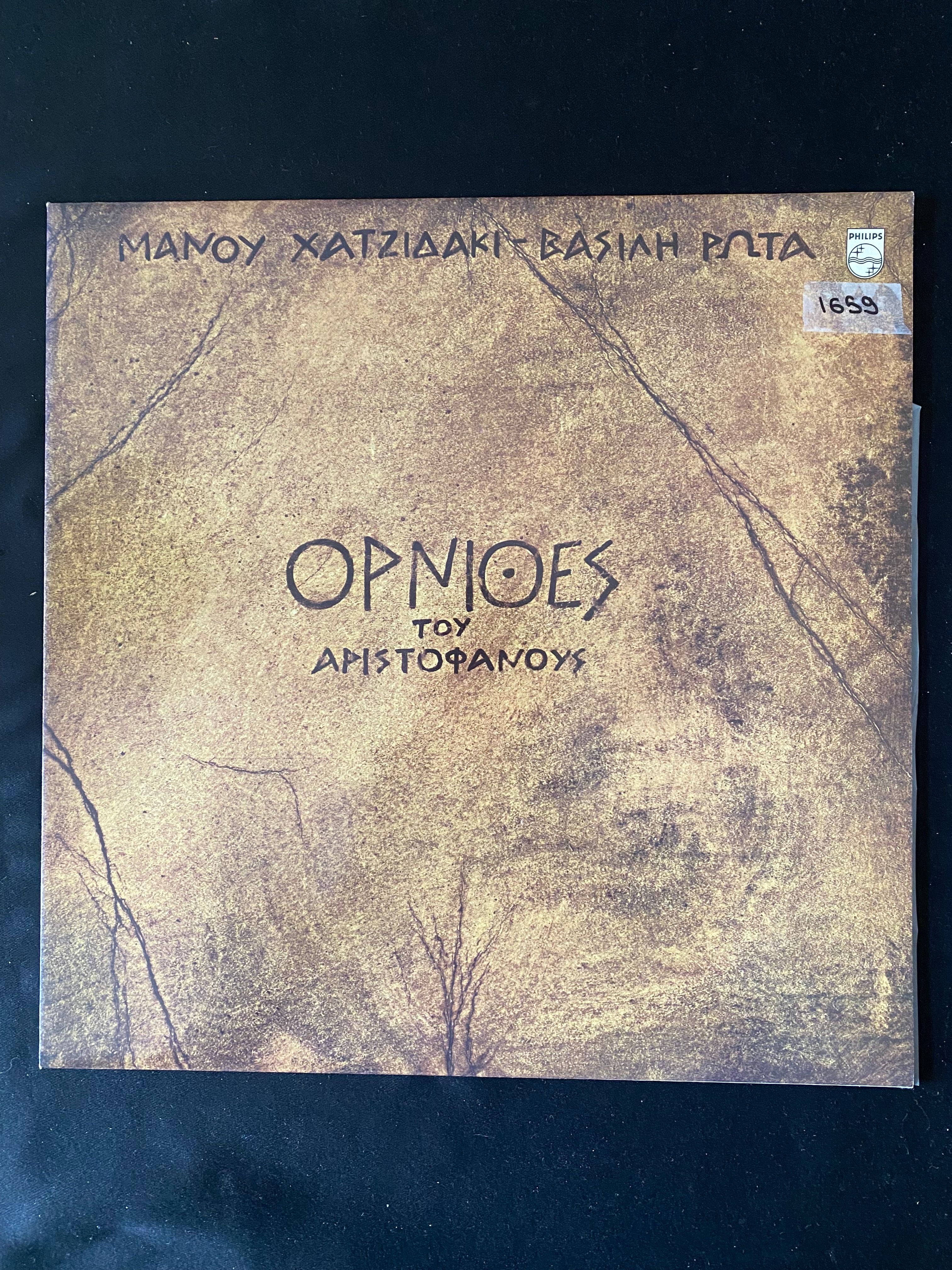
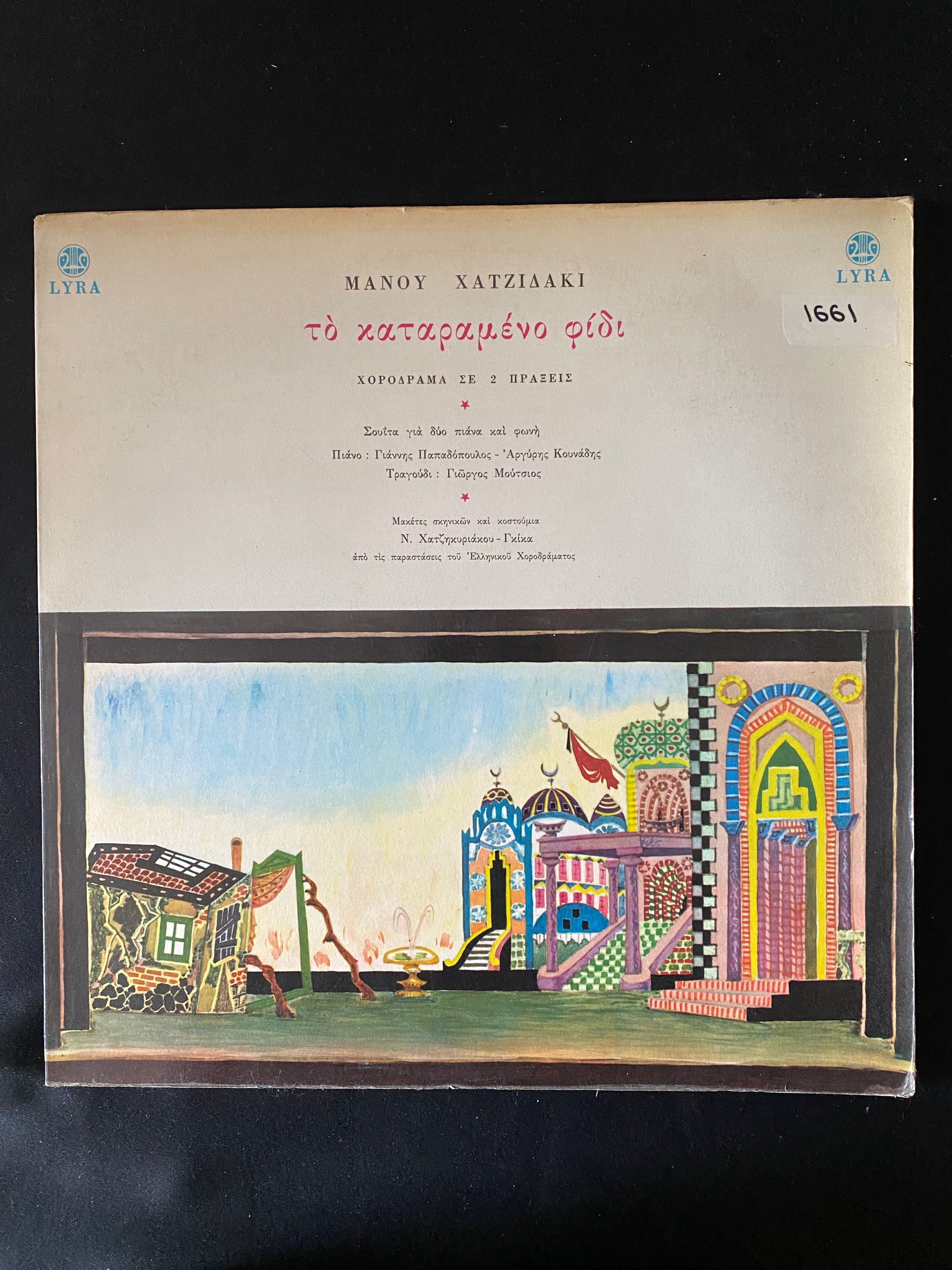
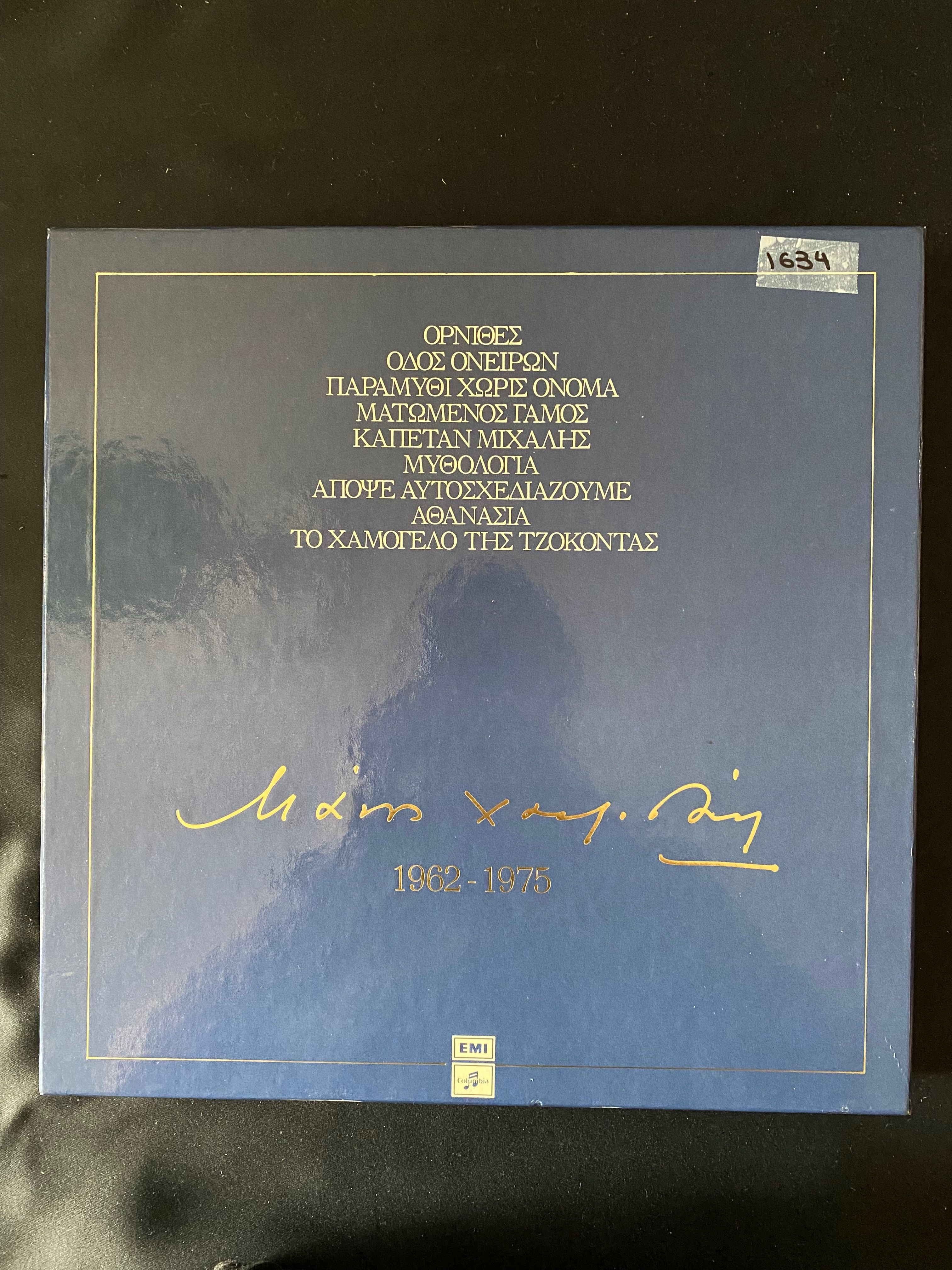
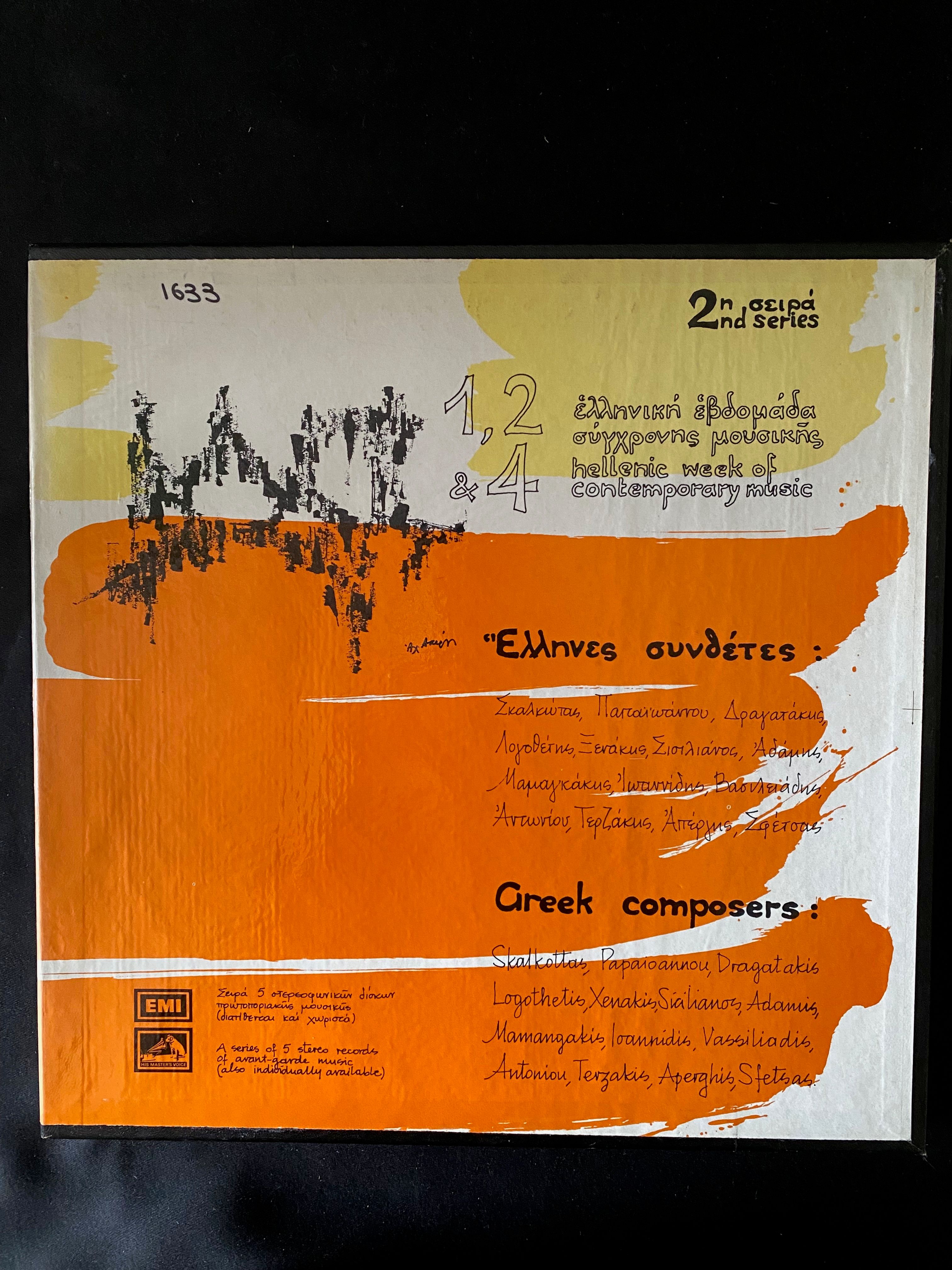
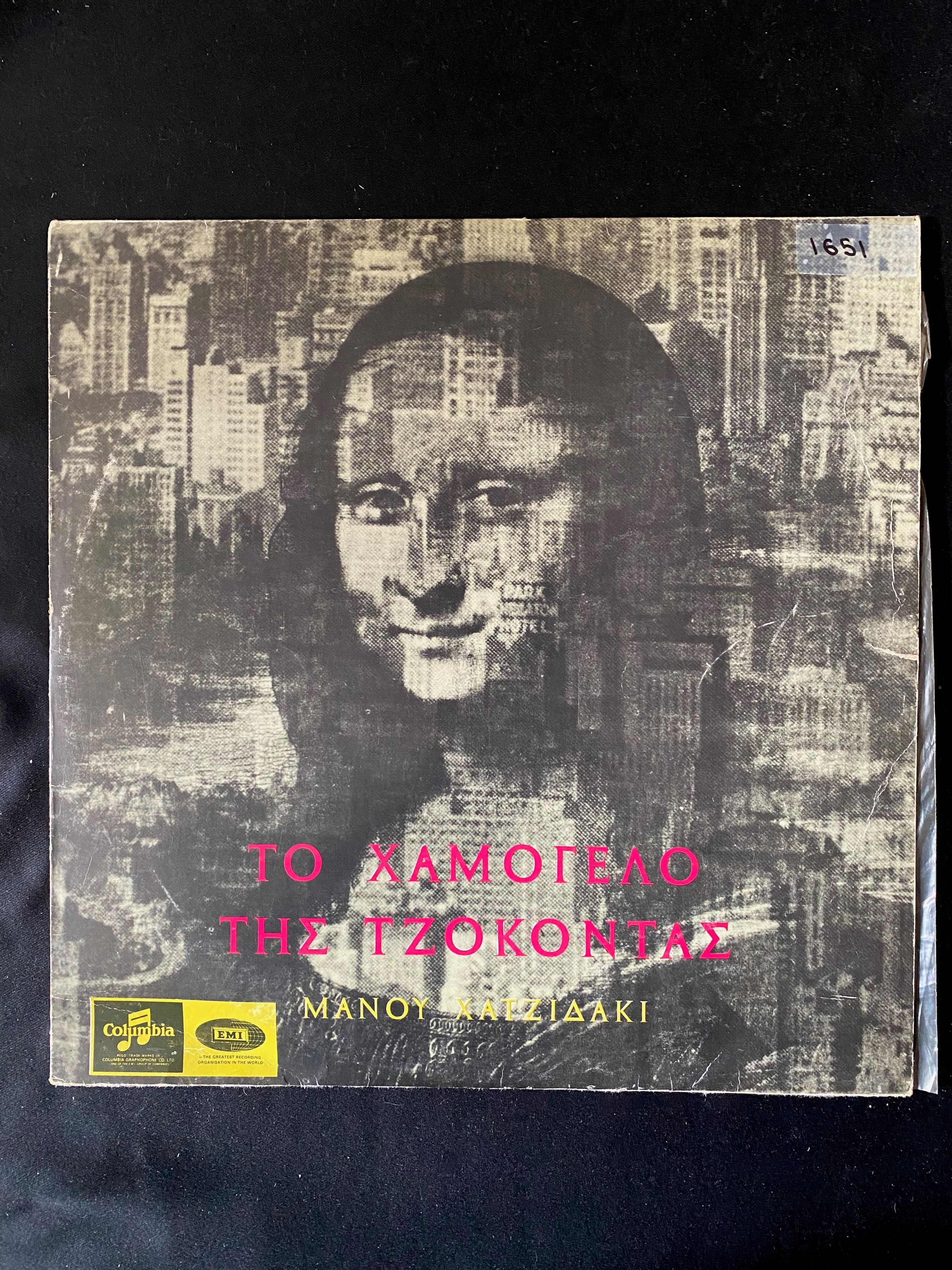
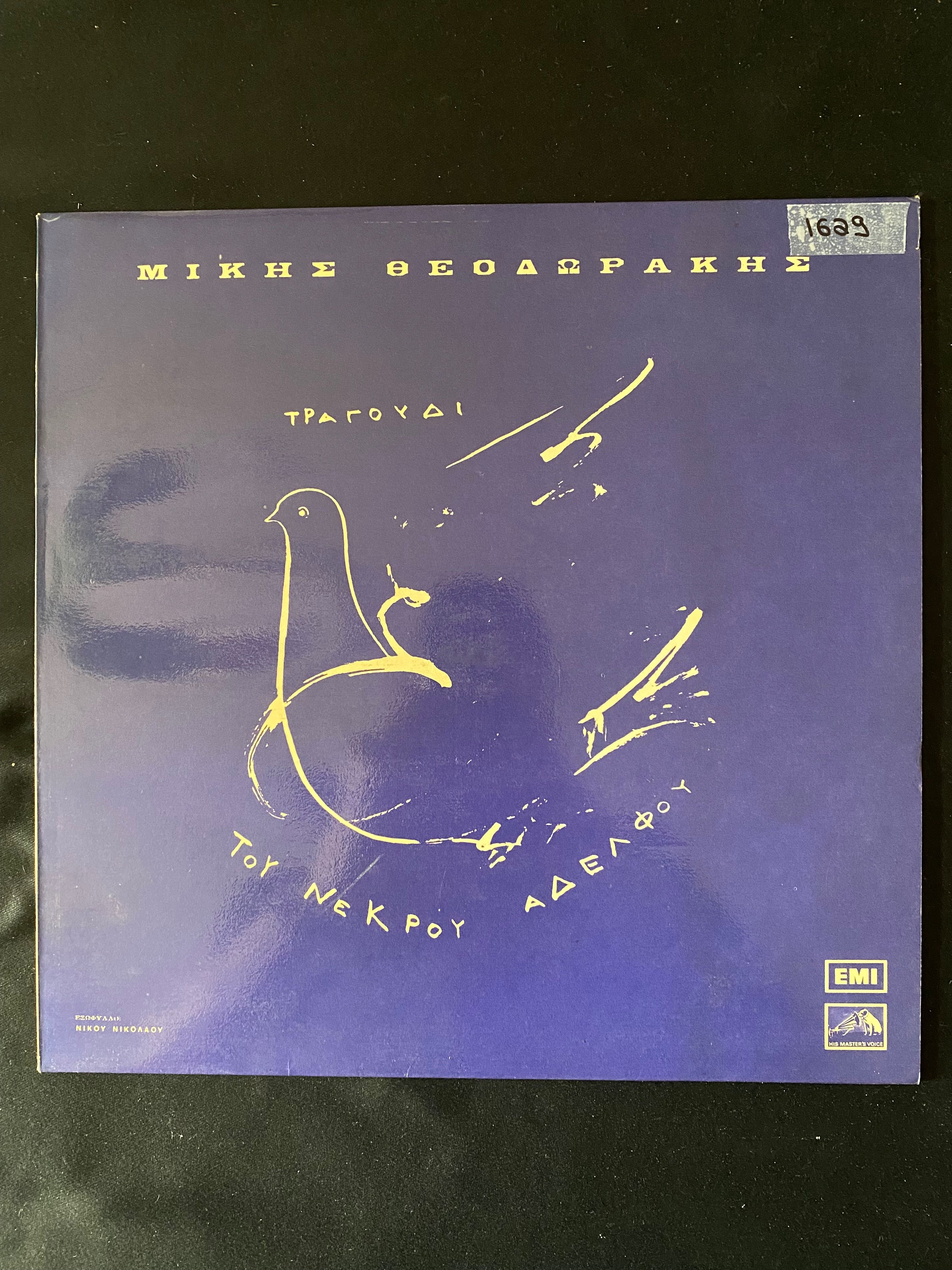
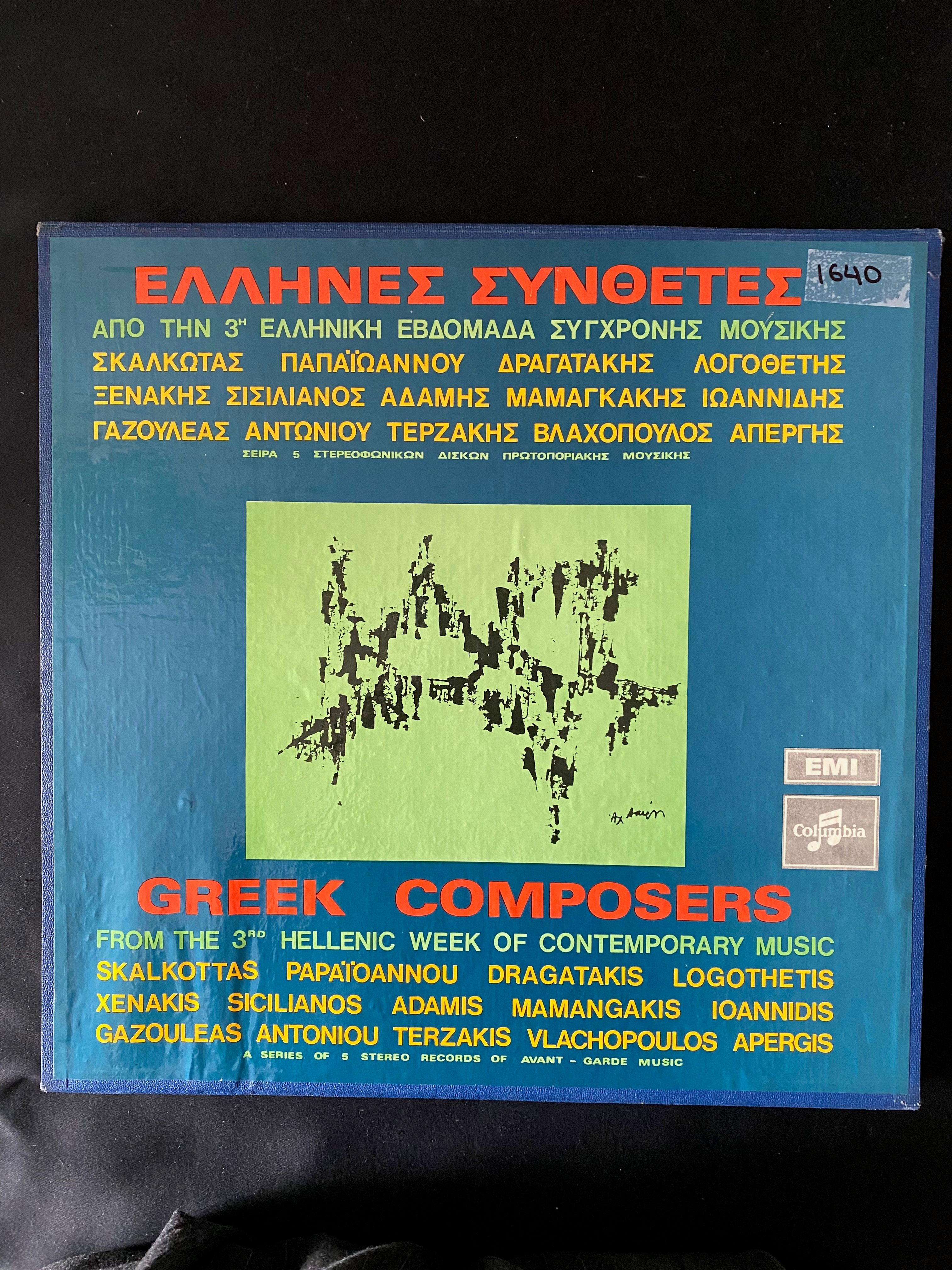
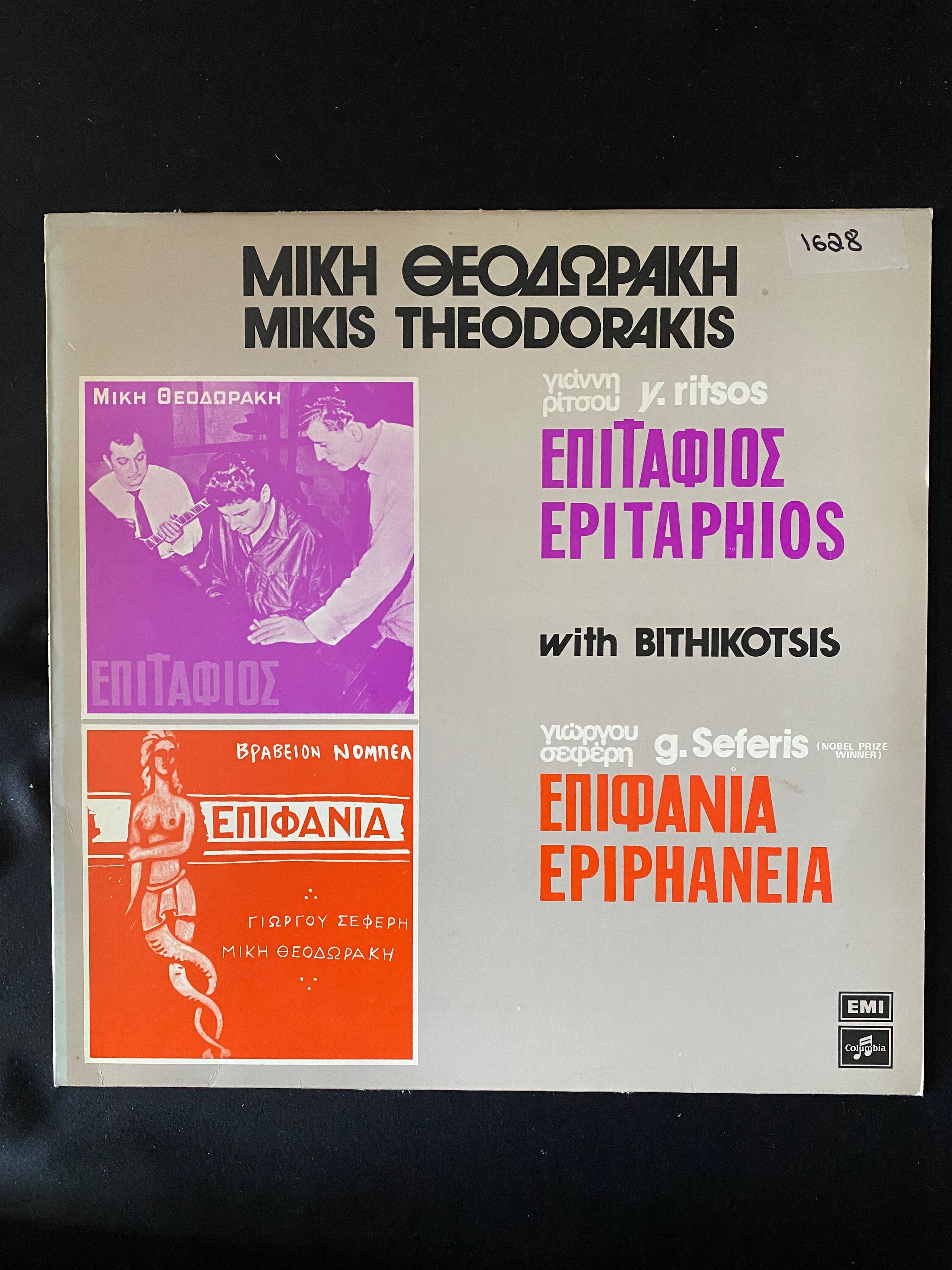
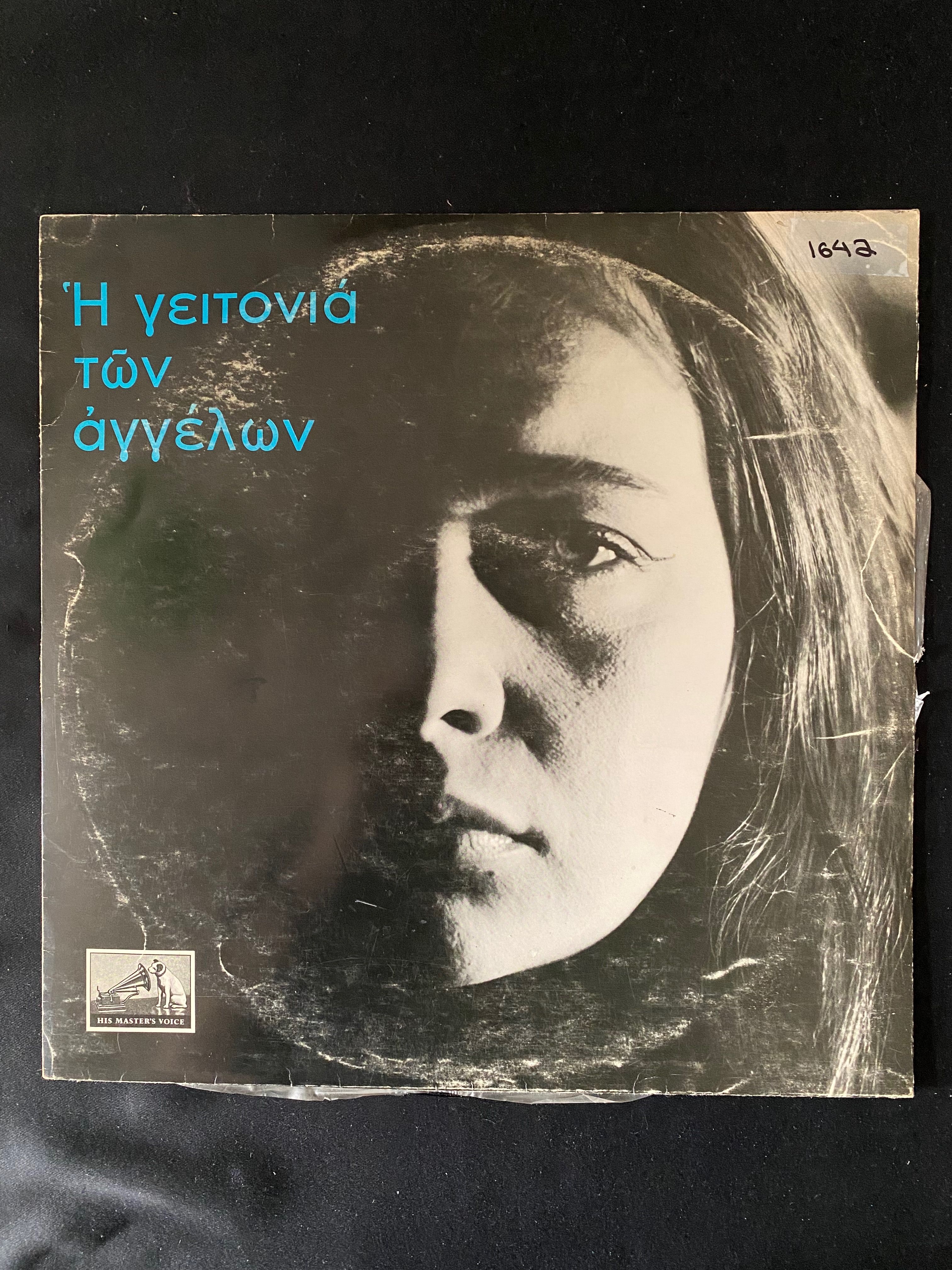
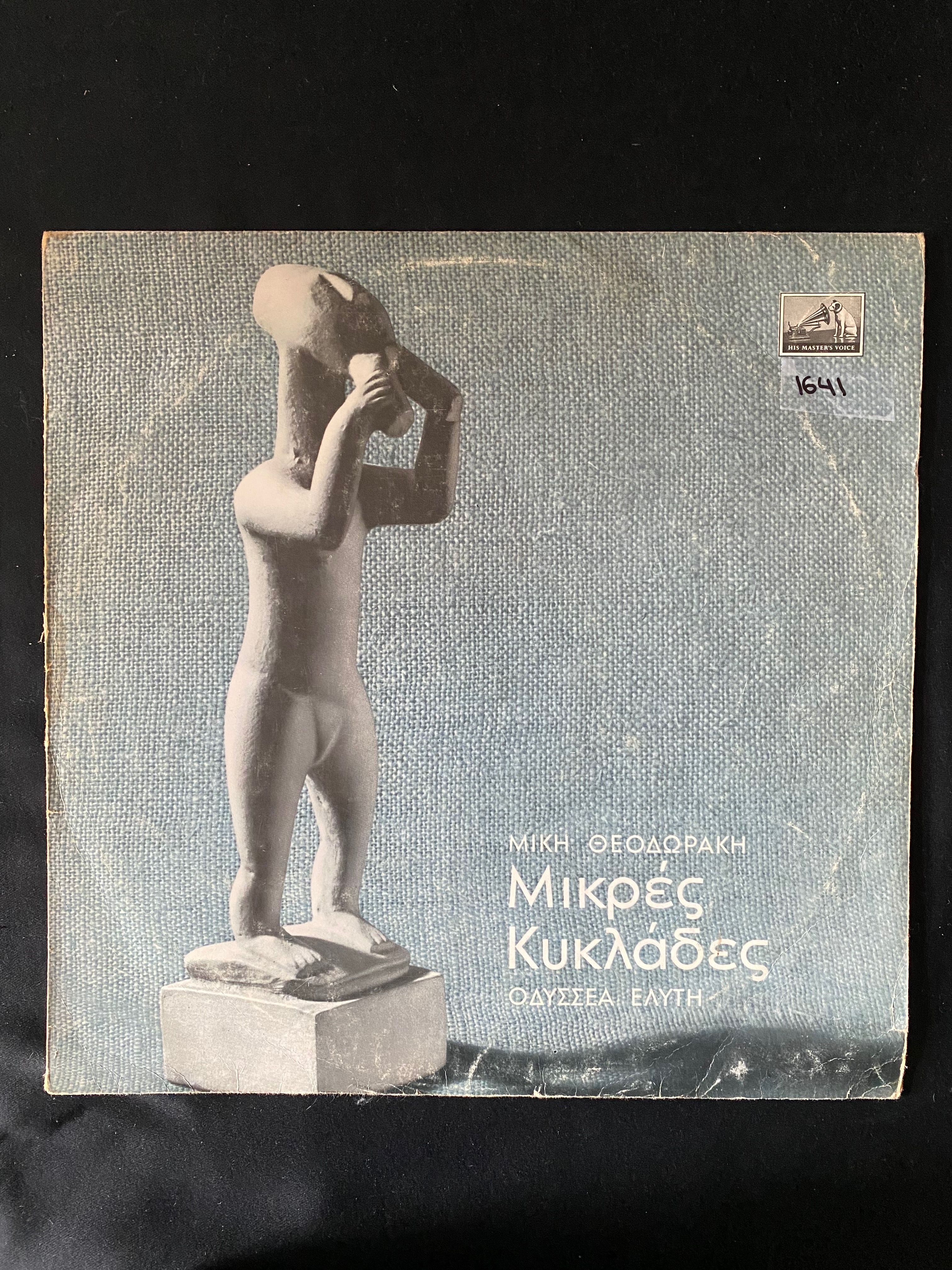
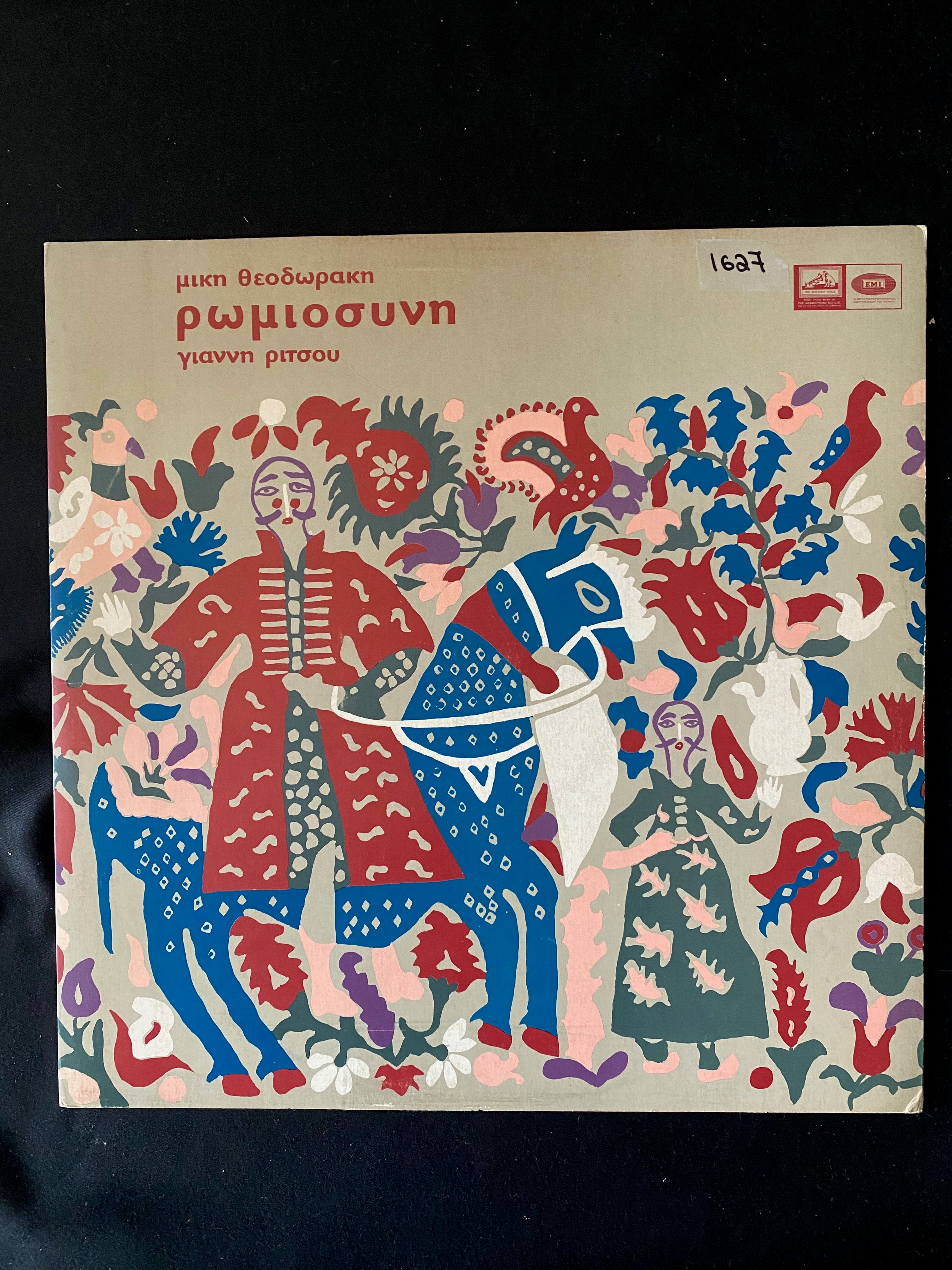
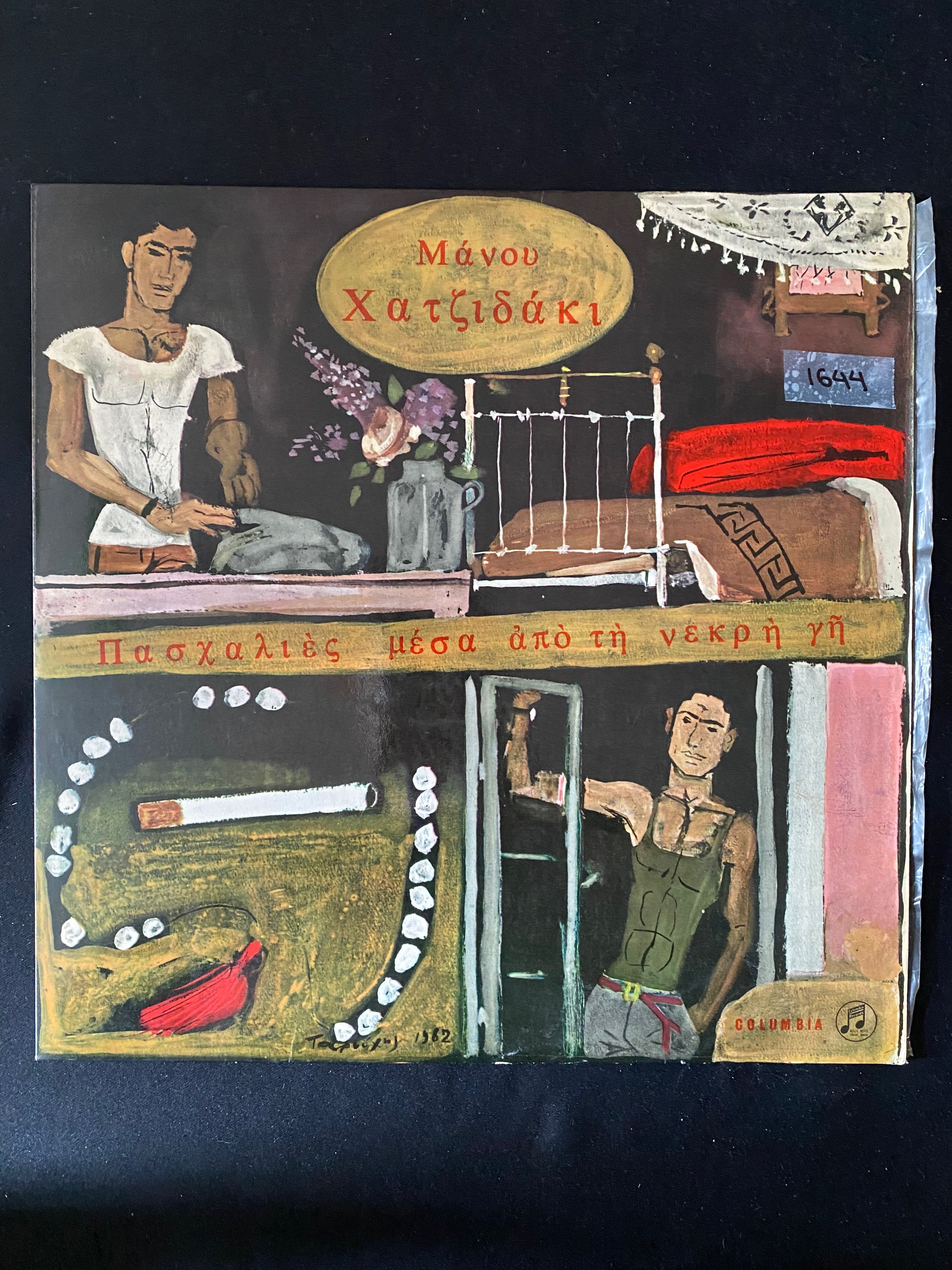
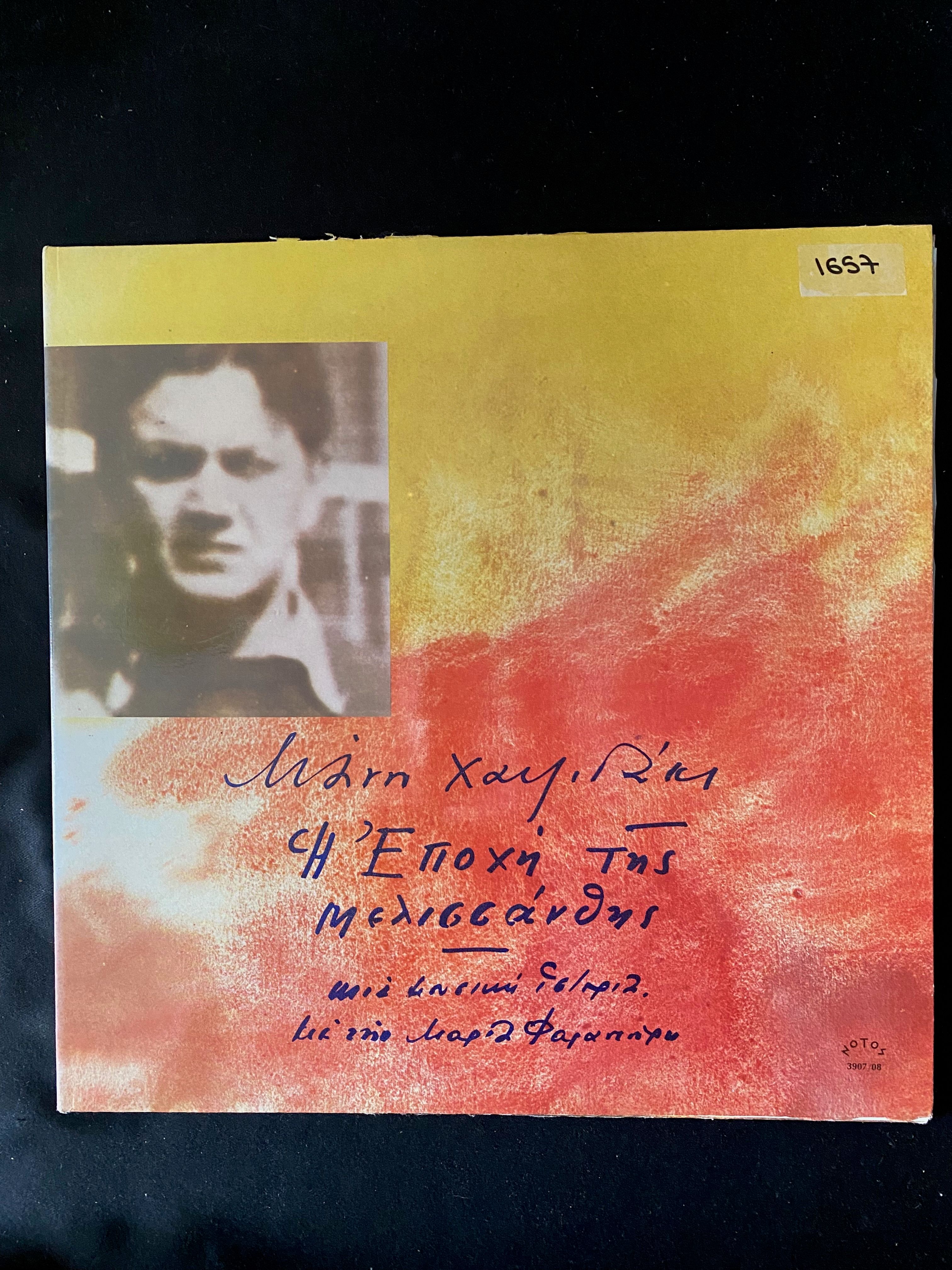
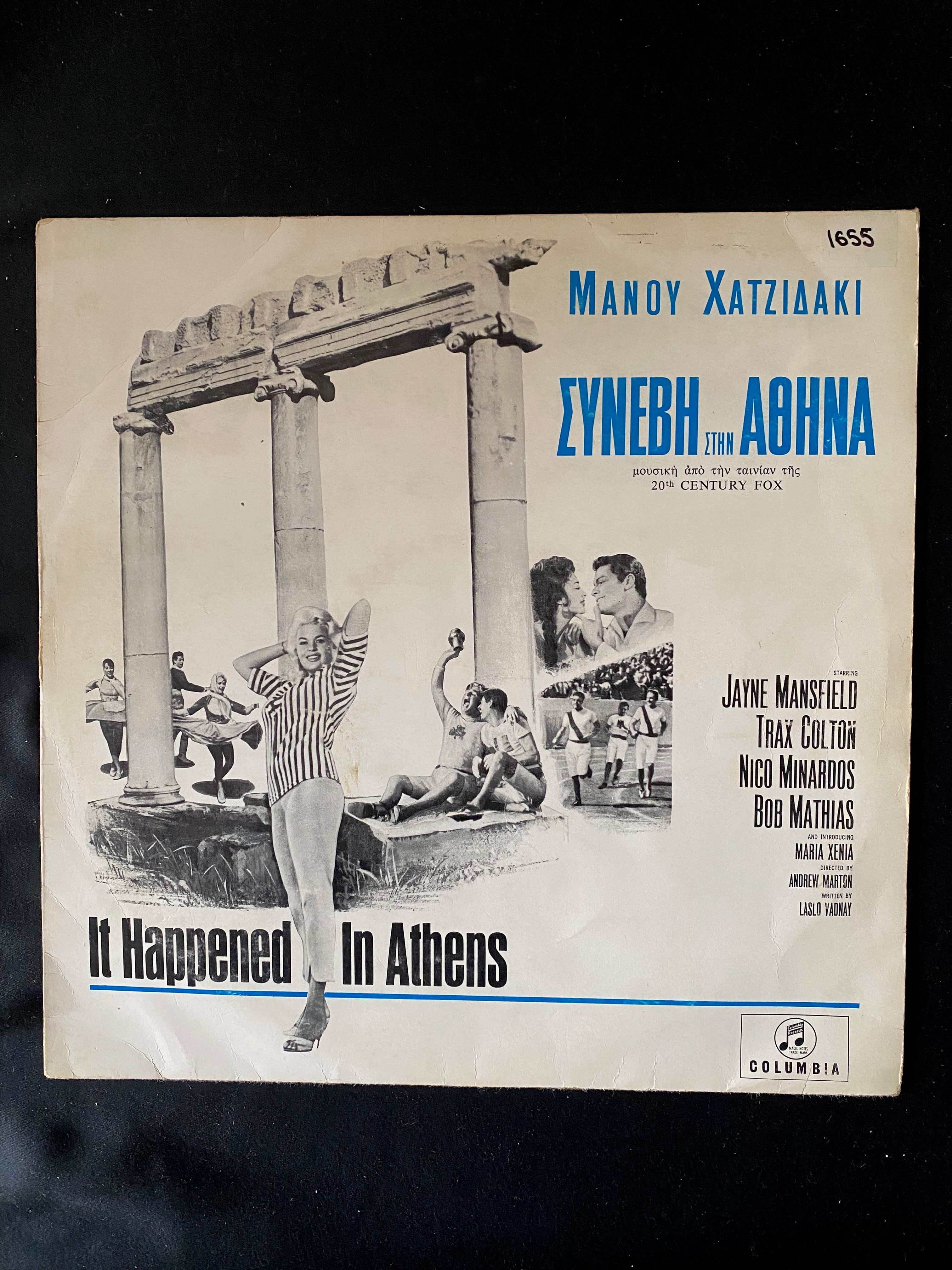
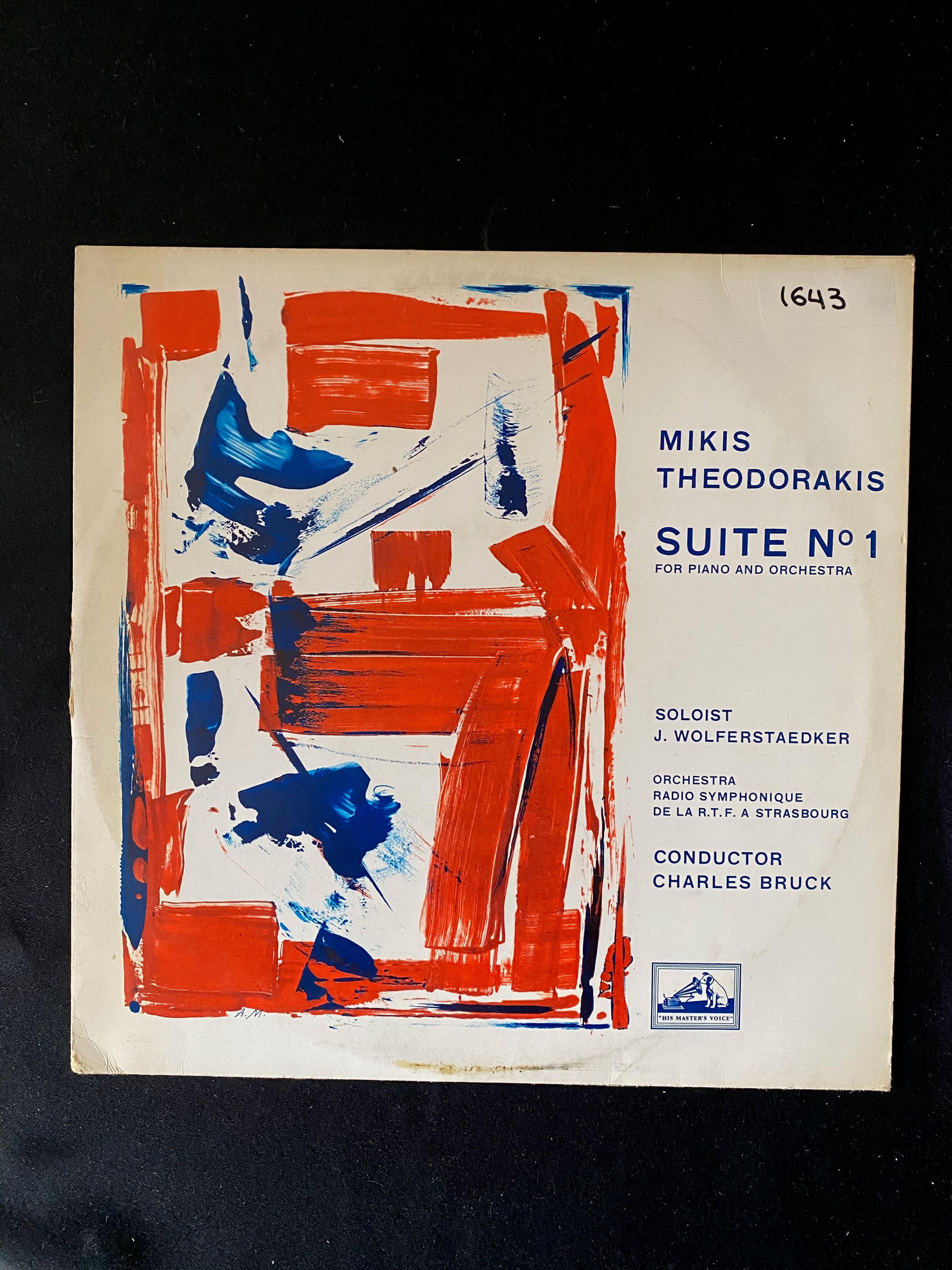
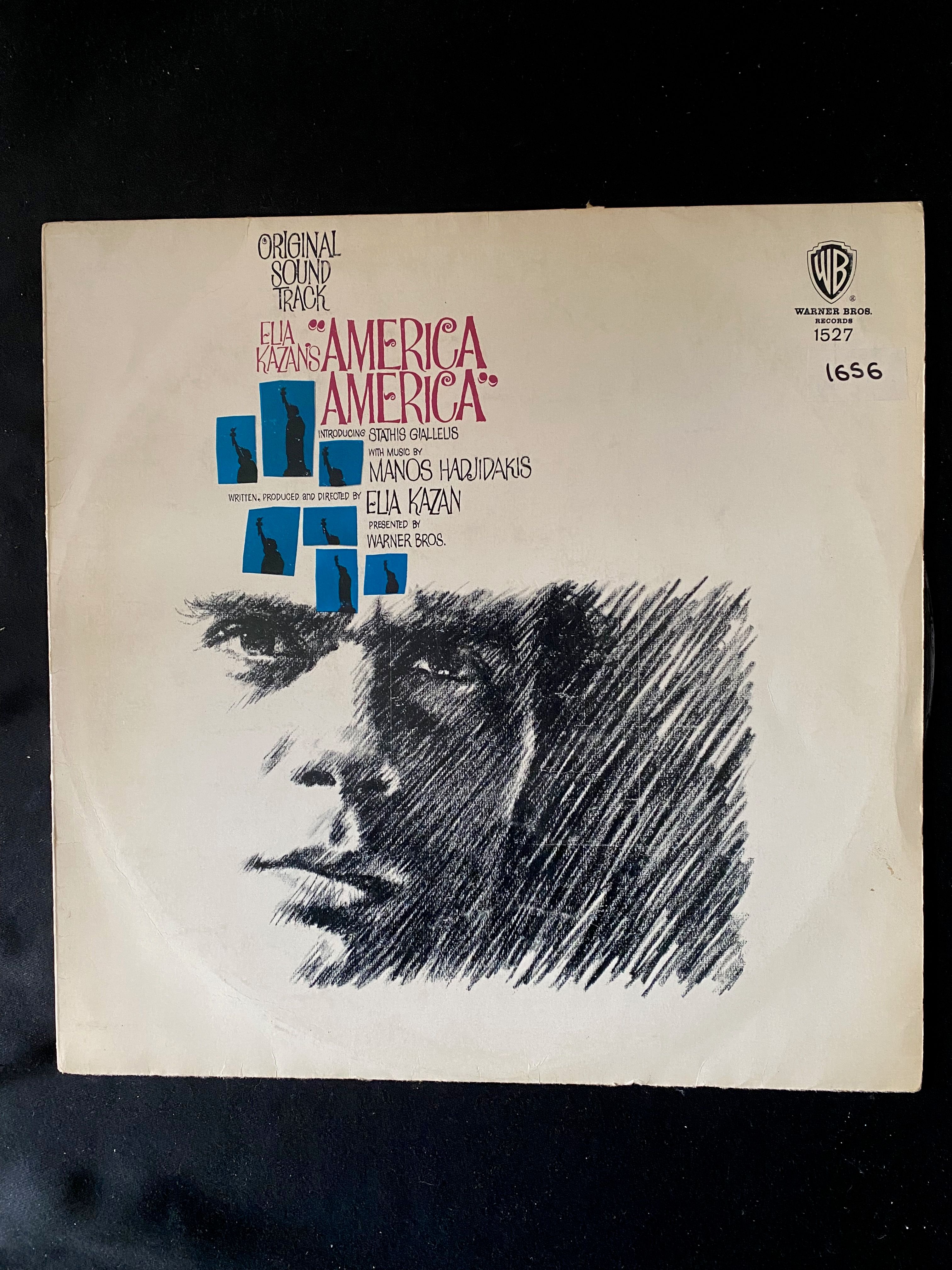
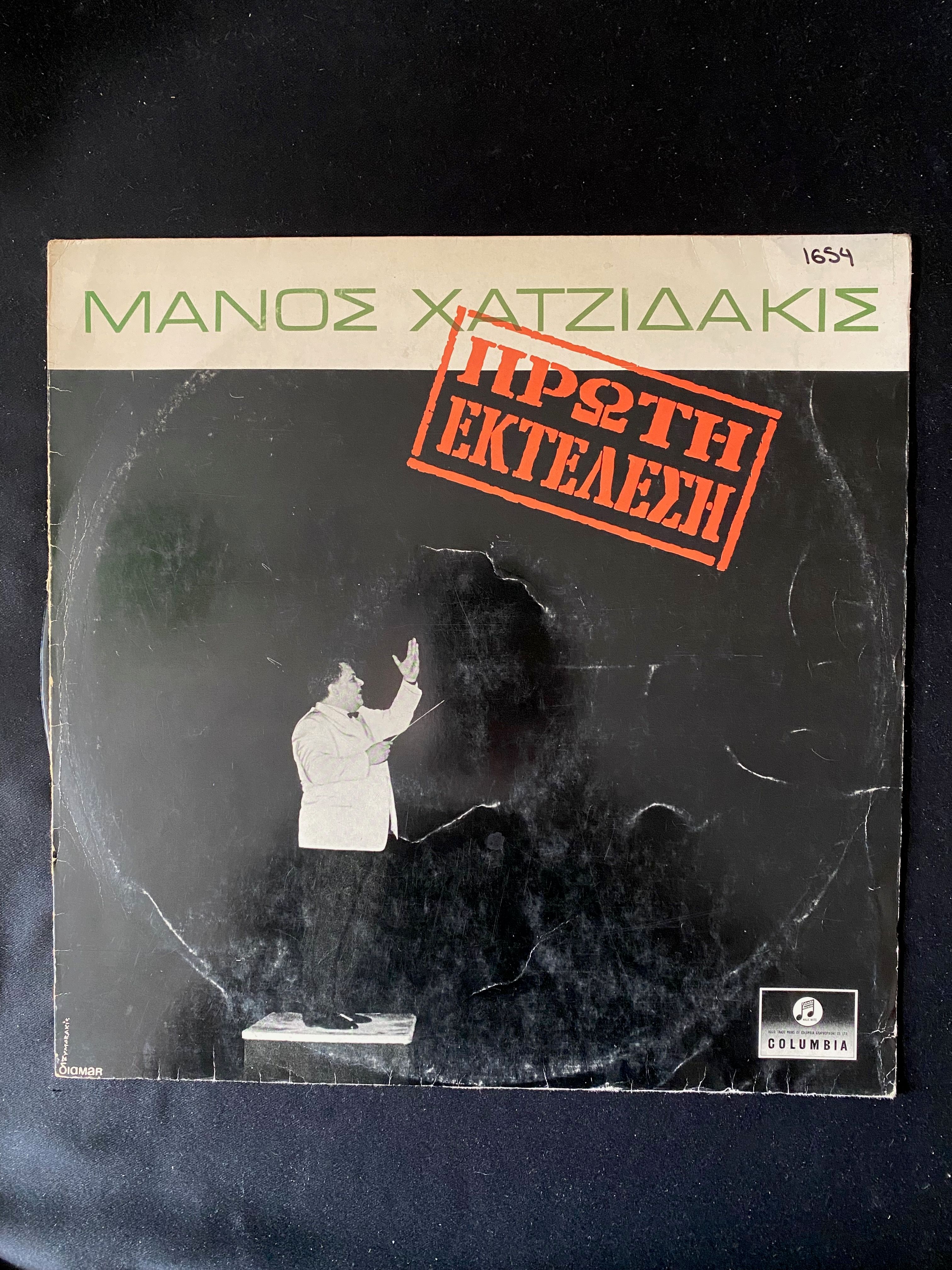
A curated collection of Greek music vinyl records, bringing together recordings by significant Greek composers and performers.
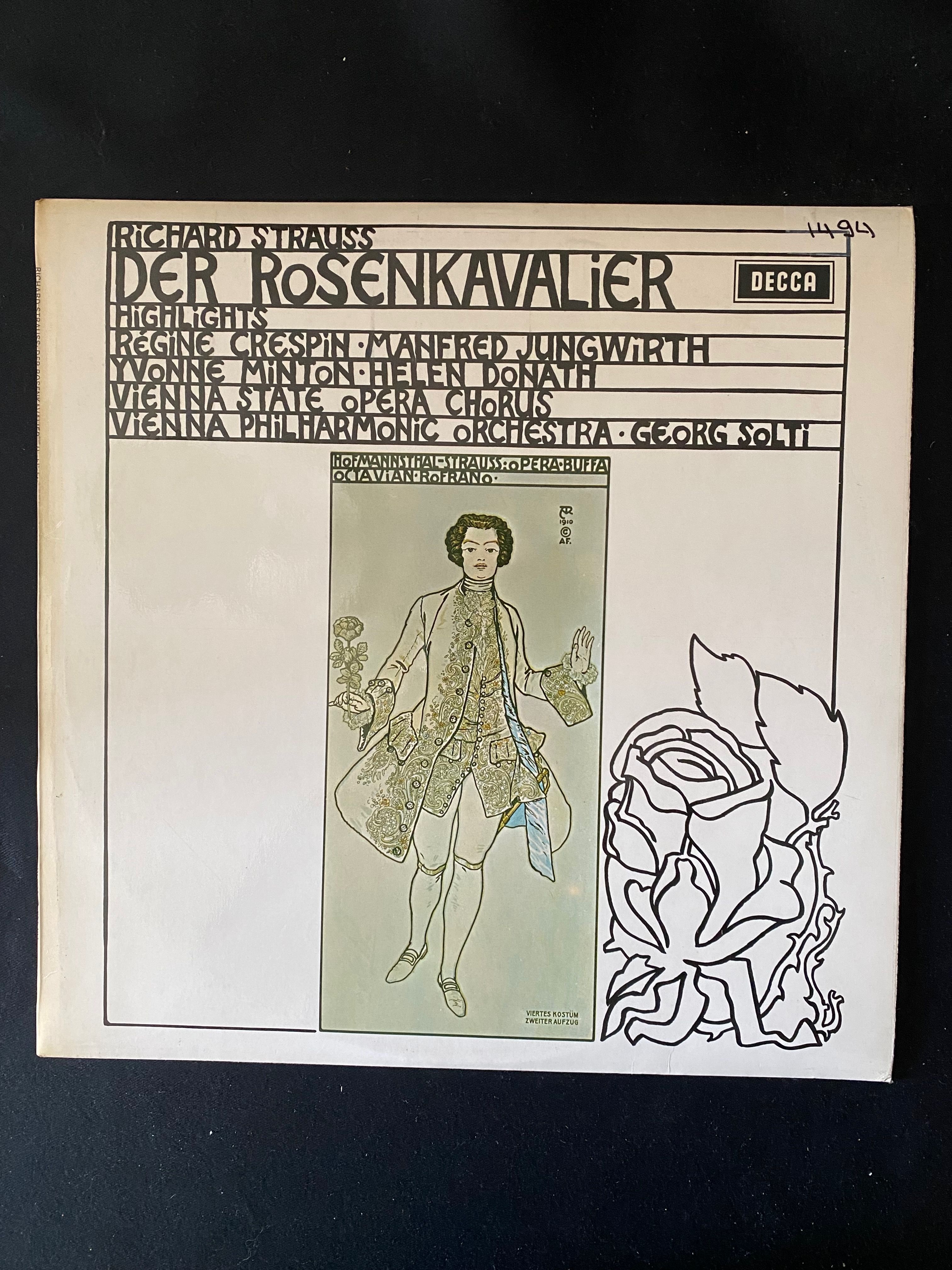
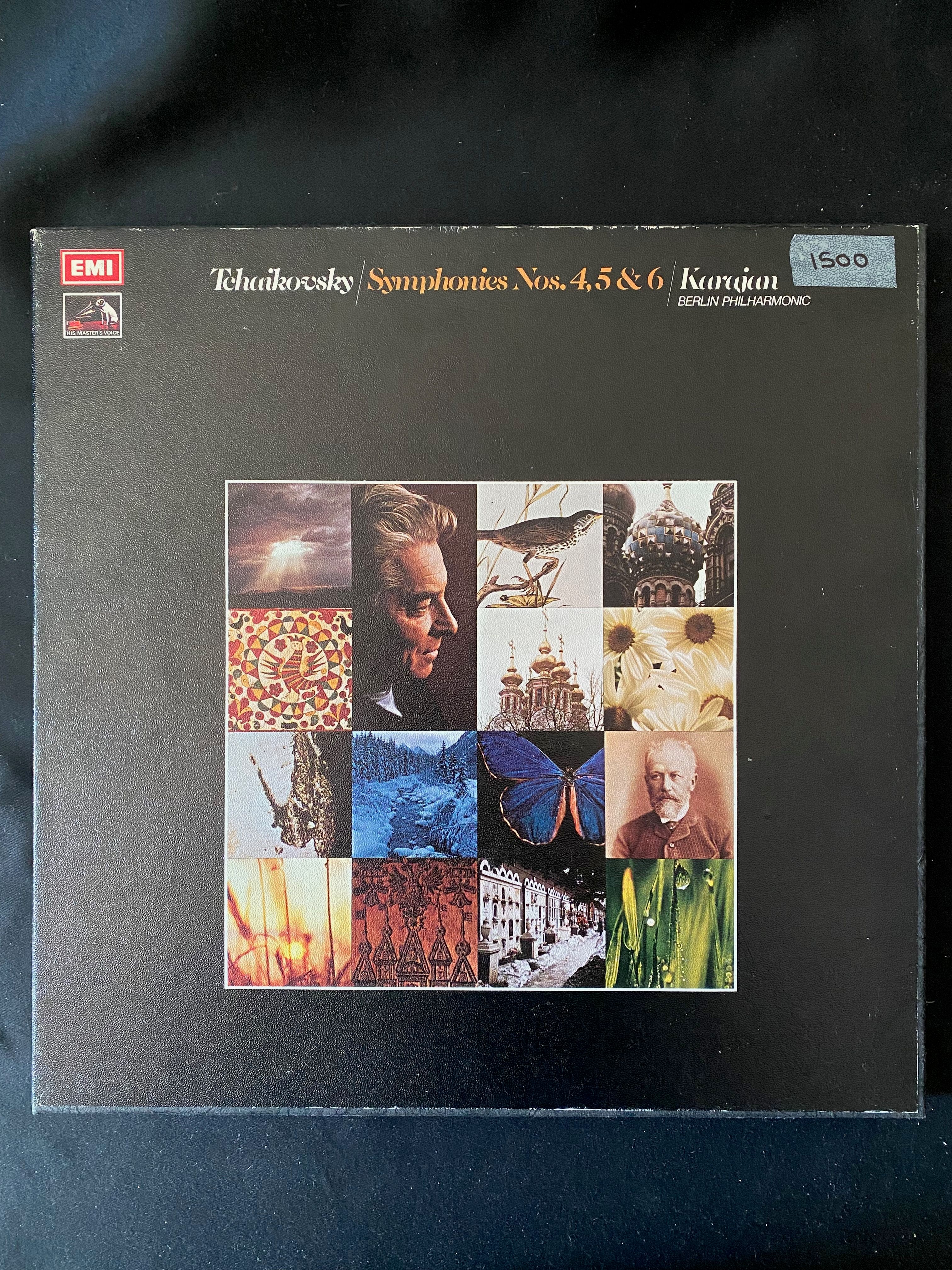
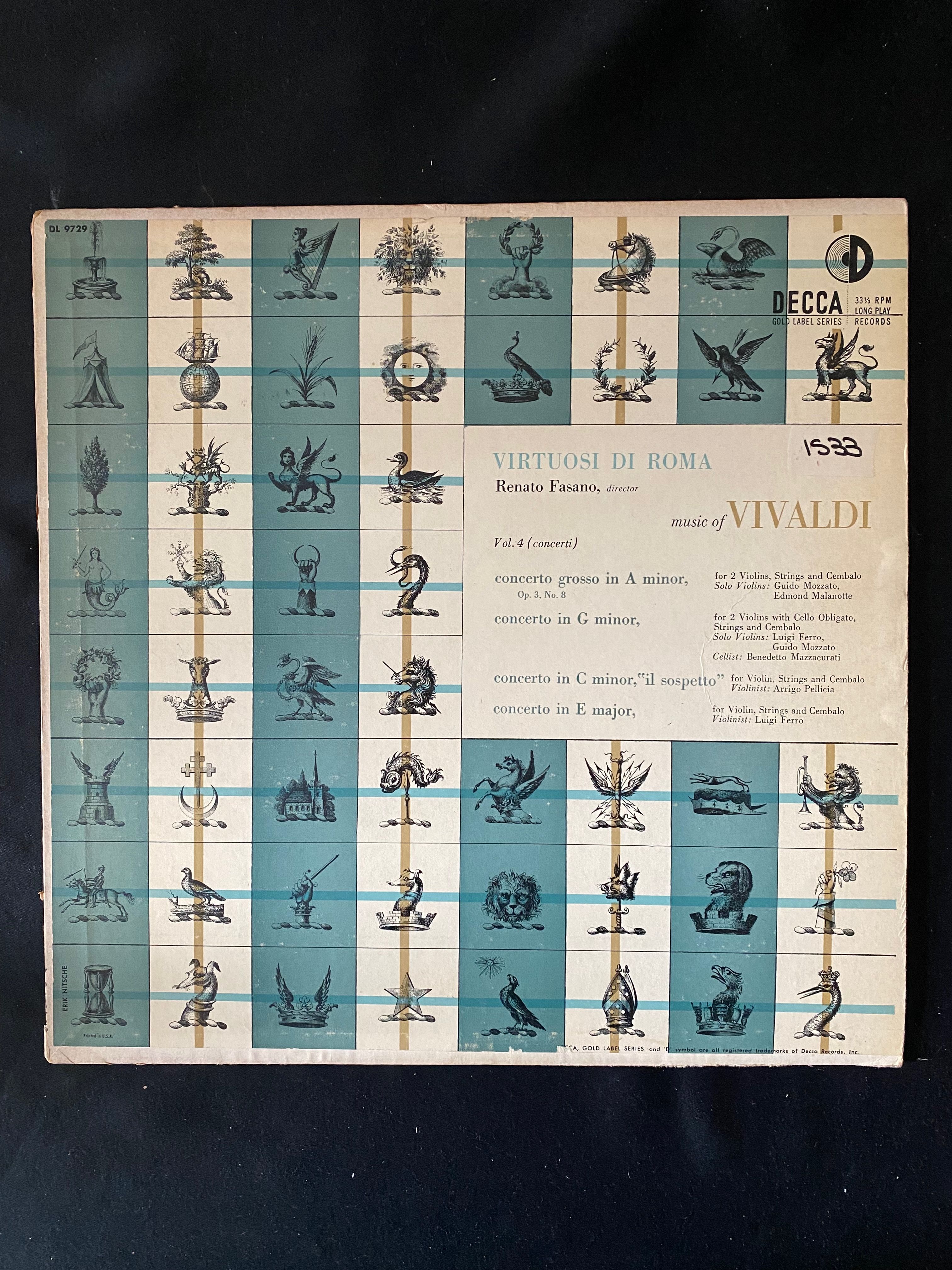
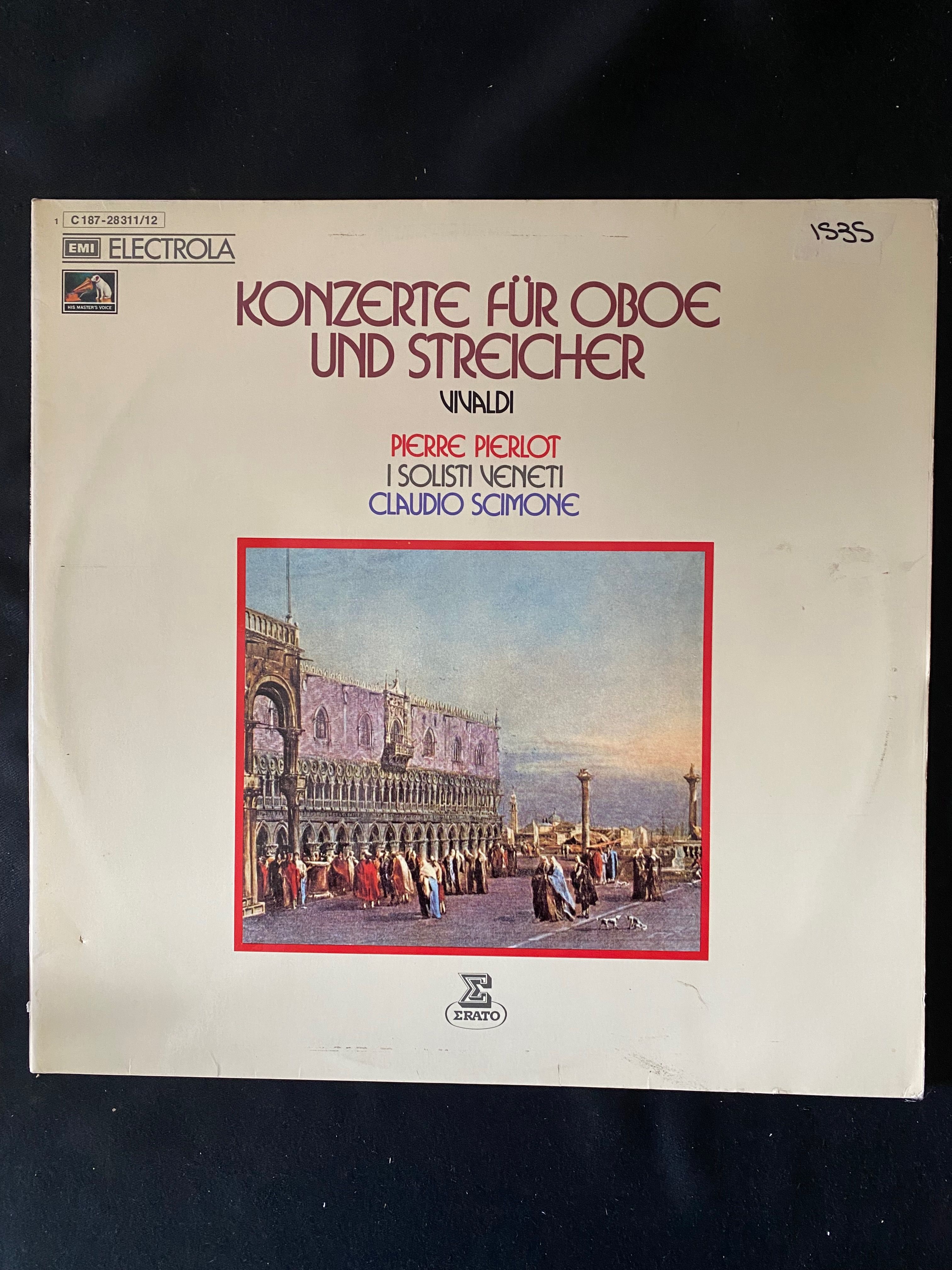
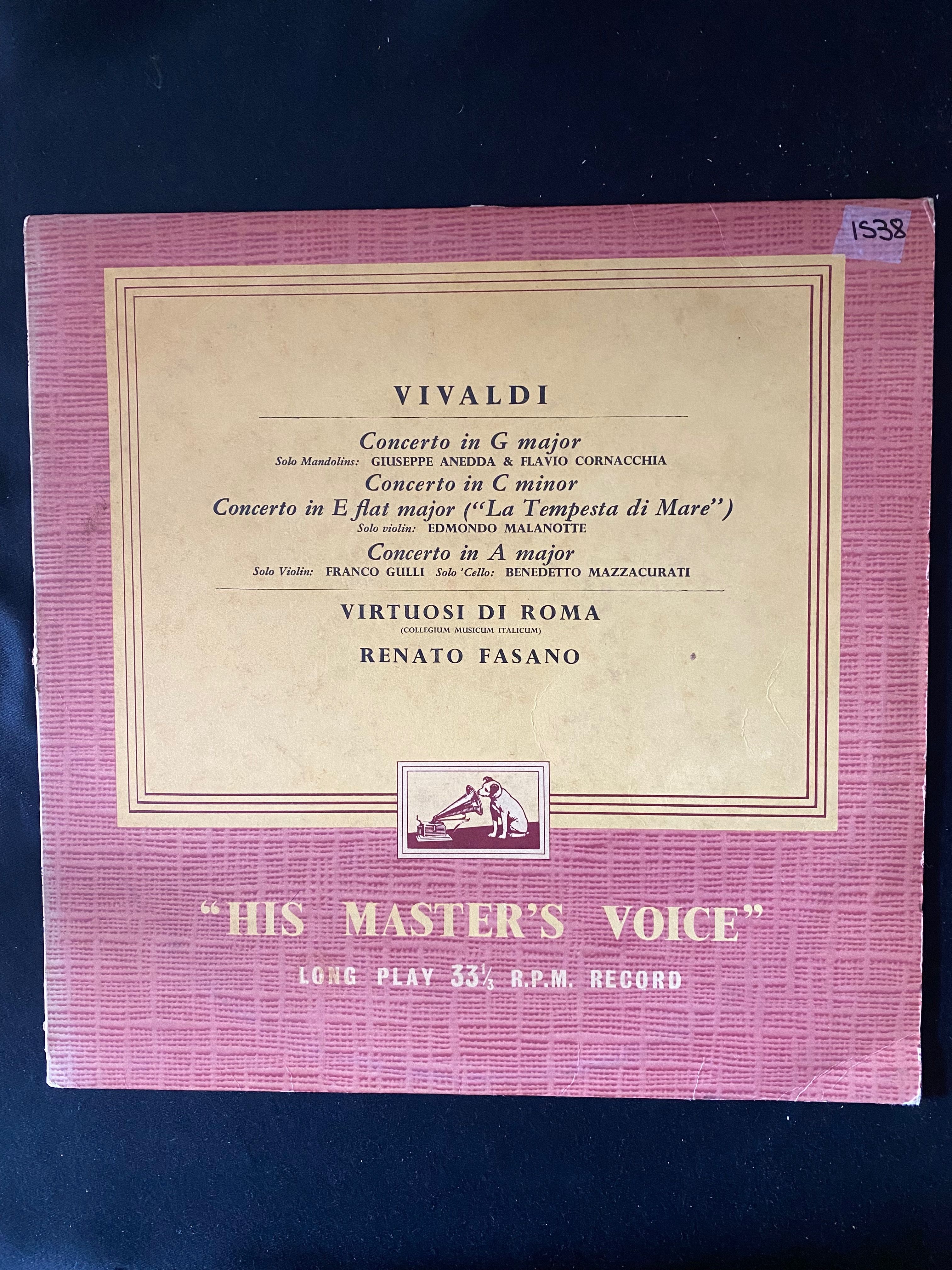
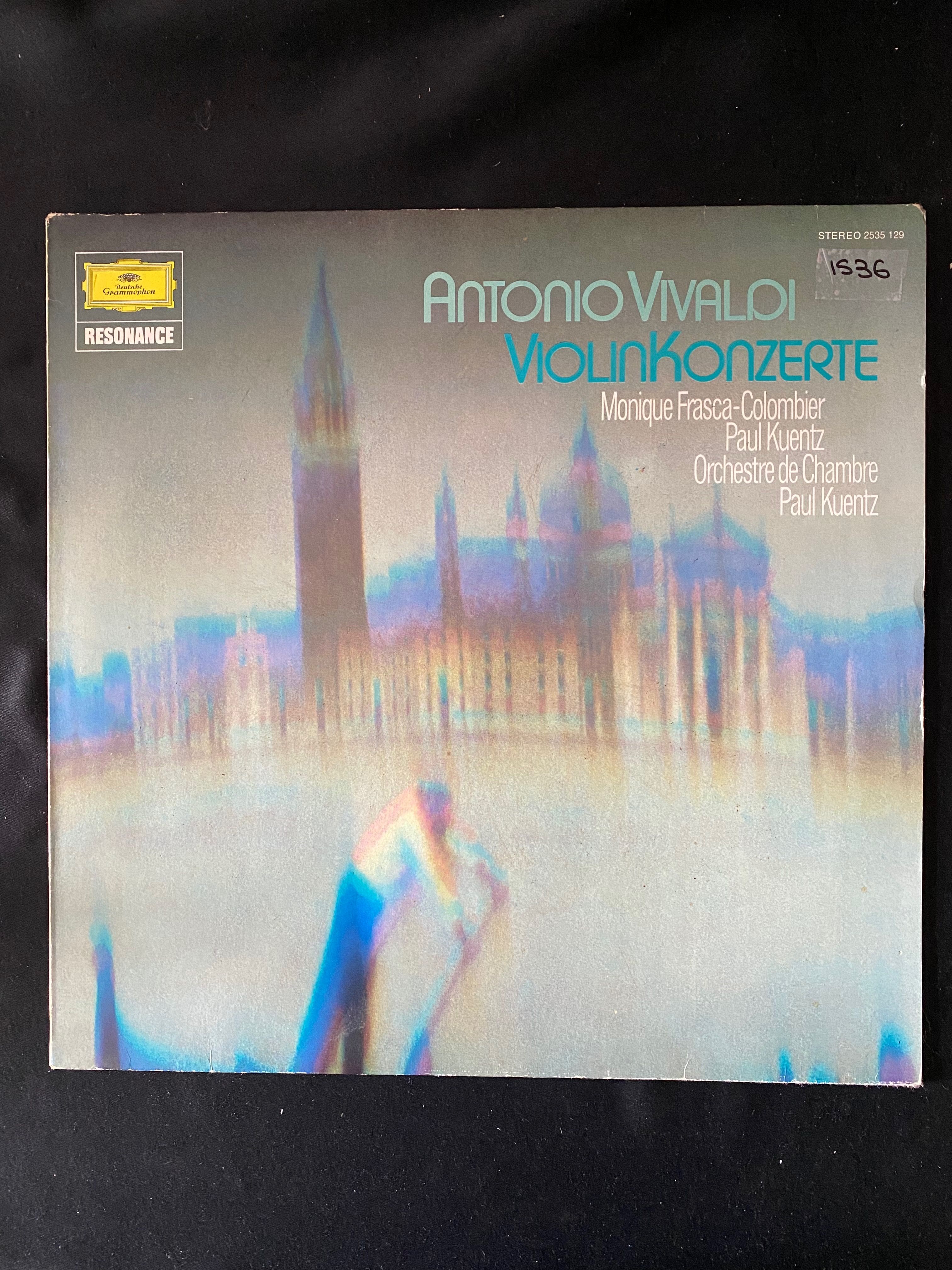
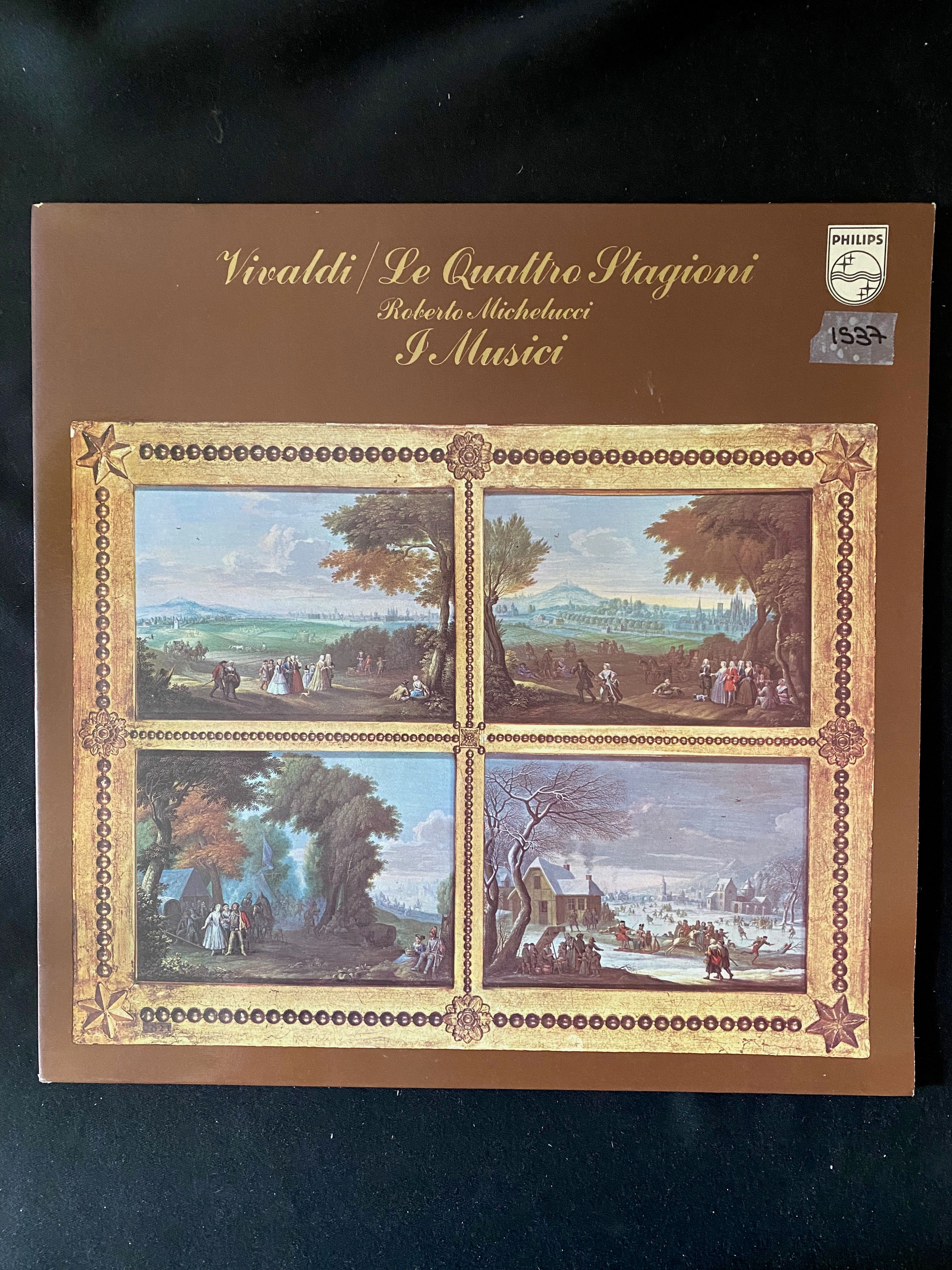
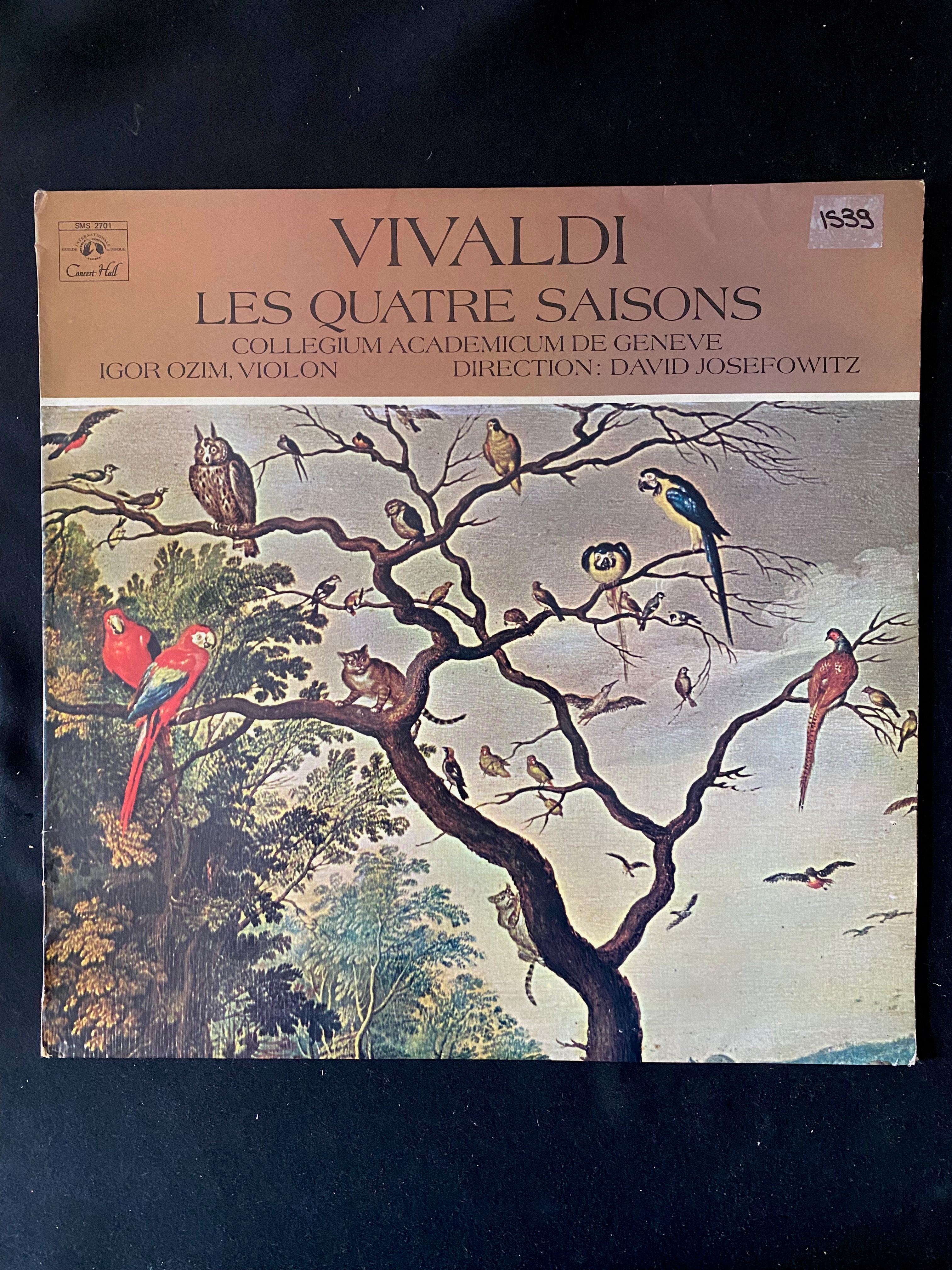
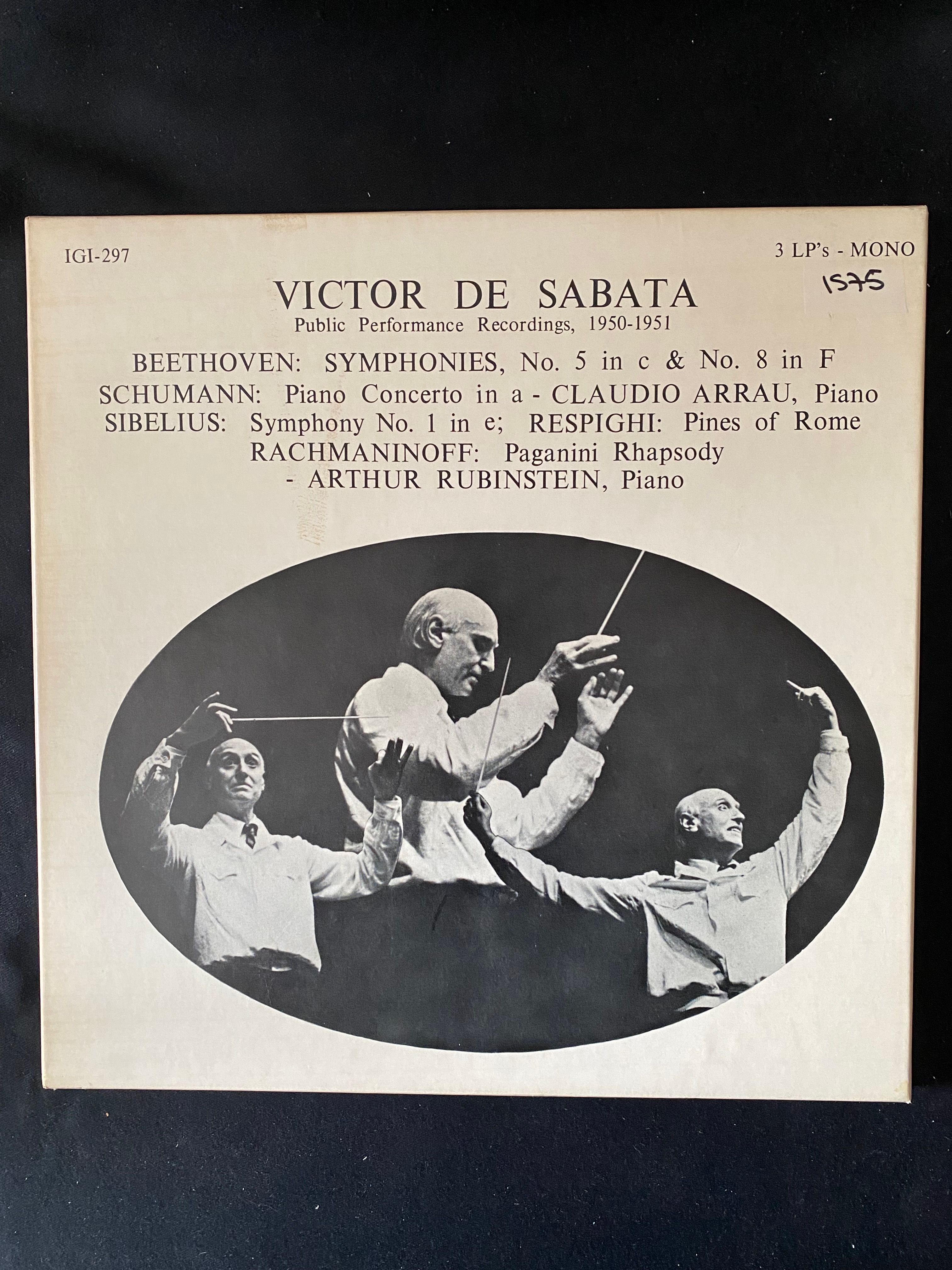
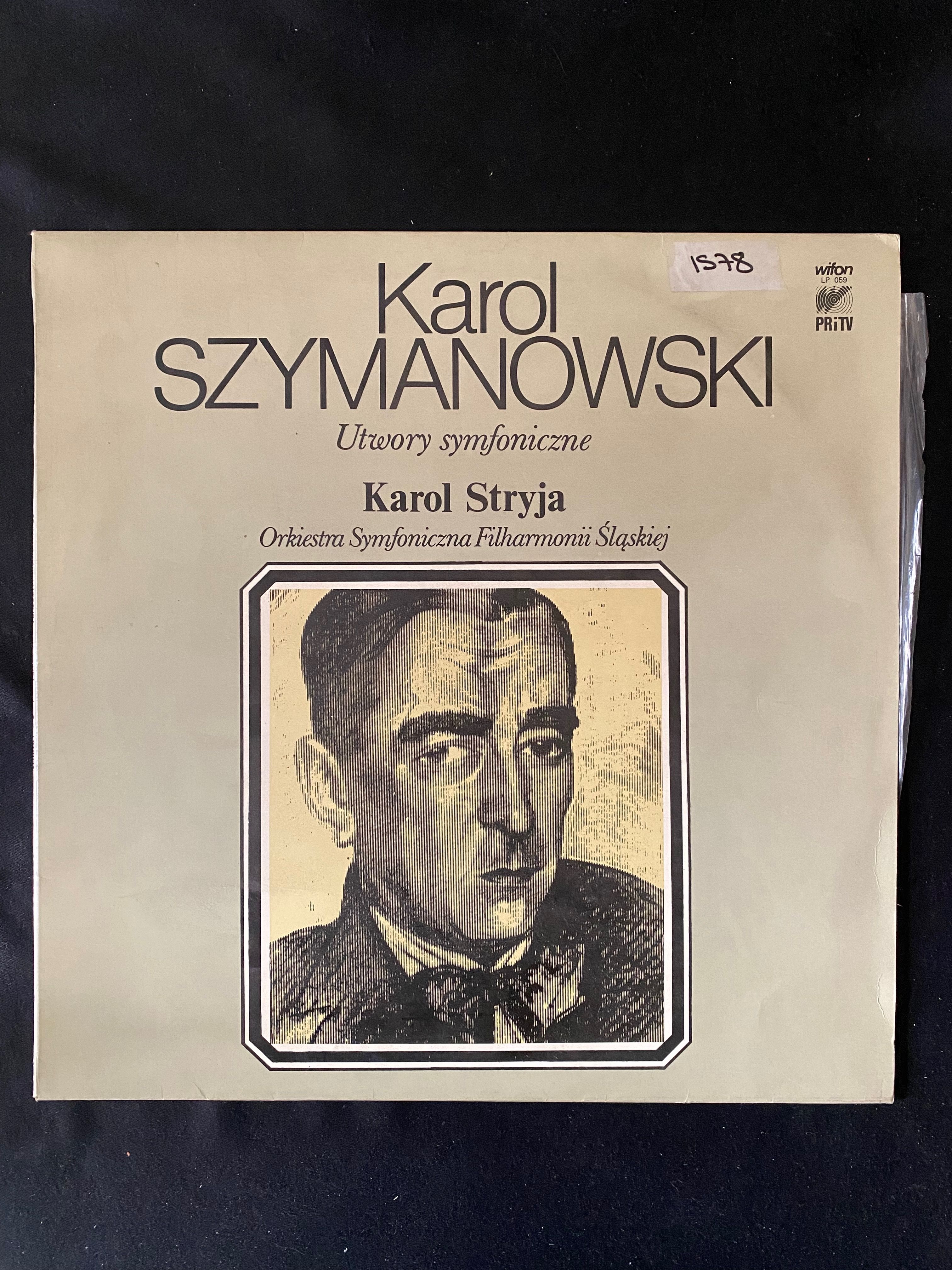
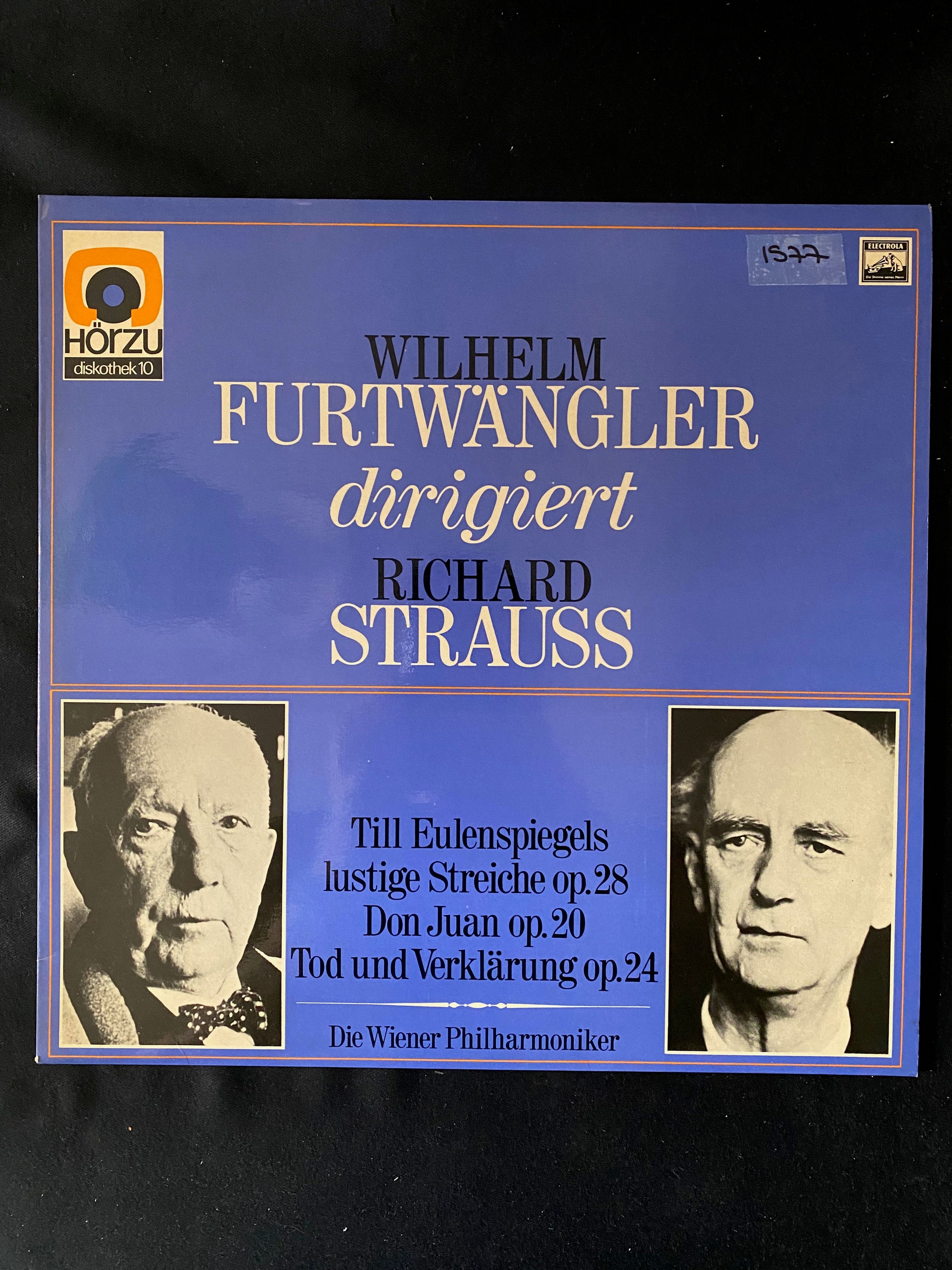
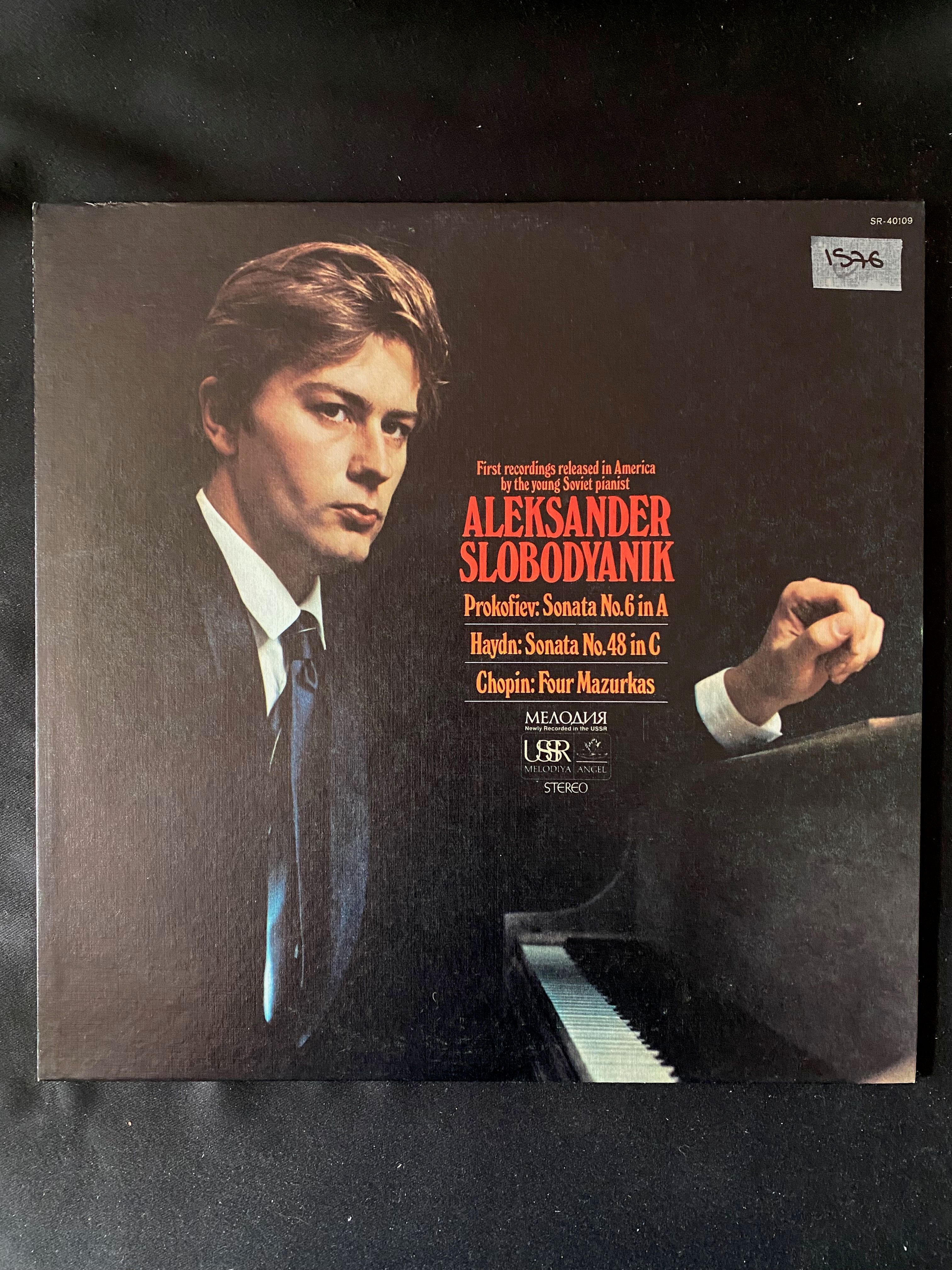
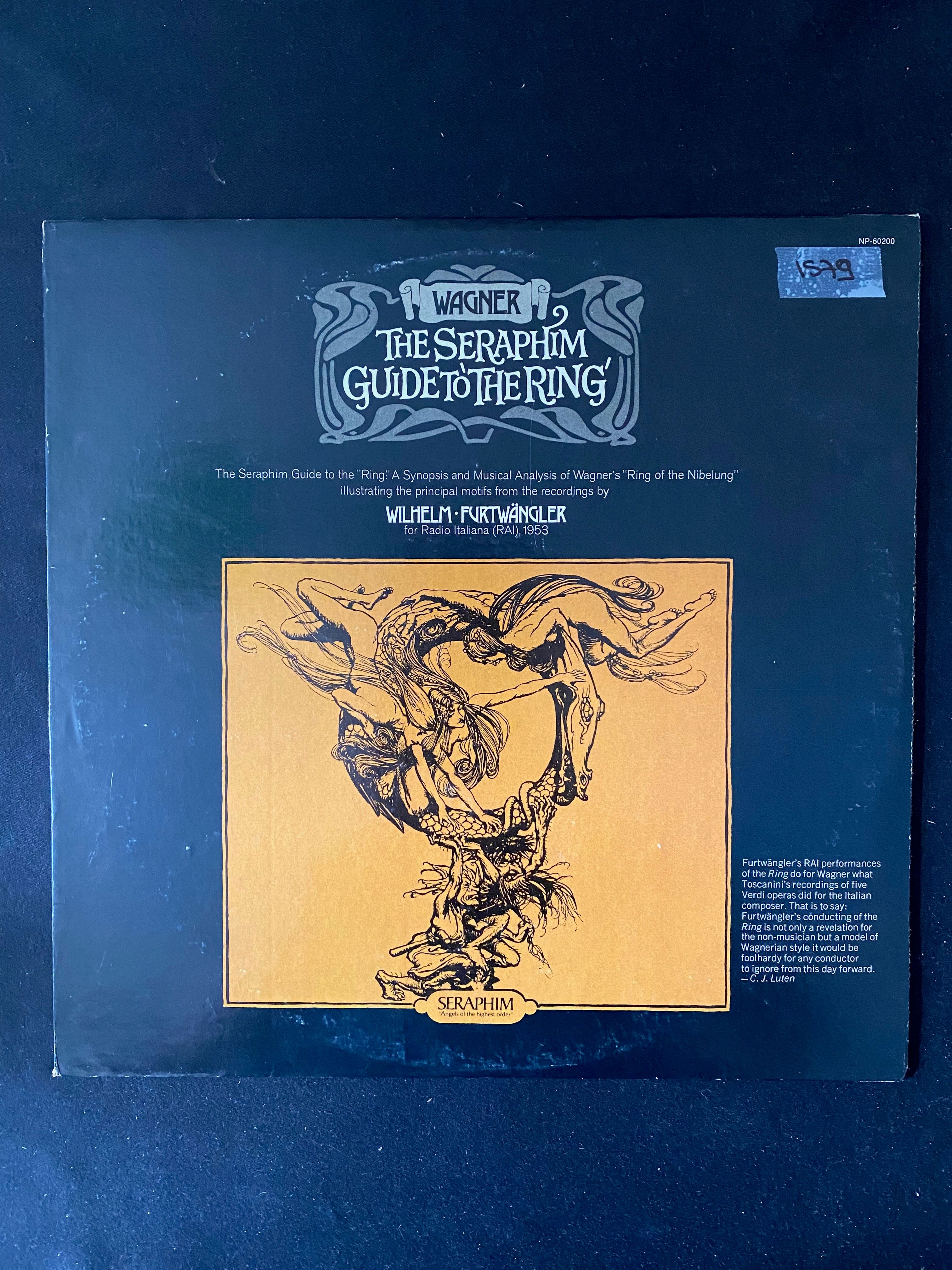
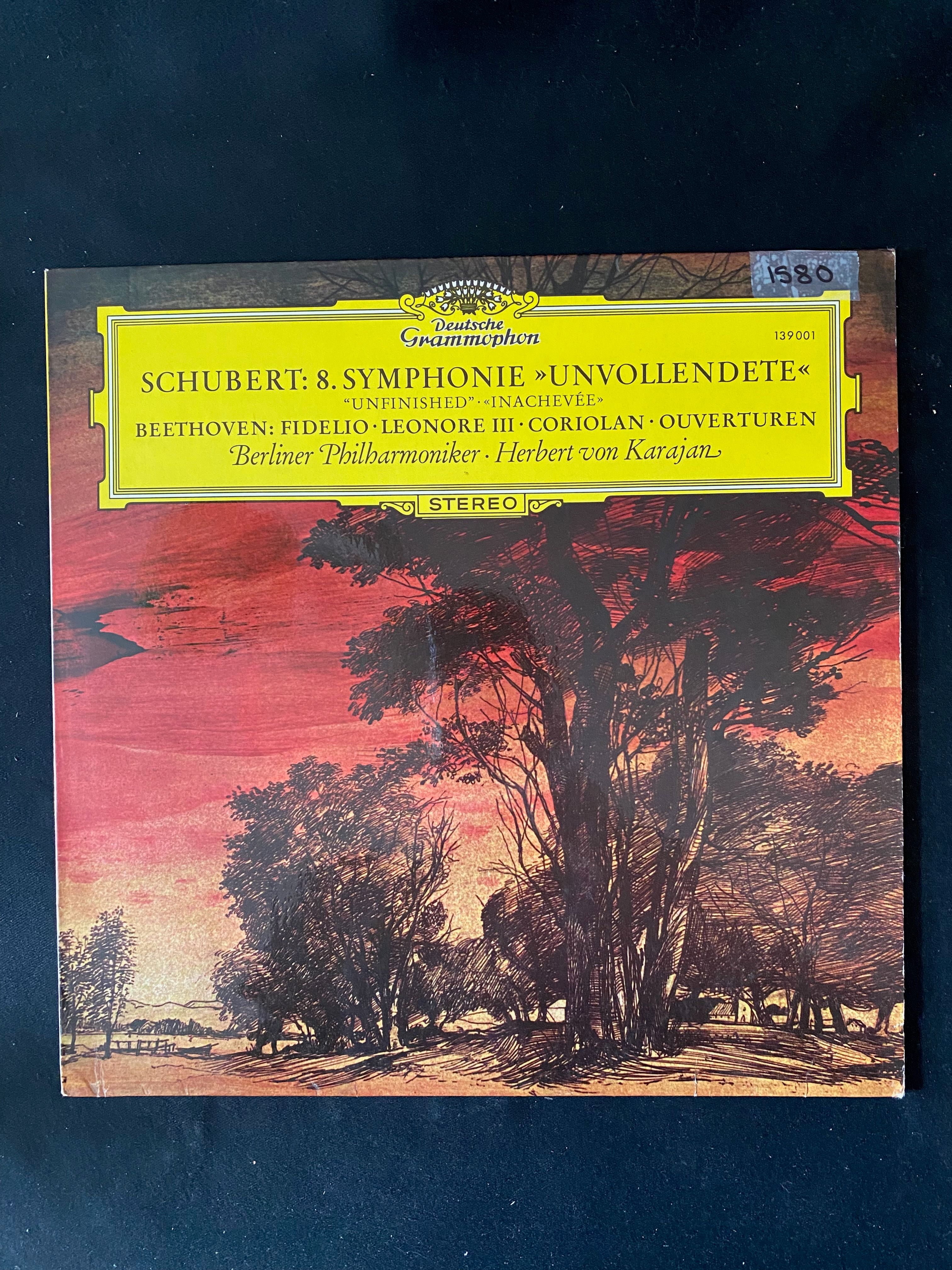
Vinyl records; a small sample from the rare and rich collection of Stavros Xarchakos. A musical treasure; the medium for journeys through eras, works, composers, and unique performances.
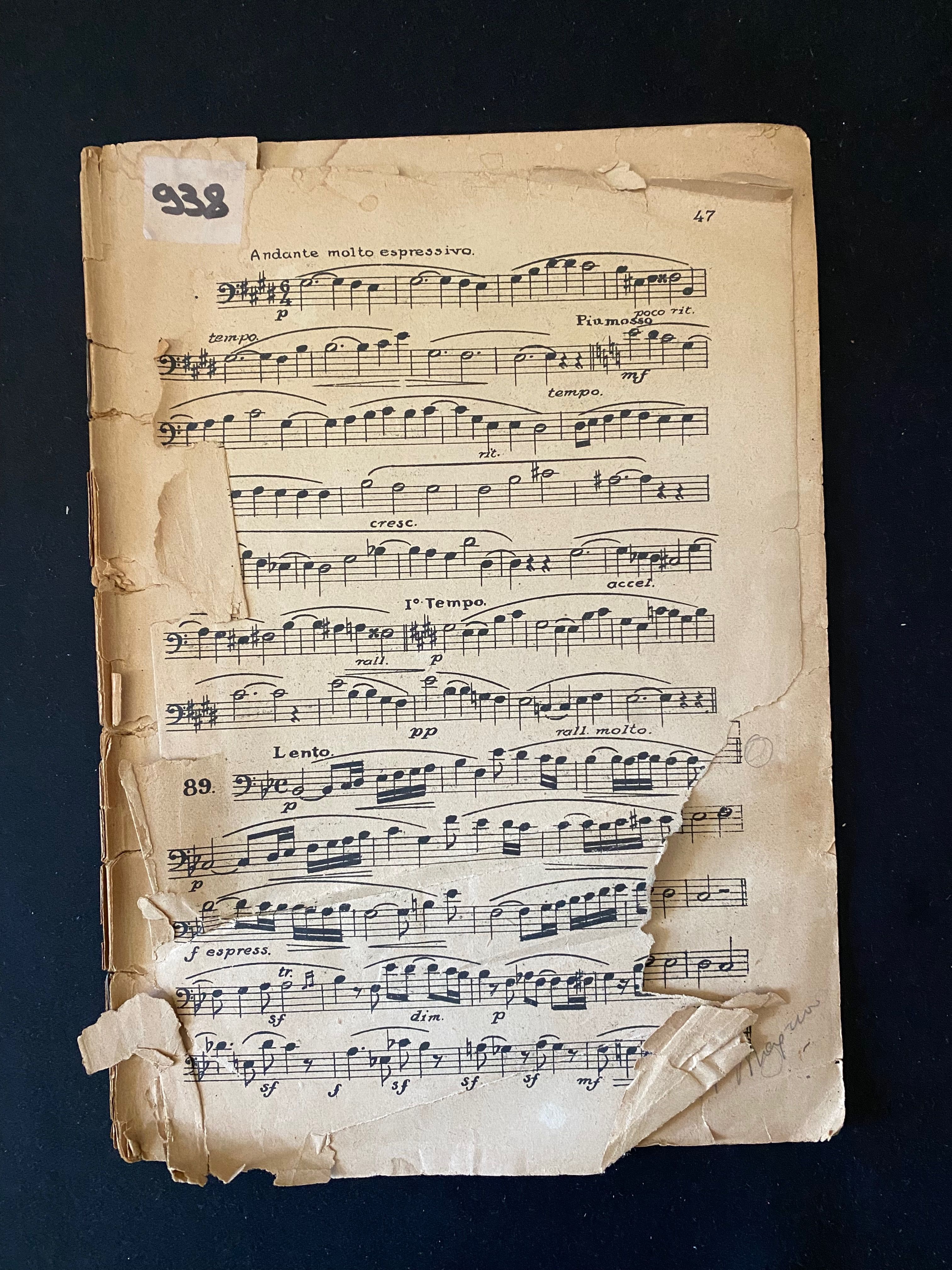
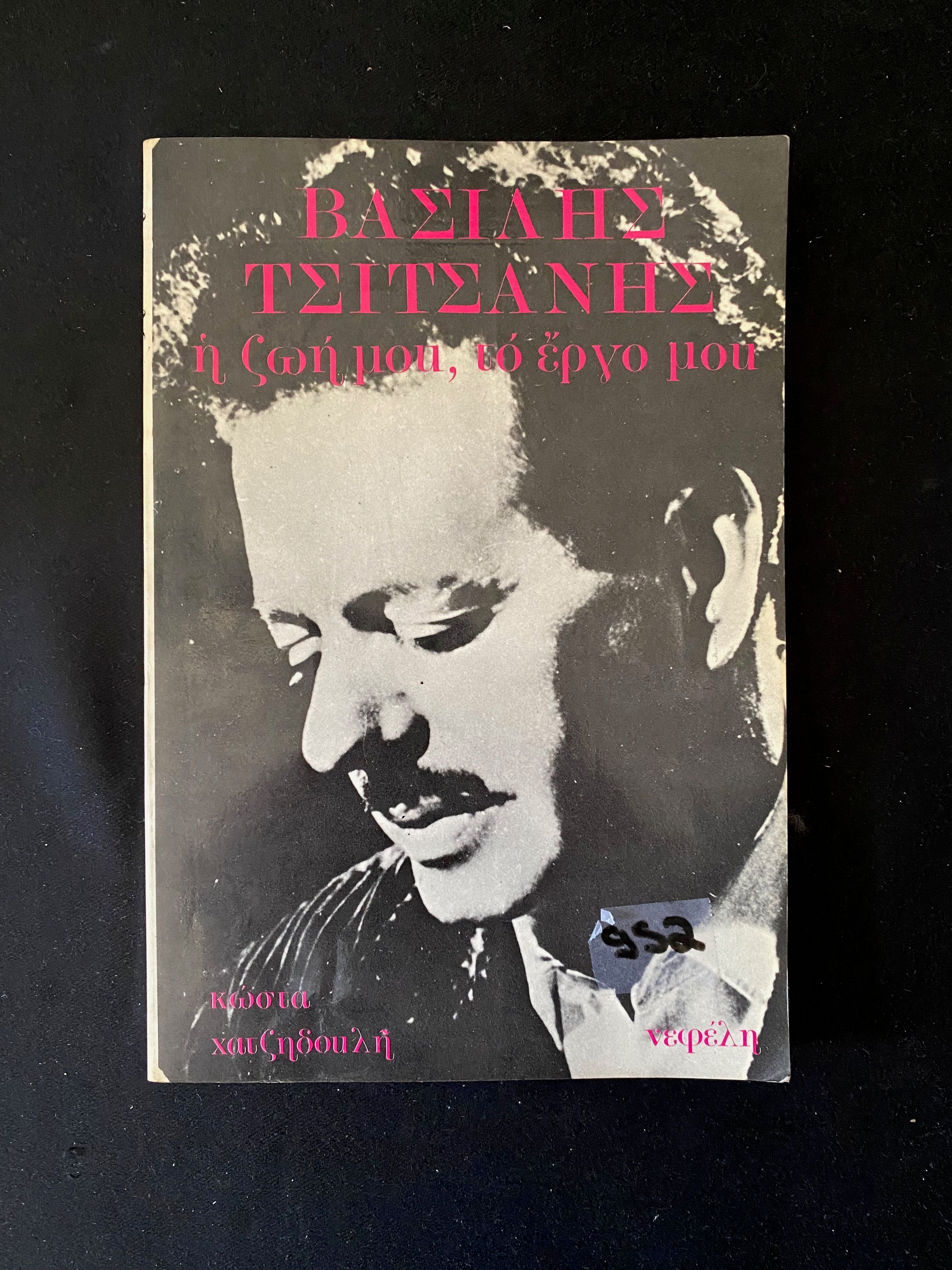
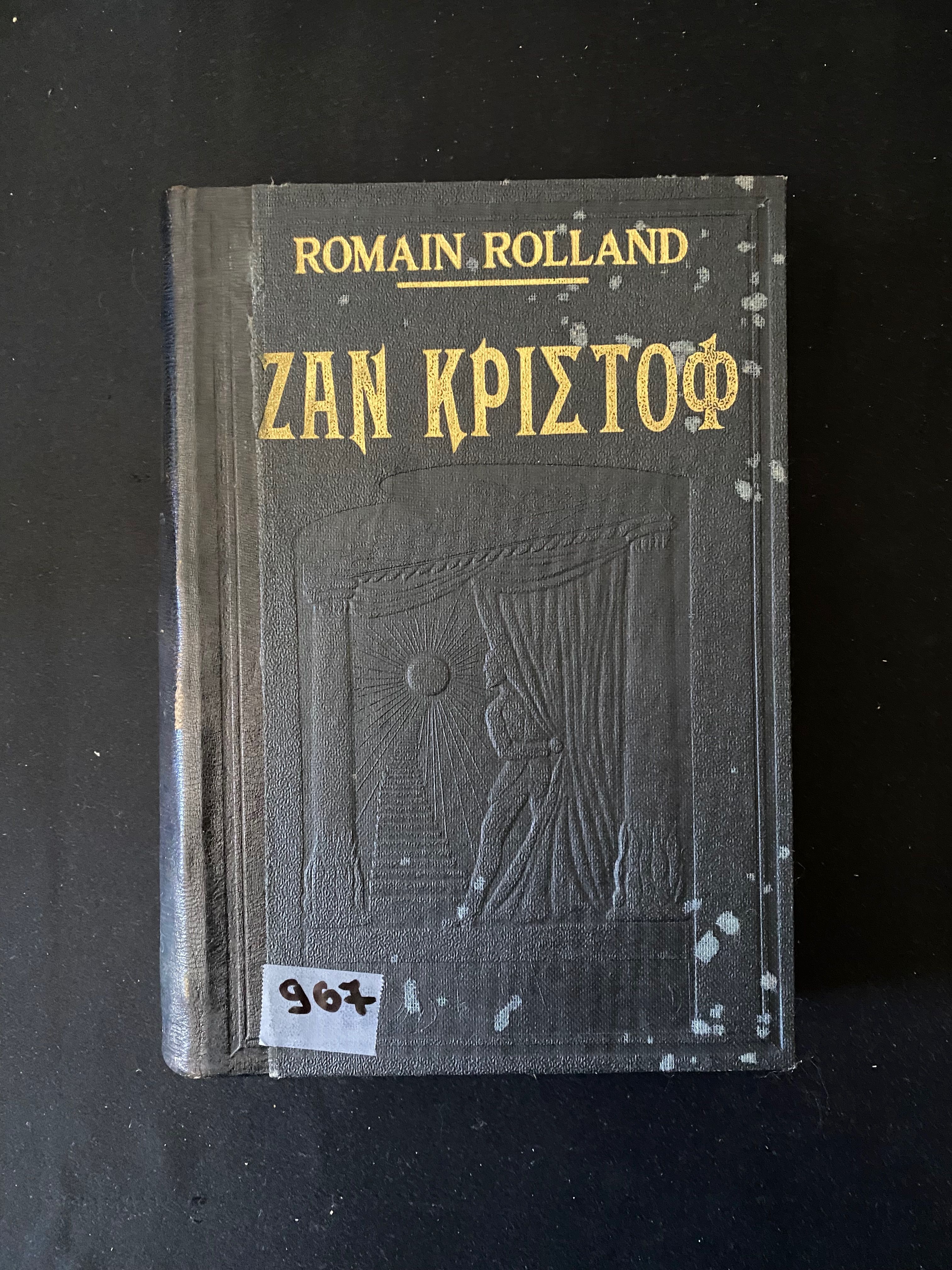
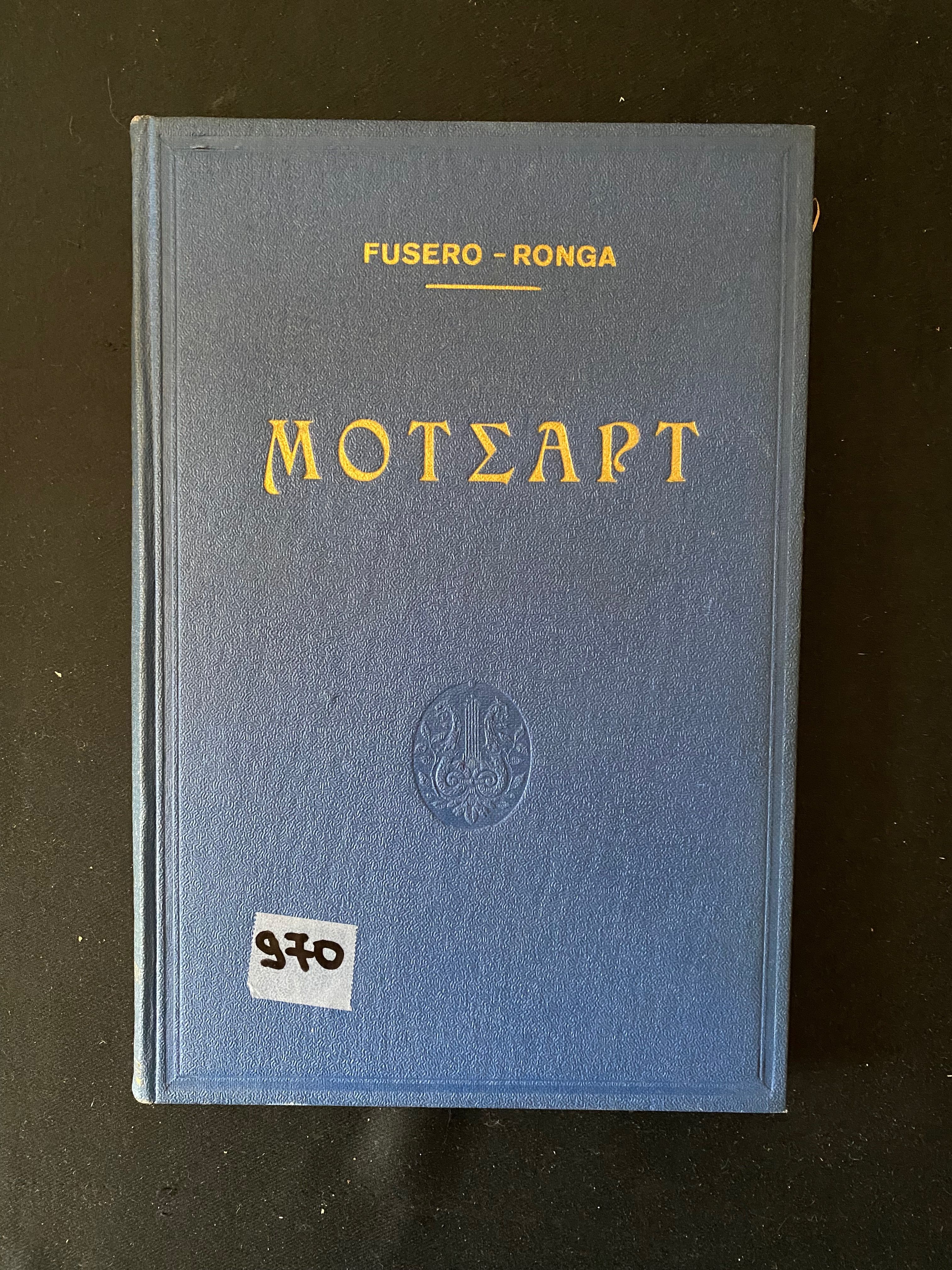
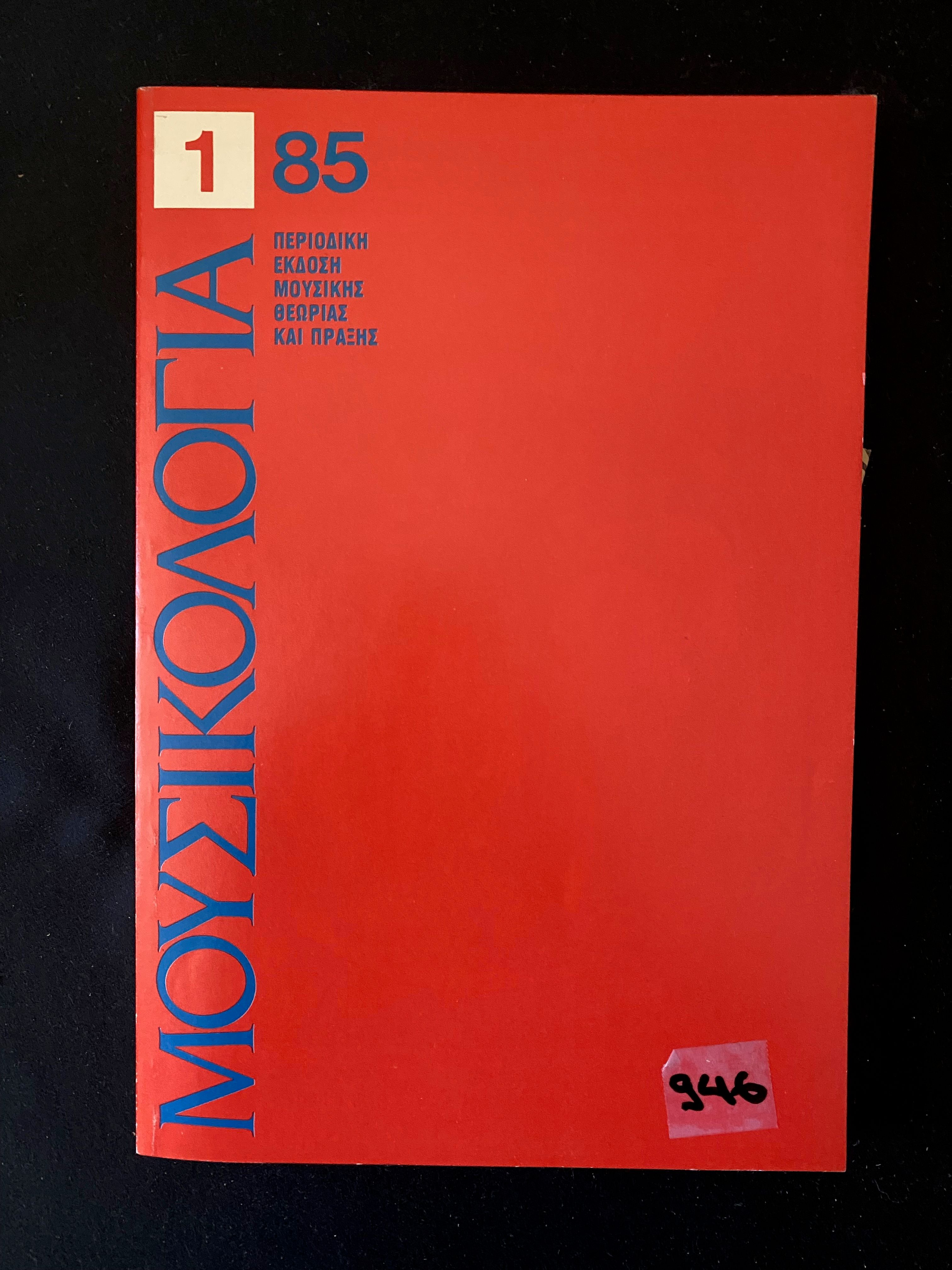
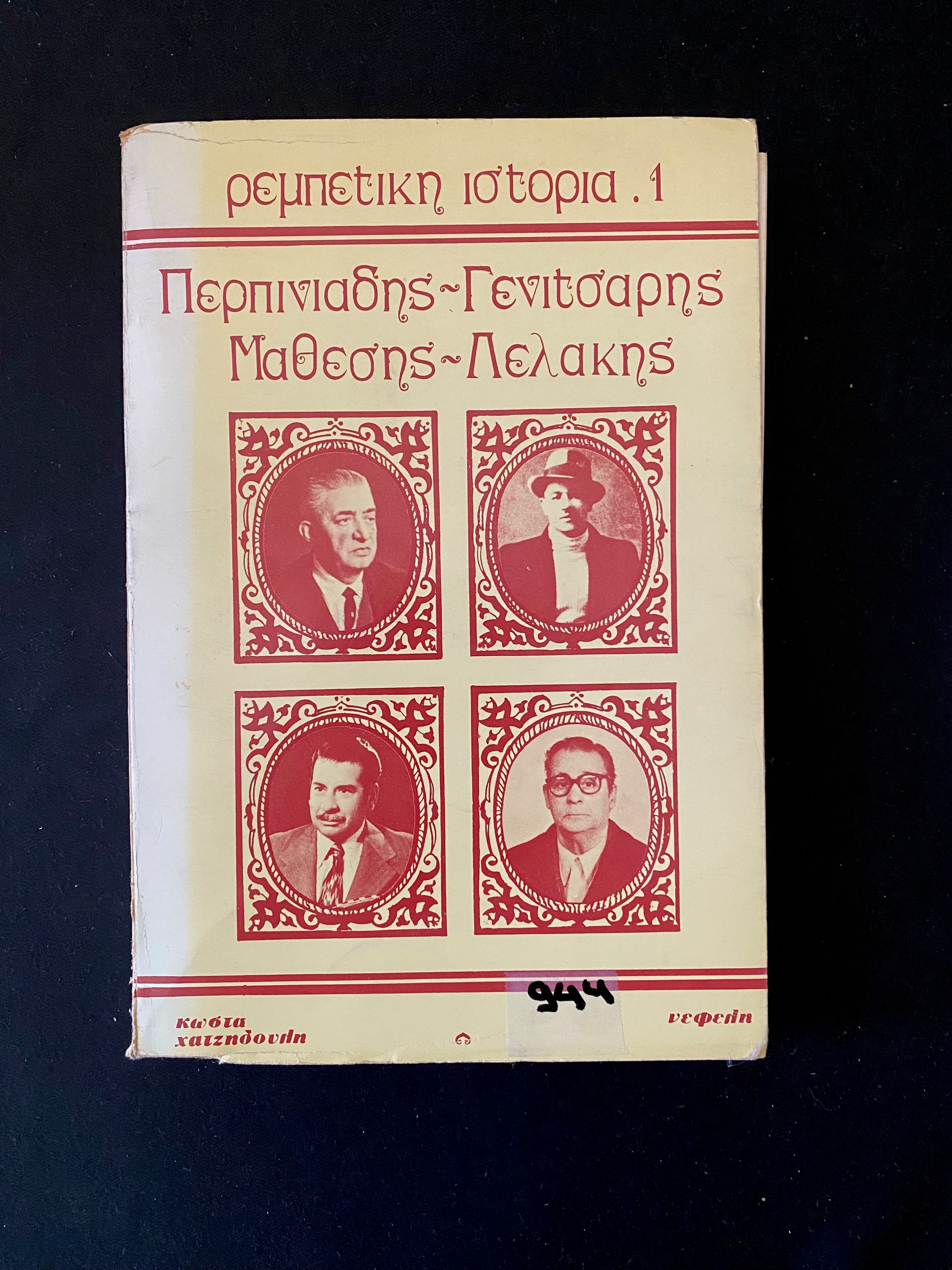
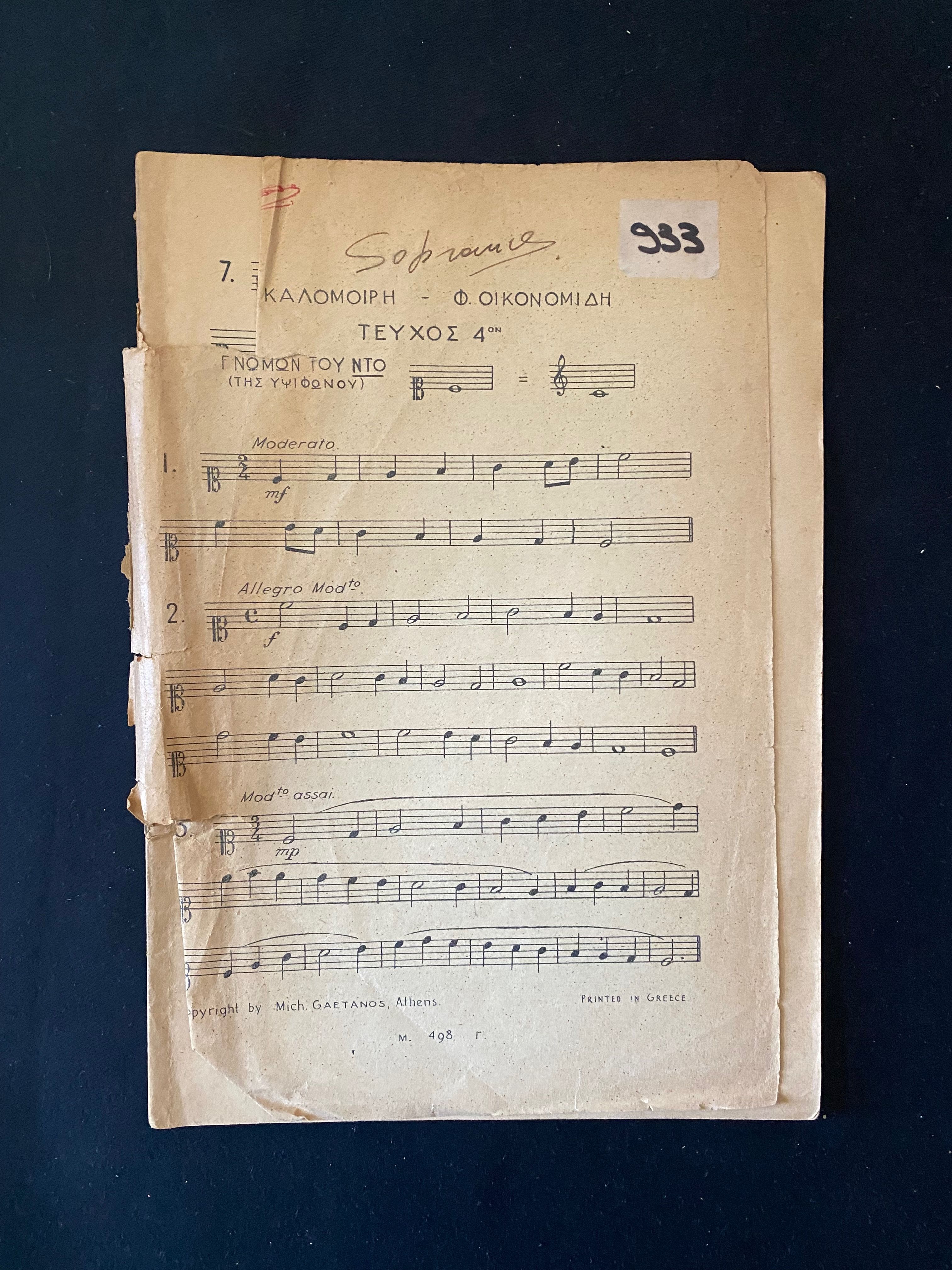
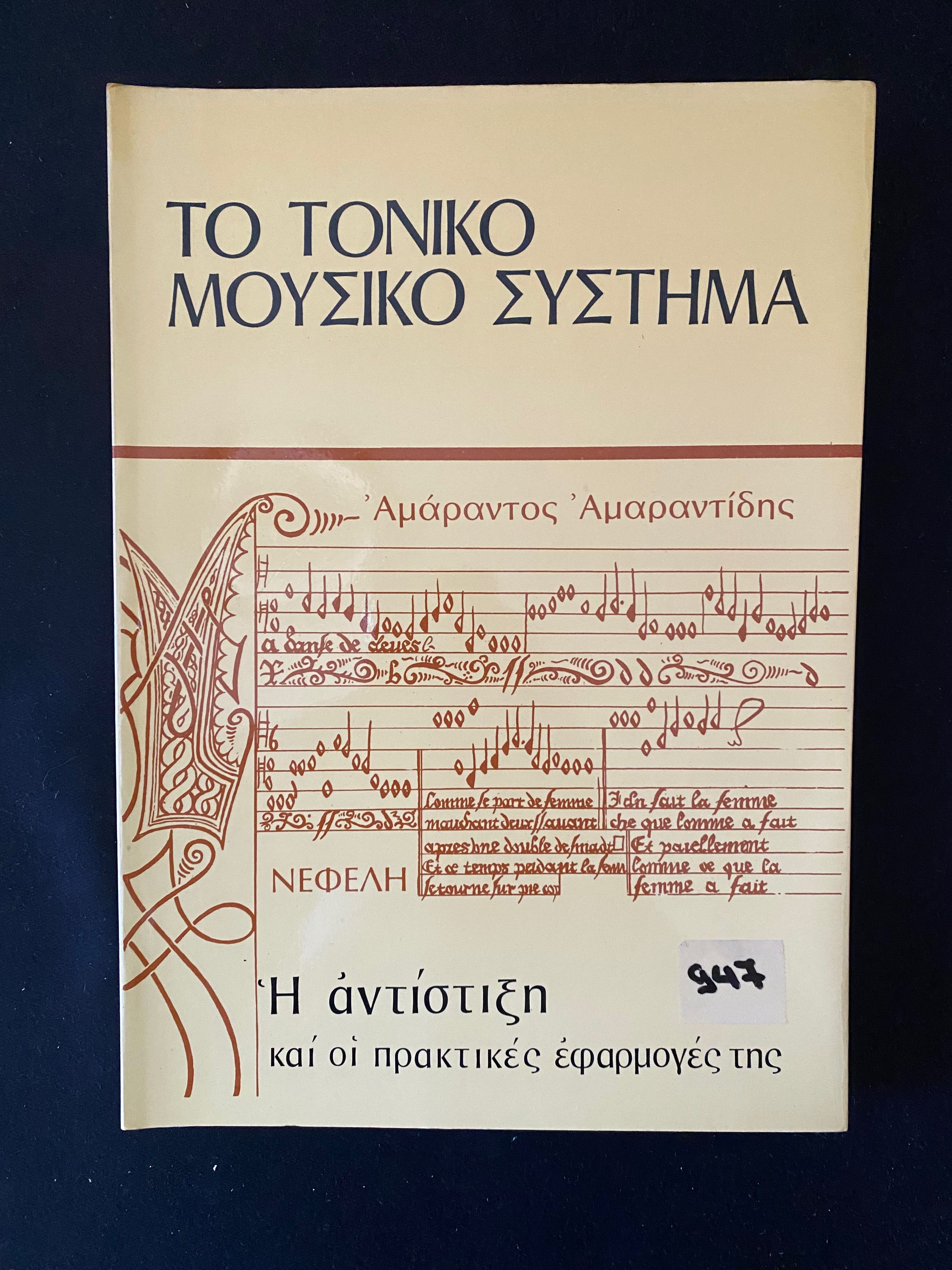
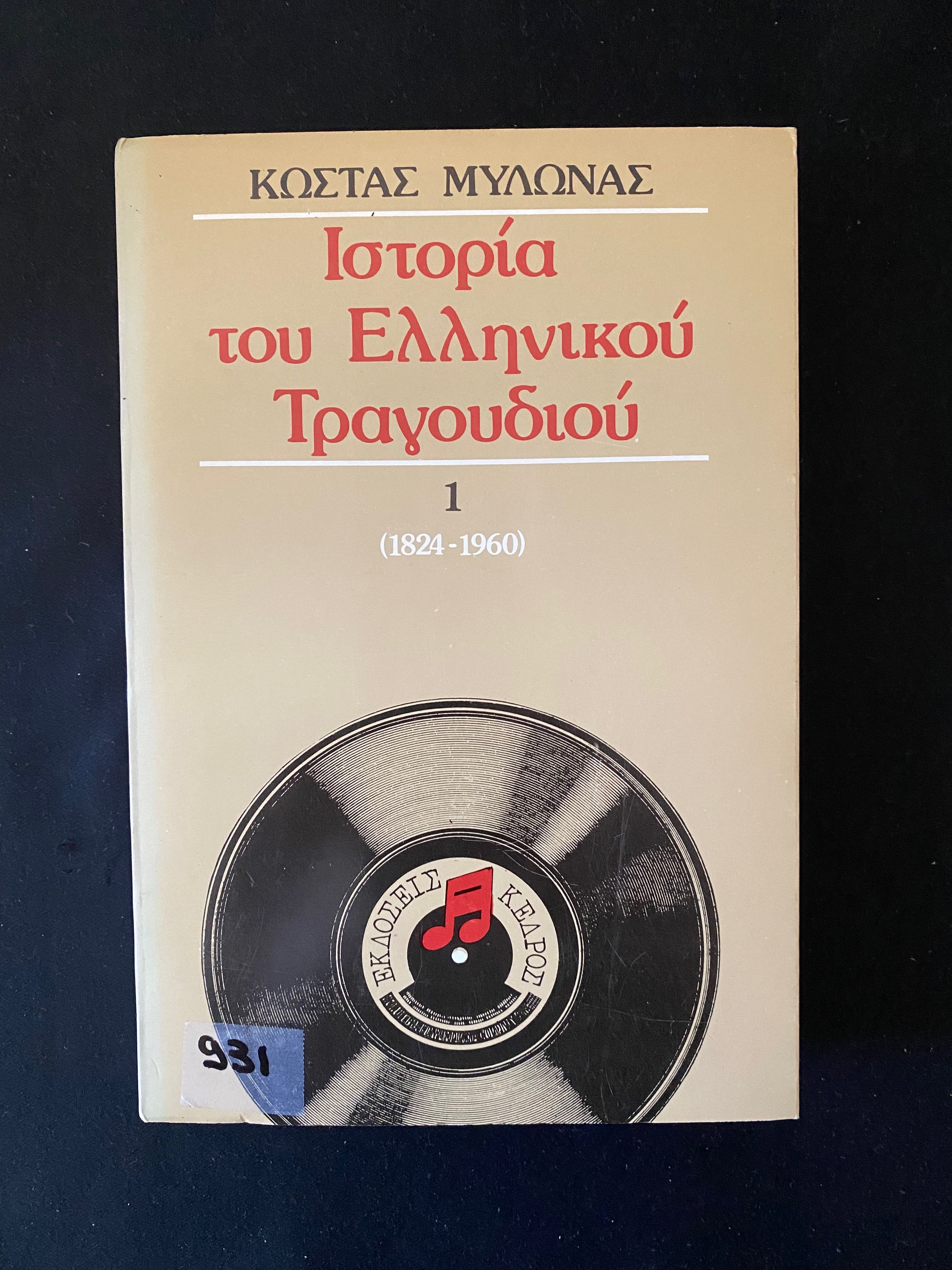
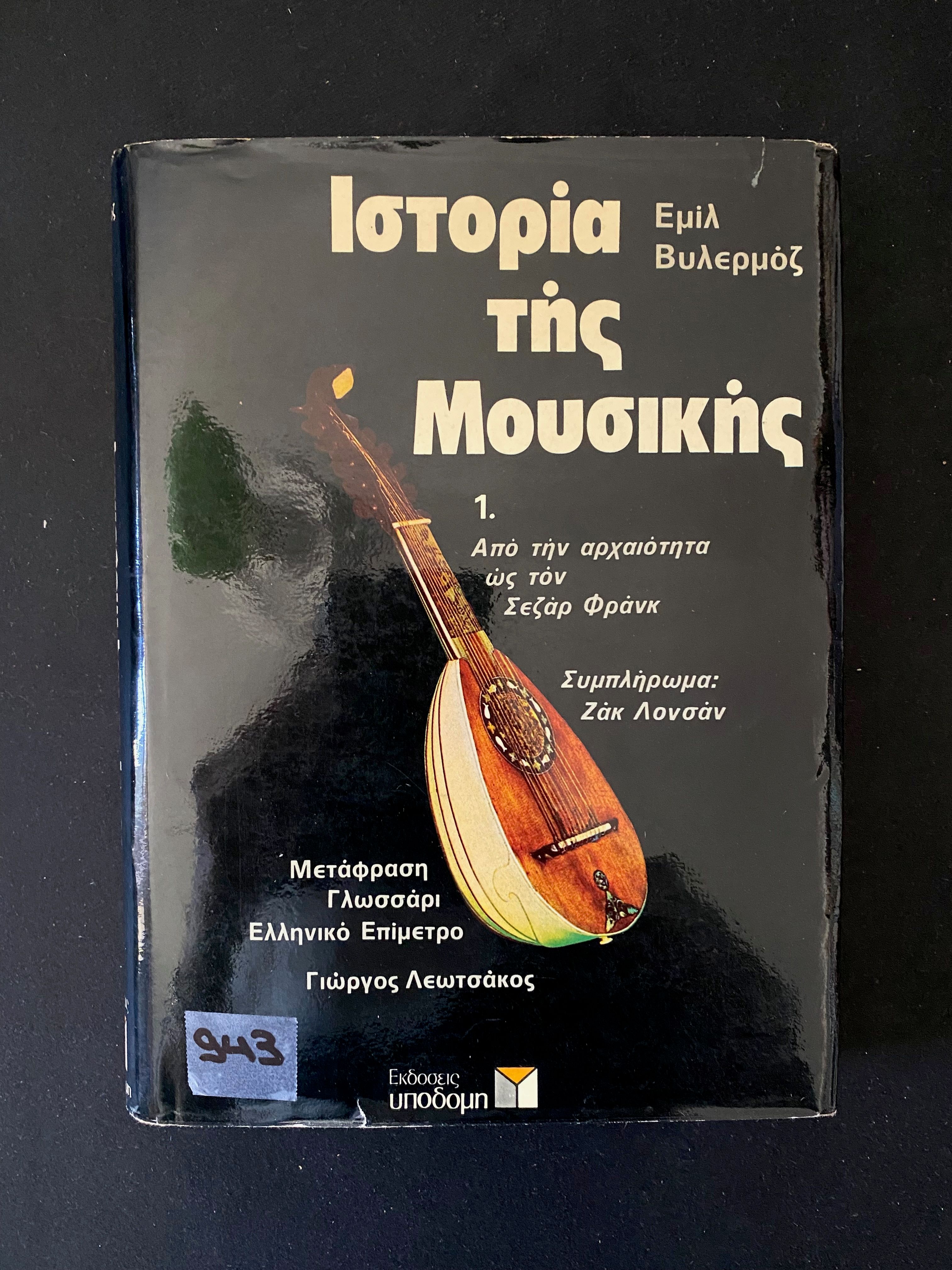
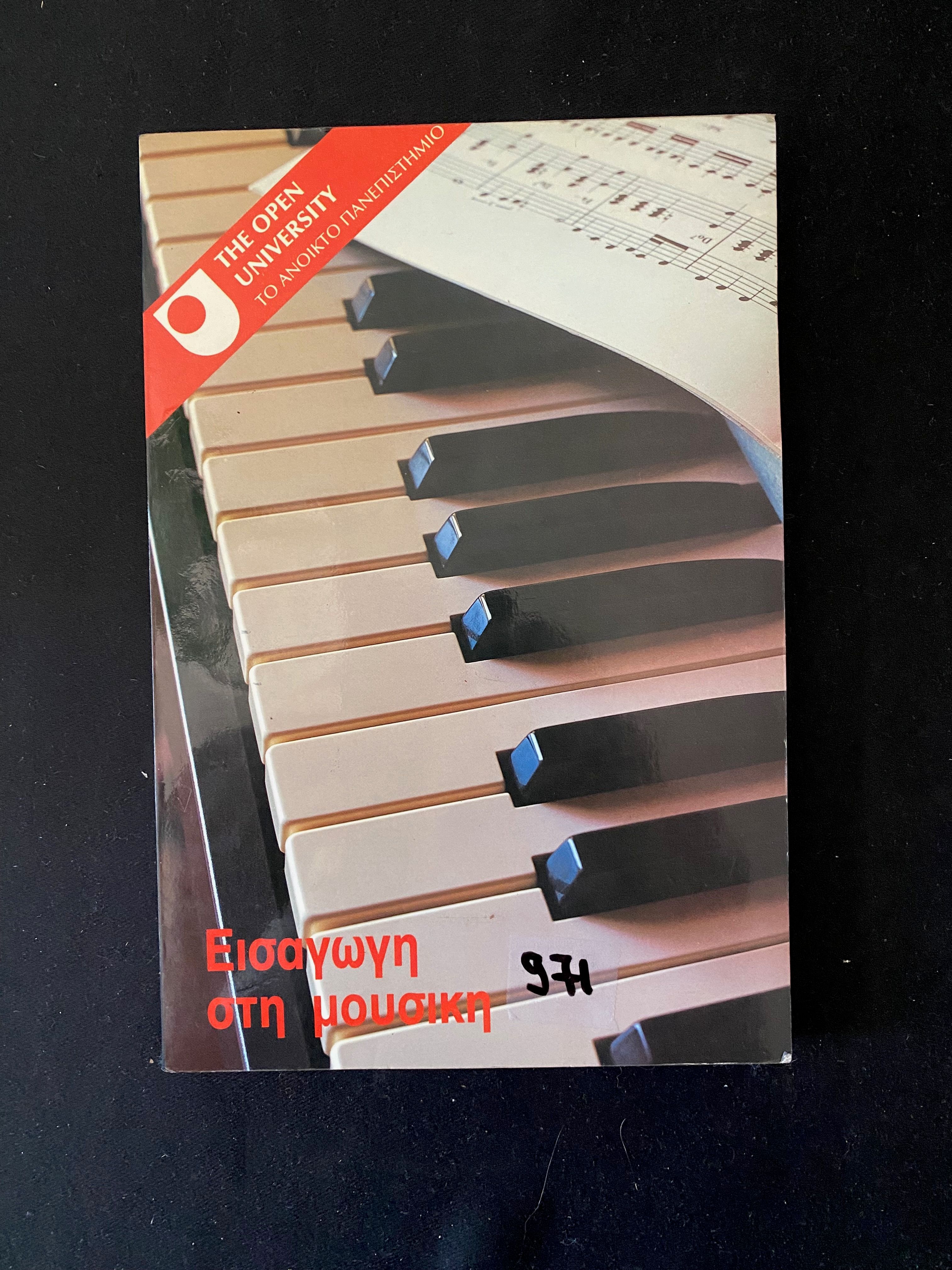
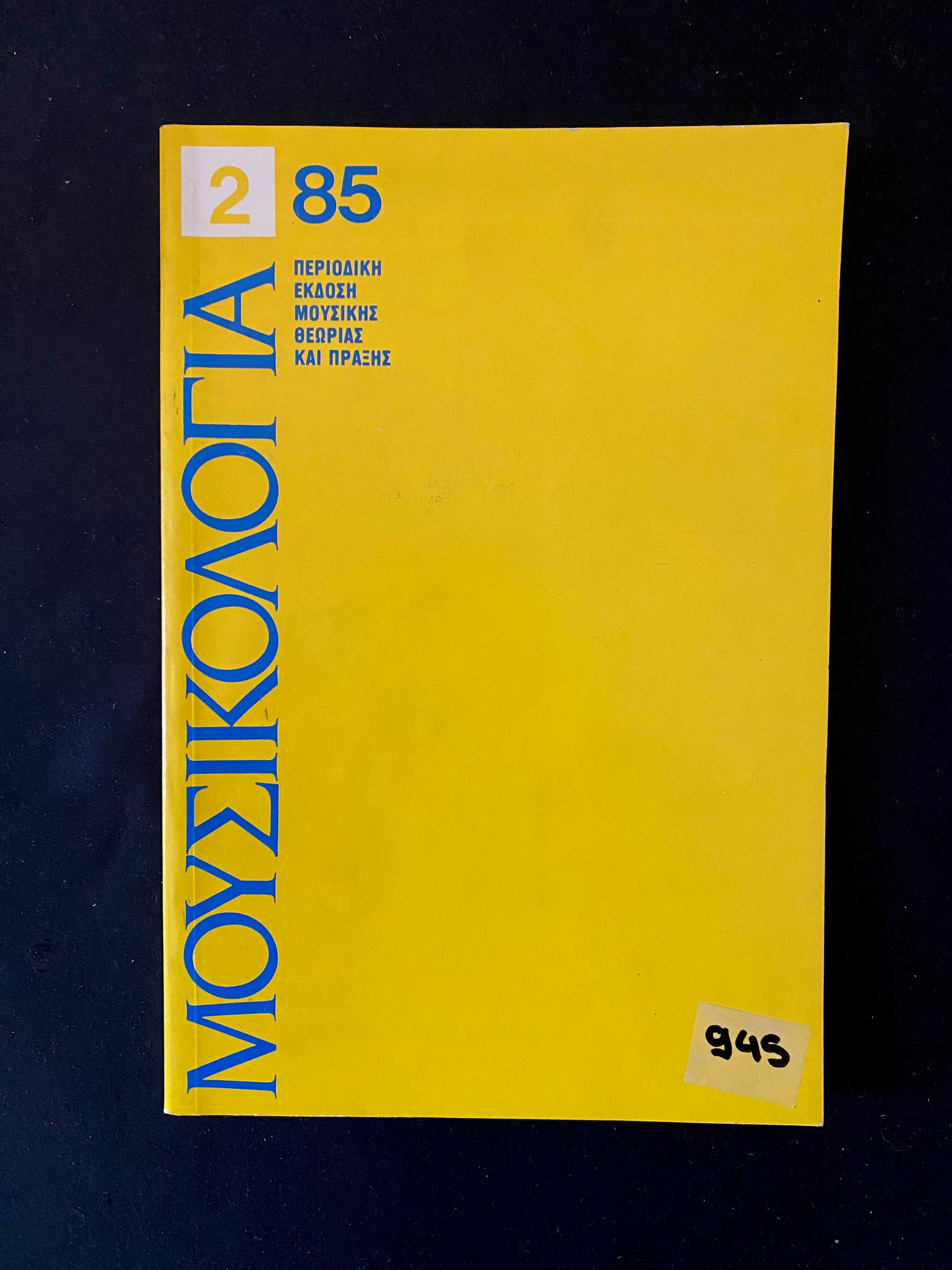
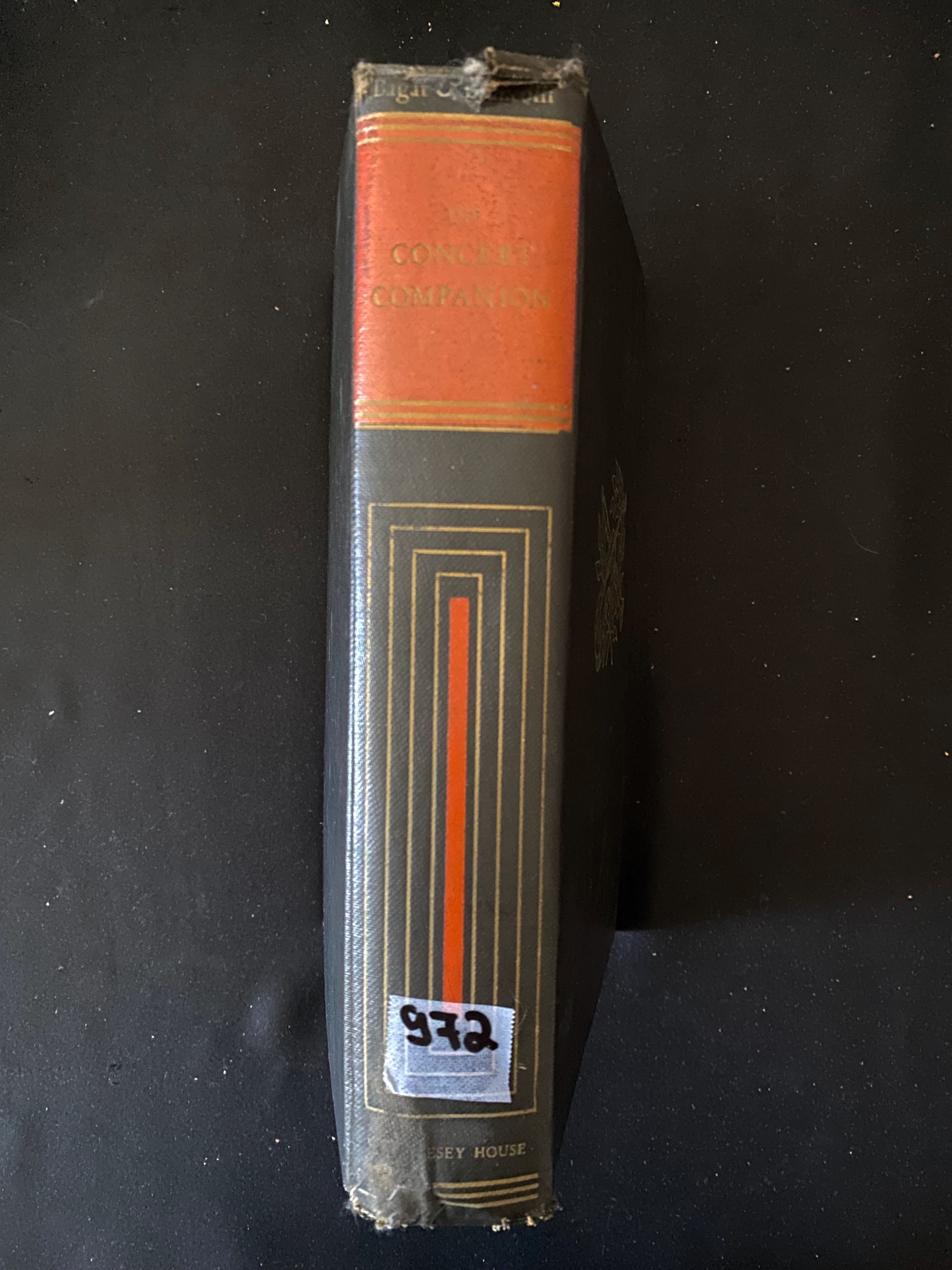
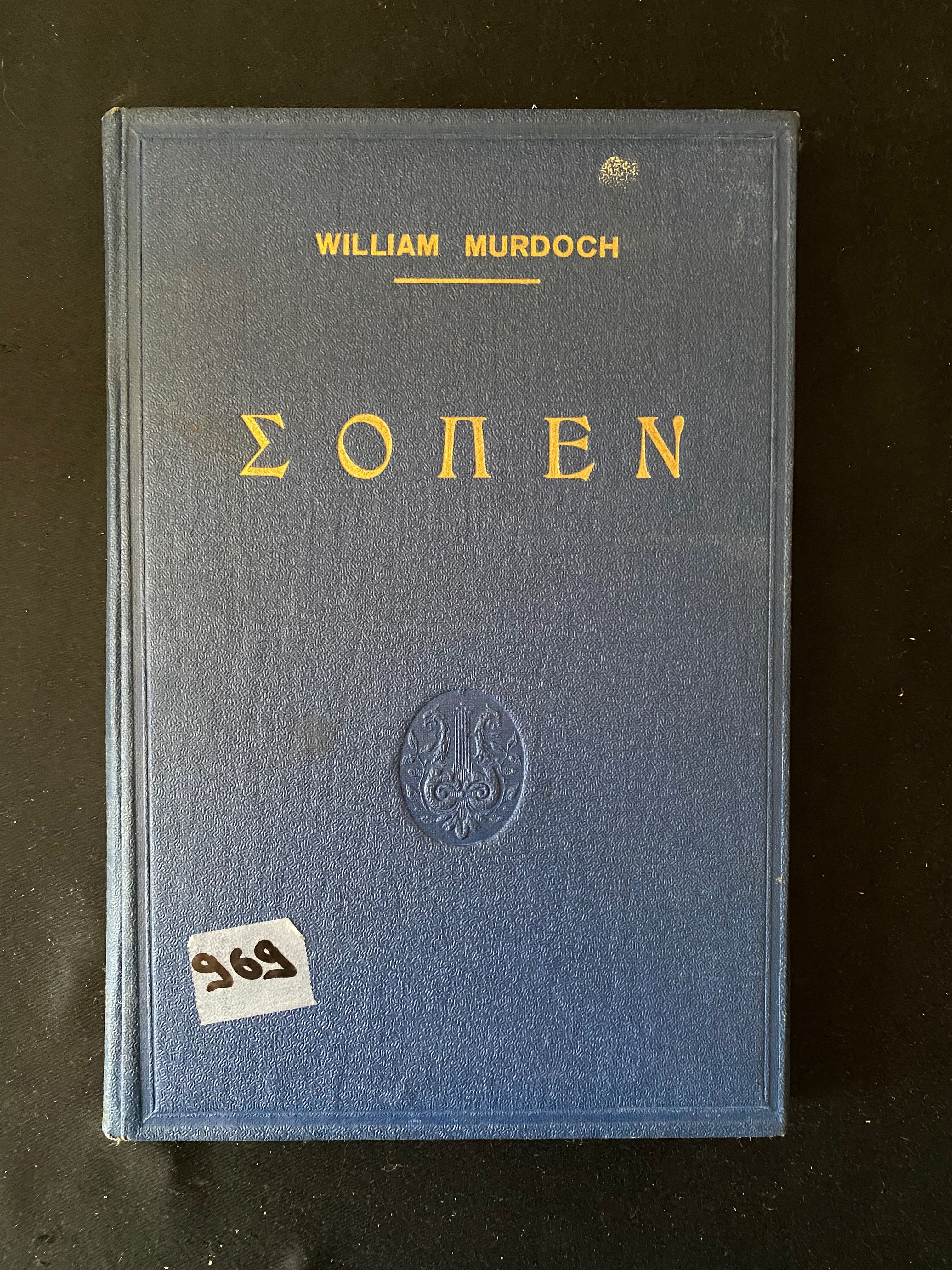
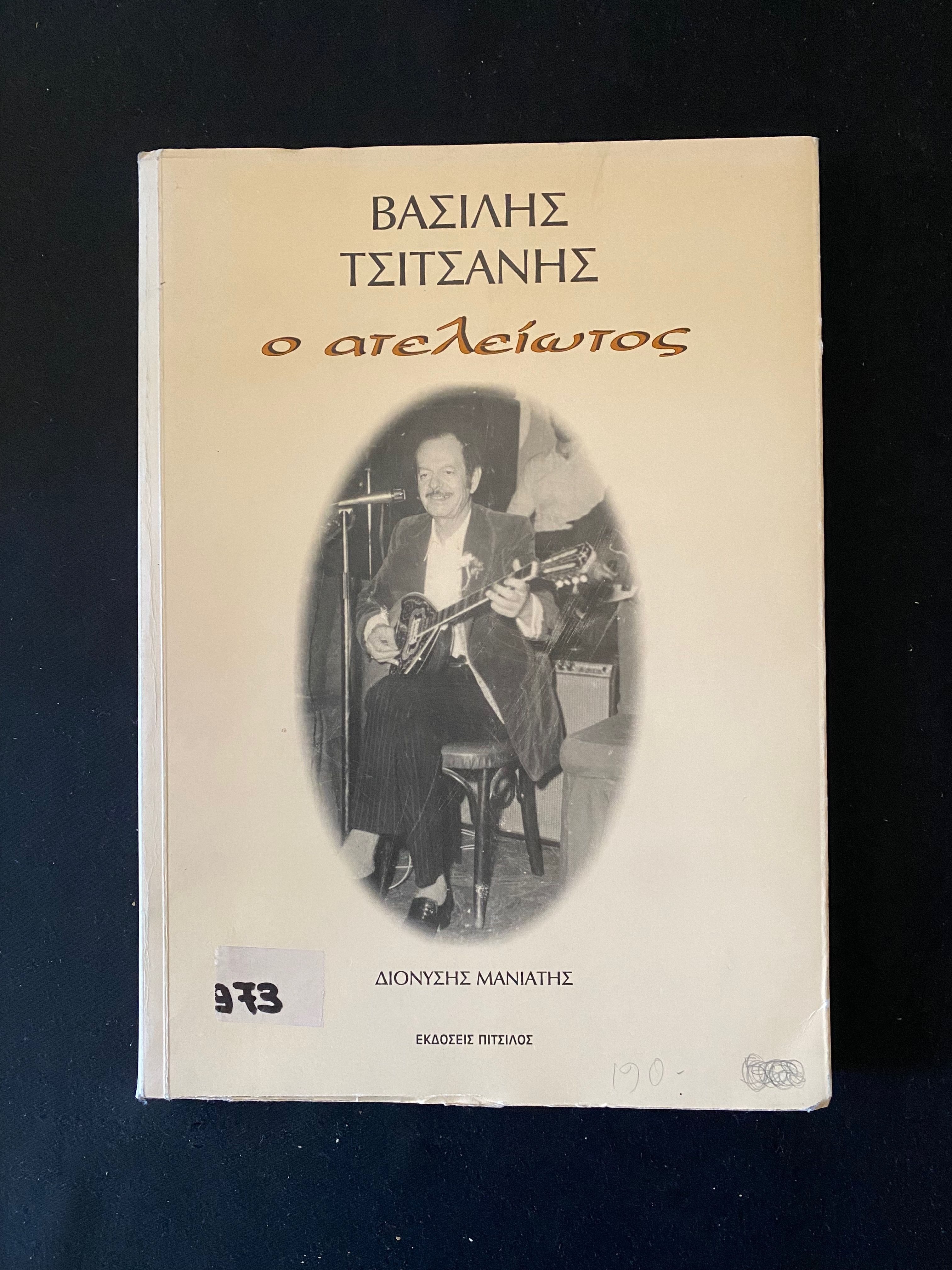
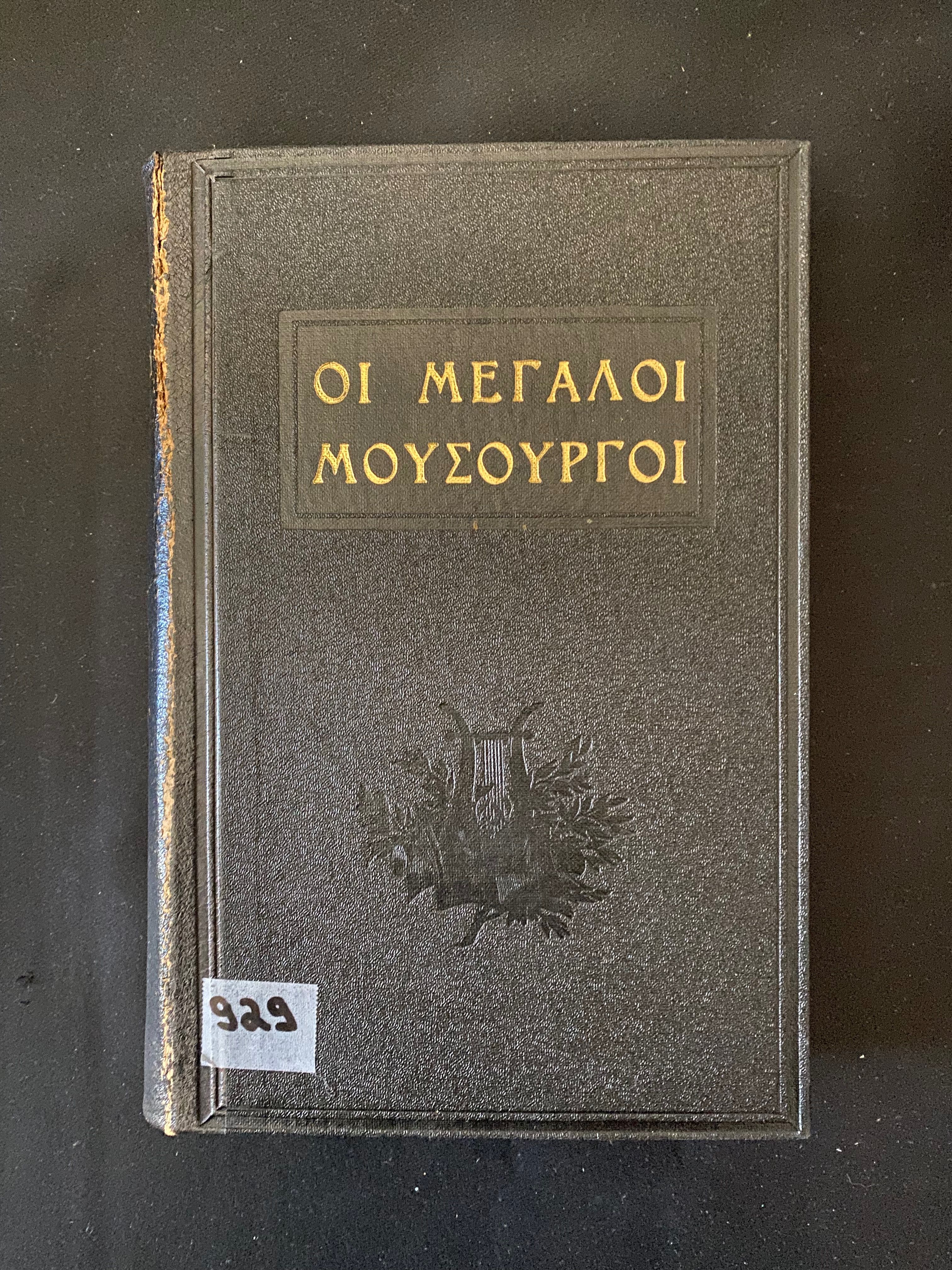
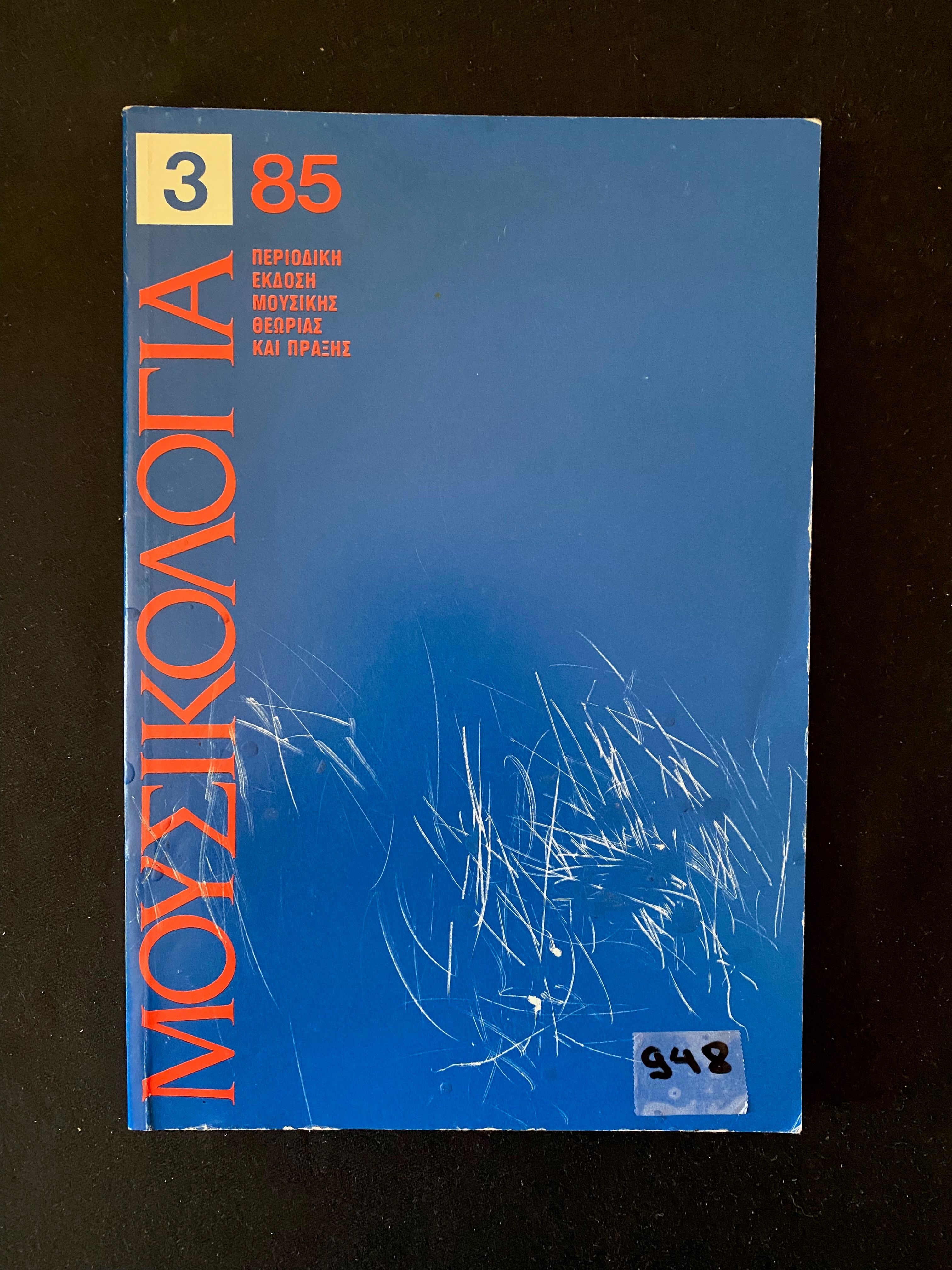
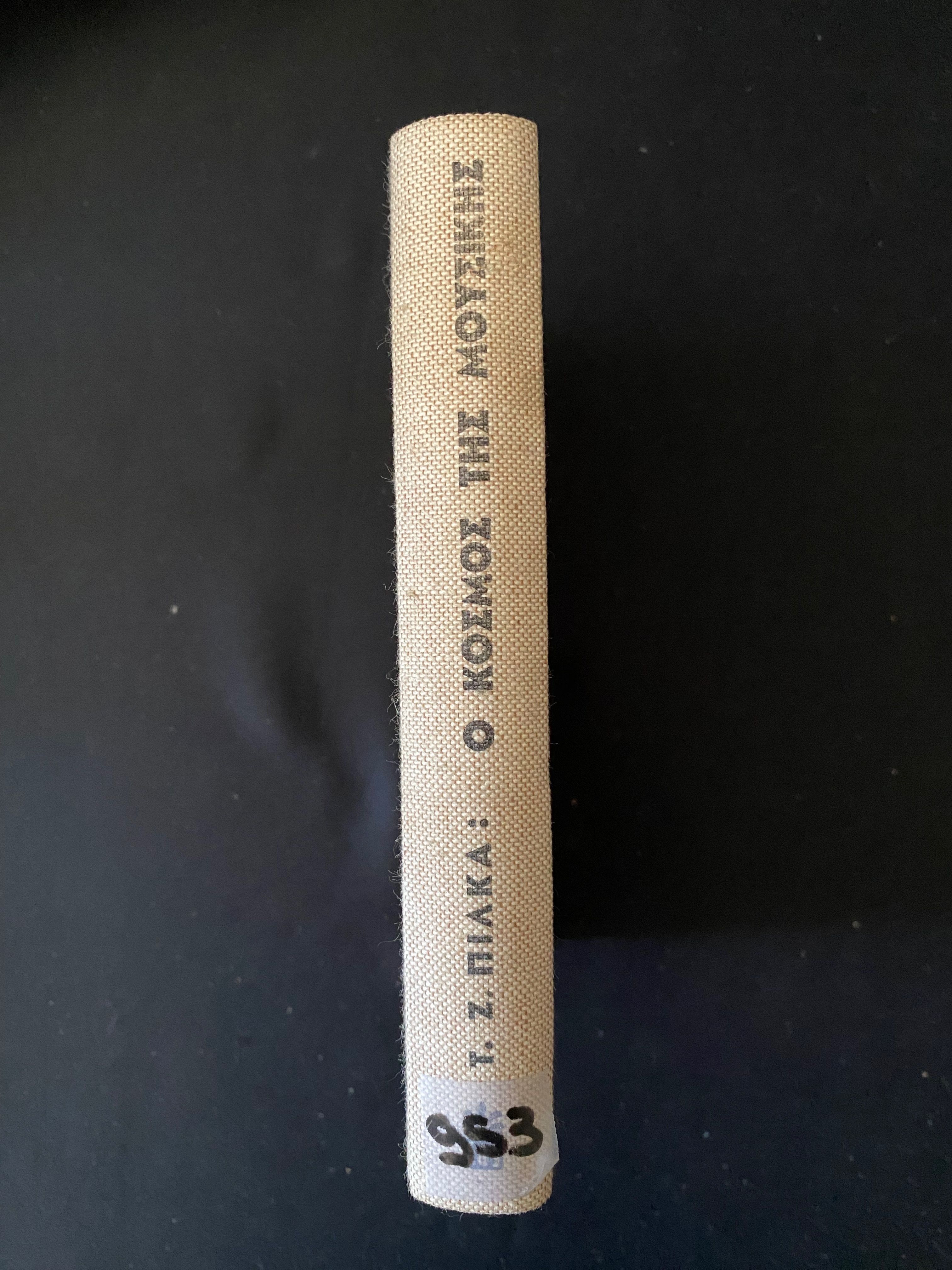
The maestro’s personal library. Books, methods, solfège, exercises, scores… companions in study, creation, and the maestro’s personal and artistic journey.
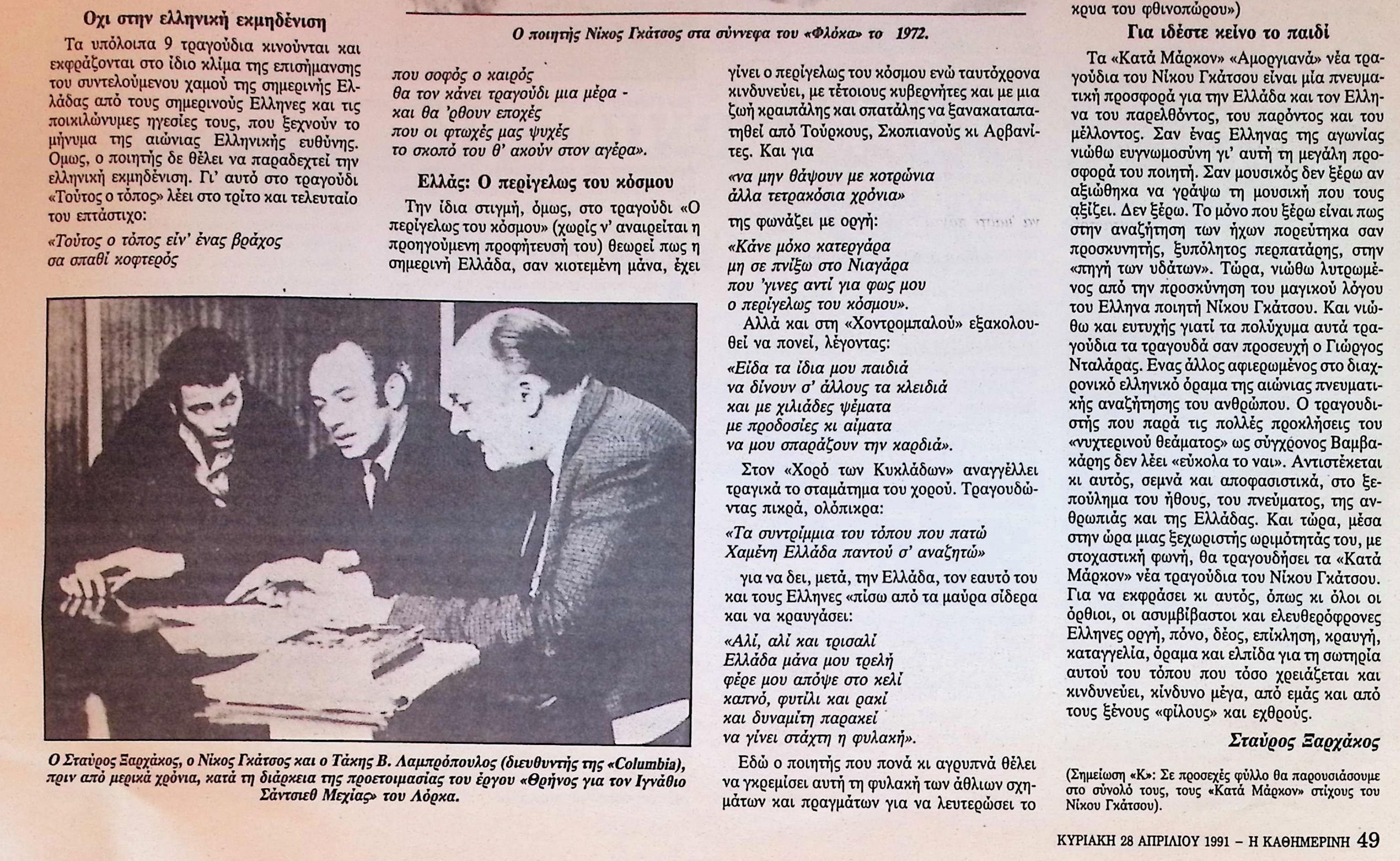
In an issue of the newspaper "Kathimerini" (28 April 1991), Stavros Xarchakos sets down his reflections on the verses of the poet Nikos Gatsos—verses sung like a prayer by Giorgos Dalaras, verses that give meaning to a spiritual offering to Greece and to the Greek of the past, the present, and the future. “...in the search for sounds I walked like a pilgrim, a barefoot wanderer at the source of the waters.” Stavros Xarchakos
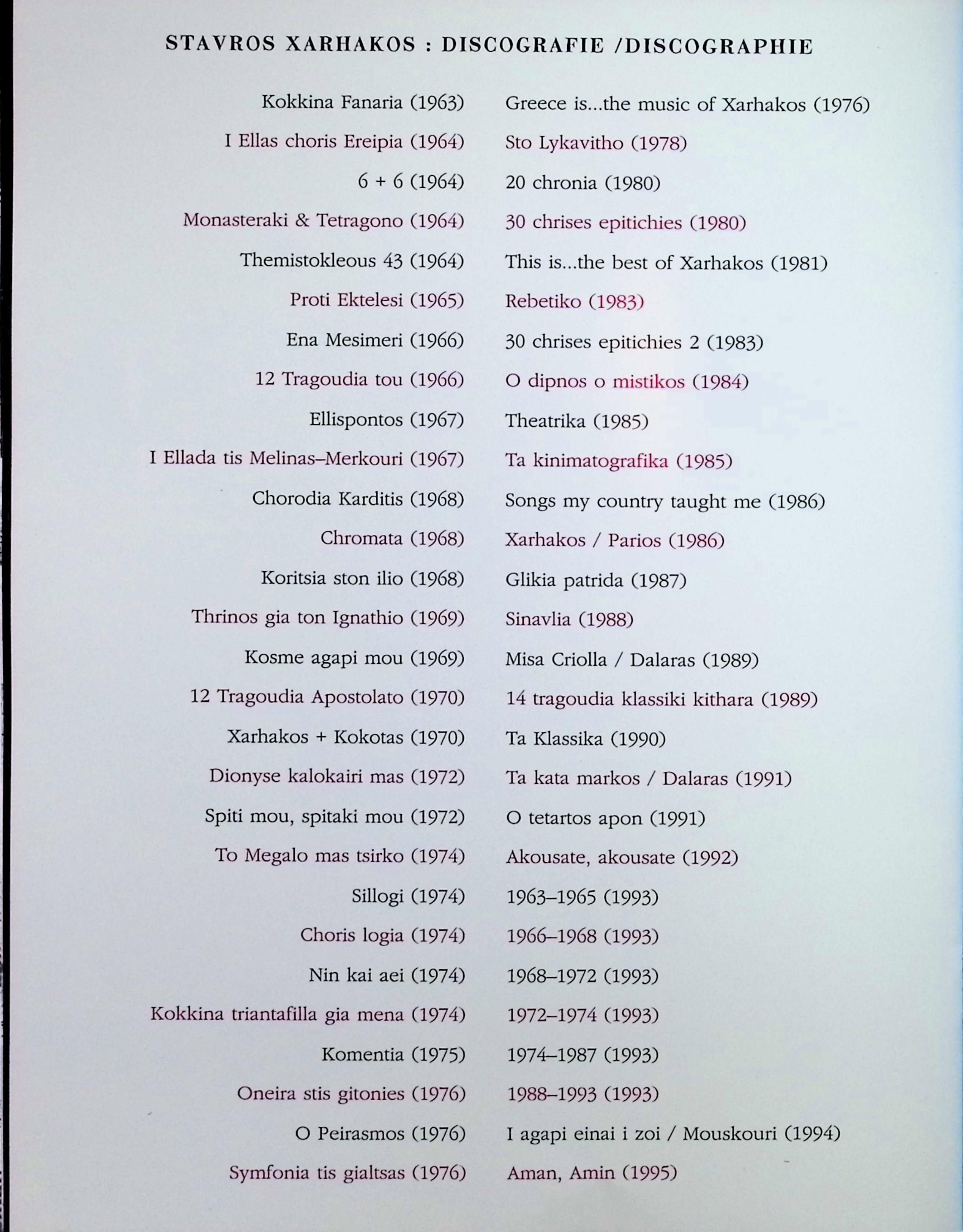
Four decades of musical creation.
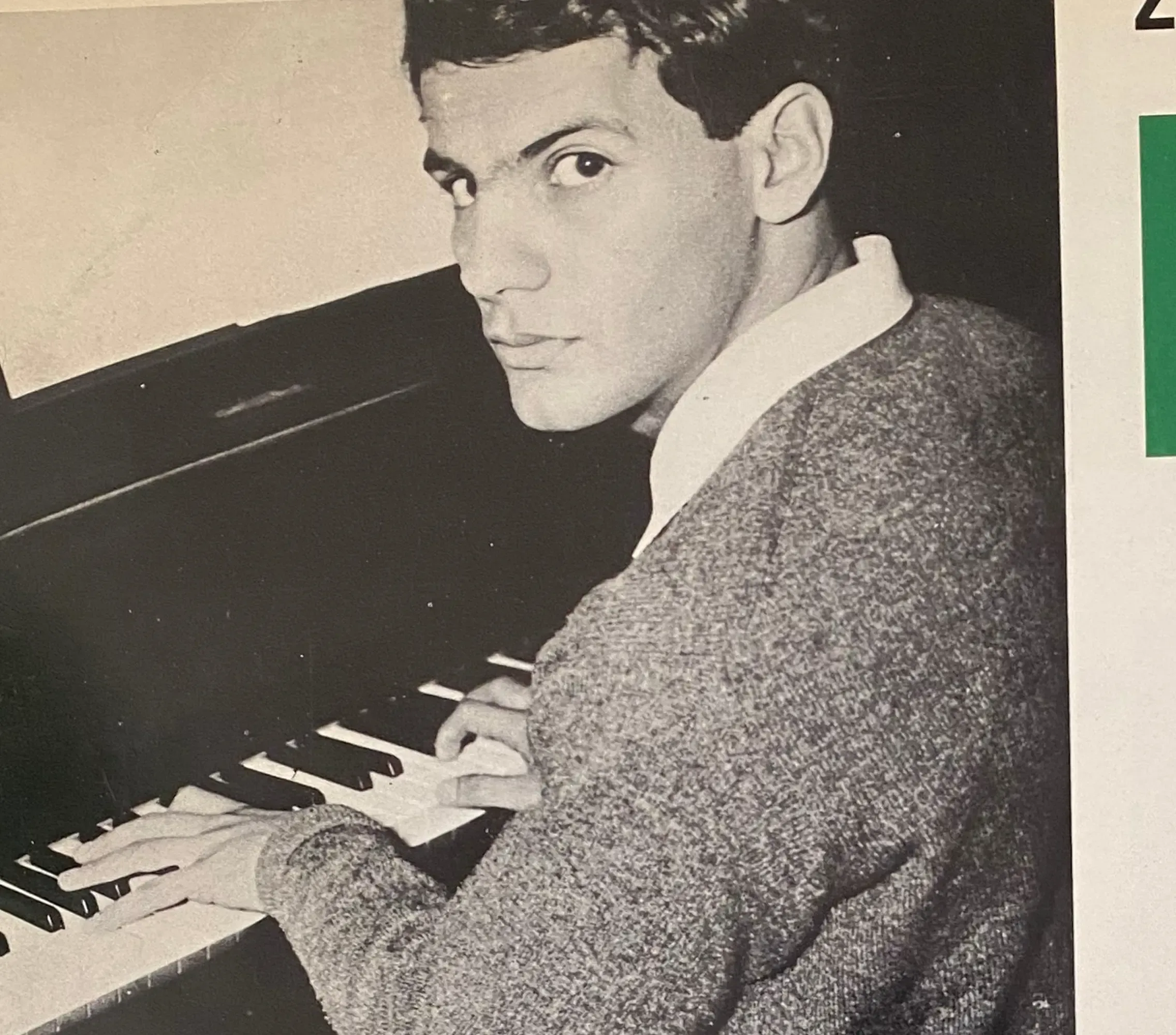
Stavros Xarchakos, as the composer on the cover of a magazine, is featured in an extensive article in the issue. When the Columbia record company presented his (Stavros Xarchakos') first concert at the Kentrikon Theater (Monday, January 11, 1965), Stavros Xarchakos had already earned the love of the masses...
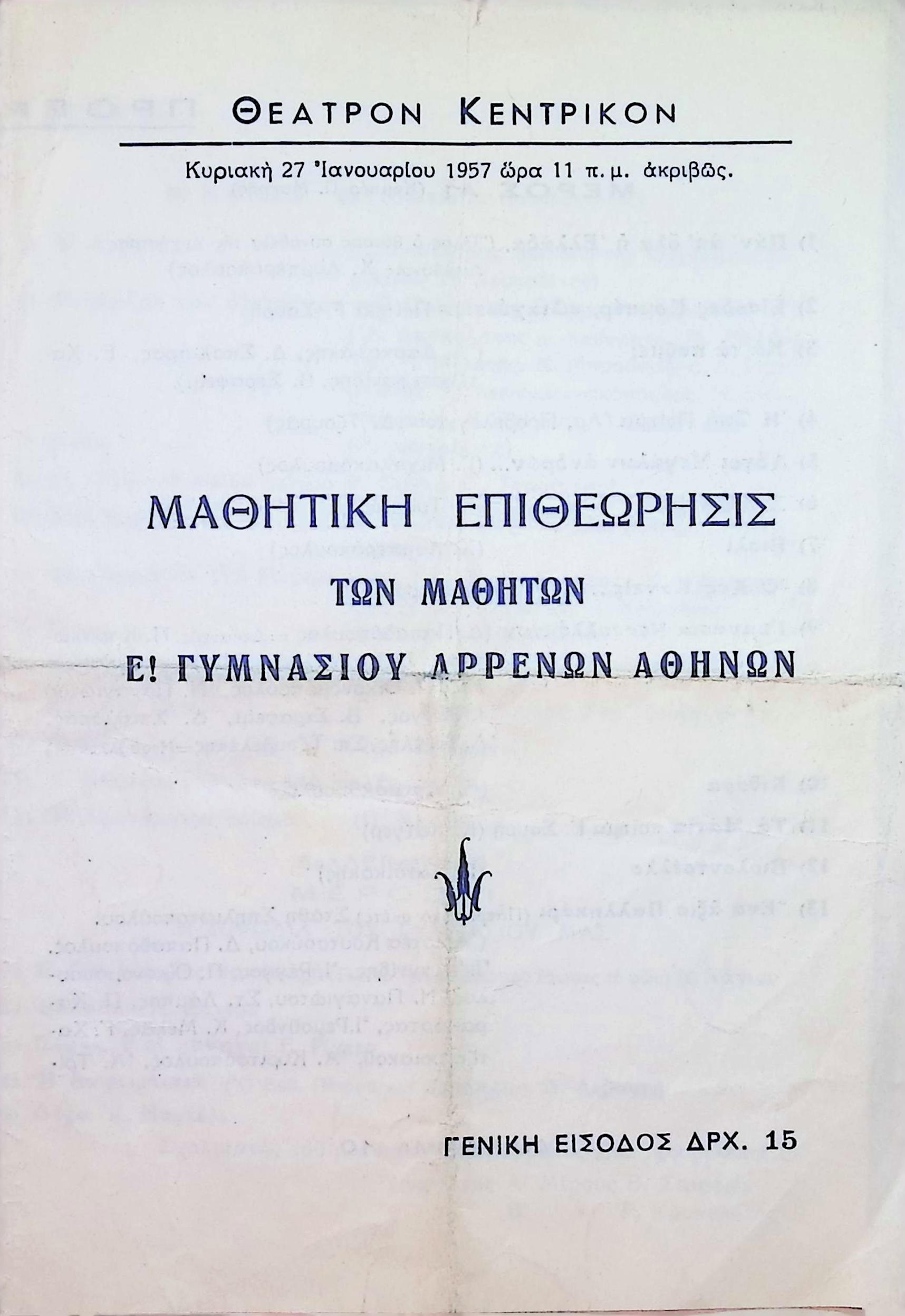
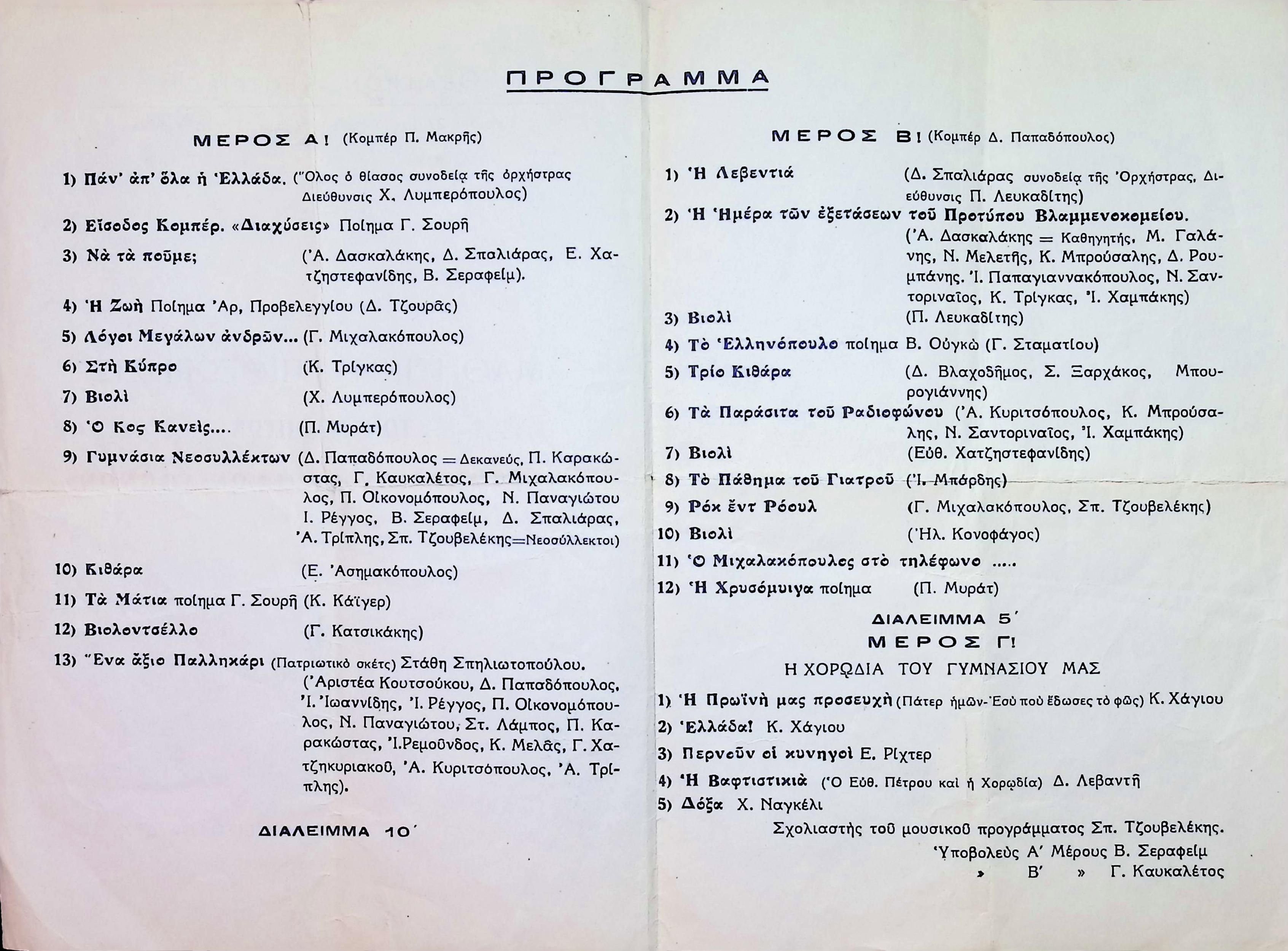
In the second part, the “Guitar Trio” and Stavros Xarchakos!
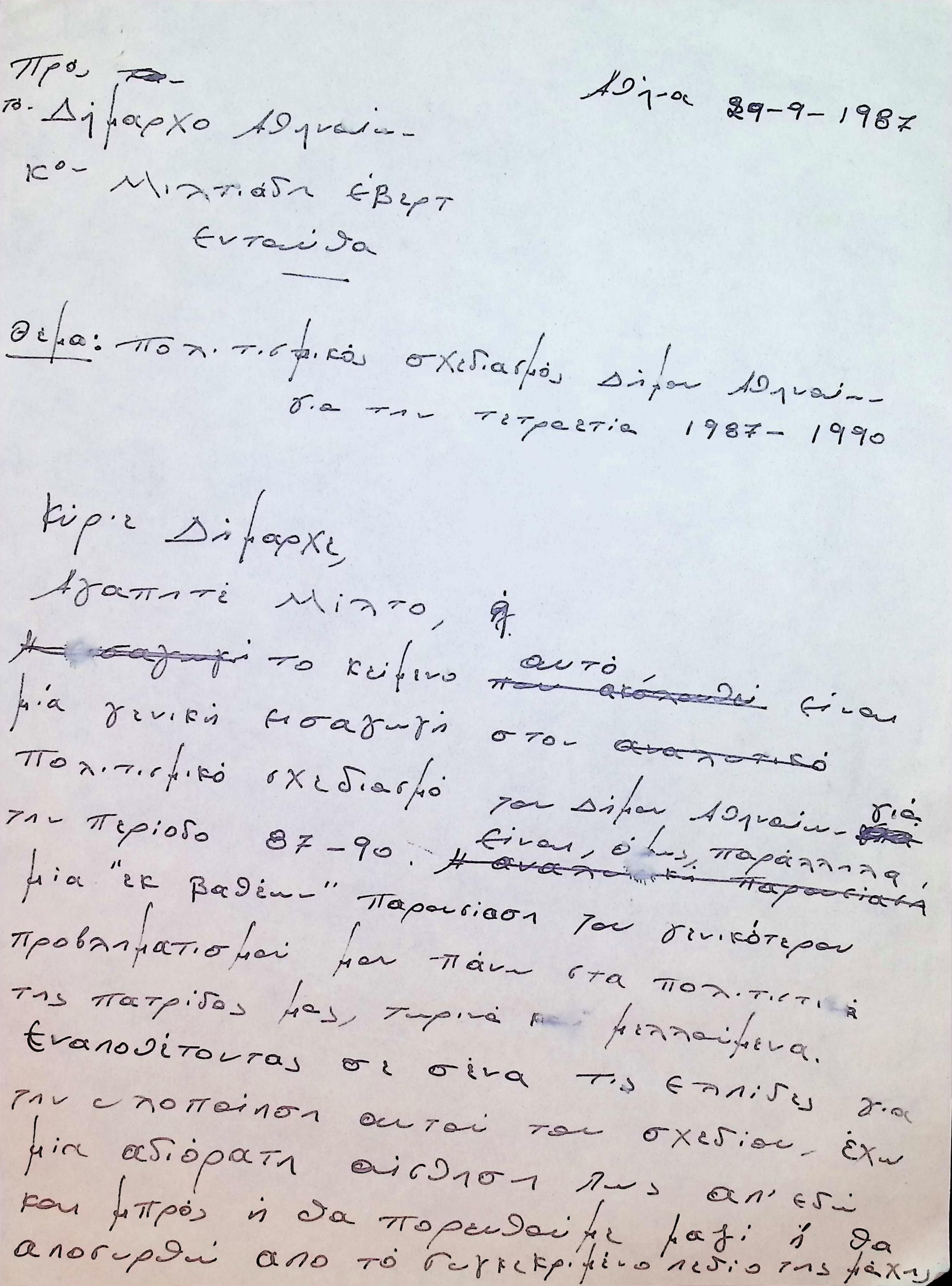
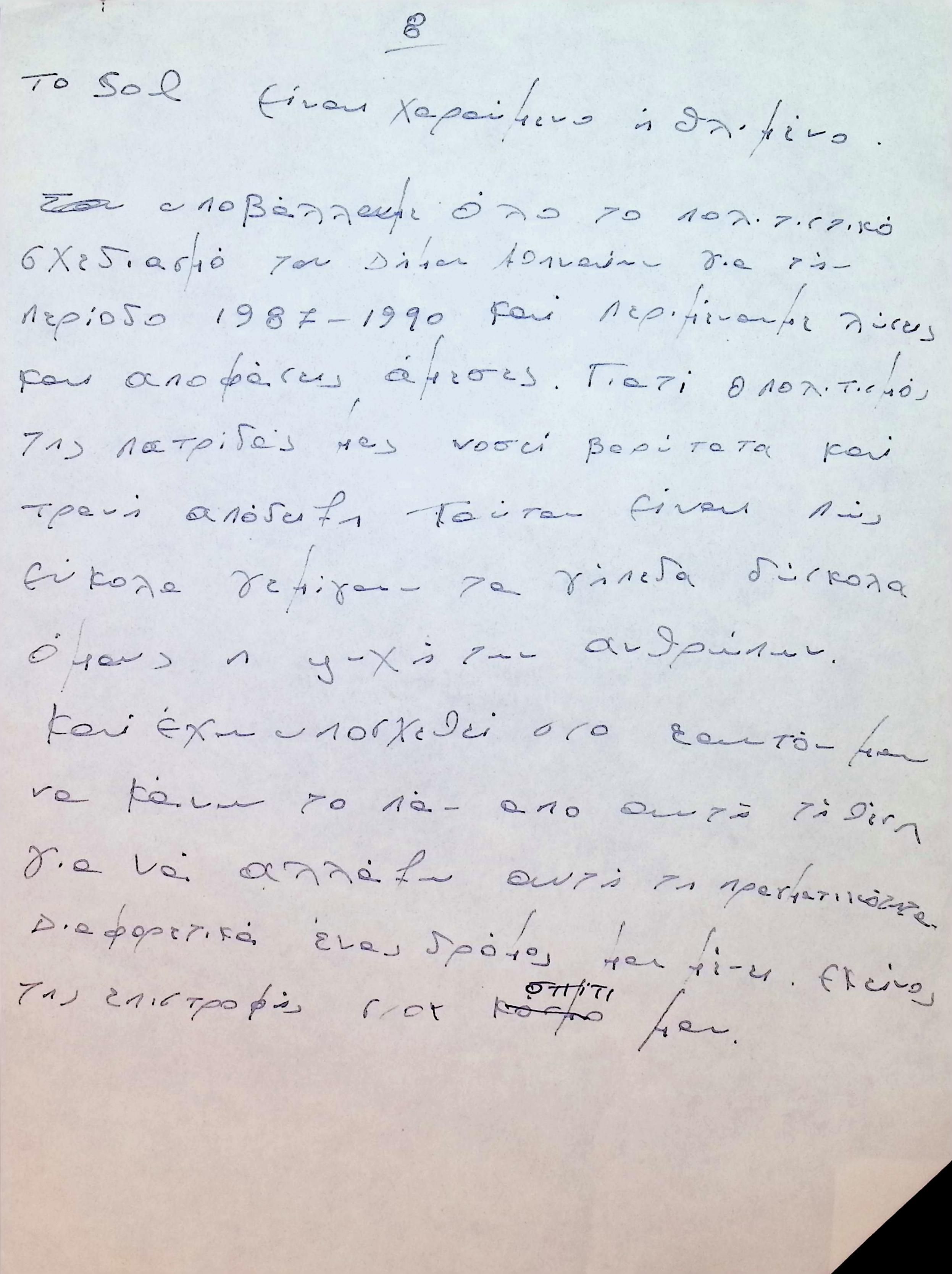
A letter concerning the cultural planning of the Municipality of Athens for the four-year period 1987–1990, expressing concern about the state of our country’s cultural affairs.
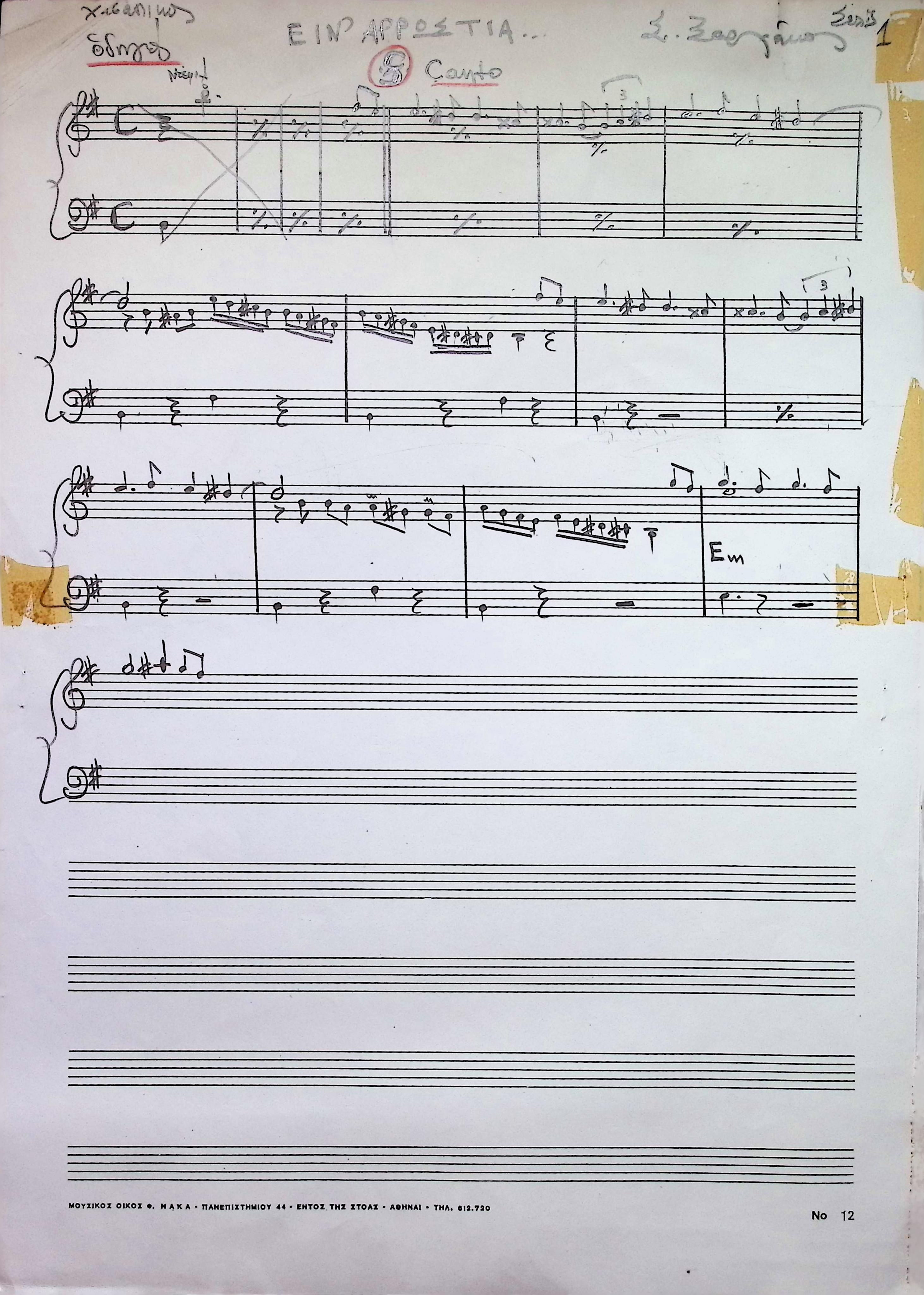
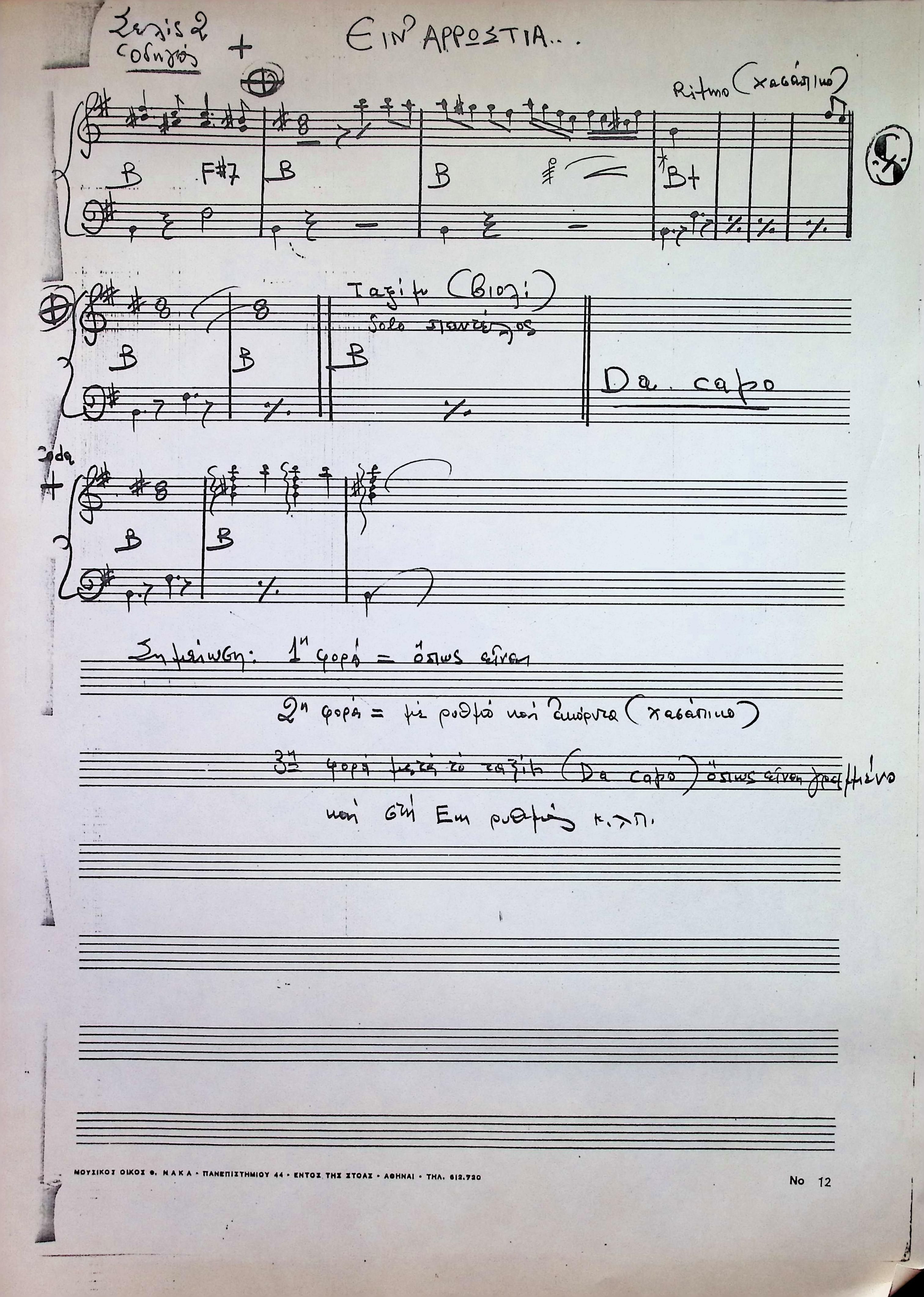
Scores, a guide for the hasapiko “Ein’ arrostia,” with lyrics by Manos Eleftheriou. Highly valuable handwritten notes are visible.
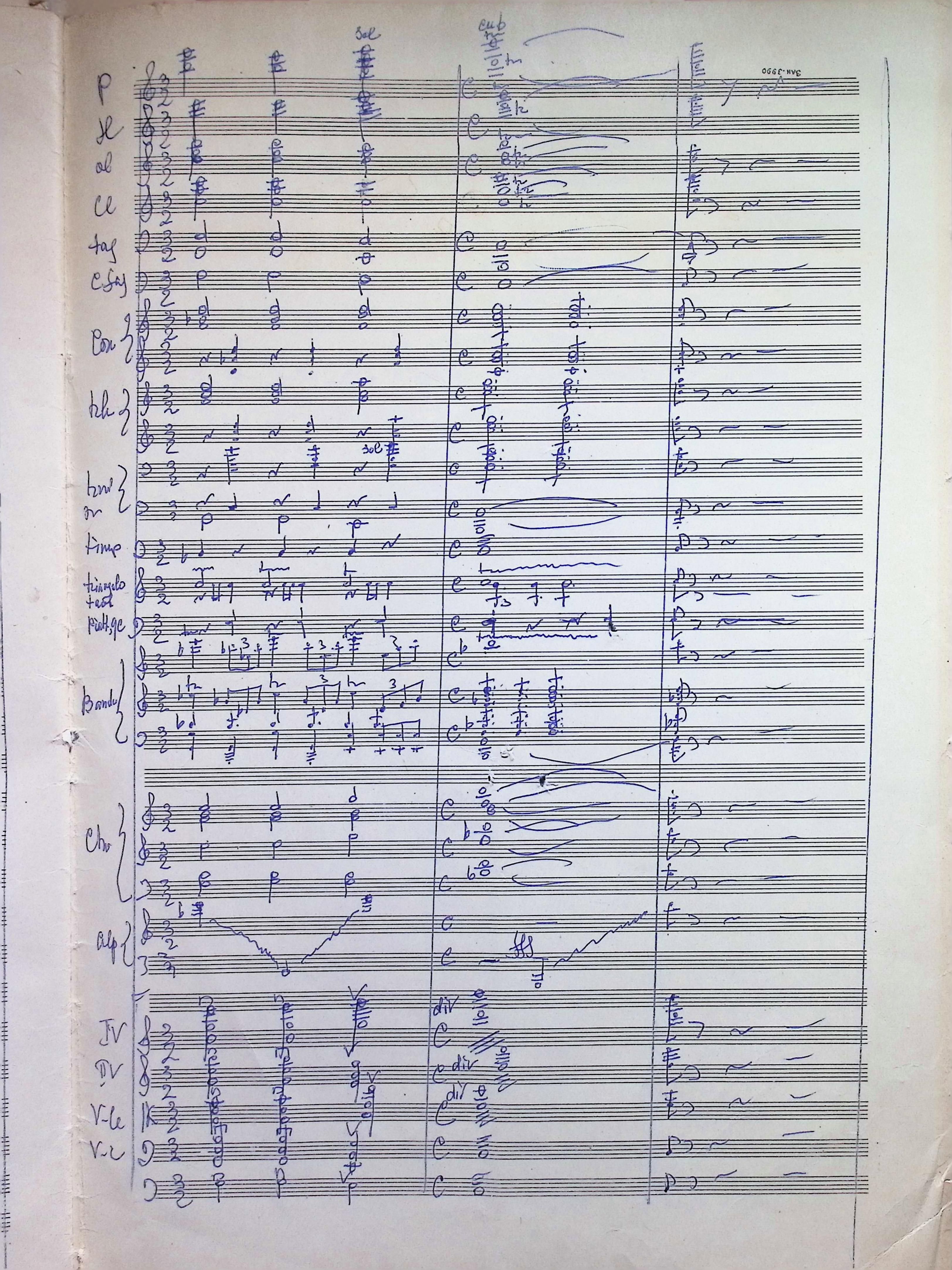
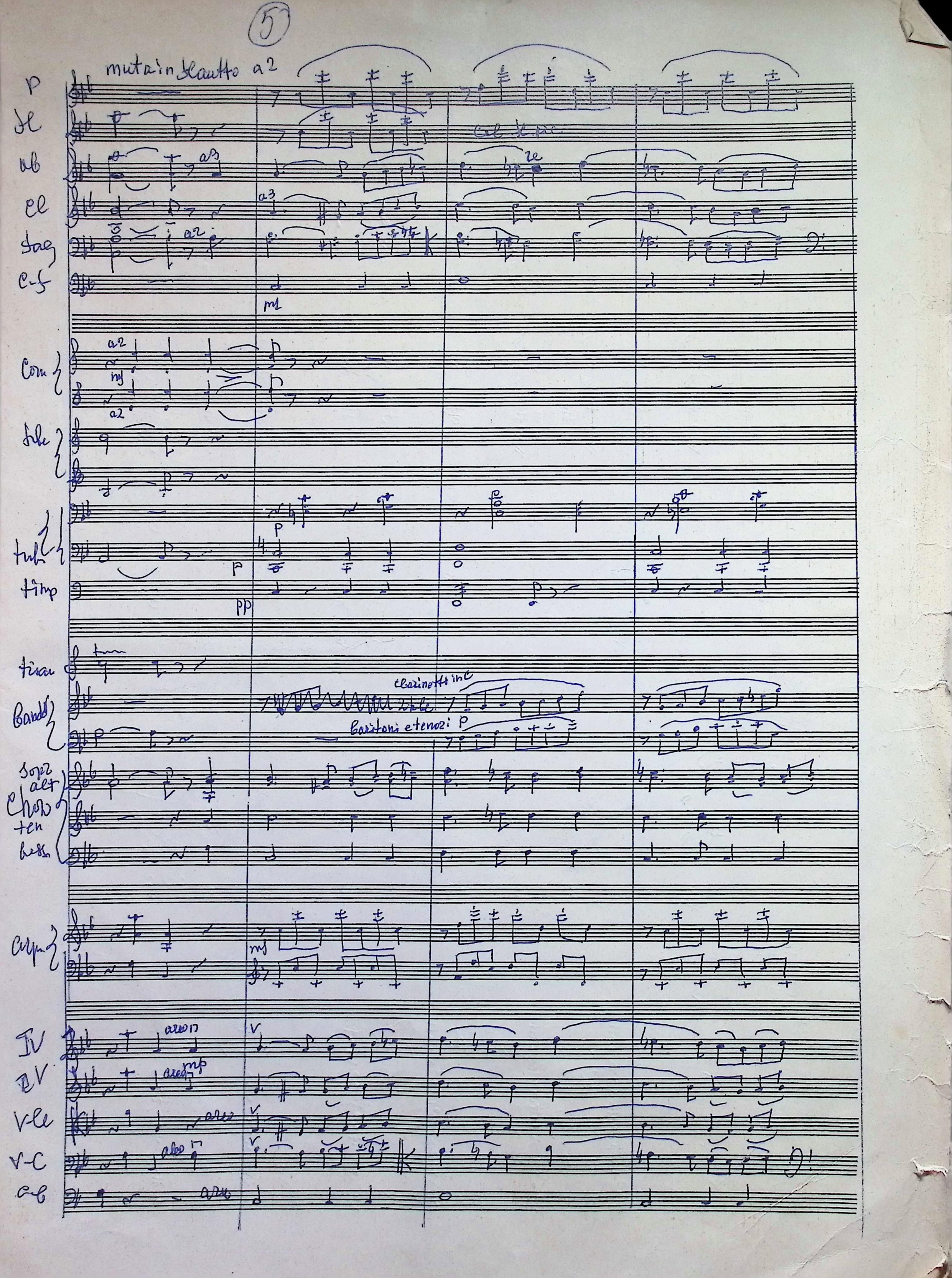
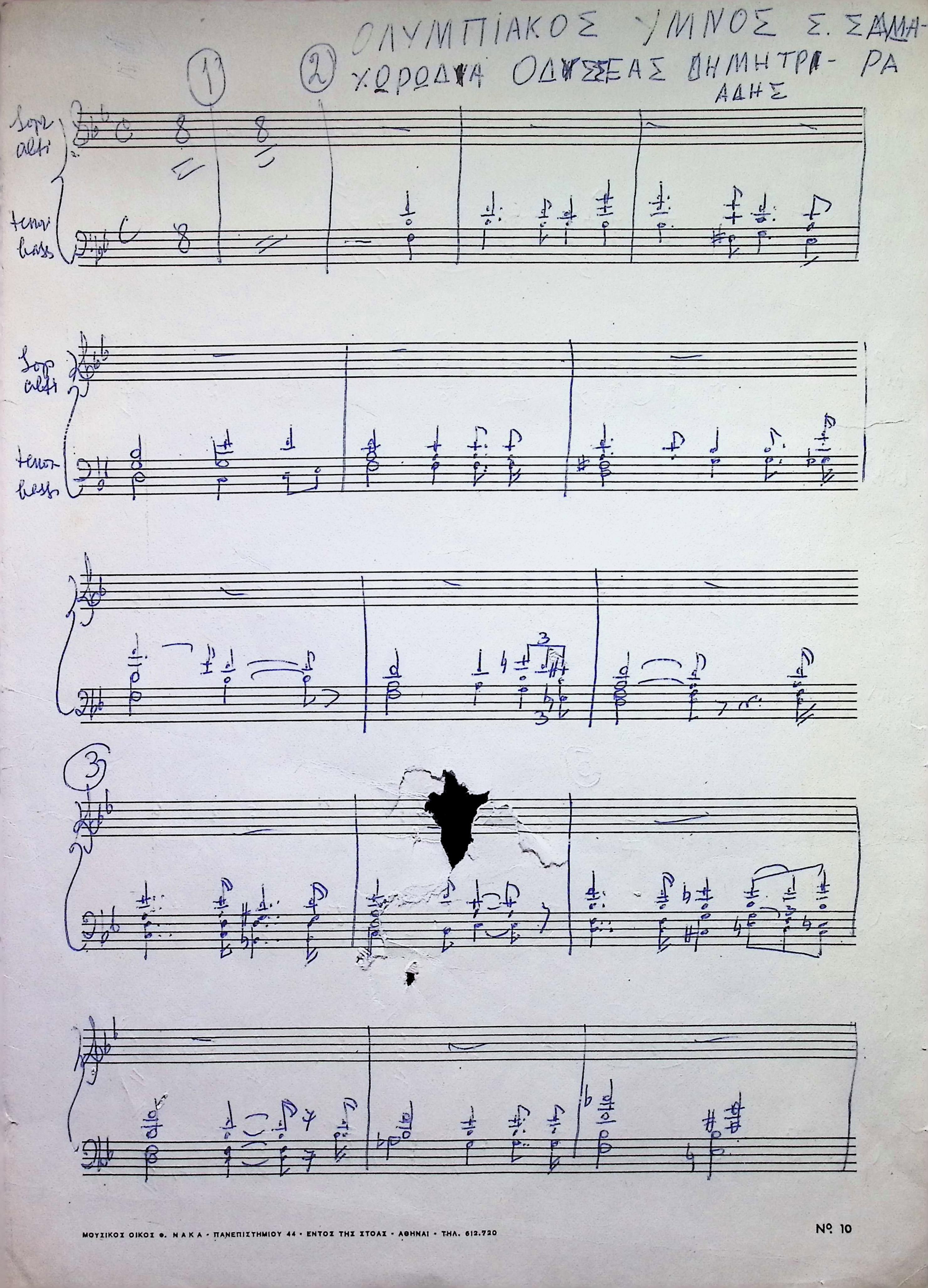
Scores for the Olympic Anthem (S. Samaras) with handwritten annotations.
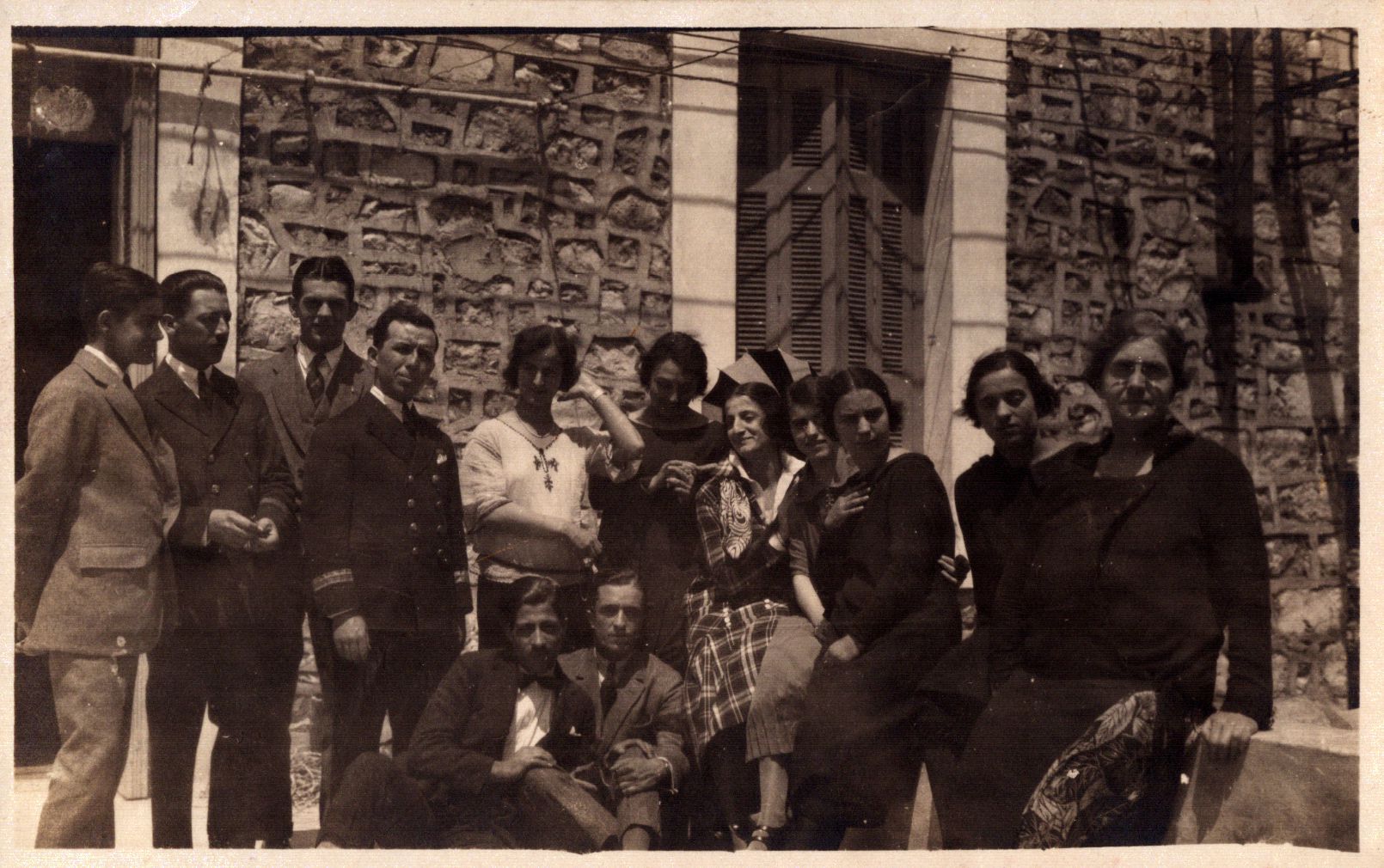
The camera lens captures familiar faces.
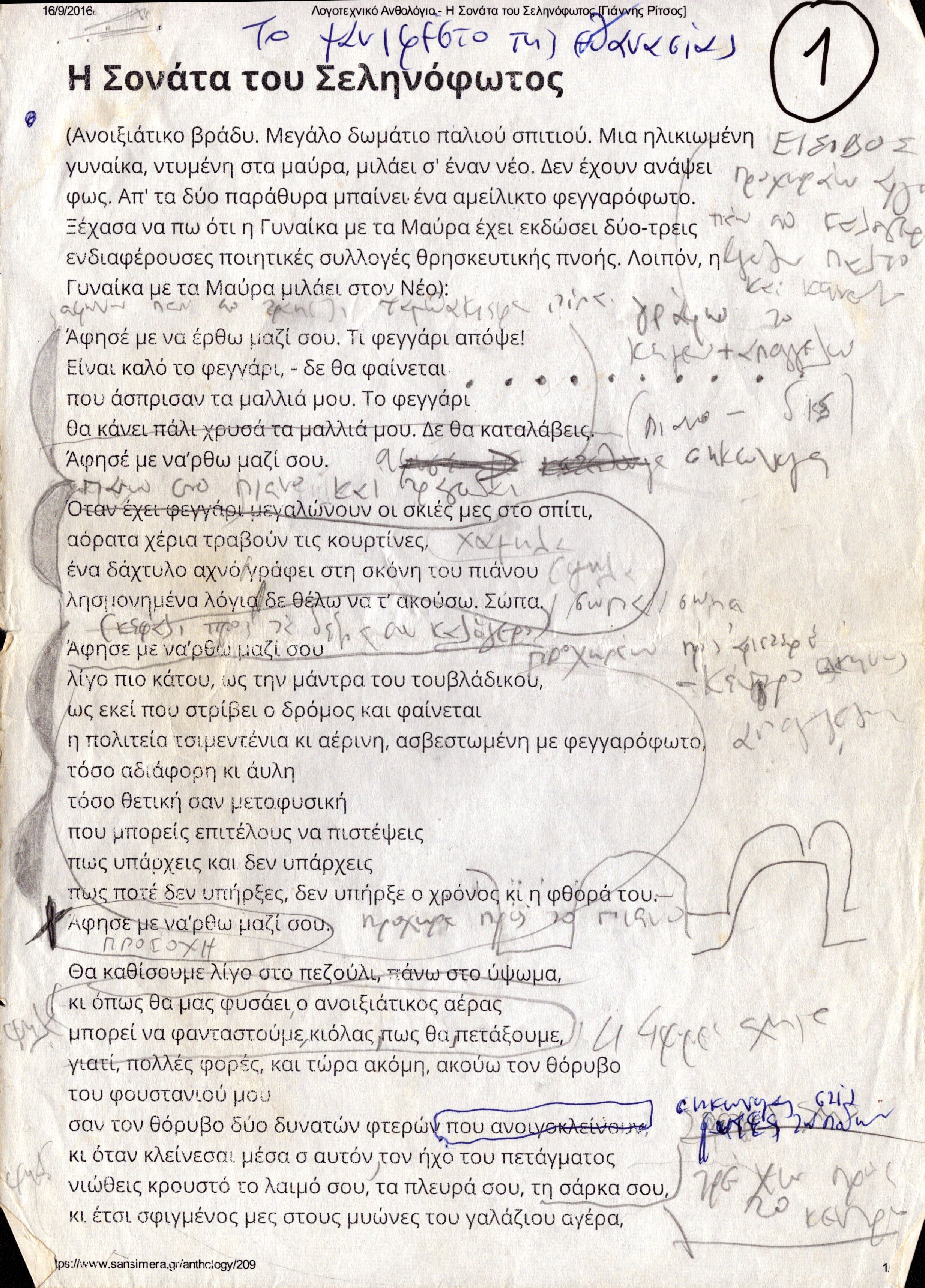
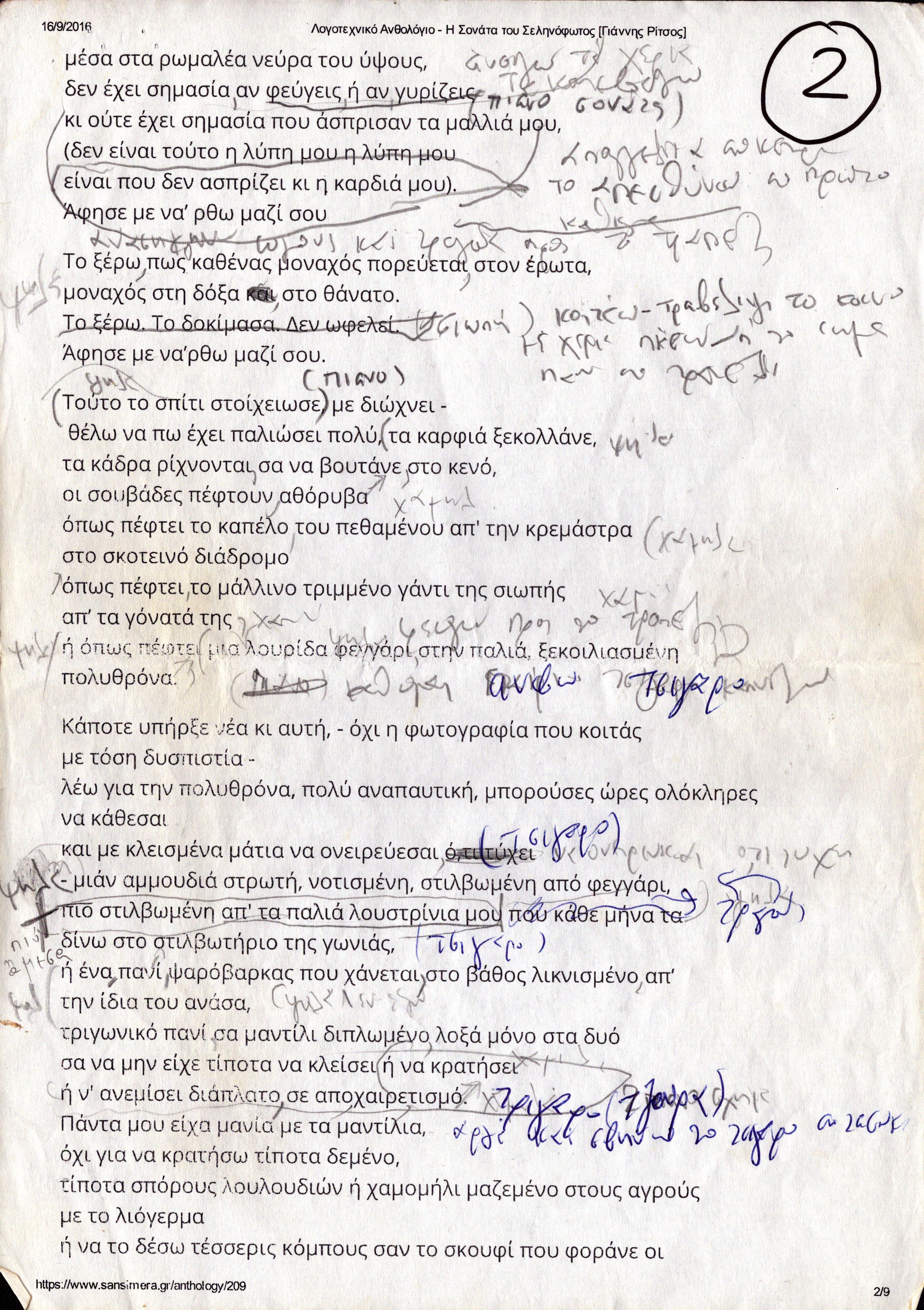
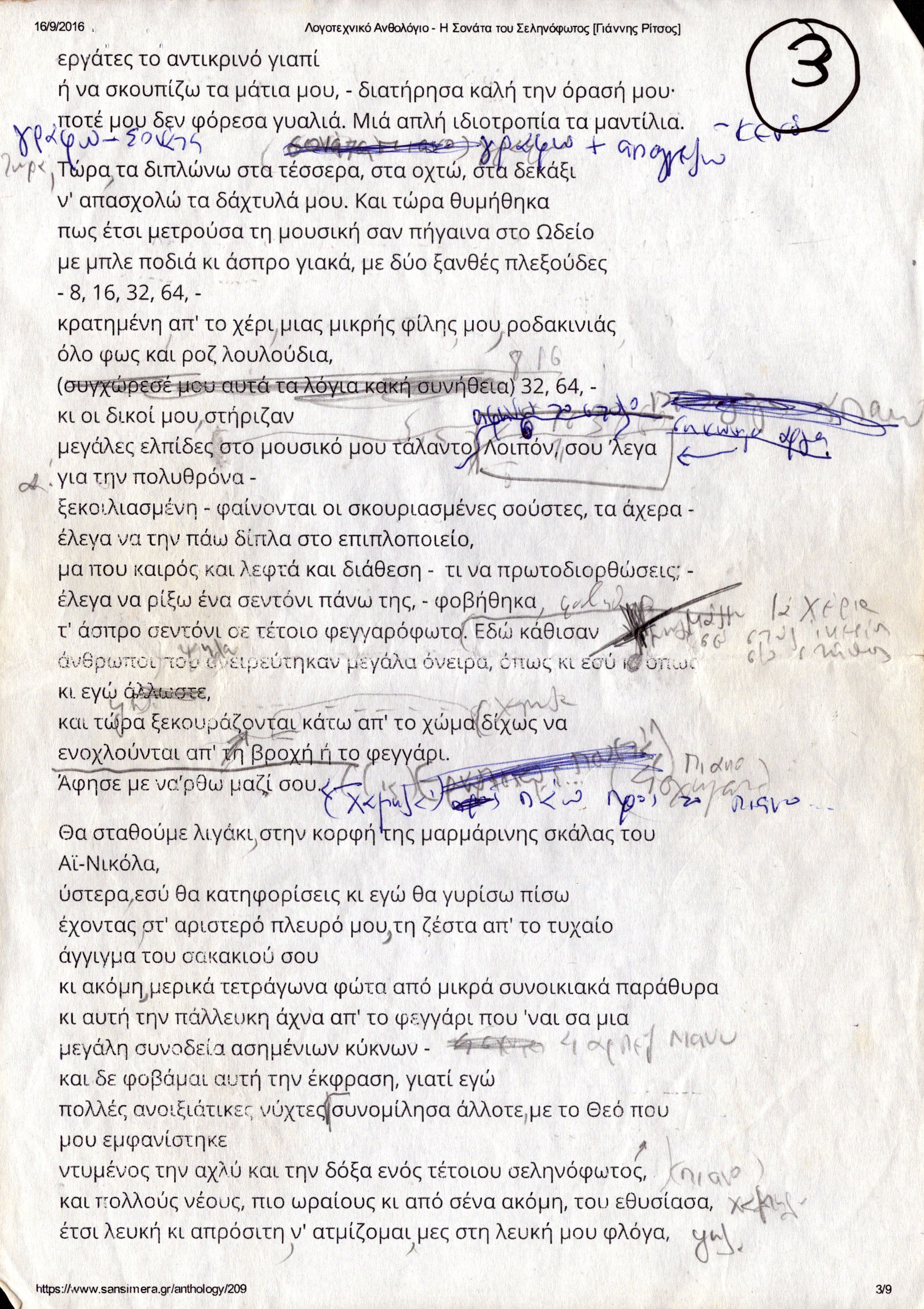
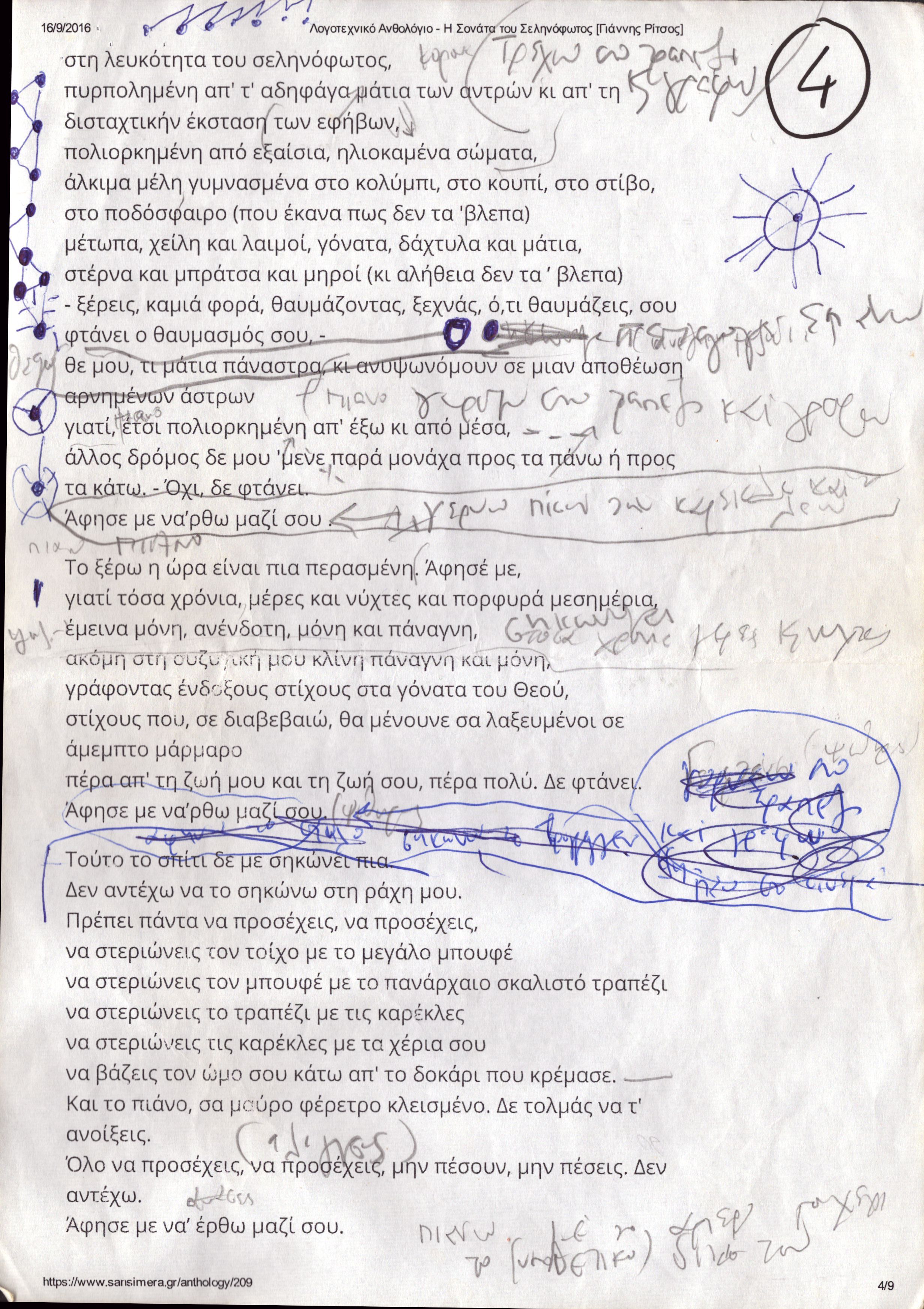
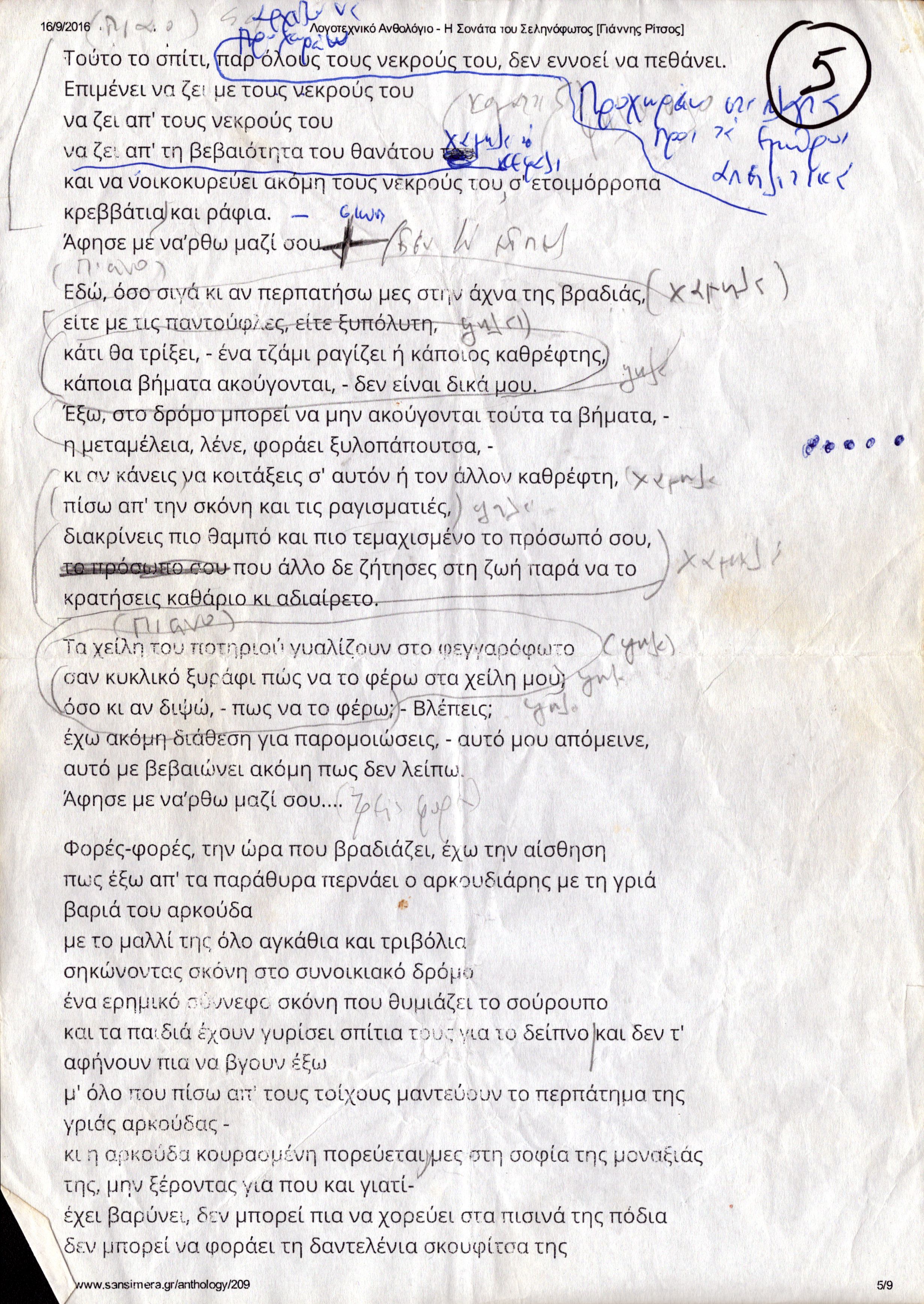
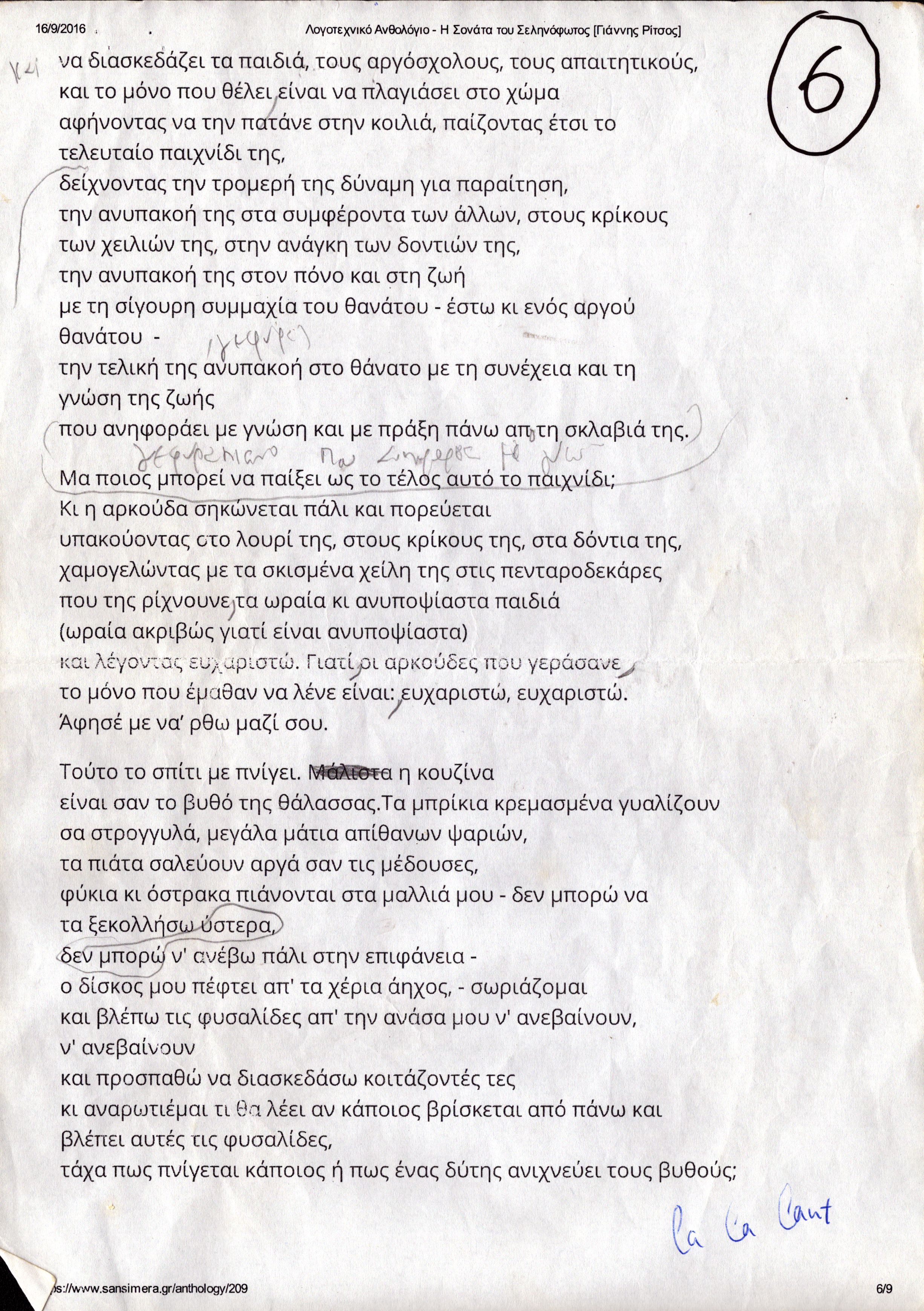
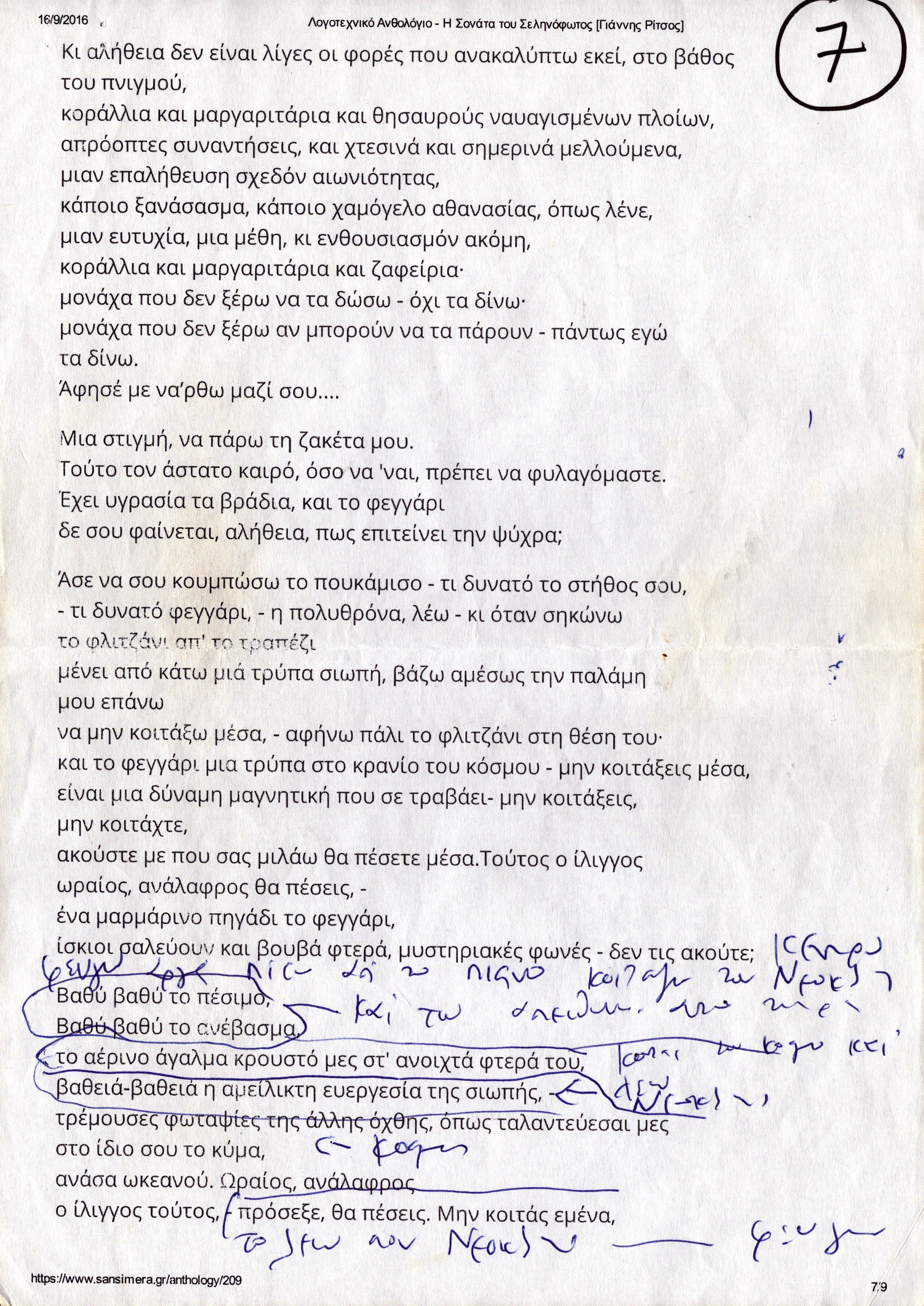
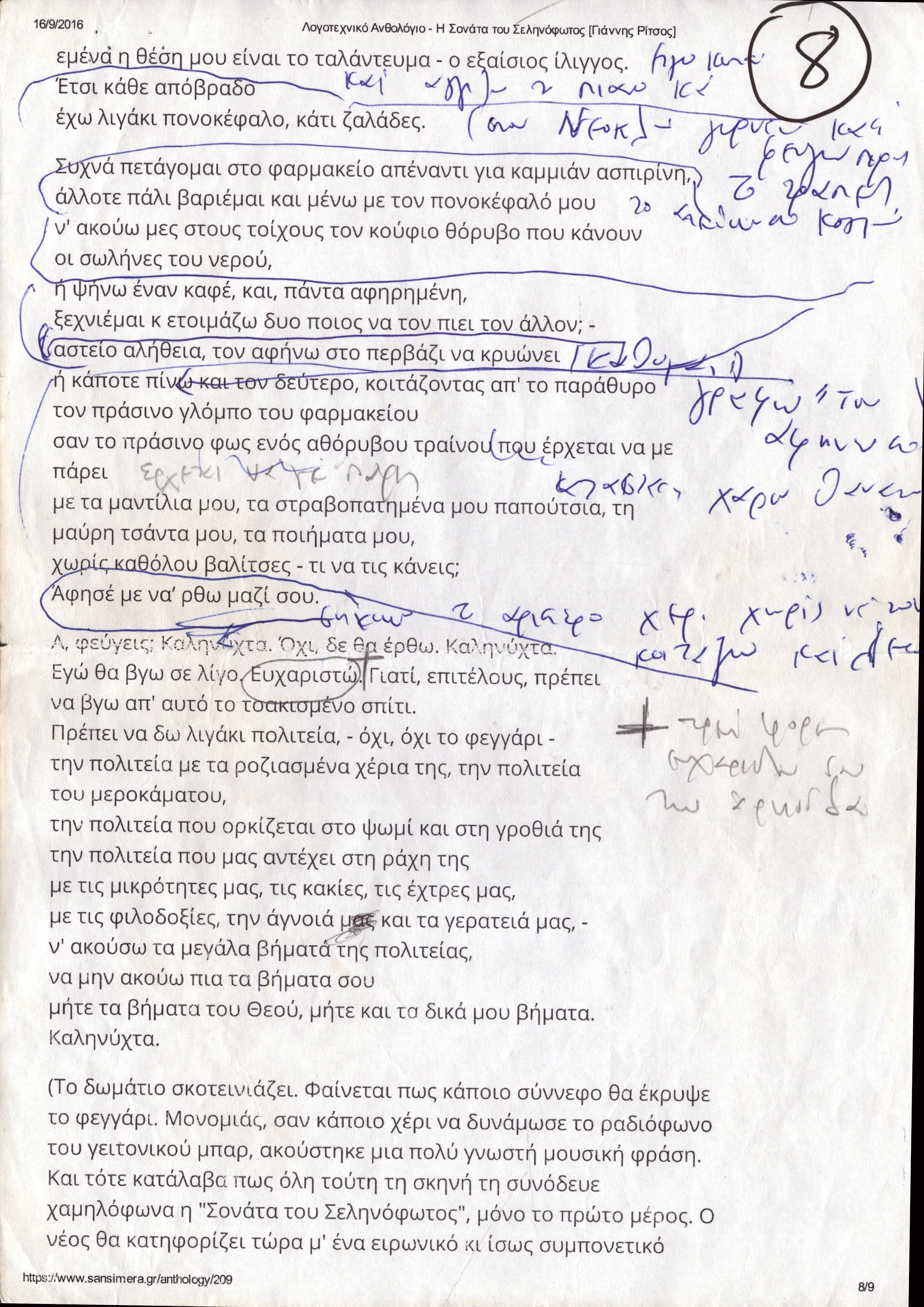
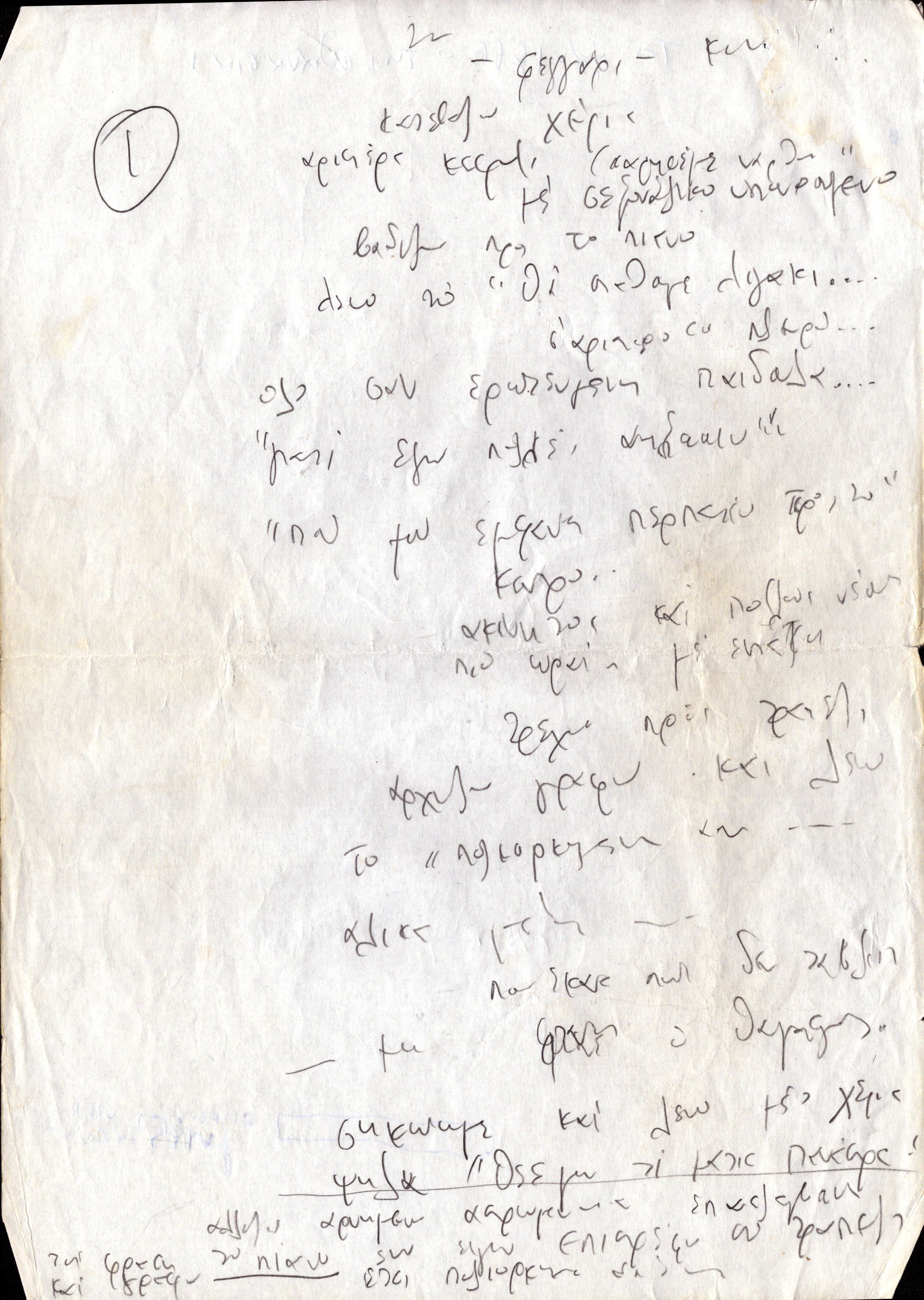
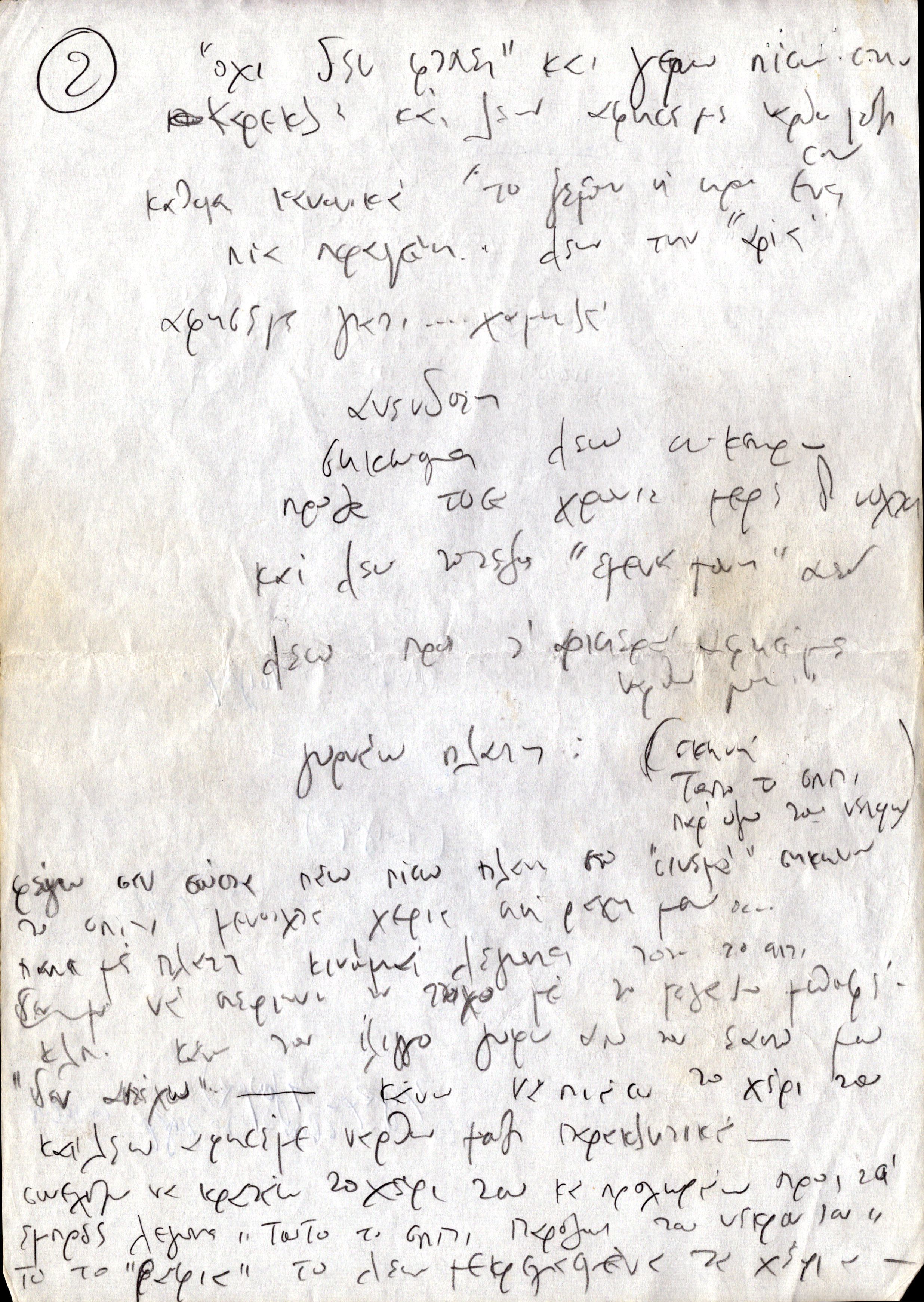
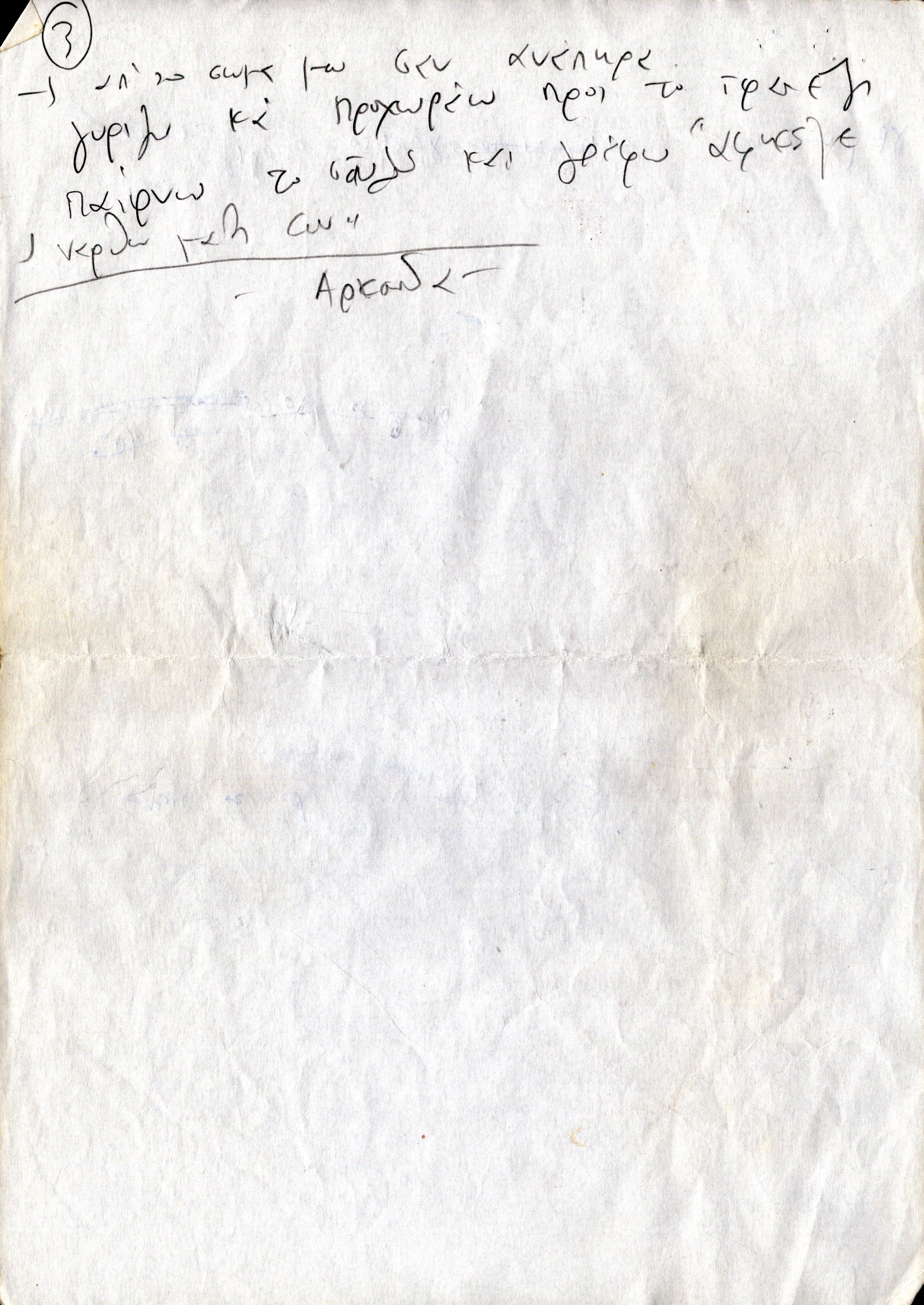
When poetry is transmuted through music… “The Moonlight Sonata,” a poetic text by Yiannis Ritsos, becomes the canvas upon which Stavros Xarchakos composes and, with awe, stands before it in masterful fashion. A rare document— a draft with handwritten annotations on the literary text.
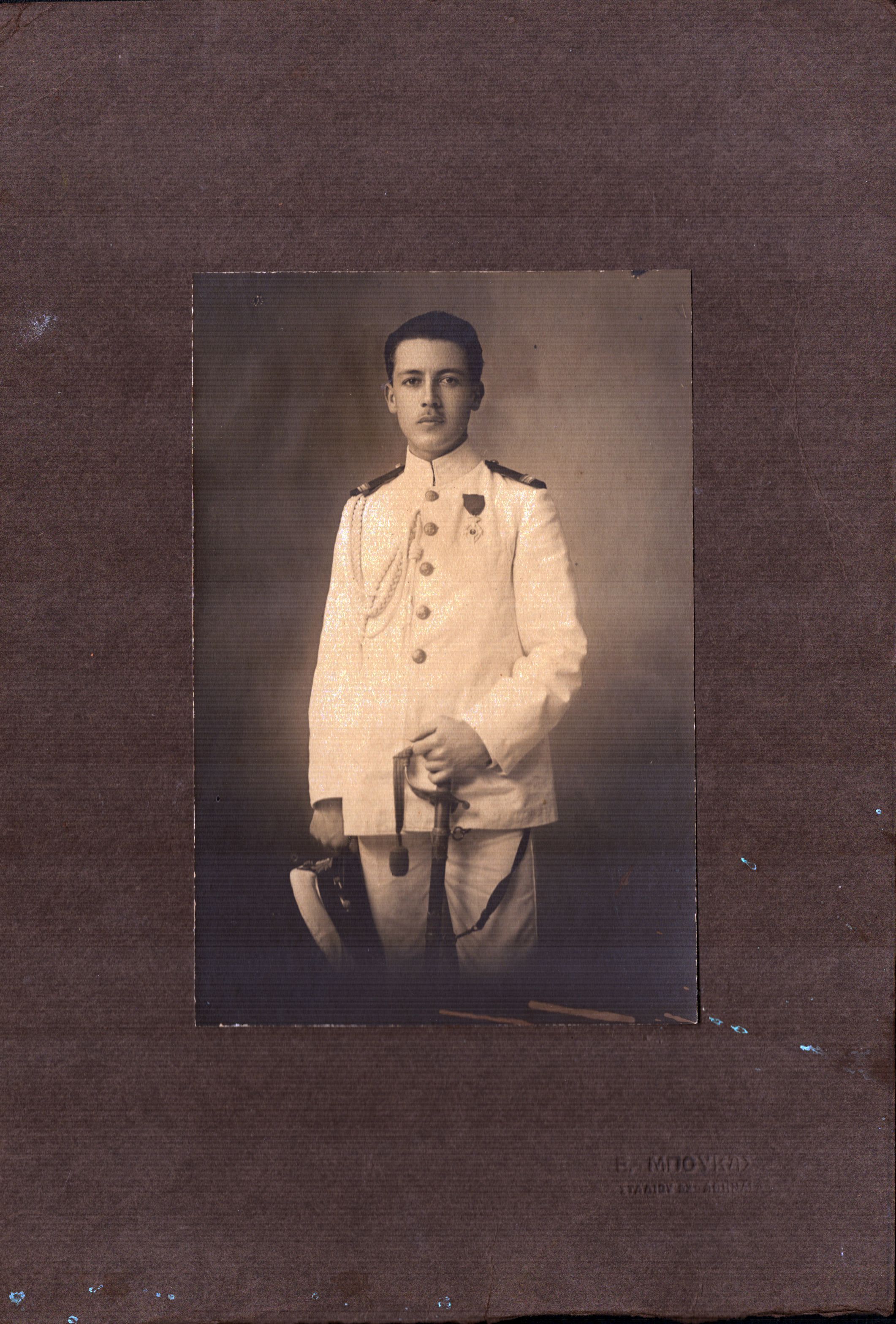
From the family album
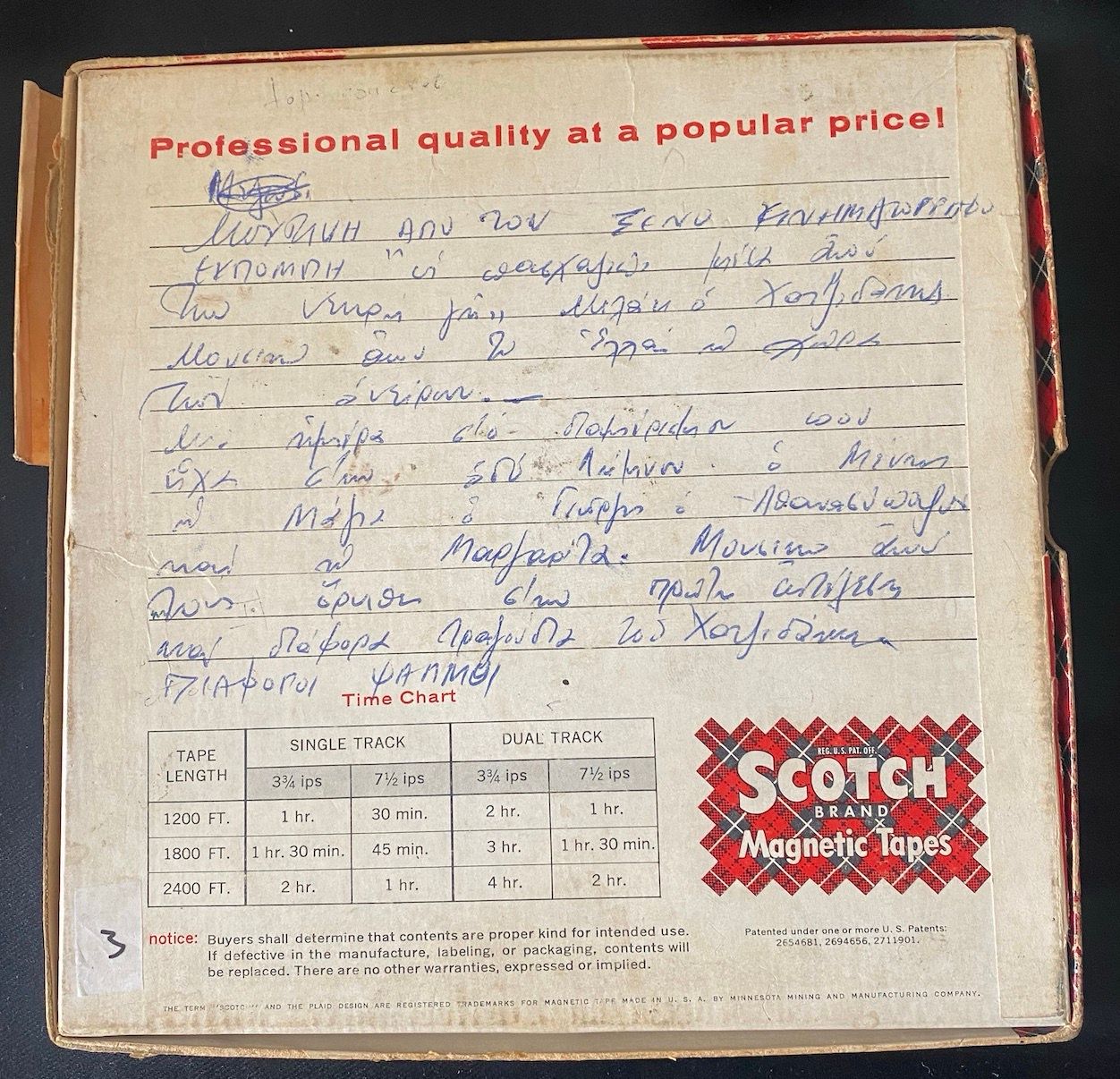
Music from foreign cinema Conversation with Manos Hatzidakis Music from Ornithes — first performances Music for “Ellada, i Chora ton Oneiron” Psalms and rare performances of songs, as preserved in a rare audio document.
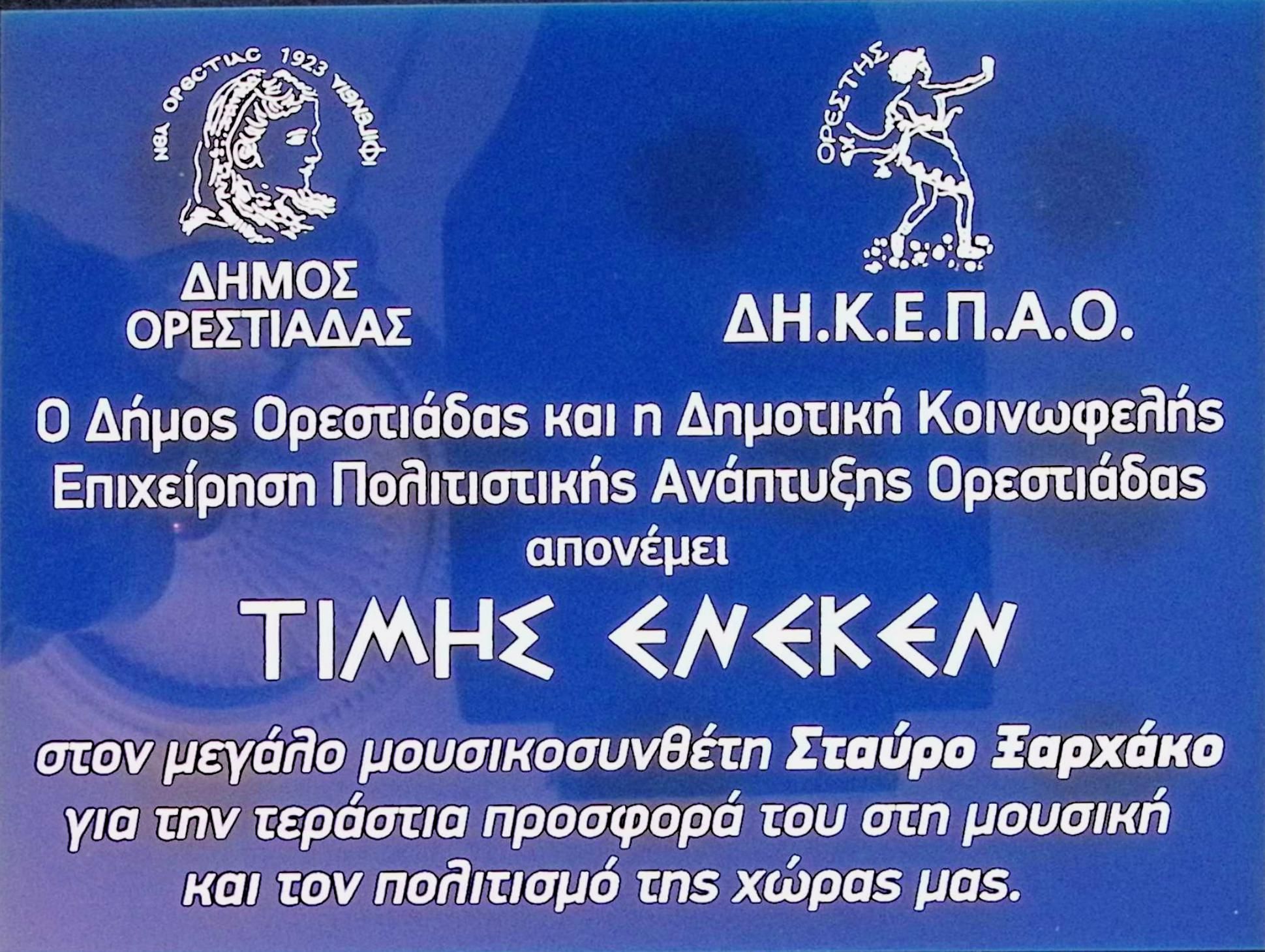
Honorary recognition by the Municipality of Orestiada to Stavros Xarchakos for his contribution to music and culture.
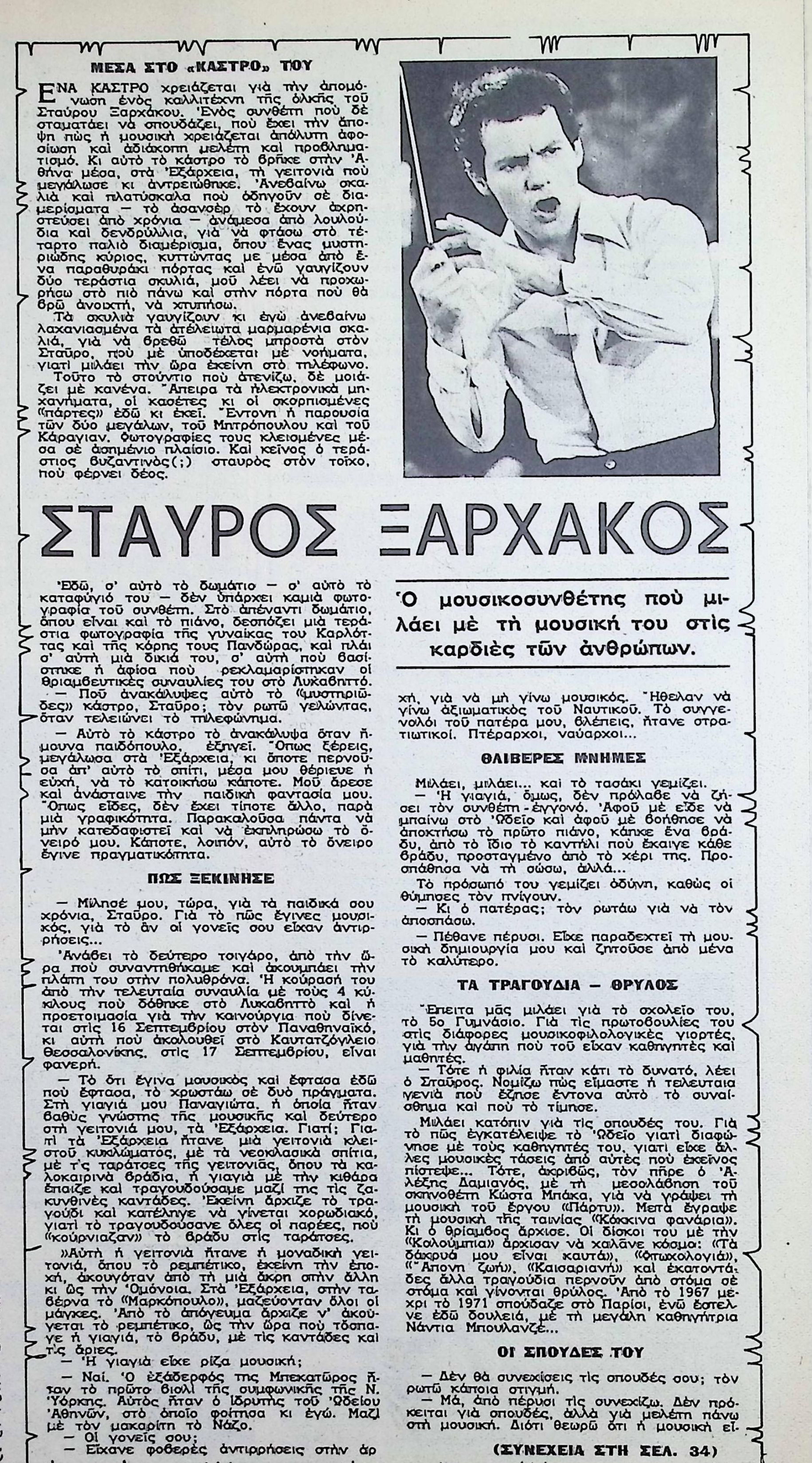
An interview that sheds light on the life of Stavros Xarchakos (excerpt). The home, childhood years, the grandmother, the parents, the 5th Gymnasium, the music school, the first creations… Many memories, unique and unforgettable.
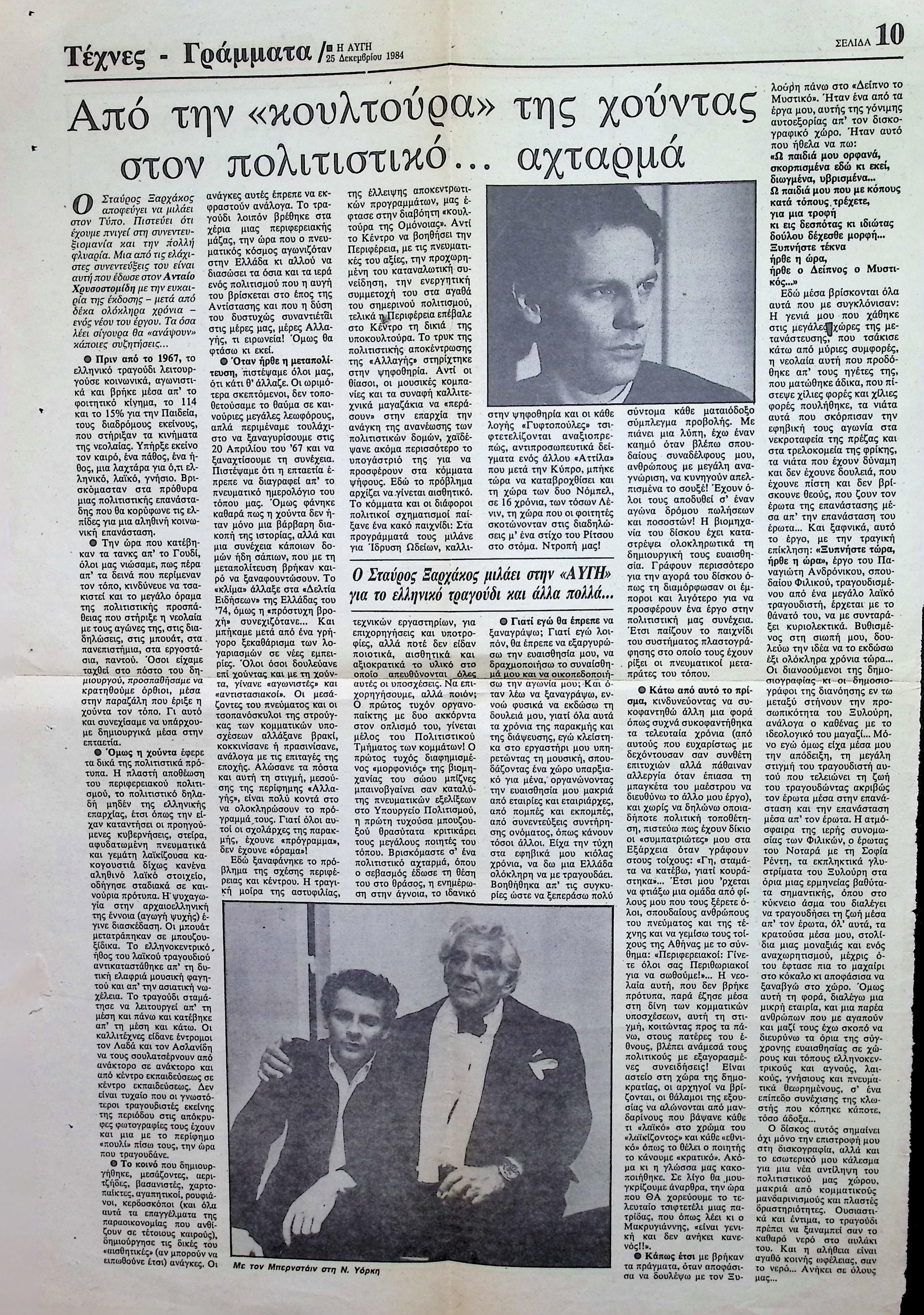
Interview in the newspaper “Avgi”, one of the few that reflects, across time, on both the past and the present of cultural life, and on “O Deipnos O Mystikos”. Music as a common good, like water… it belongs to everyone. From the culture of the junta to a cultural … mishmash.
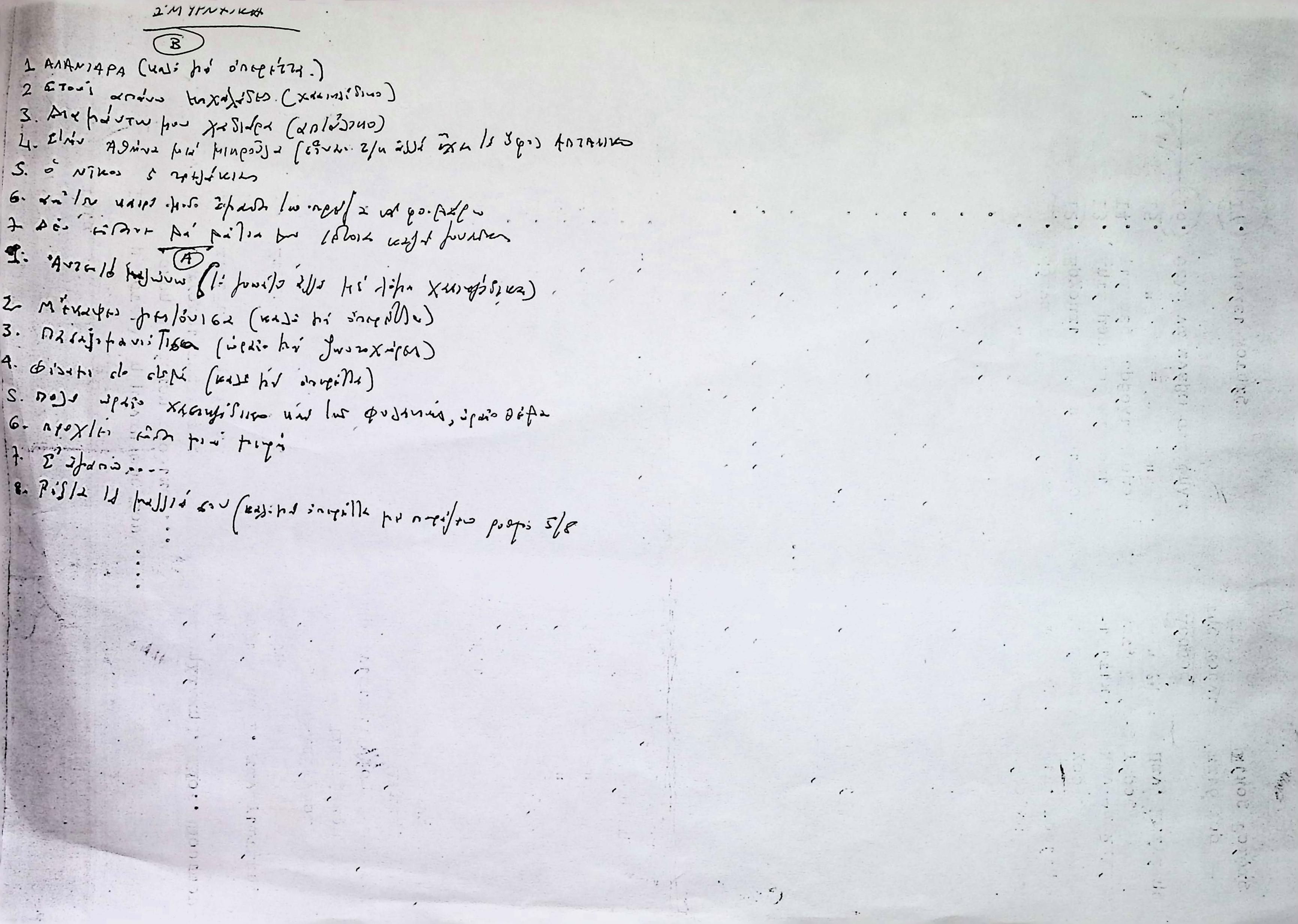
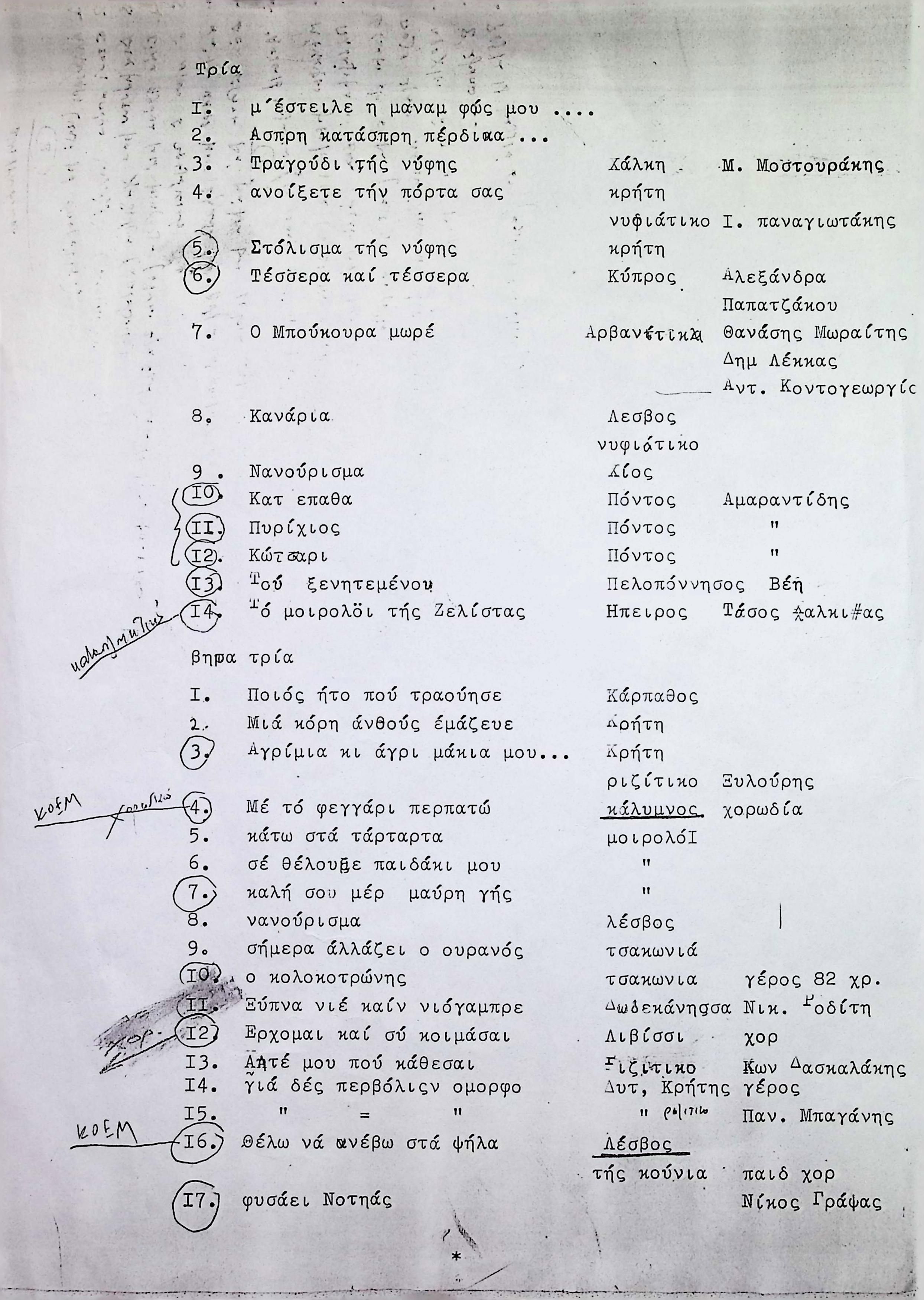
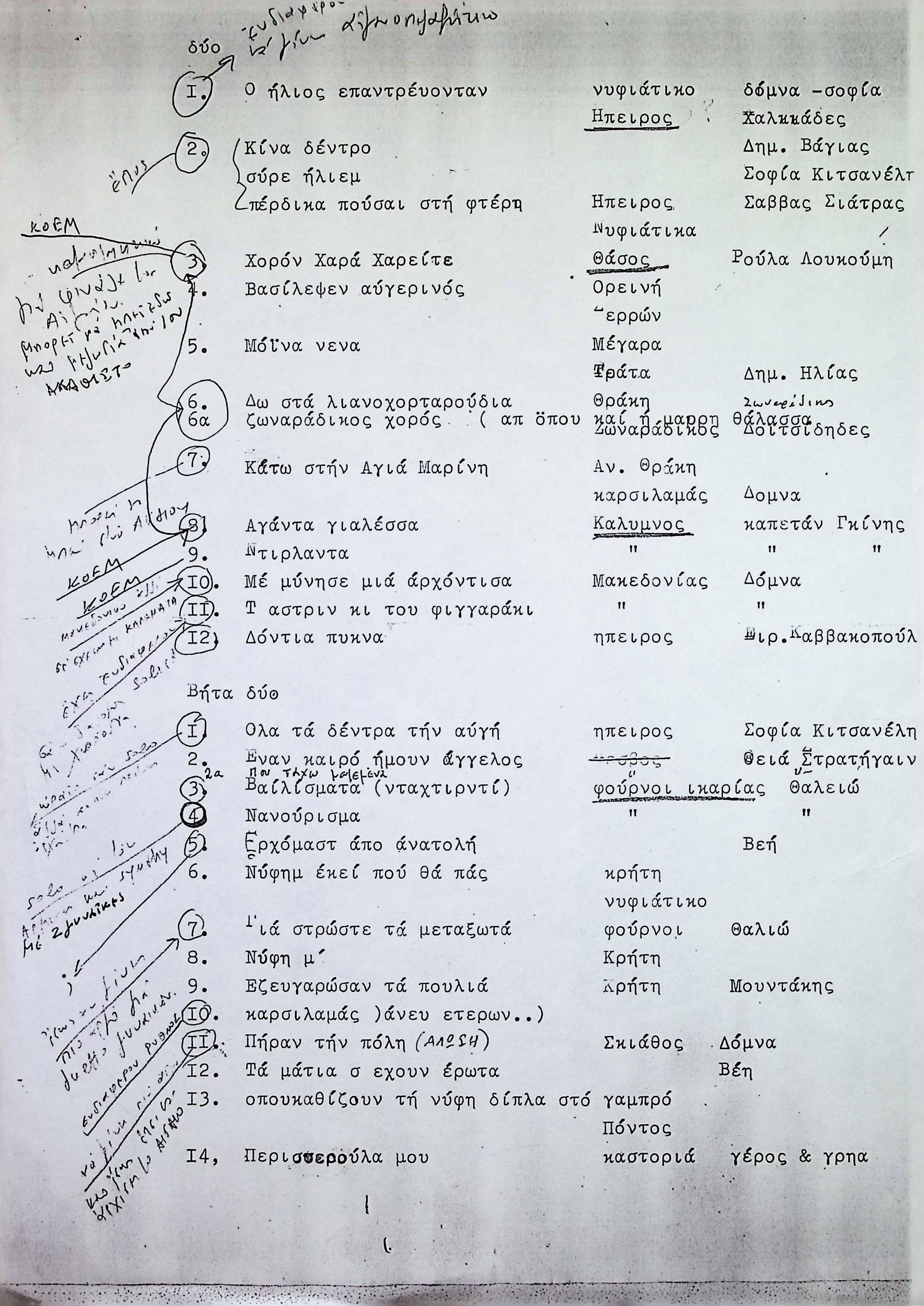
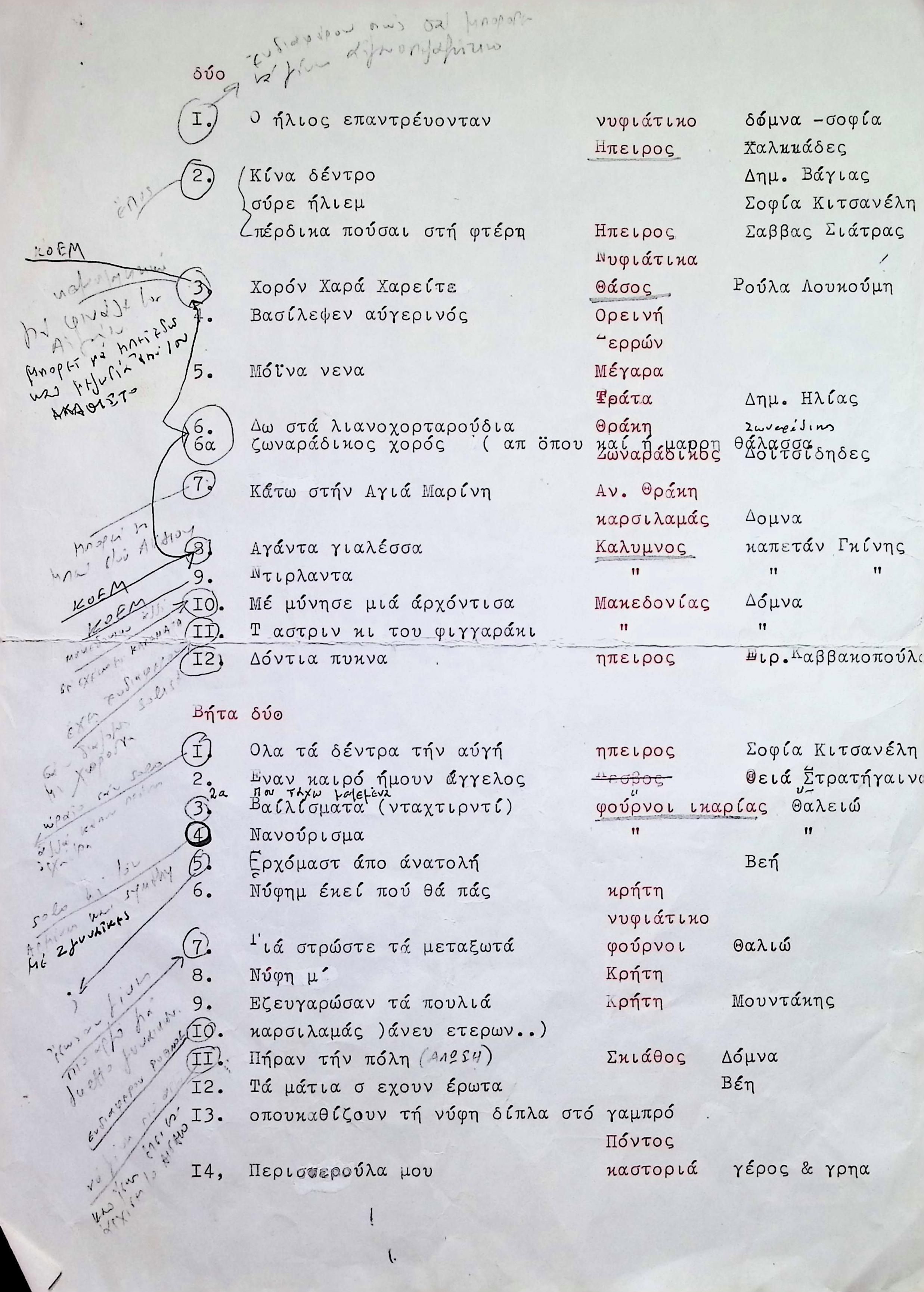
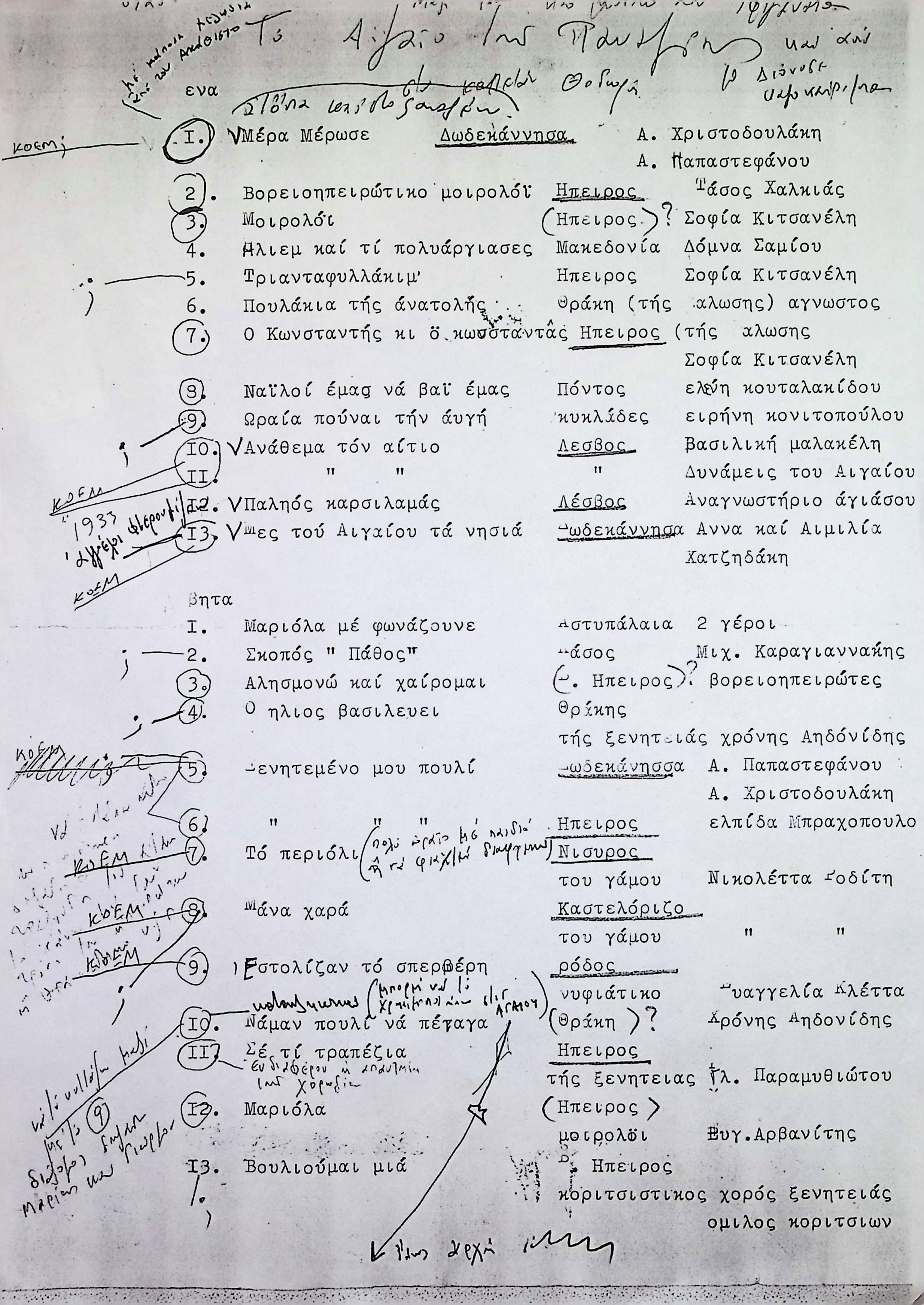
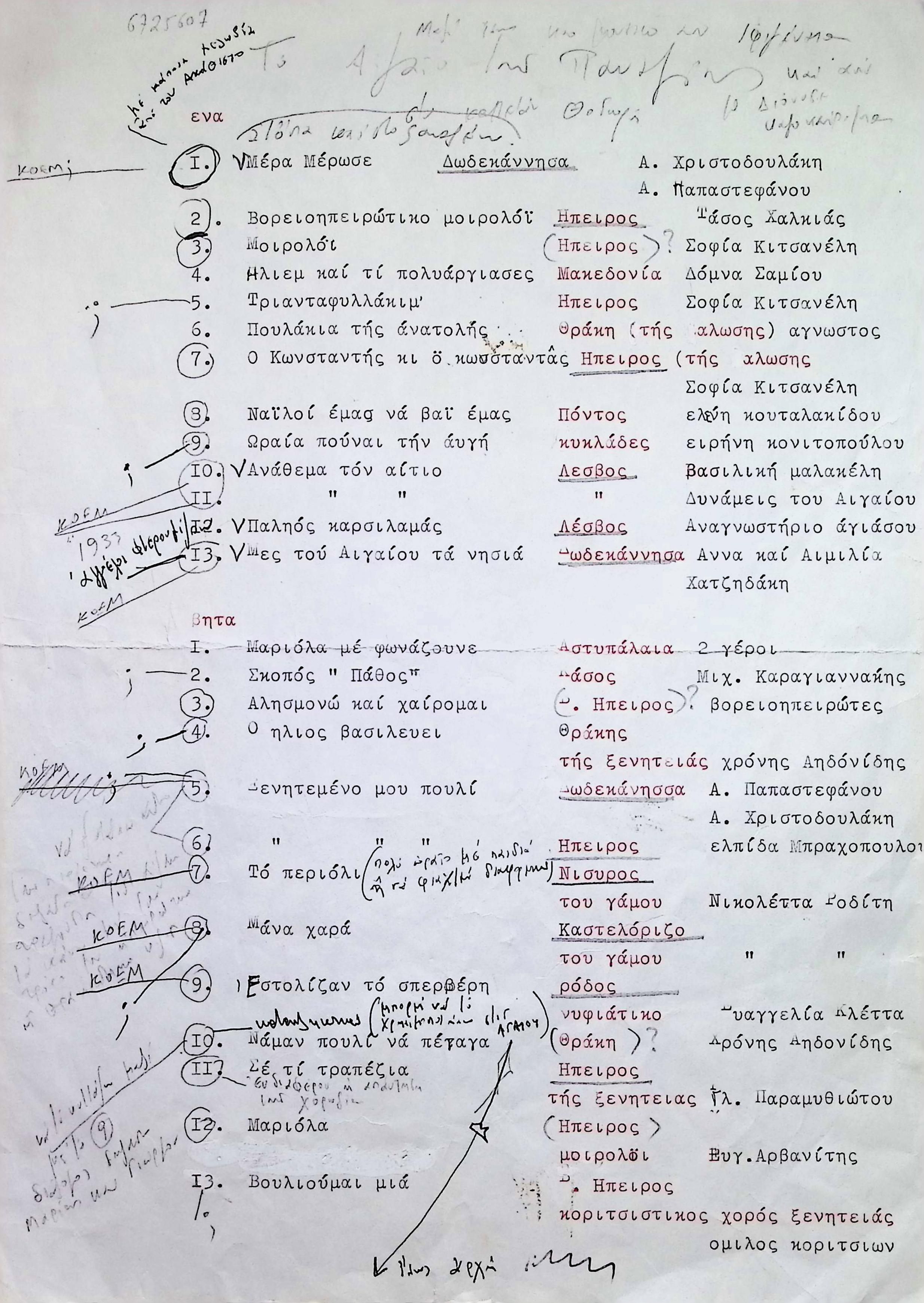
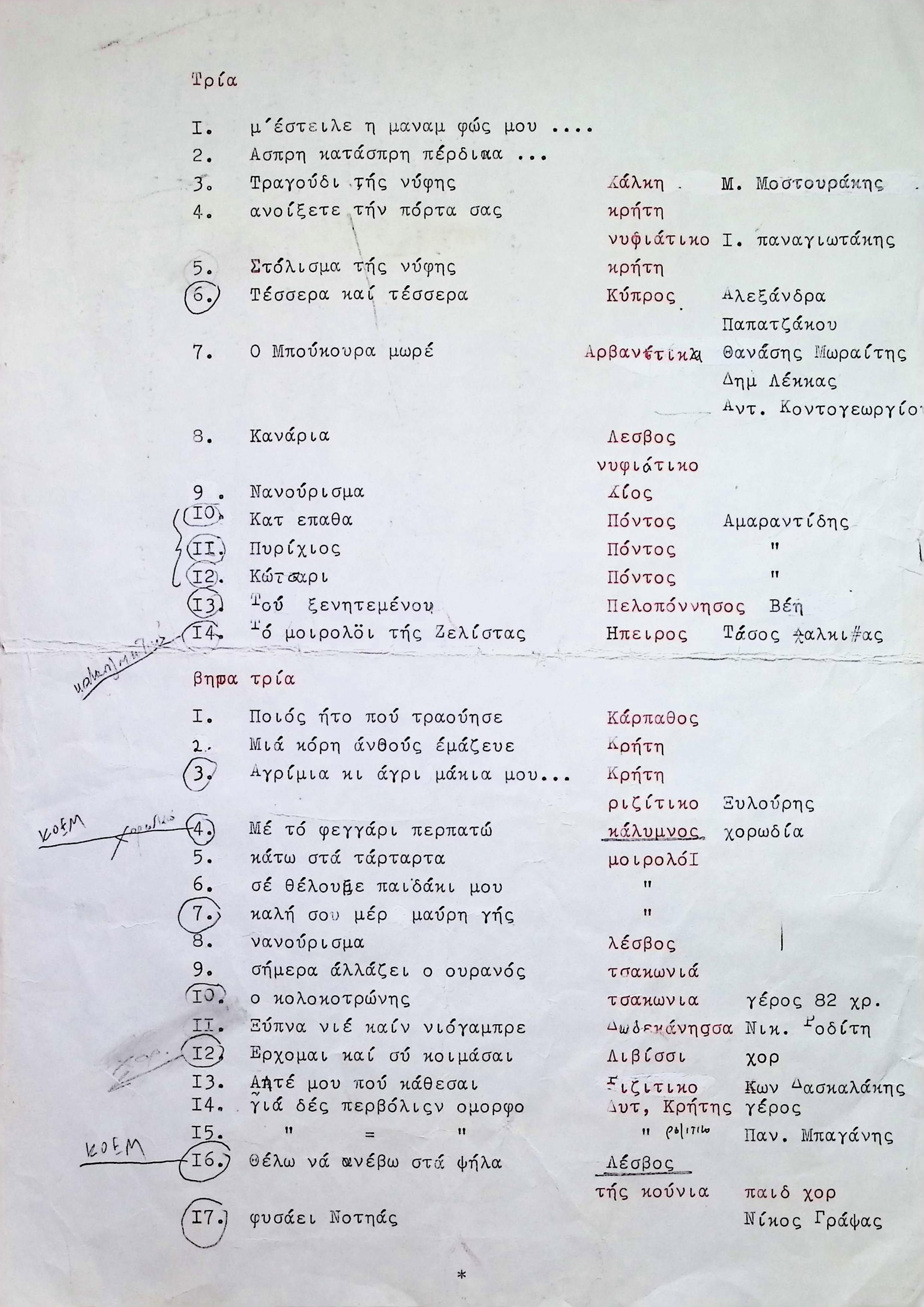
Heptanesian music, rebetiko, folk and ecclesiastical music; all serve as sources of inspiration for Stavros Xarchakos. Lists of songs with handwritten notes and catalogs of performers, including the conductor’s remarks on interpretation, use, and orchestration, are presented as evidence of the artistic creative process; documents that reveal the creator’s working method and shed light on the path from first conception to the final presentation of his works. Extensive handwritten notes on the interpretation and use of each song: accentuation, instrument entries, rhythmic markings, vocal directions, changes in orchestration, as well as practical notes for rehearsals and recording. Multiple references to the State Orchestra of Greek Music are discernible.
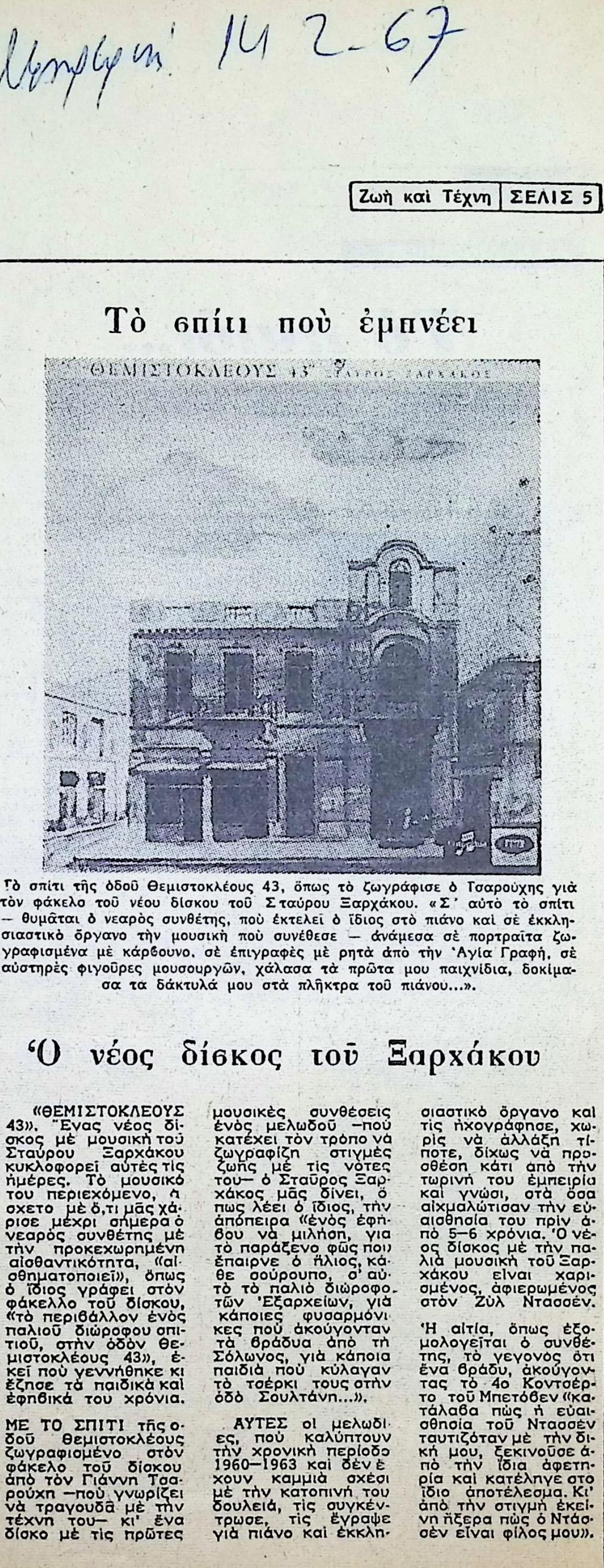
An article in the newspaper “Mesimvrini” from 1967, about an album dedicated to Jules Dassin—an album featuring the maestro’s “early” music and everything that captured his sensitivity at the very beginning of his artistic journey.
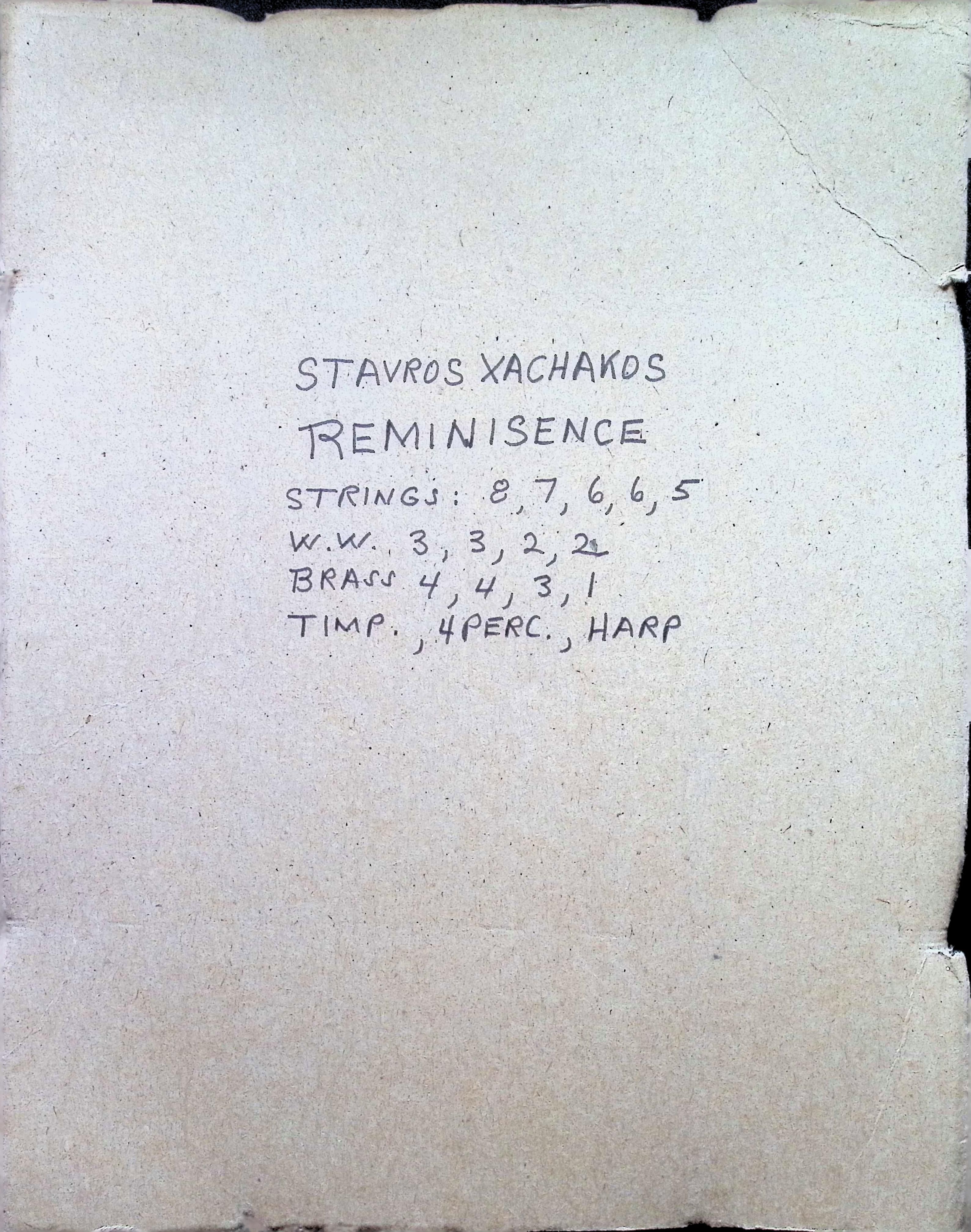
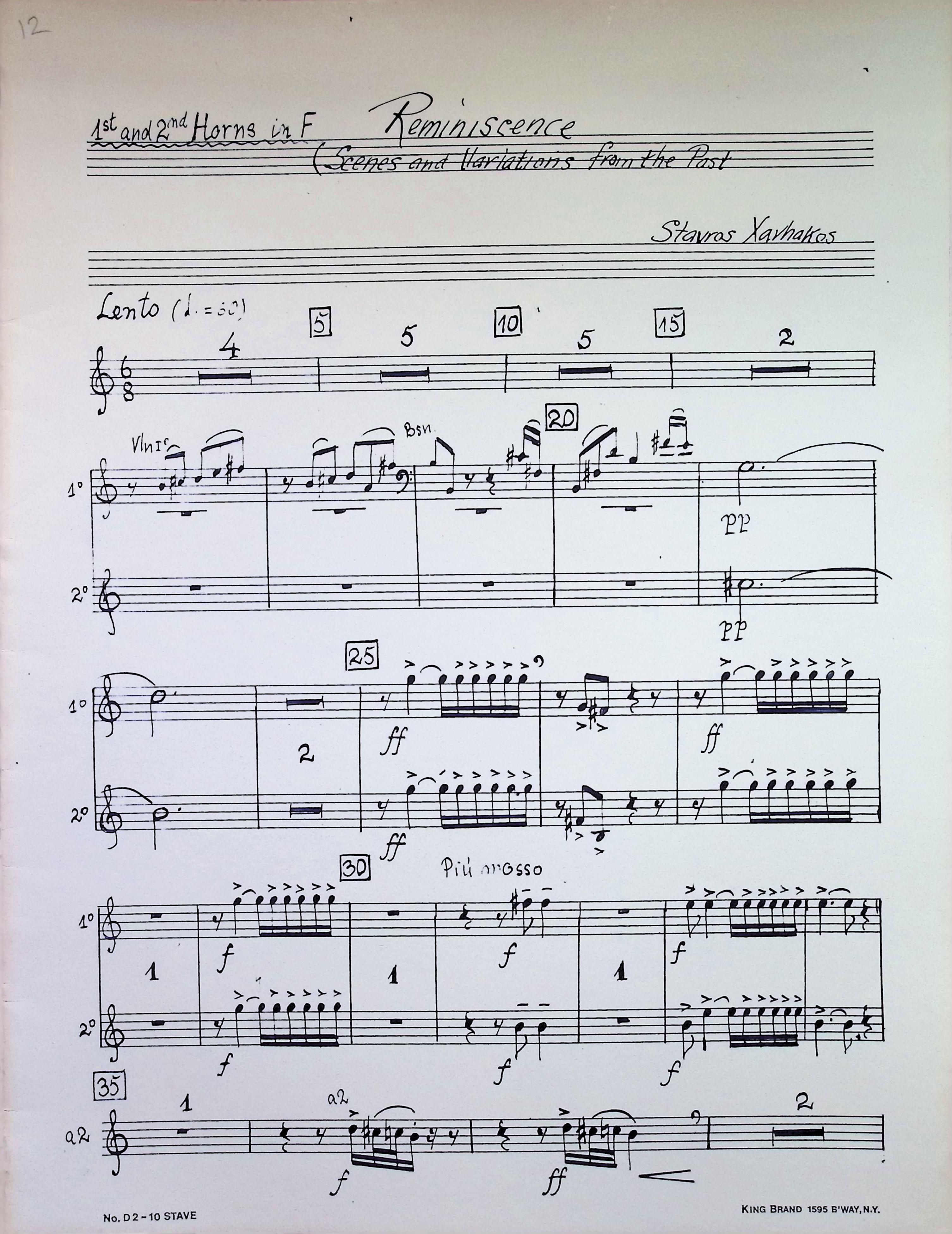
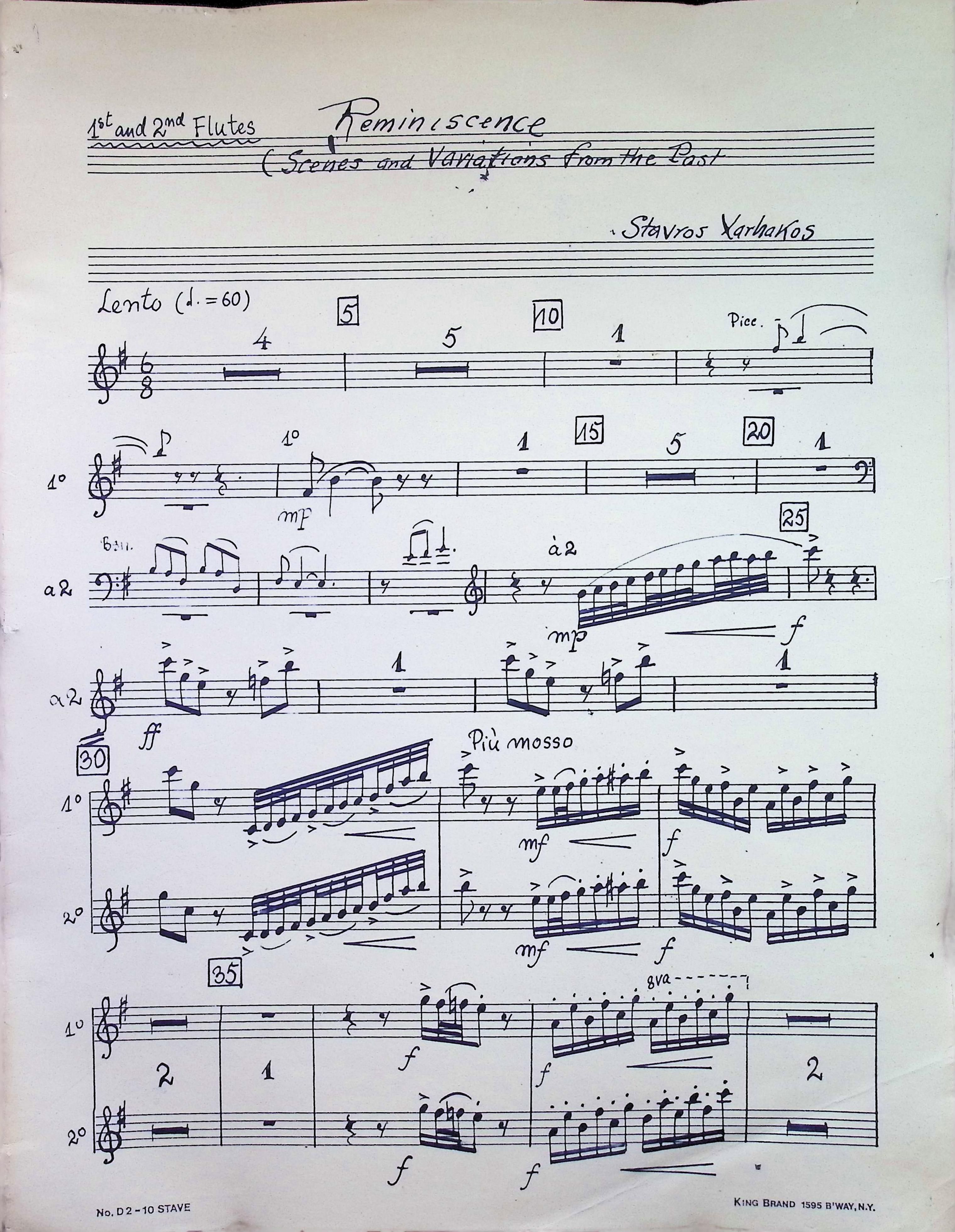
Scores from the conductor’s personal archive reveal a unique creation that leaves a significant musical imprint. In the 1970s, in America, the maestro presented a composition born of deep inspiration and an inner need for expression. A work that combines an ingenious musical conception with personal sensitivity, highlighting an artistic voice distinguished for its freshness and boldness, and standing as a remarkable testament to creativity
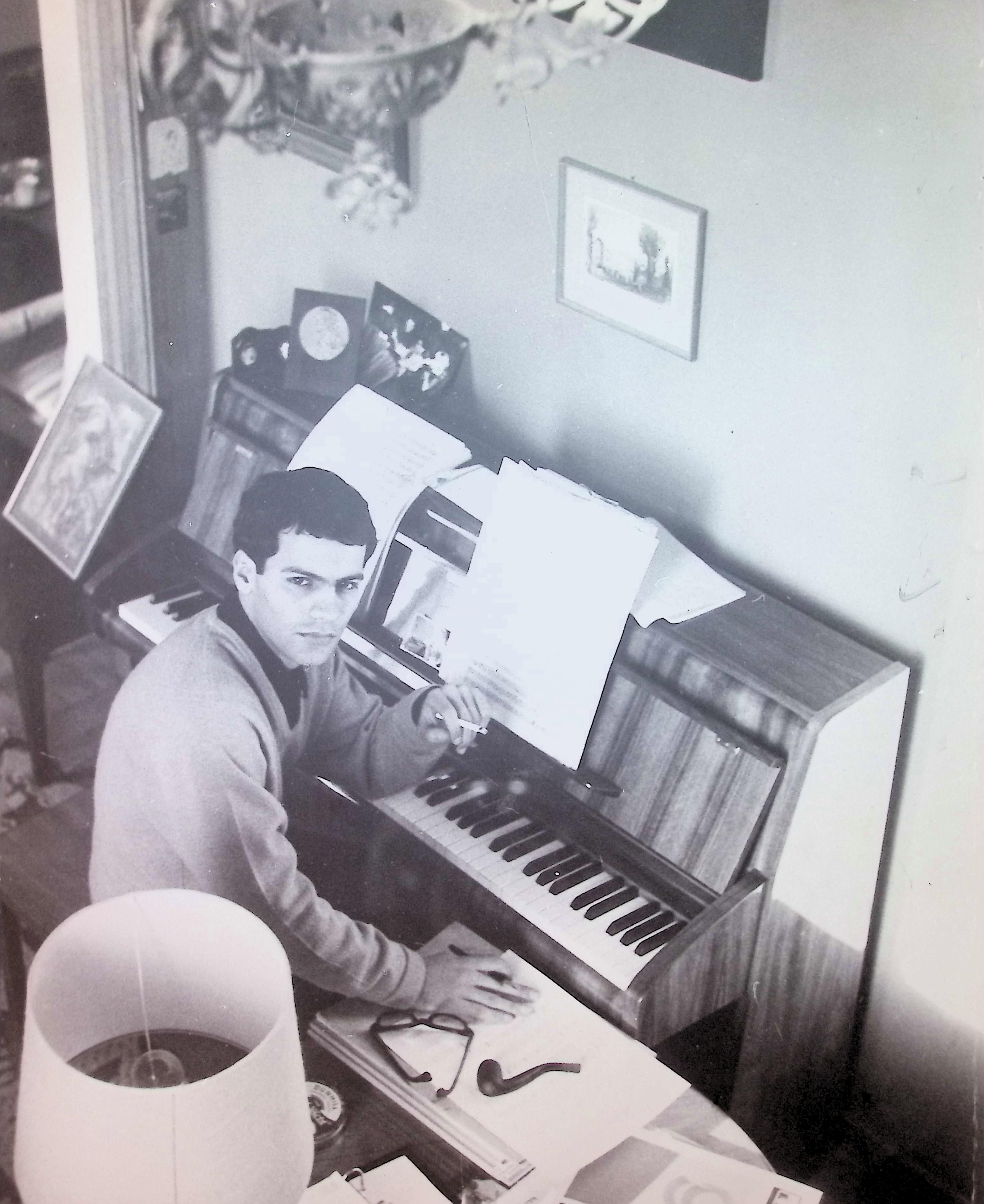
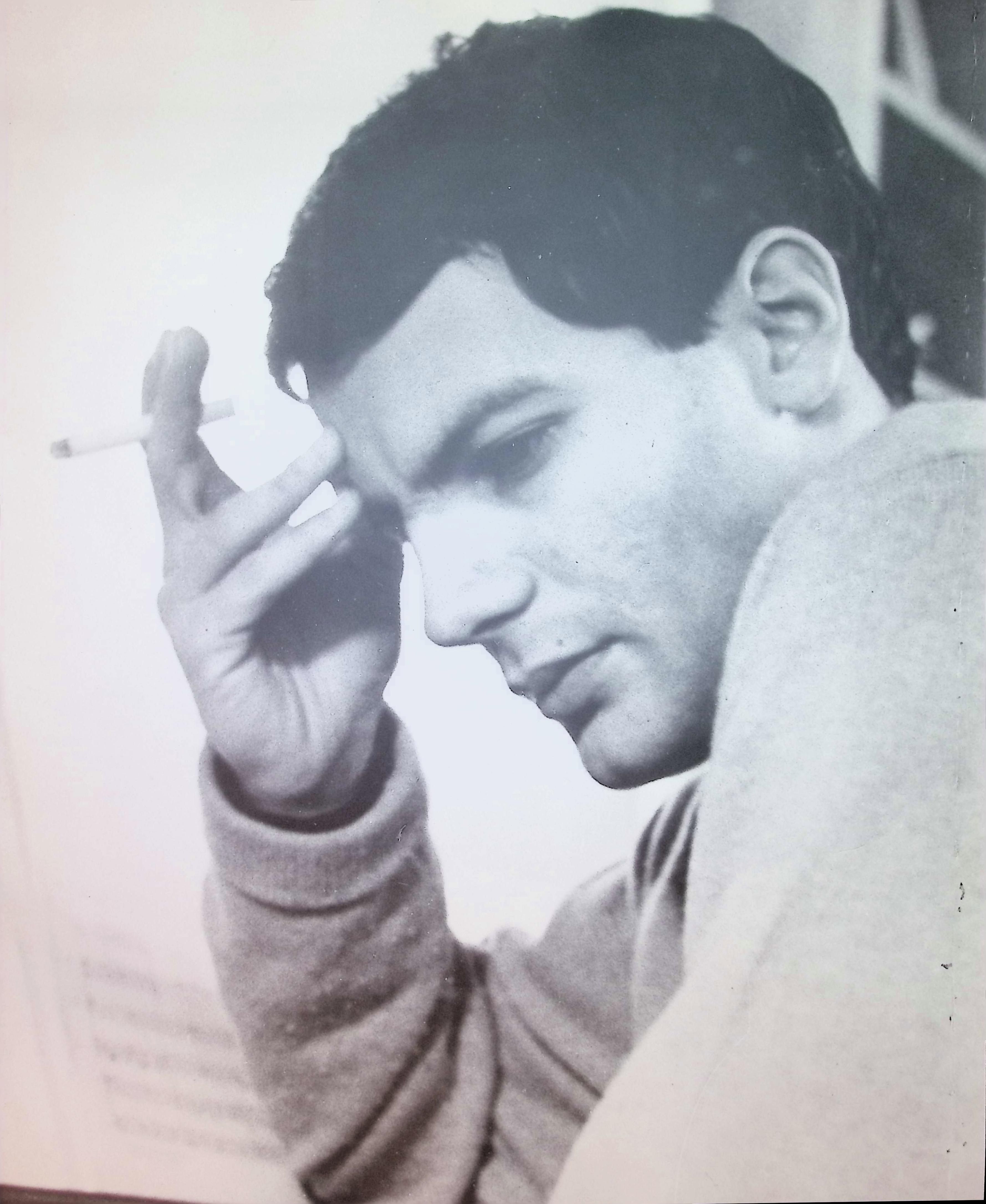
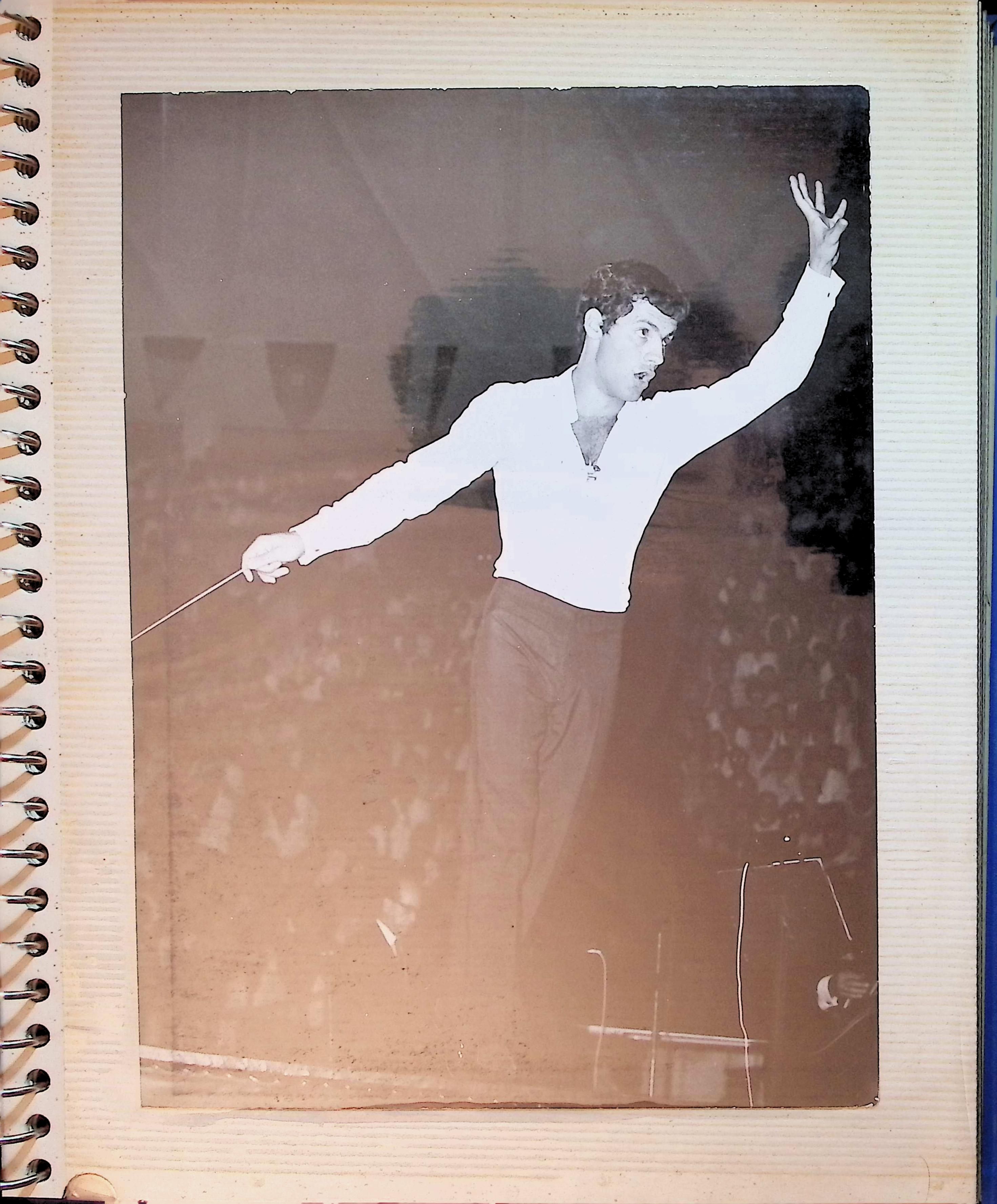
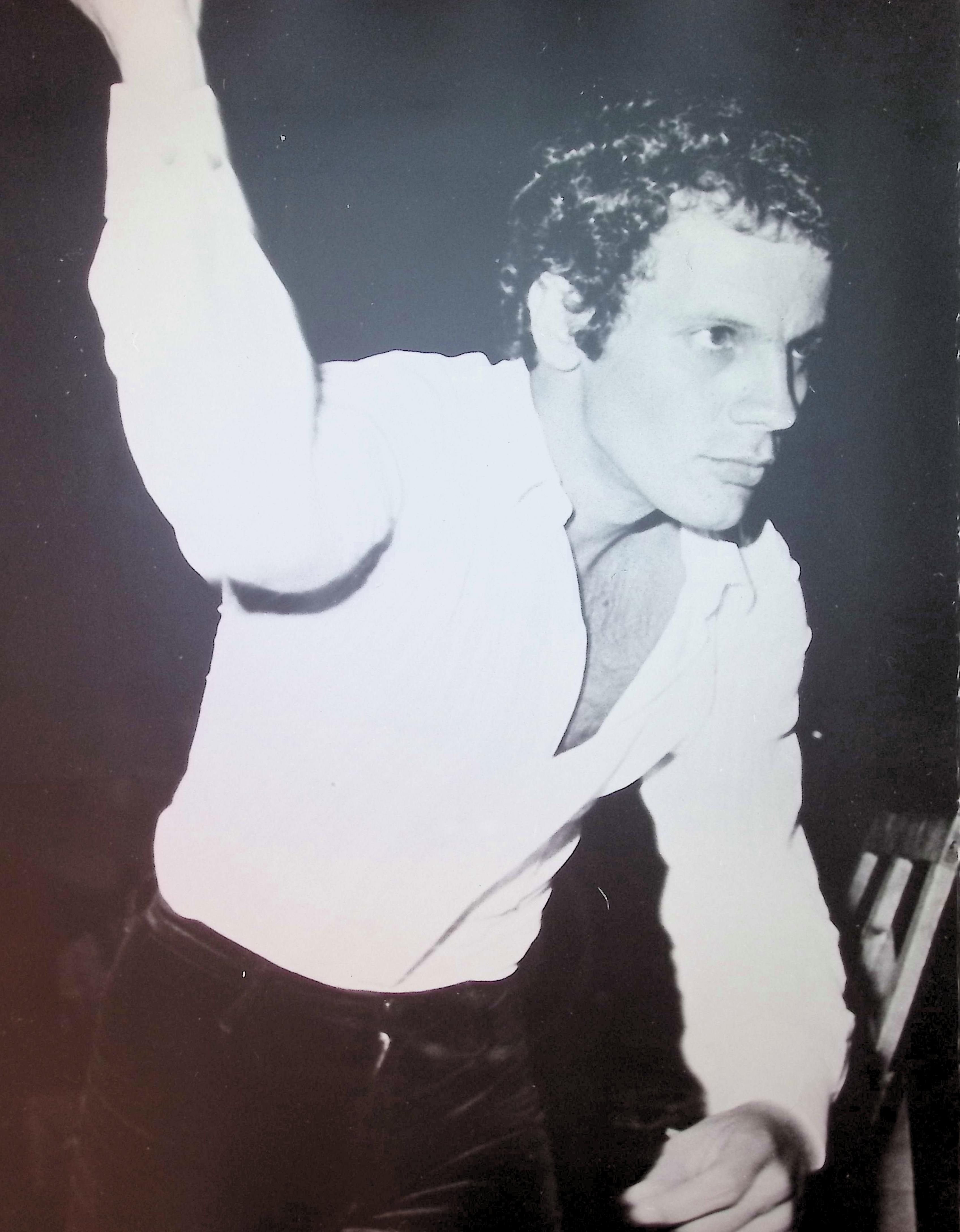
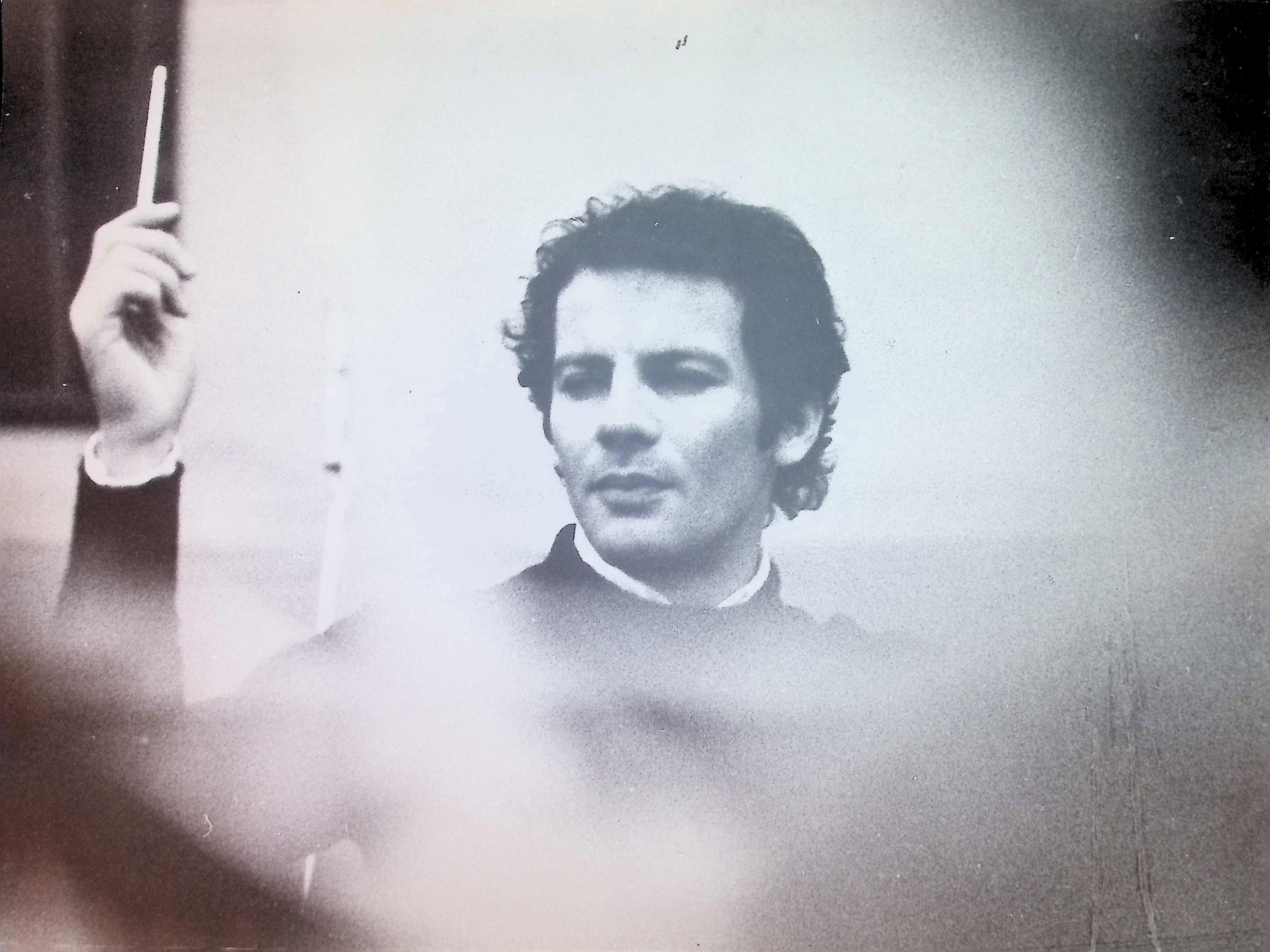
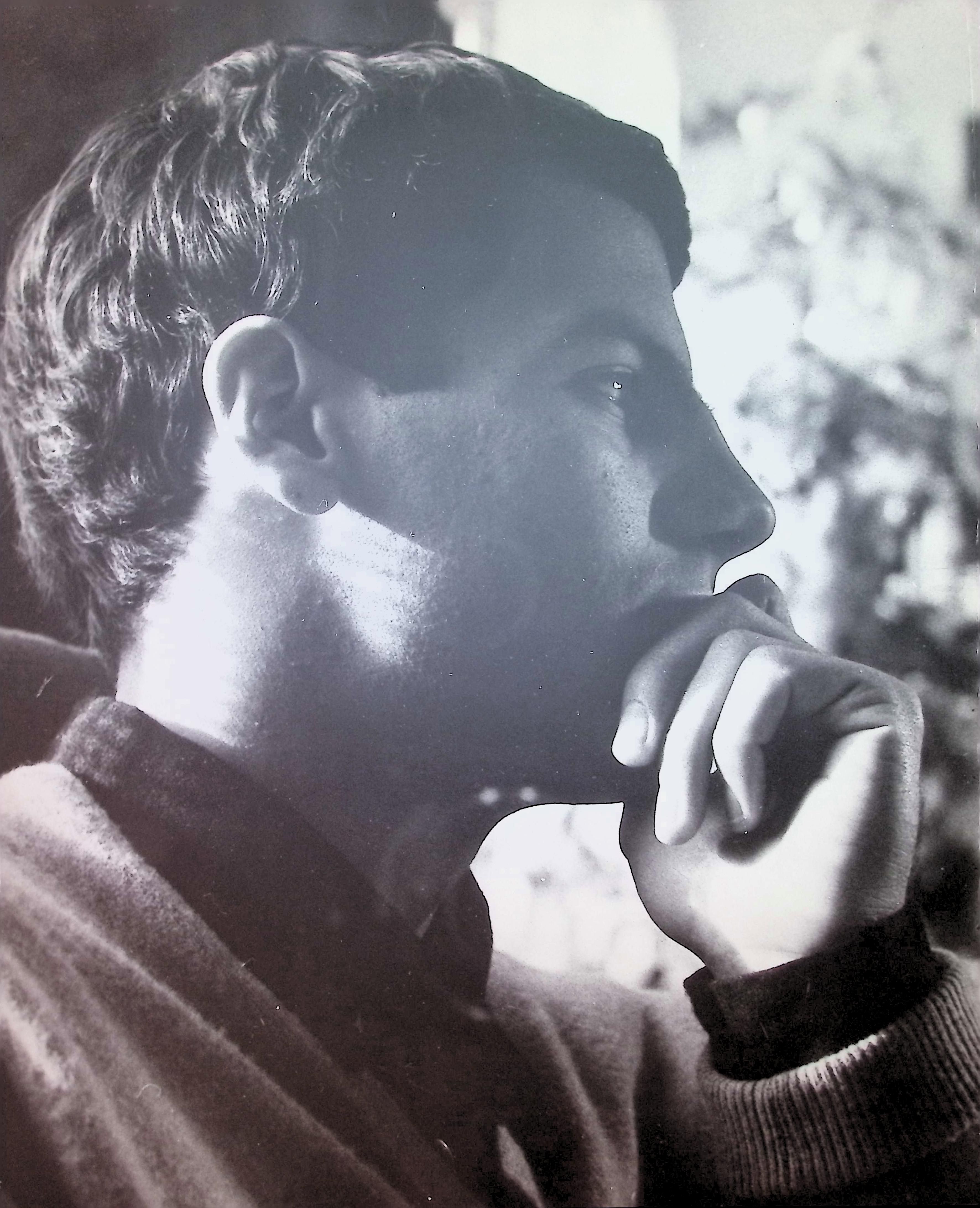
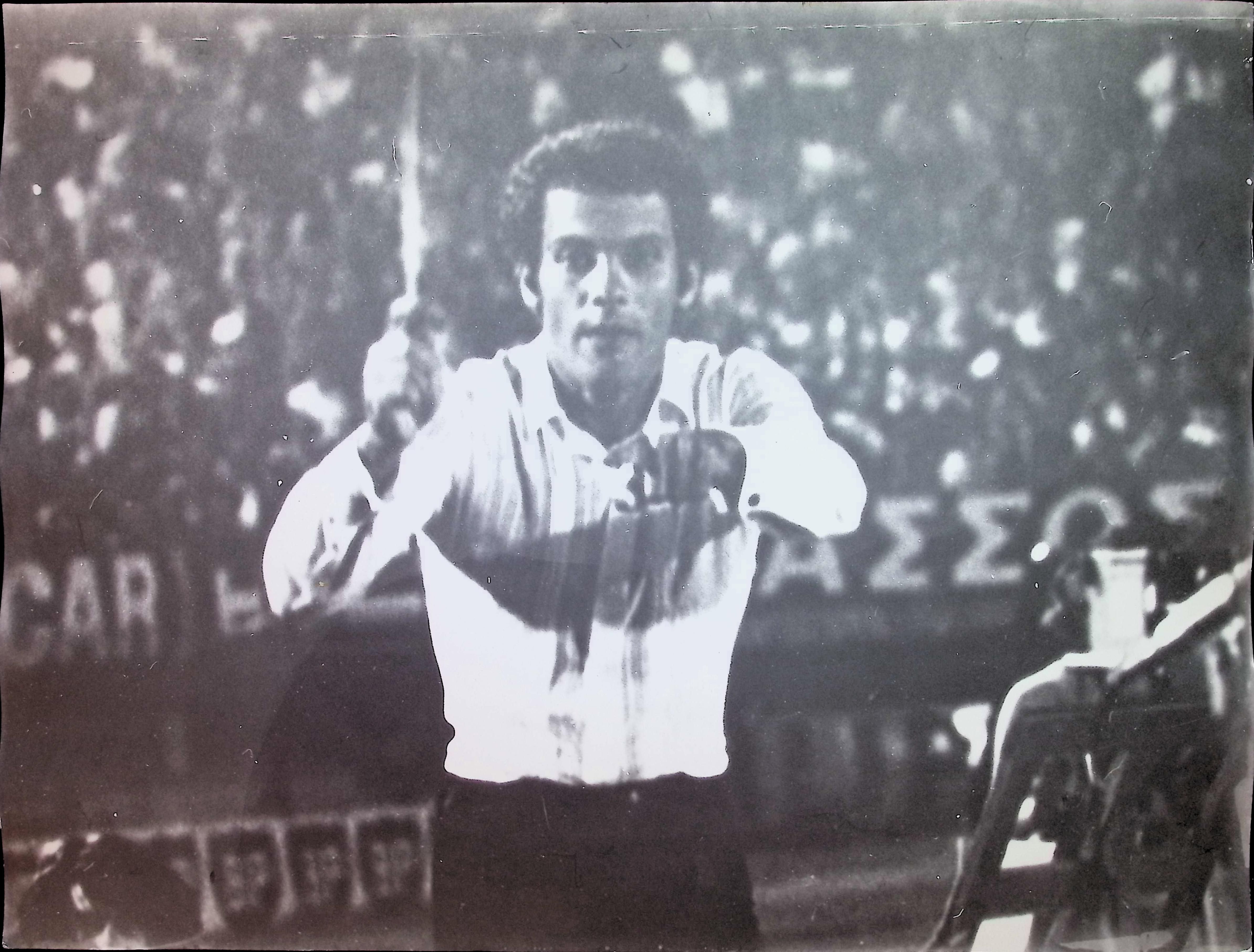
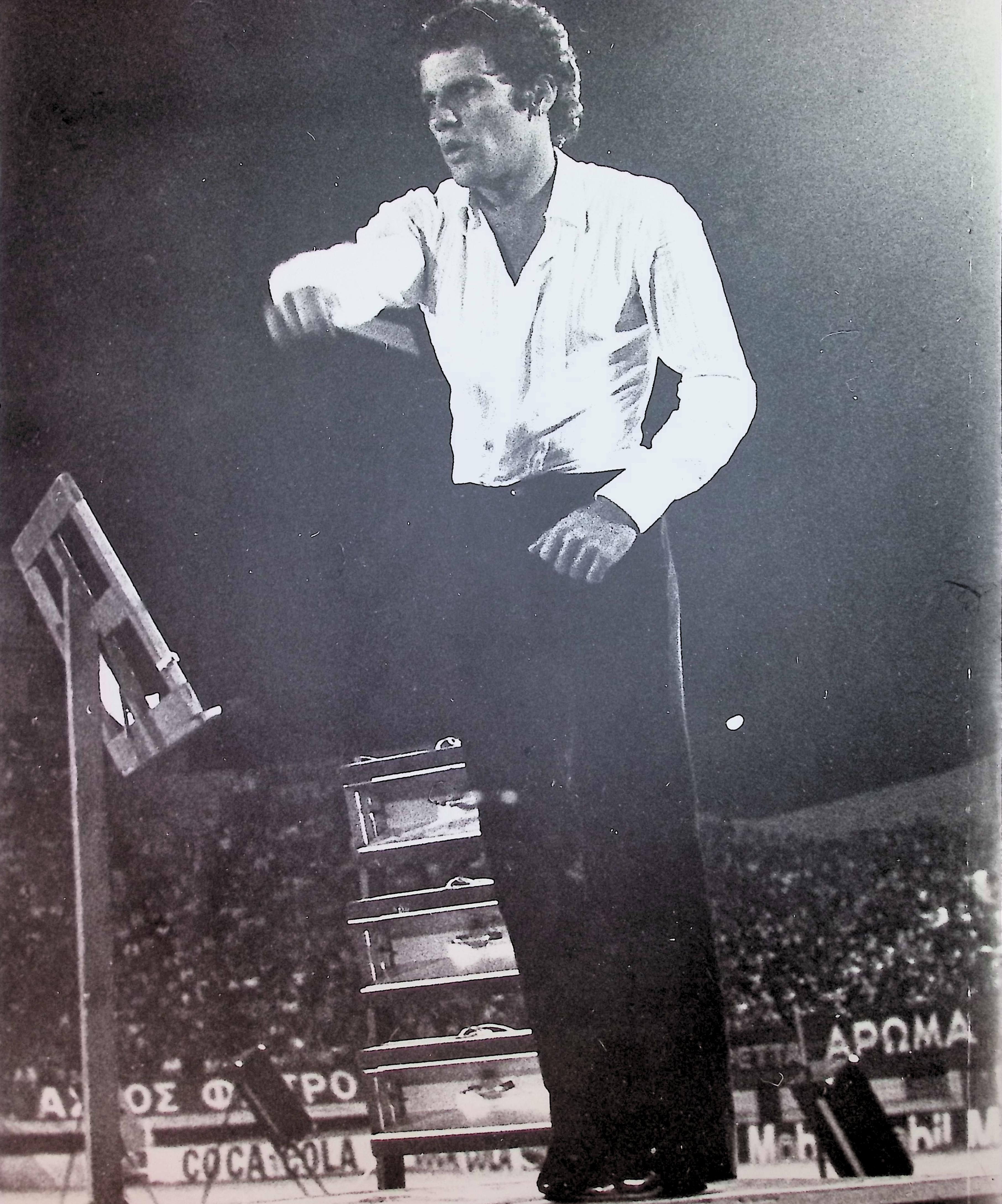
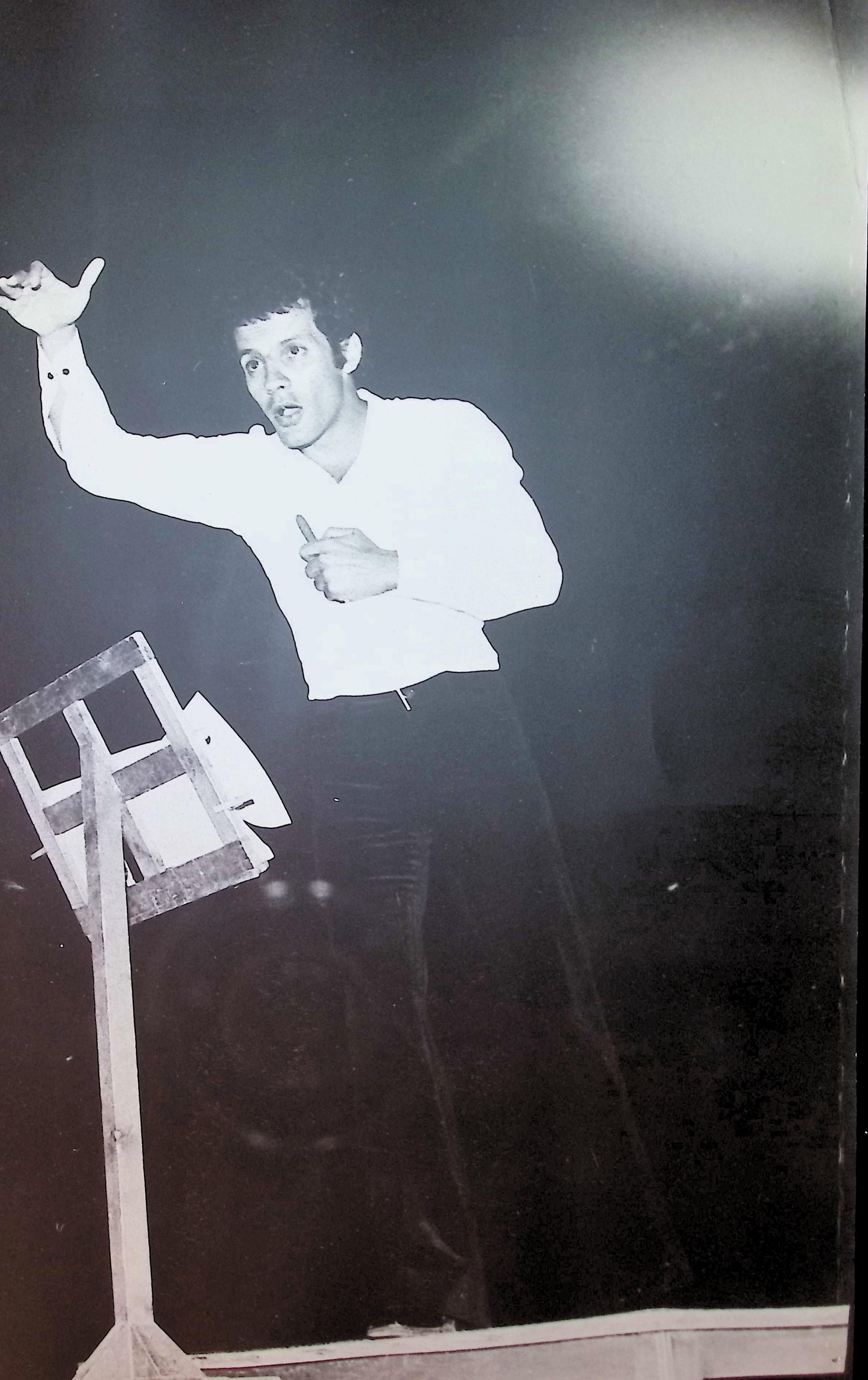
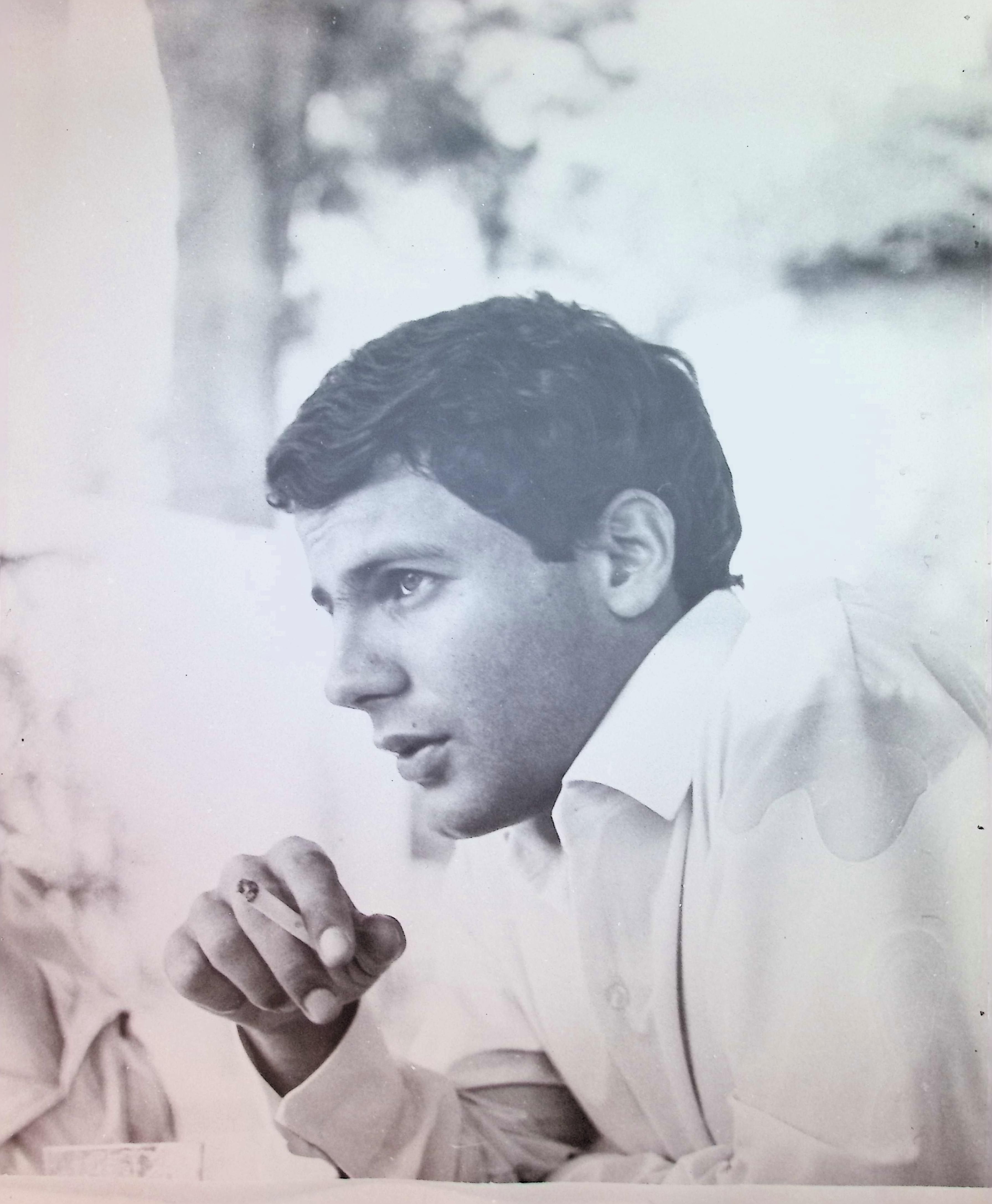
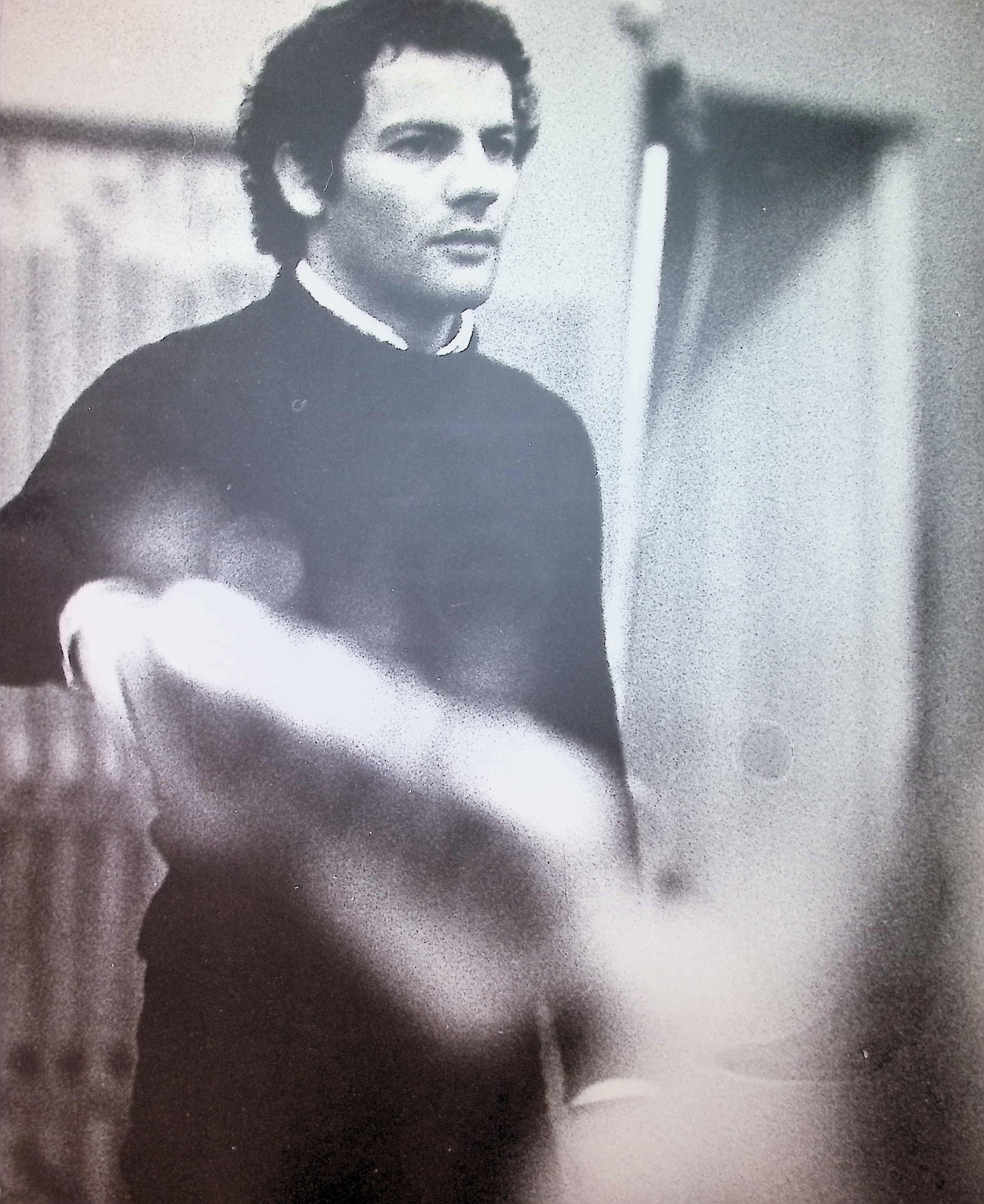
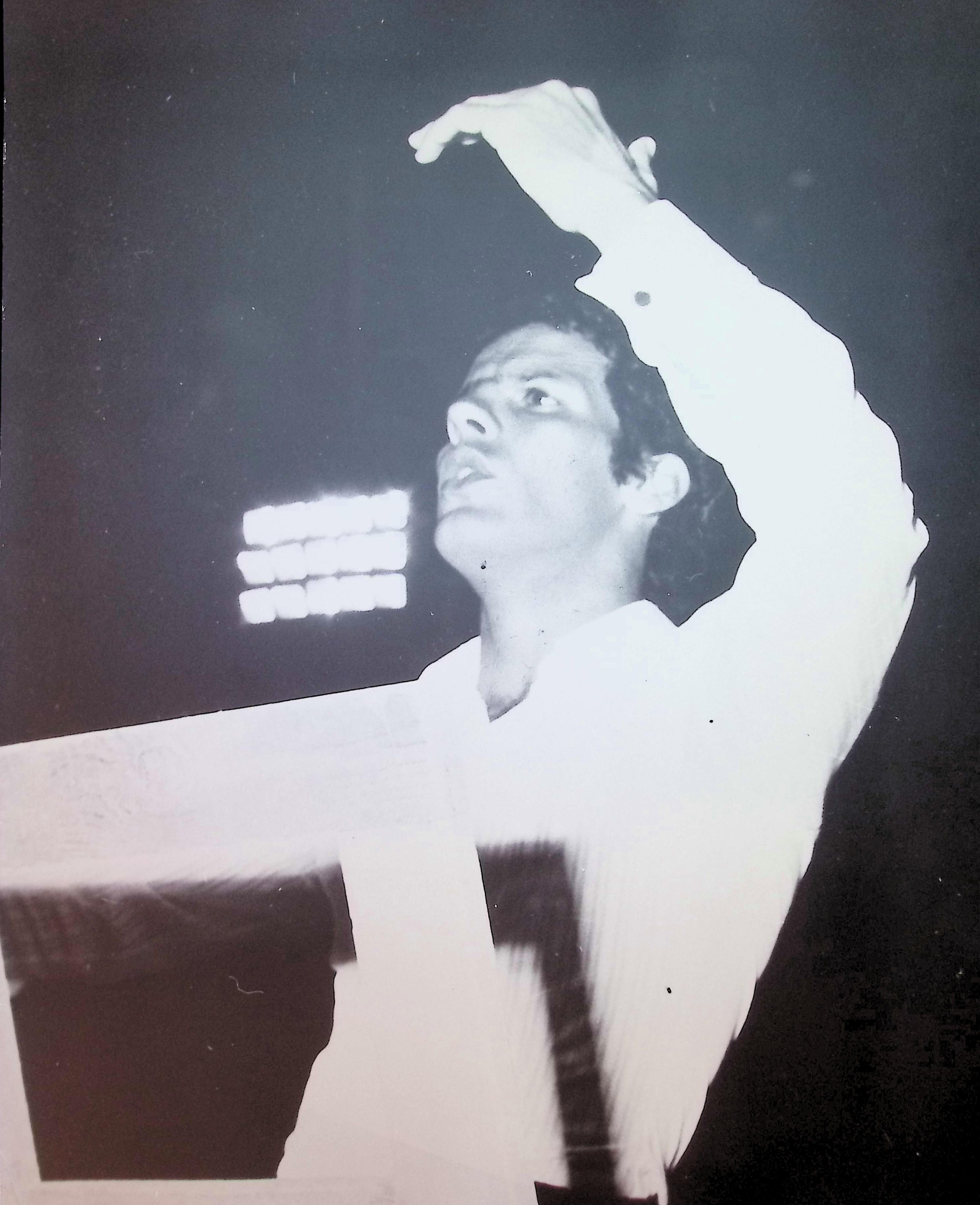
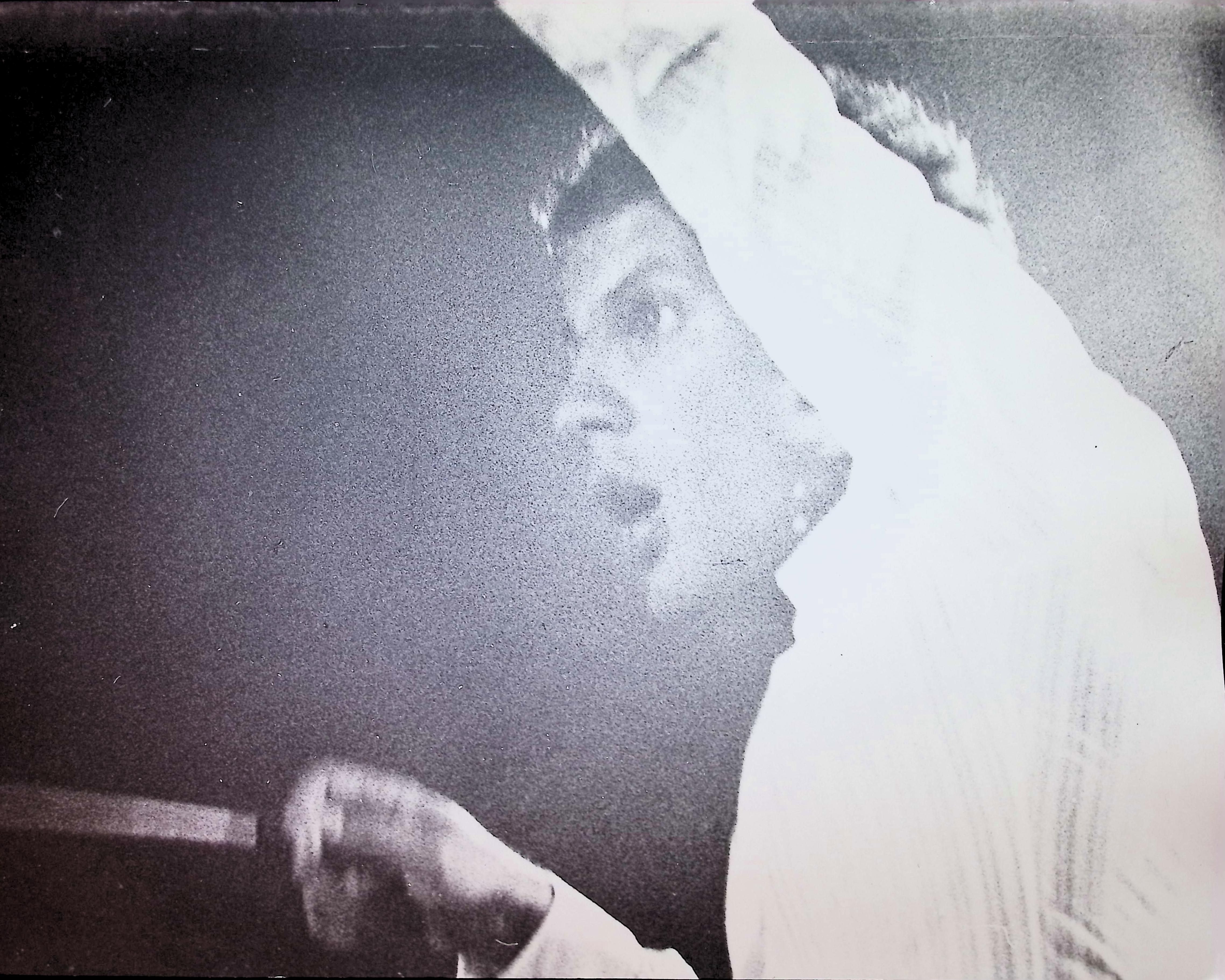
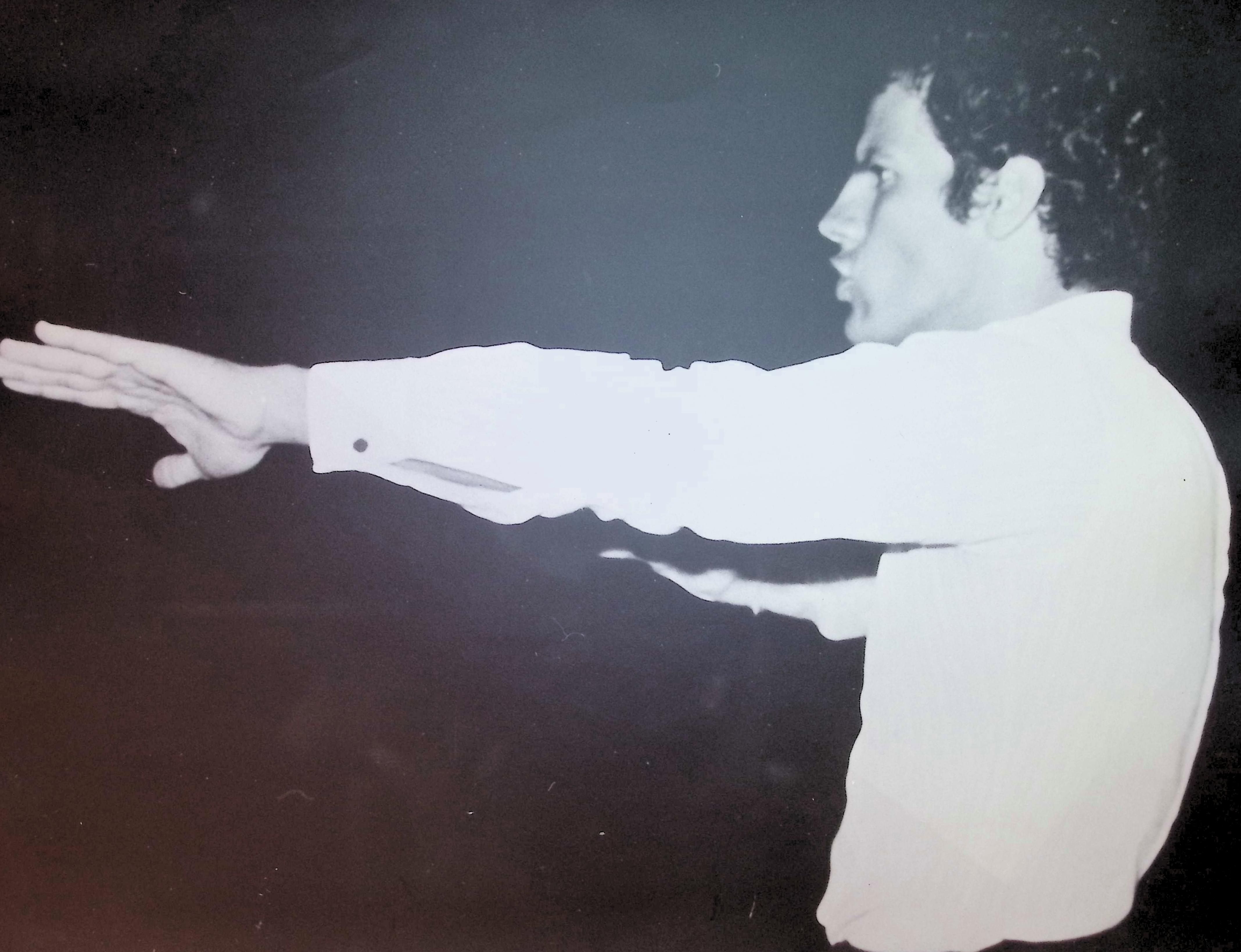
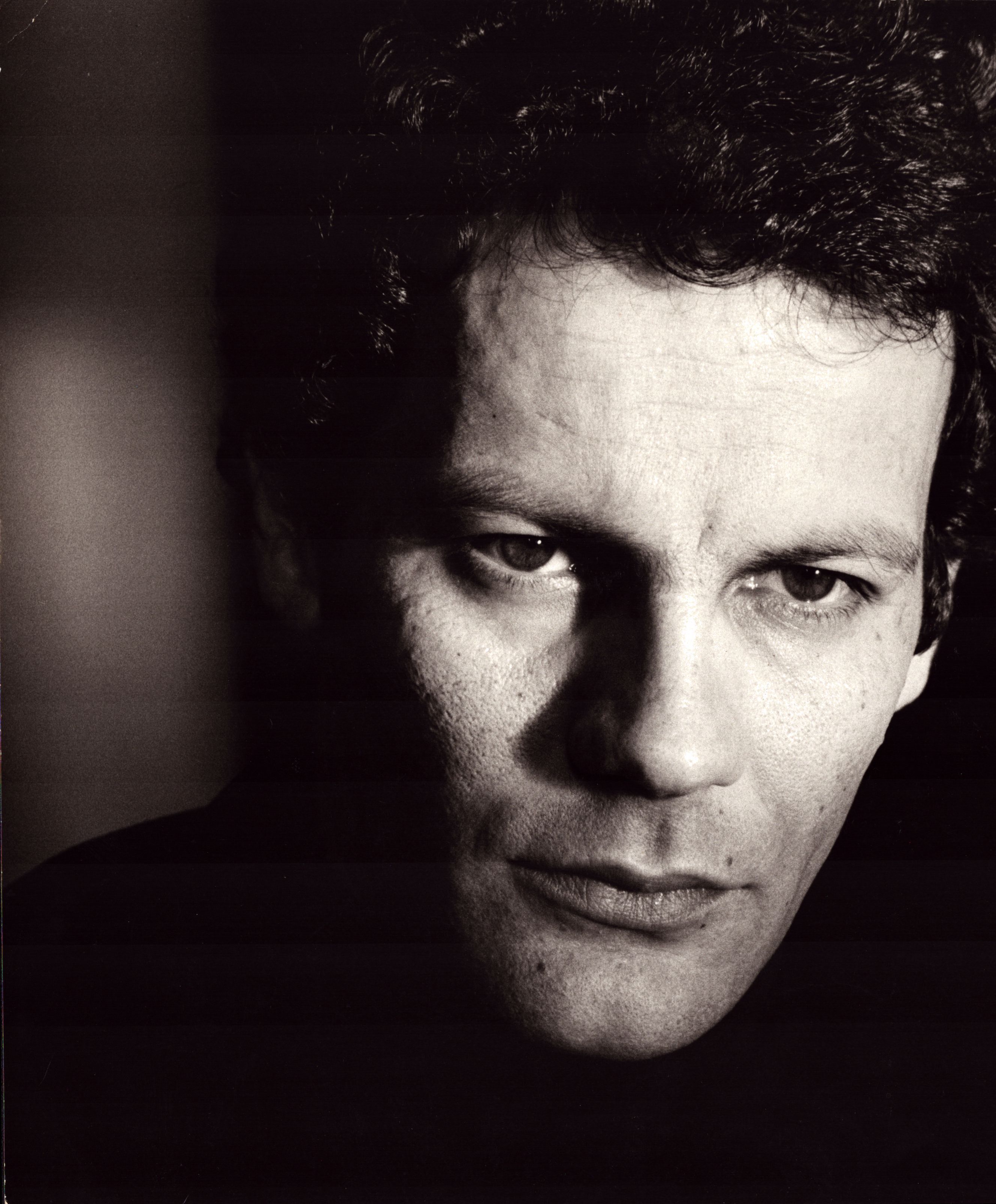
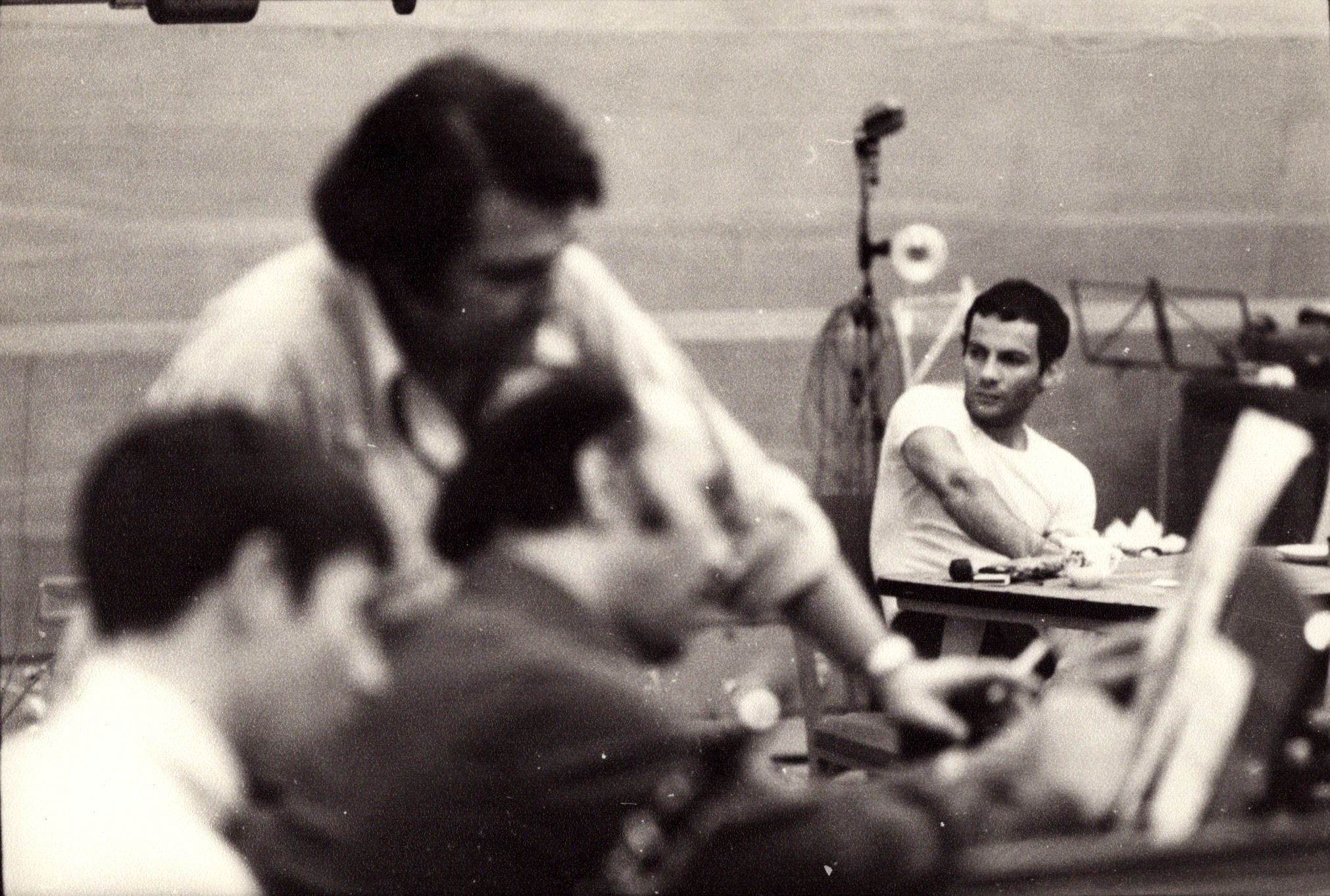
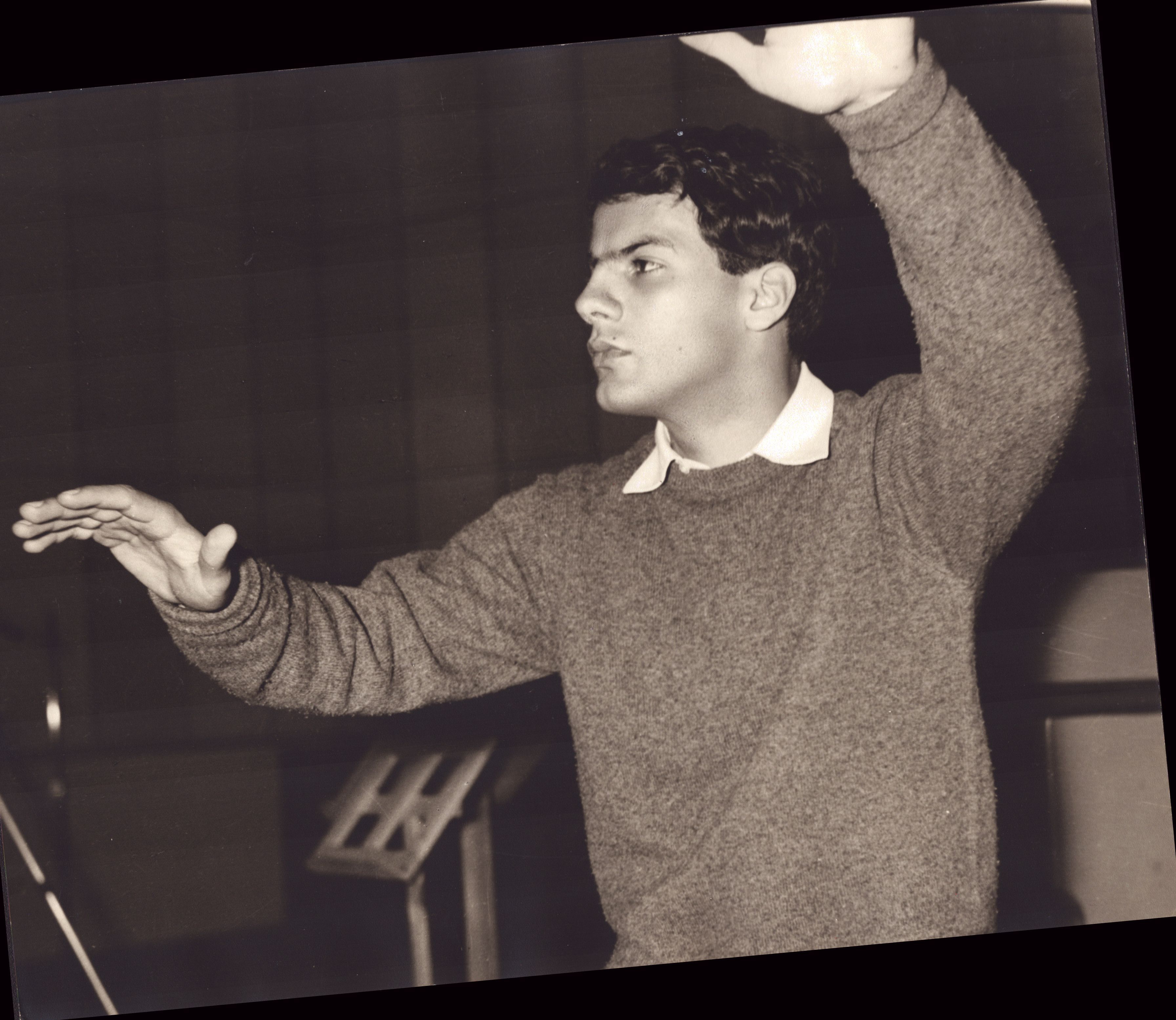
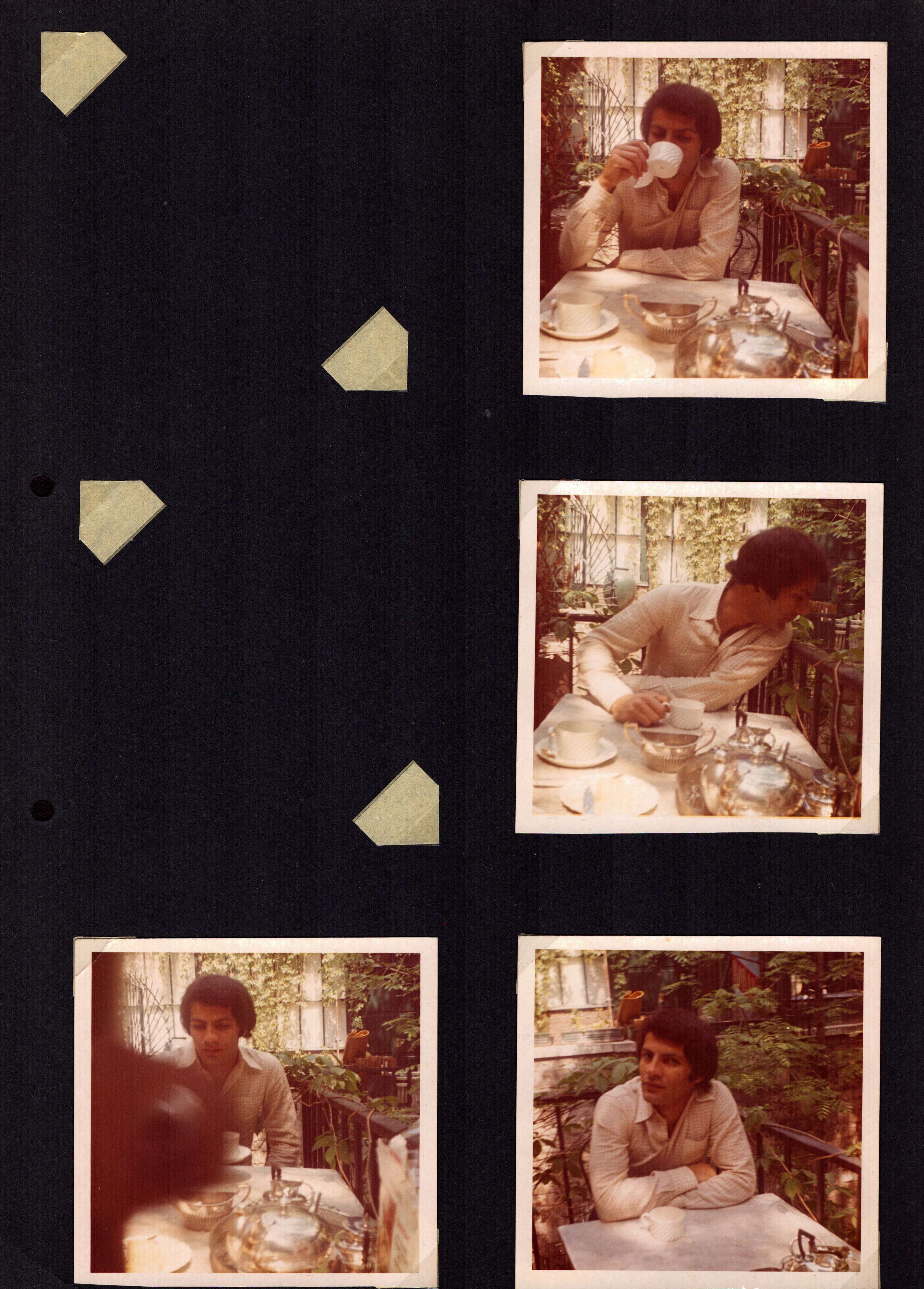
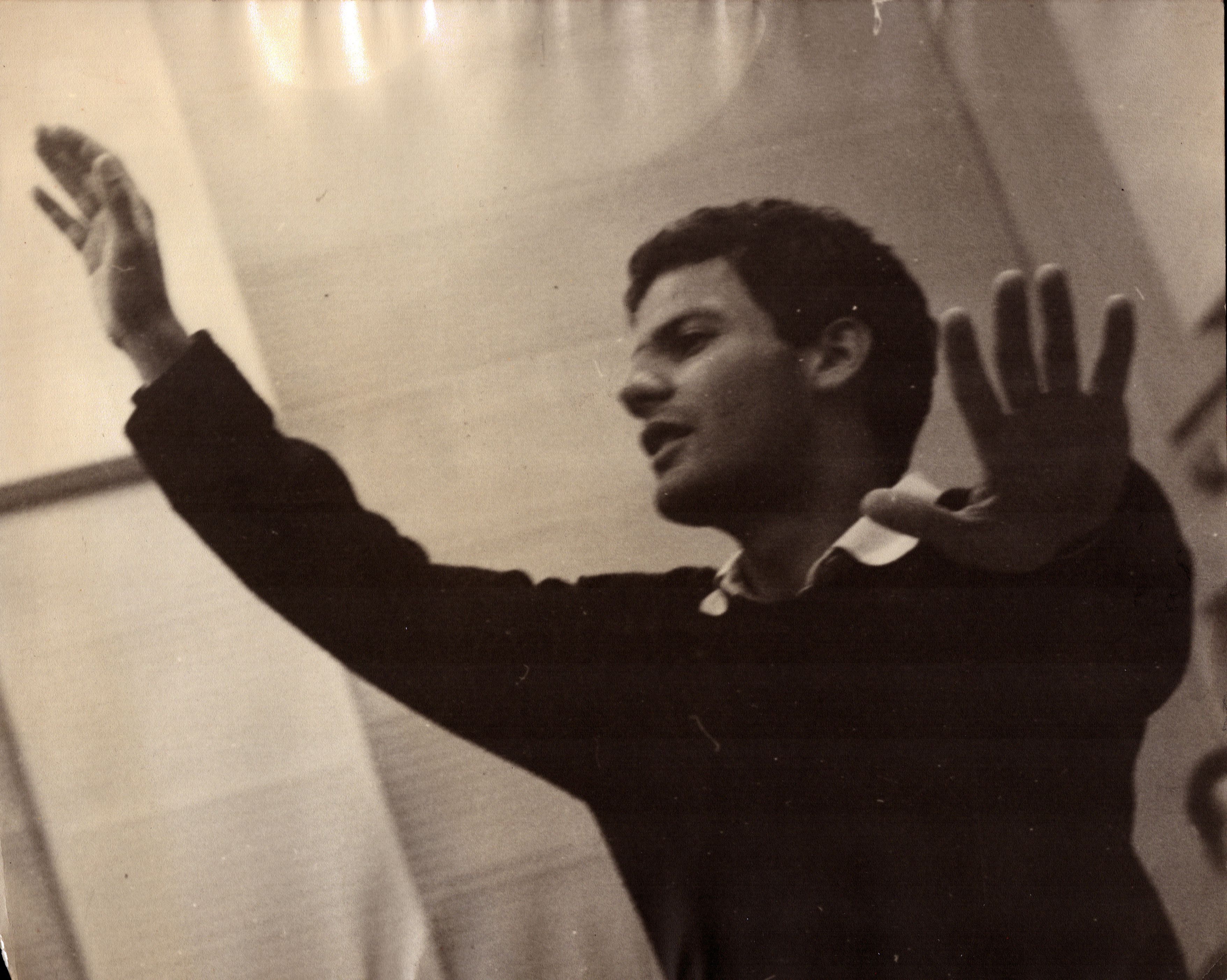
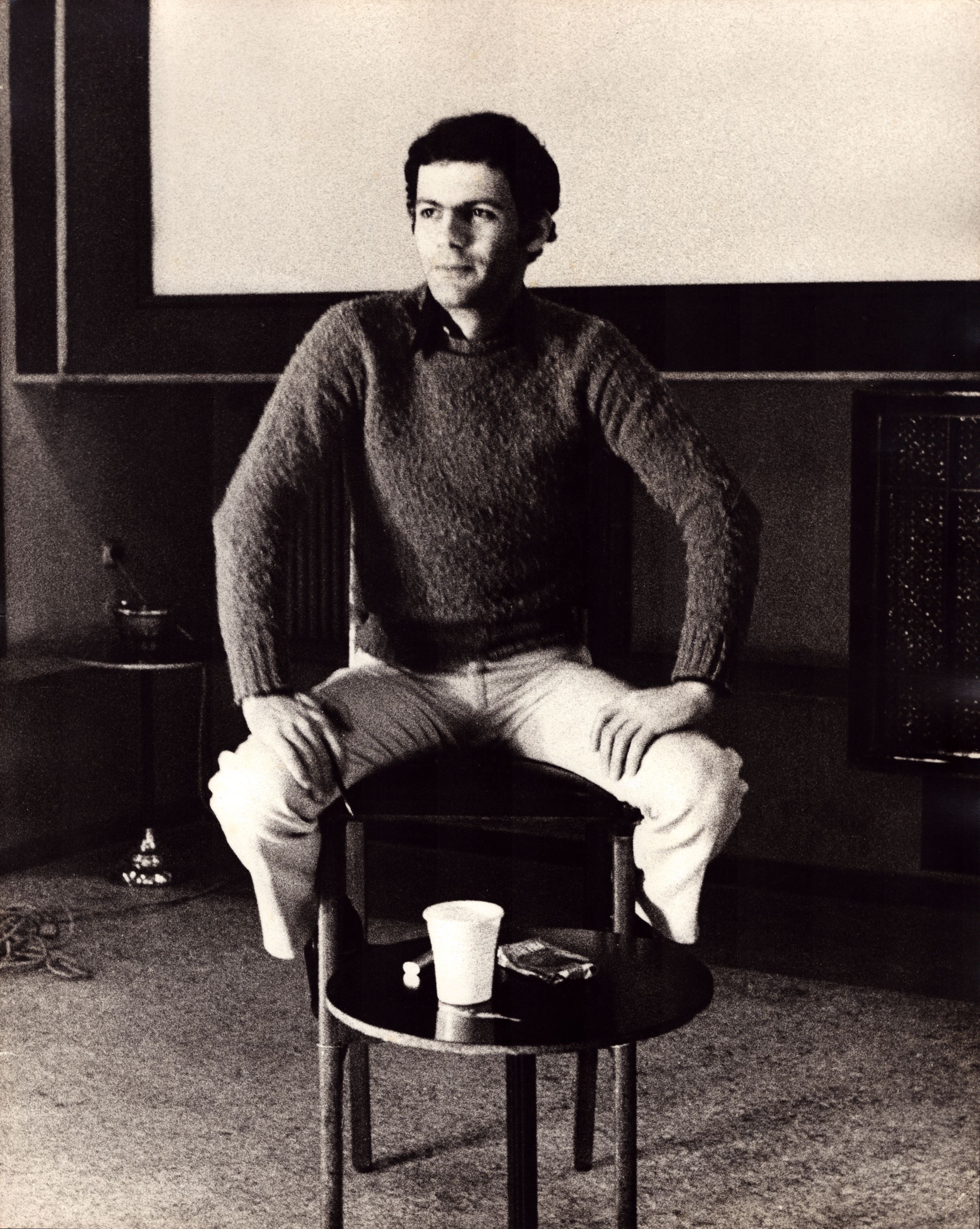
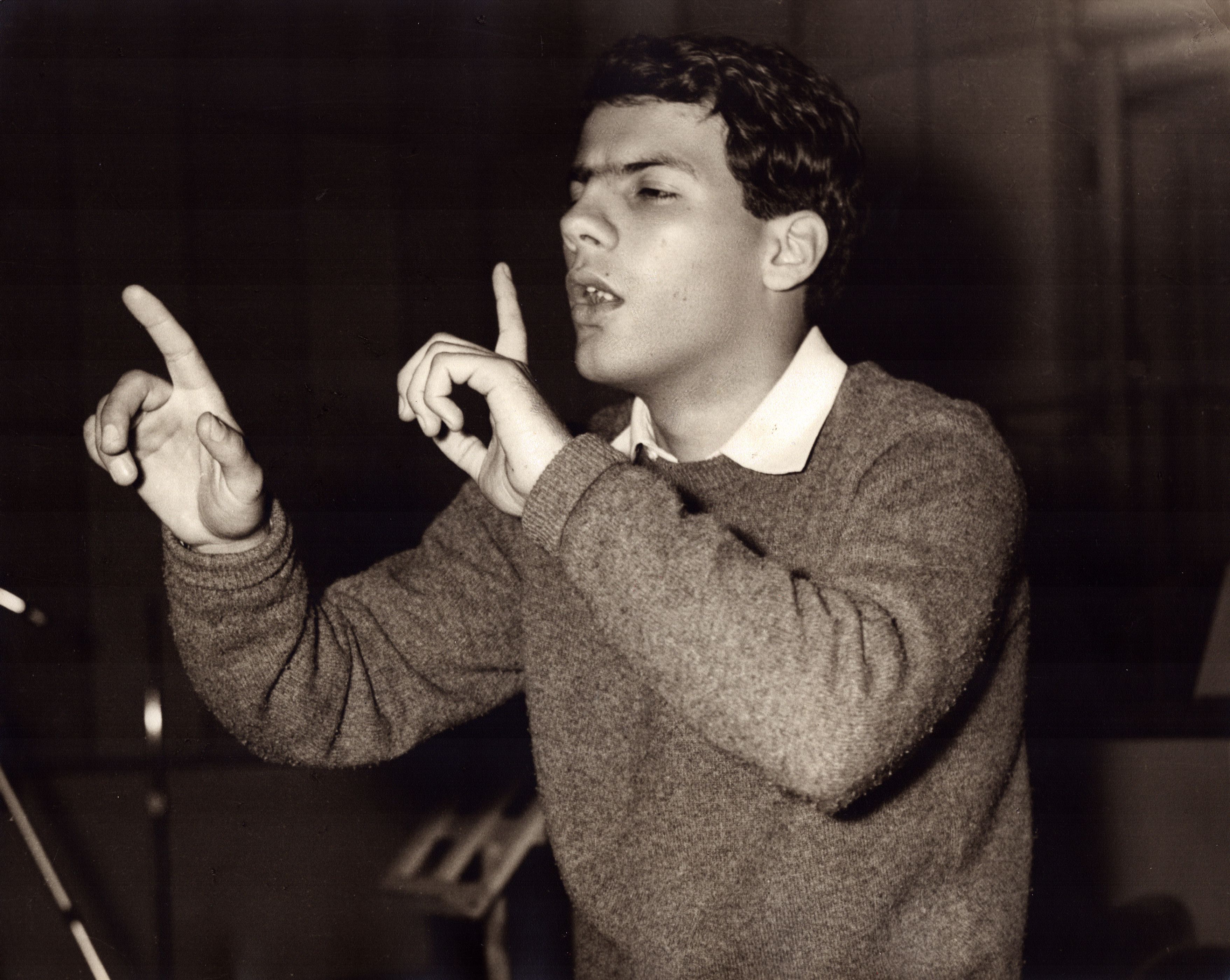
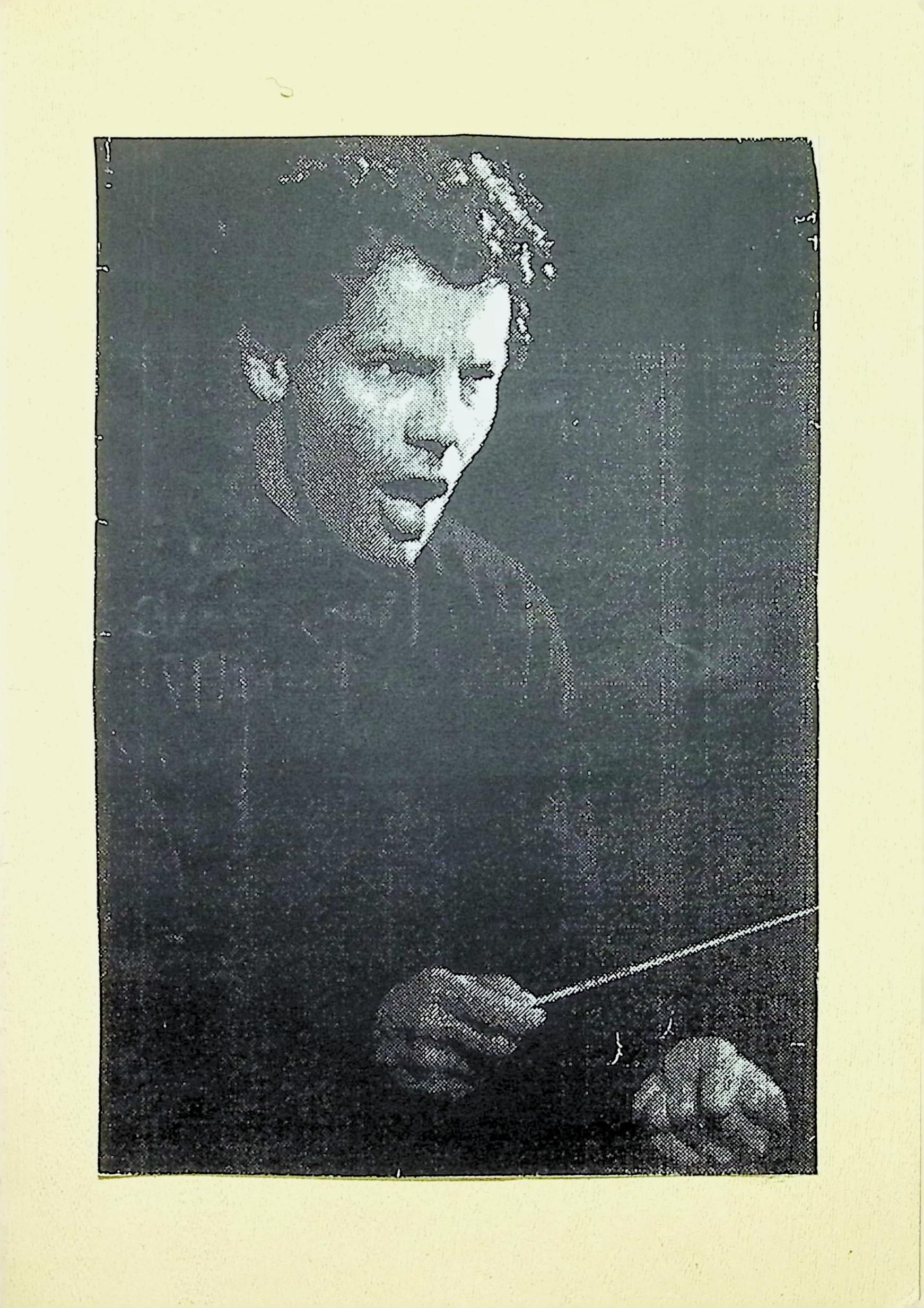
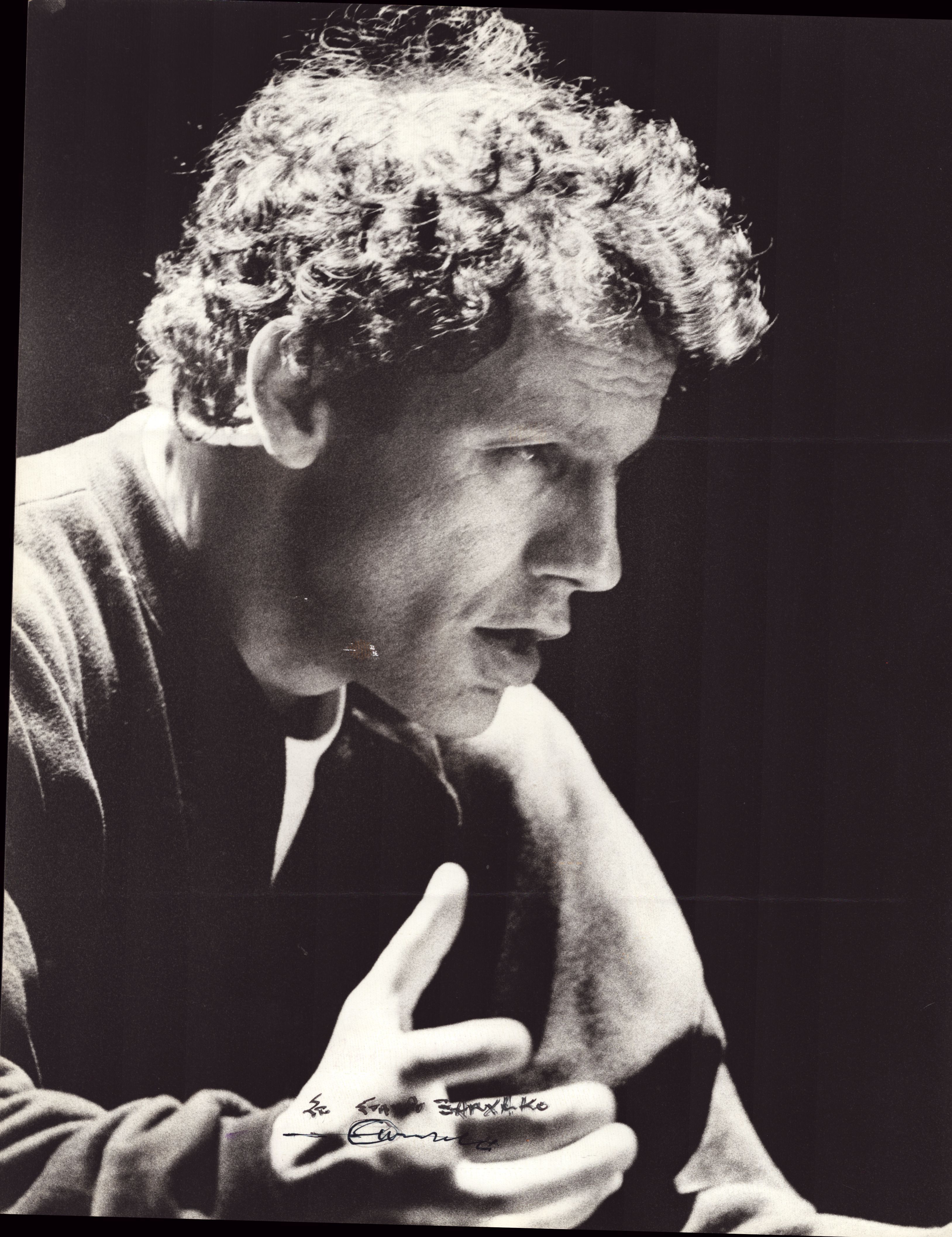
Photographic snapshots; moments from the maestro’s life and creative journey.
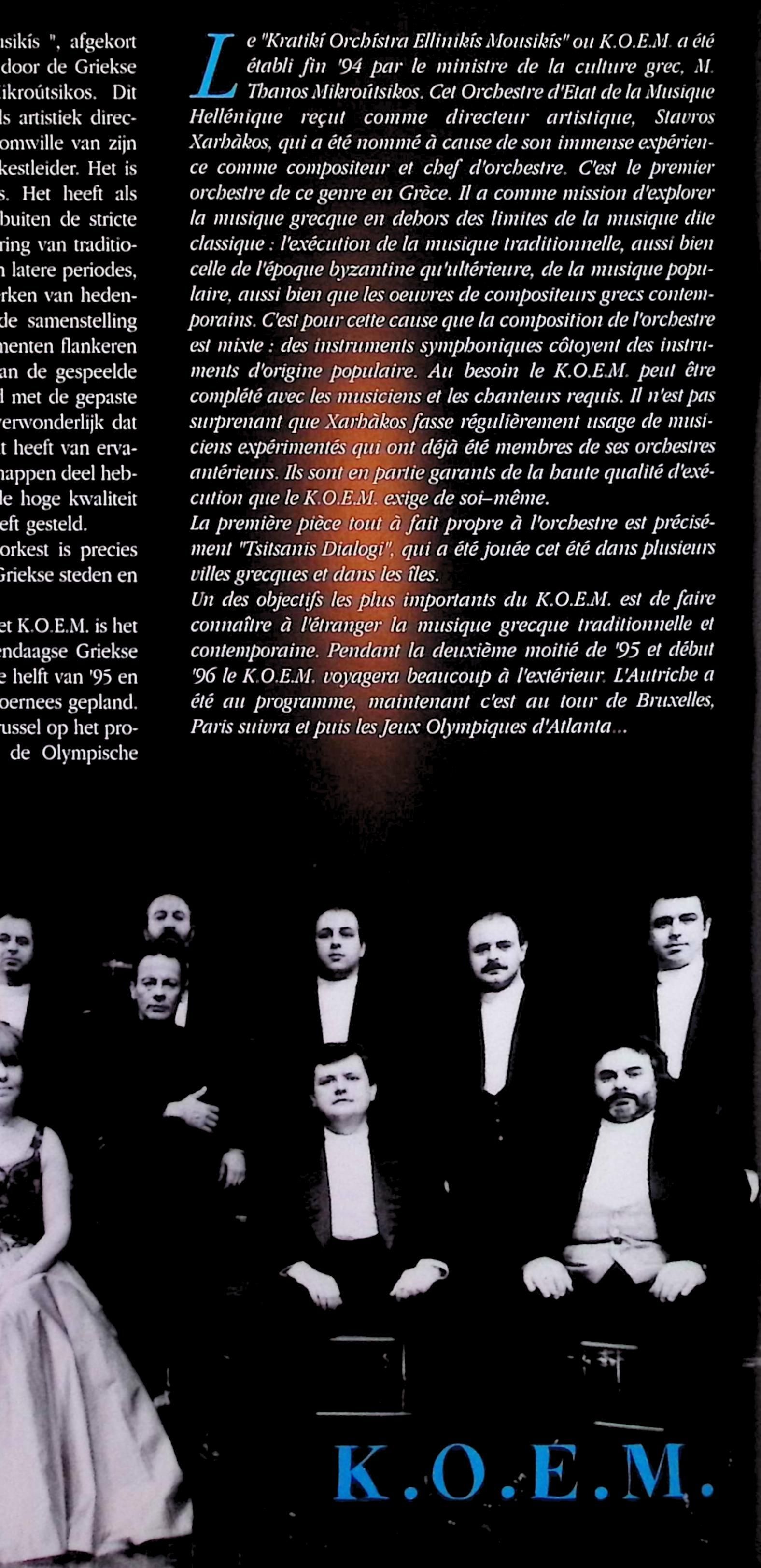
The State Orchestra of Greek Music (S.O.G.M.), founded in 1994, was created with the aim of highlighting the breadth and richness of Greek musical tradition, from Byzantine and folk music to the works of contemporary creators. Central to shaping the orchestra’s identity and artistic direction was Stavros Xarchakos, its first Artistic Director. Drawing on his experience as a composer and conductor, he defined the style, quality, and repertoire of S.O.G.M., forming a mixed ensemble of symphonic and folk instruments and collaborating with highly skilled musicians. His contribution was decisive in establishing an ensemble committed to high performance standards and cultural outreach, promoting Greek music both in Greece and abroad.